Plizio Visual Lab

Debed Valley
Plizio editorial teamData Sources
valley
—°6
Debed Valley (Armenia)

Weather…

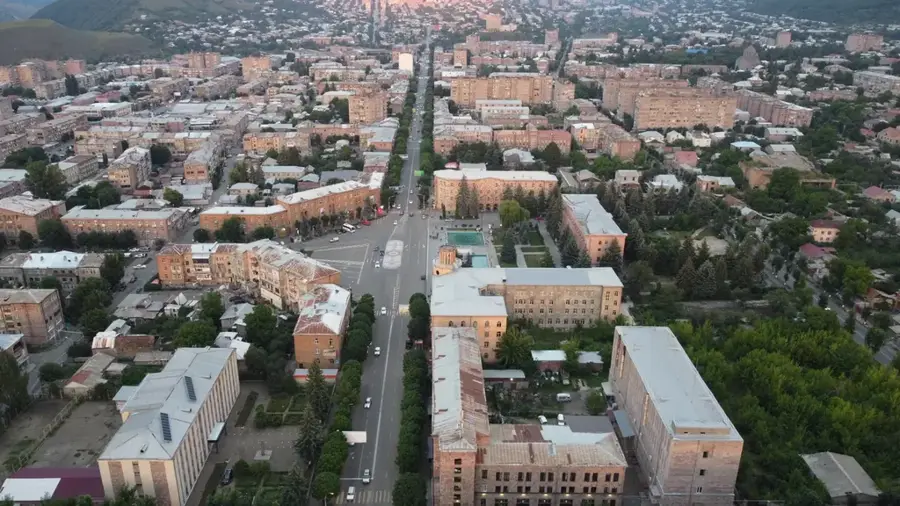
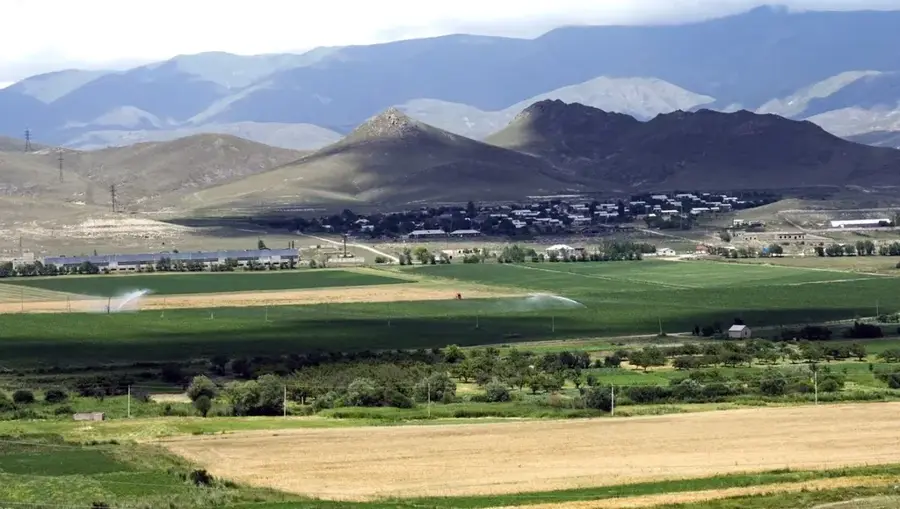
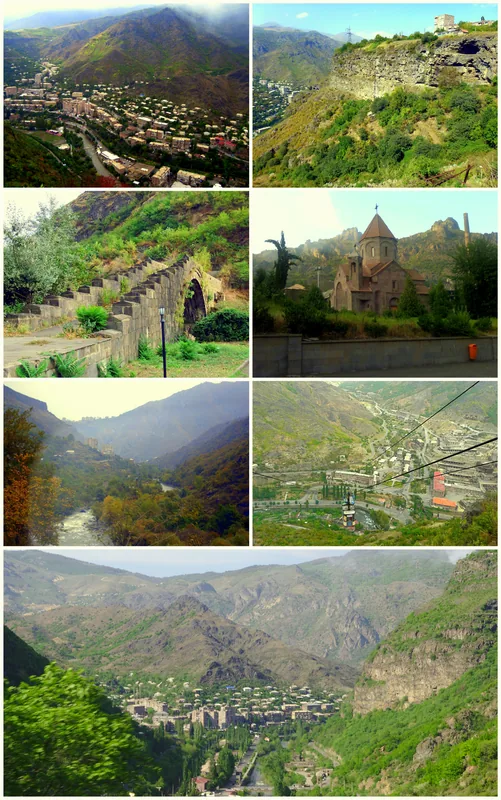
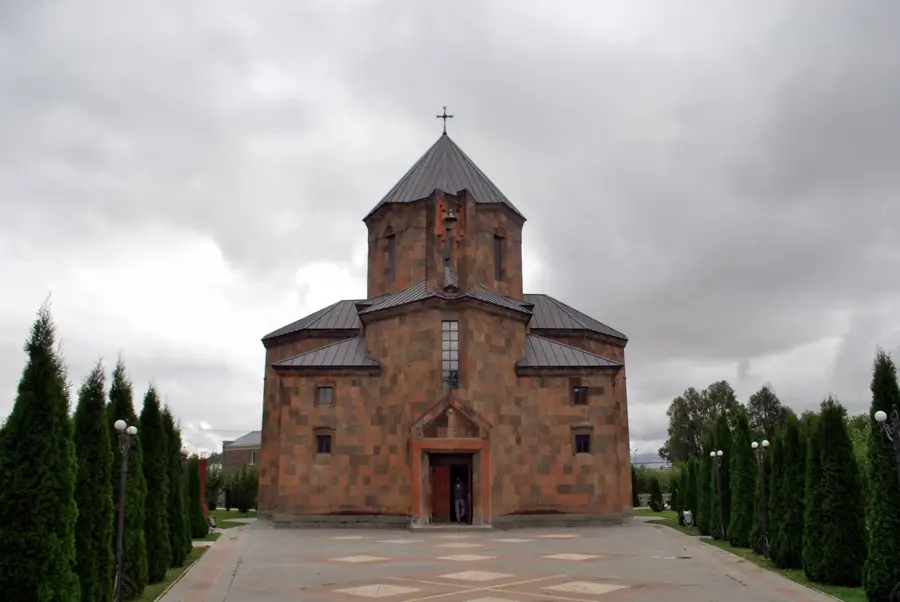
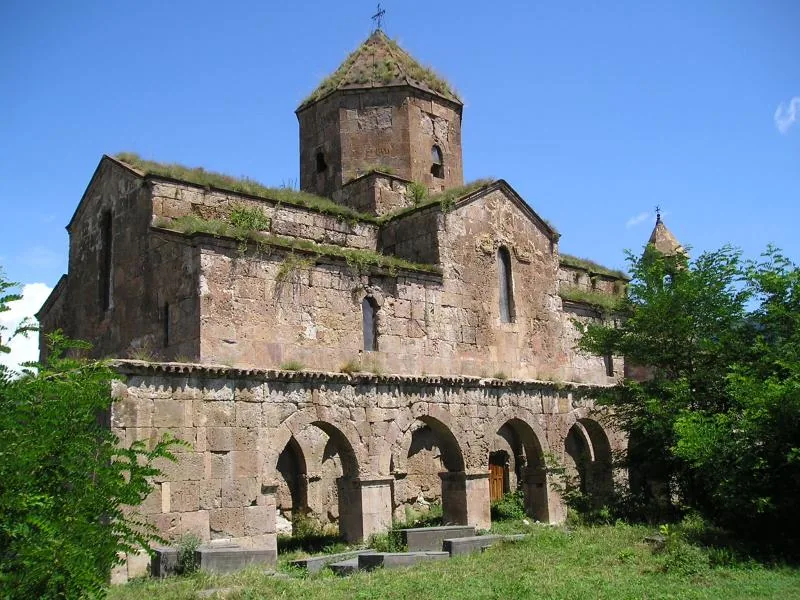
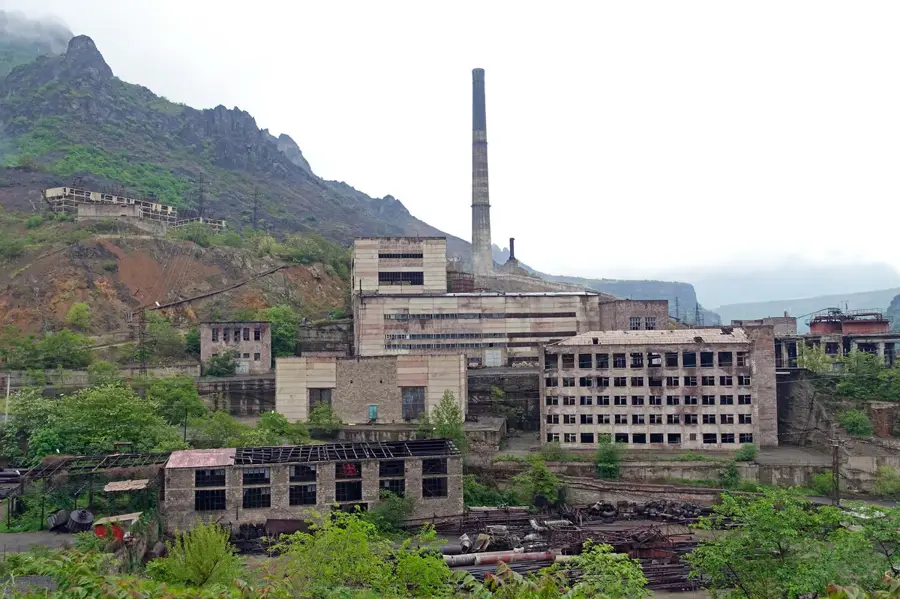
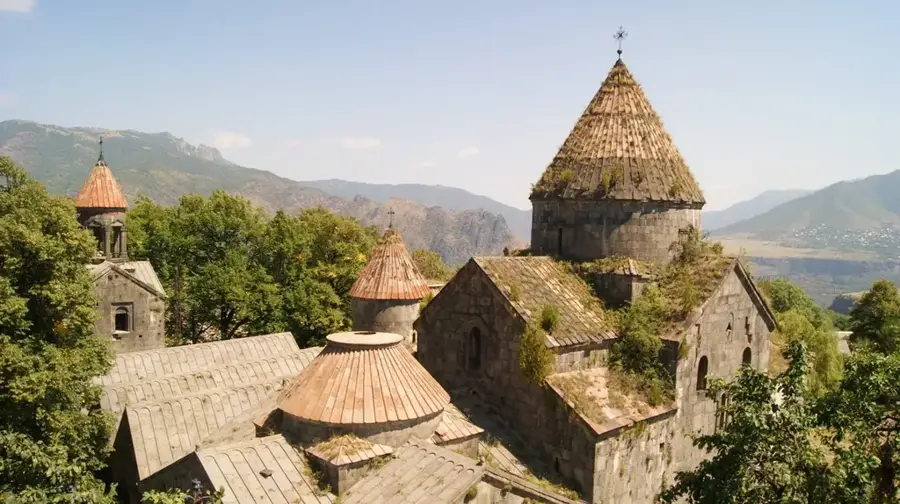
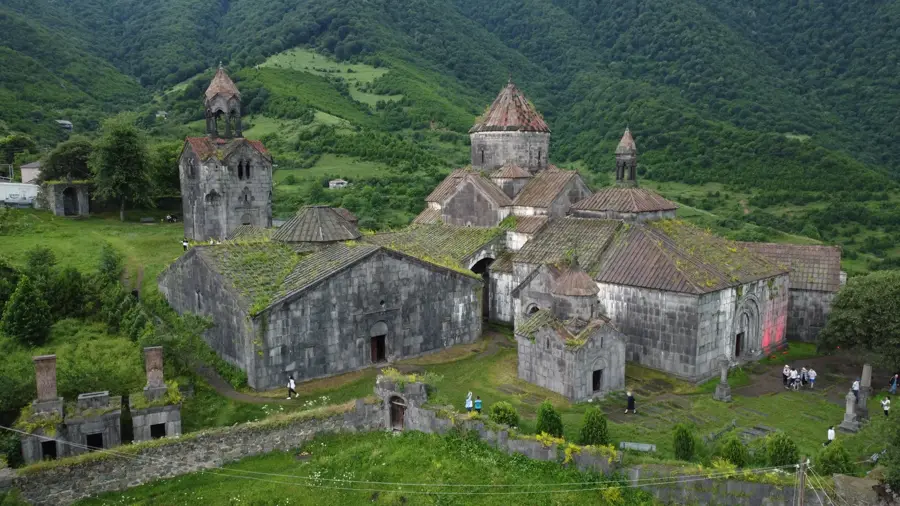
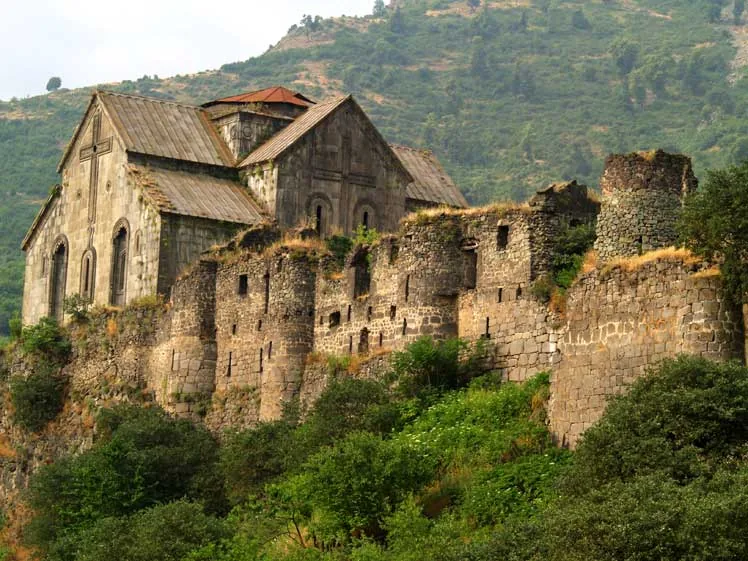
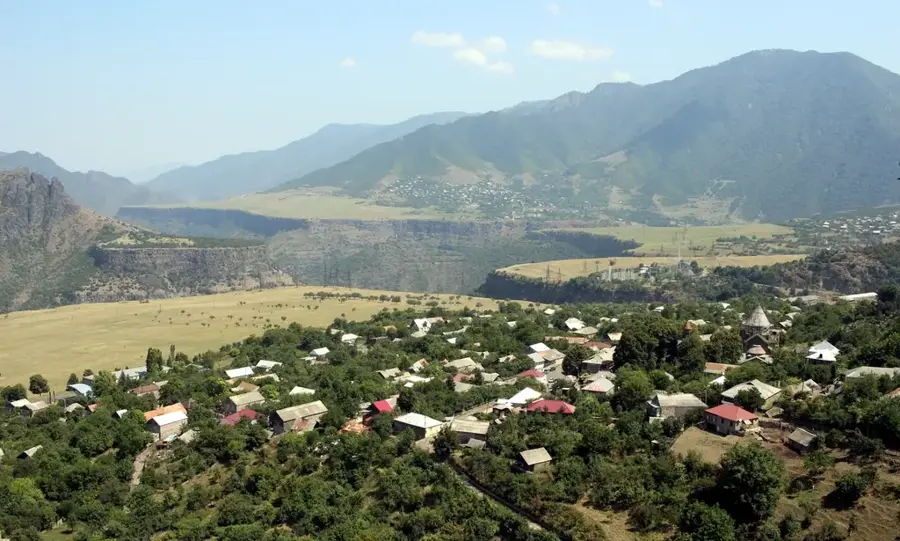
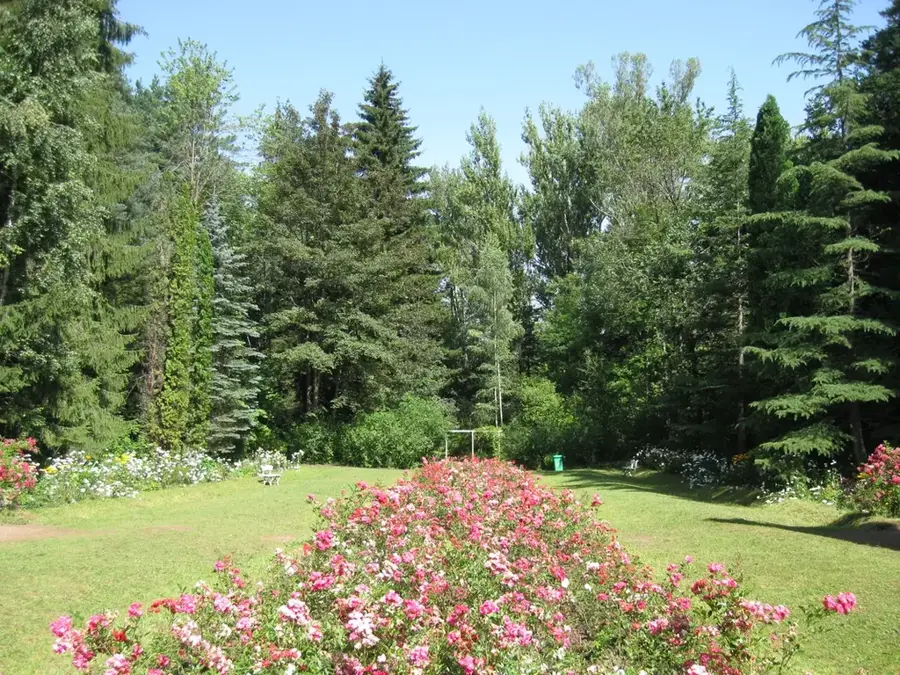
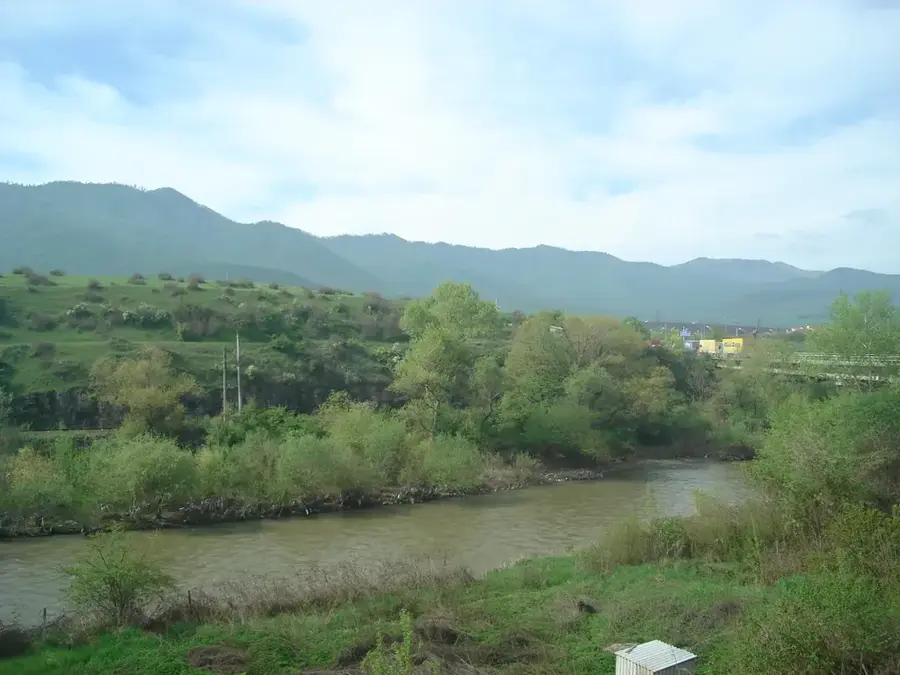
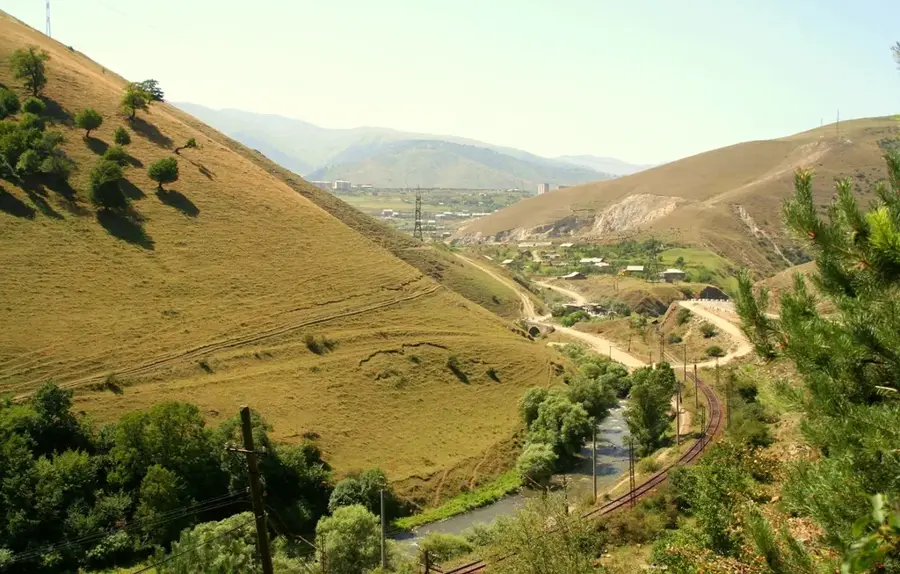
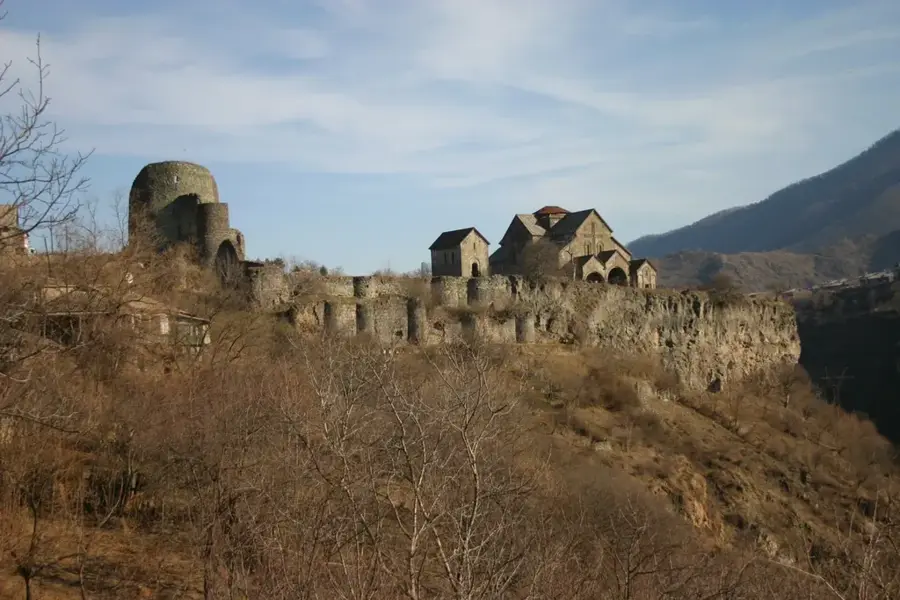
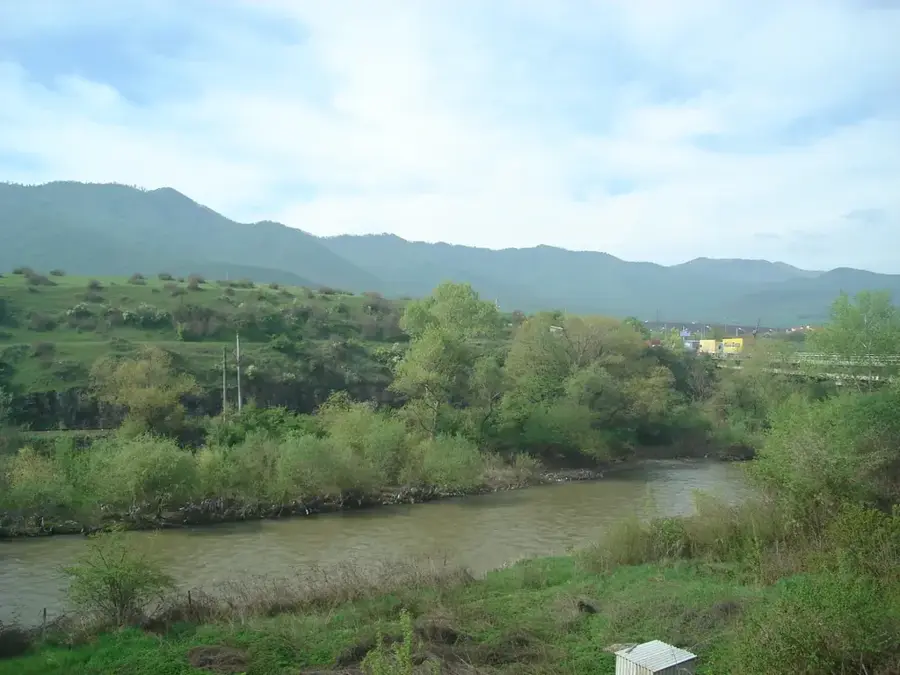
The Debed Valley in northern Armenia is one of the deepest canyons in the Lesser Caucasus, carved by the Debed River as it flows toward the Georgian border. Geographically, the valley is defined by its sheer basalt cliffs and dense deciduous forests, which create a distinct microclimate that is more humid than the central Armenian highlands. Historically, this region served as a vital strategic corridor between the Caucasus and the Byzantine world, leading to the establishment of major religious and educational centers during the Middle Ages. The valley is home to the 10th-century Haghpat and Sanahin monasteries, both UNESCO World Heritage sites that showcase the pinnacle of Armenian ecclesiastical architecture. During the 20th century, the area became a hub for heavy industry, centered around the copper smelting plant in Alaverdi. Today, the Debed Valley is a primary transit route for international trade and a major destination for cultural and adventure tourism.

Best time to visit & climate

The most pleasant time to visit is Jul–Sep.

JanFebMarAprMayJunJulAugSepOctNovDec
Avg °C-5-326121619181592-3
Rain mm231929556457323023382423

📋 Practical info

🧭
Getting there
Reaching this deeply incised river valley in northern Armenia typically involves driving along the main highway connecting Yerevan to the Georgian border. The route serves as a natural gateway to numerous cultural and natural landmarks dotted along the riverbanks.
📅
Best season
The most favorable conditions for exploring the valley are usually found during the spring and autumn months, when the weather is mild and the foliage is spirited. Summers can be quite warm, while winter occasionally brings snow to the higher elevations surrounding the gorge.
⛰️
Terrain & paths
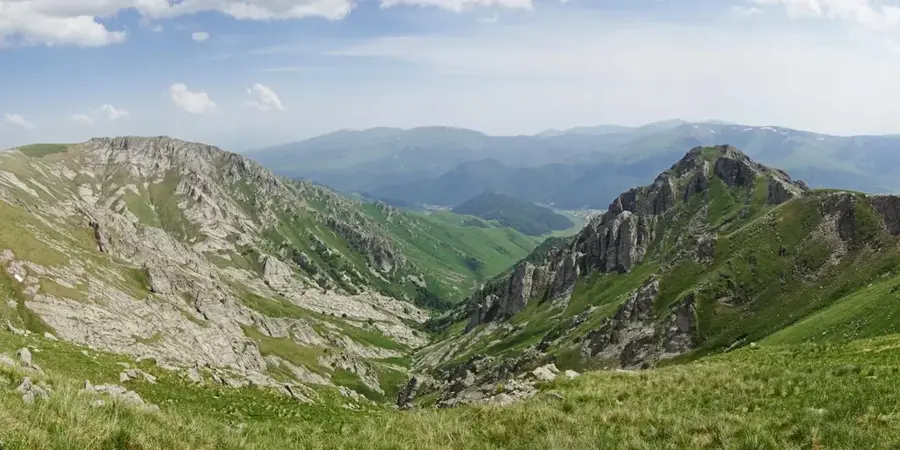
The terrain features a striking contrast between the relatively flat riverbed and the steep, rugged canyon walls that rise sharply on either side. Paths connecting the various historical sites range from paved walkways to uneven, rocky trails requiring good balance.
🎒
What to bring
Sturdy walking shoes are highly recommended for navigating the uneven paths around the heritage sites, alongside a reliable daypack. Given the fluctuating temperatures, packing layered clothing and carrying sufficient drinking water is essential for a comfortable trip.
🅿️
Parking
Visitors typically leave their vehicles in designated parking areas near the major monasteries or in the larger towns situated along the valley floor. These settlements serve as practical base camps for organizing daily excursions into the surrounding mountains.
⚠️
Safety
While the main tourist areas are generally safe, hikers should remain cautious near the steep, unprotected cliff edges bordering the gorge. It is also advisable to watch out for loose rocks on the trails and to respect local guidelines when visiting the ancient structures.
⏱️
Time needed
A thorough exploration of the valley's distinct landscape and its scattered historical monuments typically requires at least one to two full days. Those simply passing through can easily capture the majestic views and stop at a few key viewpoints in a matter of hours.

Geography

Coordinates
41.10000, 44.60000

Facts

  • The Debed River spans 176 kilometers before joining the Khrami River.
  • Haghpat and Sanahin monasteries were founded in 966 and 976 respectively.
  • The gorge reaches depths of over 500 meters at several locations.
  • Copper mining in Alaverdi dates back to the mid-18th century.
  • Lori Berd fortress served as a regional capital starting from 1064.
  • The valley hosts a unique flora with over 1,000 species of vascular plants.

Explore nearby

Notable places around
Route planner — Car & Motorhome

Where do you start? We build the route here, with stops and country notes along the way.

Vehicle
Only stops with (optional):

© OpenStreetMap contributors · OpenRouteService

Sights in the town Debed Valley (6)

Maghatskar🌿 nature

A prominent mountain peak rising above the scenic Debed River valley.

Sedvi Castle🏰 castle

A medieval stone fortress guarding the strategic entrance to the Sedvi gorge.

Gutanakar🌿 nature

A distinctive extinct volcanic peak that defines the region's geological landscape.

Bgavor Church⛪ religious

The ruins of a 13th-century vaulted hall church located near Akori.

Saint Gevorg Church (Akori)⛪ religious

A historic stone church in the mountainside village of Akori, built in traditional style.

Sedvi Monastery📍 landmark

A medieval monastic complex situated in the scenic Sedvi canyon.

Sights nearby

Frequently asked questions

Why is the Debed Valley so well known?
Because spectacular gorges, monasteries, and old bridges sit close together here. It is one of the best regions for combining culture and scenery.
How many days should you plan?
Two days are usually enough for the main stops, while three is better for a slower pace. That leaves time for viewpoints and short walks.
Which season is ideal?
Spring and autumn usually offer the best weather and clearest views. Summer is greener, but it can also be warmer and busier.
Are the roads there good?
Main roads are usually fine, but side roads can be narrow, winding, and sometimes rough. Careful driving matters, especially in rain.
Is the valley suitable for families?
Yes, if you plan it with short stops and little elevation change. Many monasteries and viewpoints work well for a family outing.
Debed Valley: where is it located?
Debed Valley is located in Armenia.
Debed Valley: what is there to see?
Highlights include Maghatskar, Sedvi Castle, Gutanakar.
Debed Valley: when is the best time to visit?
The most pleasant time to visit is Jul, Sep.
Debed Valley: why is it worth visiting?

The Debed Valley in northern Armenia is one of the deepest canyons in the Lesser Caucasus, carved by the Debed River as it flows toward the Georgian border.
View on map → The Top 50 Attractions → OpenStreetMap →
Asia
Explore with Plizio Discover more places in Asia
More places in Armenia →

Nearby cities

History & landmarks
Nature
More places