Plizio Visual Lab

Port of Quequén
Plizio editorial teamData Sources
Port
—°10
Port of Quequén (Argentina)

Weather…

The Port of Quequén, located at the mouth of the Quequén Grande River in Buenos Aires Province, is one of Argentina's most efficient and productive grain ports. Serving the highly fertile 'Southeastern' agricultural zone, it is a key outlet for the export of wheat, barley, and sunflower products. The port is known for its quick turnaround times and modern loading facilities, which can handle large bulk carriers. Quequén has undergone significant modernization in recent years, including deepening its access channel to accommodate larger vessels year-round. Beyond its agricultural importance, the port plays a significant role in the regional economy of Necochea and serves as a vital node in the country's maritime transport network, ensuring that Argentine products reach global consumers with high efficiency.

Best time to visit & climate

The most pleasant time to visit is Jan, Feb, Dec.

JanFebMarAprMayJunJulAugSepOctNovDec
Avg °C212119151298910131619
Rain mm8010588886051576465869082

📋 Practical info

🏭
What is this place?
The Port of Quequén is a monumental deep-water port on the Argentine coast, functioning as a vital hub for the nation's immense agricultural exports. It channels millions of tons of grains, oilseeds, and by-products to international markets every year.
🚪
Visiting
While the inner working zones of the grain terminals are strictly restricted to authorized port personnel, the surrounding coastal areas are highly accessible. Visitors can easily walk along the nearby breakwaters to get an impressively close look at the maritime traffic.
👀
Where to view it
The long breakwater known as Escollera Sur provides an unparalleled vantage point for watching the massive bulk carrier ships entering and leaving the harbor. This popular promenade also gives panoramic views of the colossal grain silos towering over the waterfront.
🧺
Local products
The immediate vicinity features welcoming seaside restaurants and small stalls where you can savor fresh local seafood catches and traditional Argentine empanadas. In nearby Necochea, broader markets offer regional artisanal goods, leathercrafts, and typical agricultural souvenirs.
📆
Active season
The port operates year-round, but it experiences peak activity during the main Argentine harvest seasons in late summer and autumn. Watching the sunset behind the loading ships during these busy months creates a truly memorable industrial and natural contrast.
Nearby
A visit to the port area perfectly complements a relaxing day spent on the vast, sandy beaches of Necochea just across the river. The nearby Parque Miguel Lillo features a tranquil, forested retreat after witnessing the intense scale of maritime commerce.

Geography

Coordinates
-38.58300, -58.71100

Facts

  • The primary outlet for the 'Fine Grain' region of Buenos Aires.
  • Deepened to 50 feet, making it one of the deepest in the country.
  • Known for its high loading speed of up to 2,000 tons per hour.
  • Home to the tallest lighthouse in Argentina (Necochea Lighthouse).
  • A major terminal for the export of sunflower oil.
  • Features a modern and integrated logistical system.
  • The surrounding breakwaters are popular spots for local fishing.
  • Strategically located near the main agricultural production centers.

Explore nearby

Notable places around
Route planner — Car & Motorhome

Where do you start? We build the route here, with stops and country notes along the way.

Vehicle
Only stops with (optional):

© OpenStreetMap contributors · OpenRouteService

Sights in the town Port of Quequén (10)

Paraje Divino🏺 historical

A memorial monument standing as a prominent landmark in the area.

Mirador Pinocho🌿 nature

A scenic coastal viewpoint offering panoramic sights over the surrounding waters.

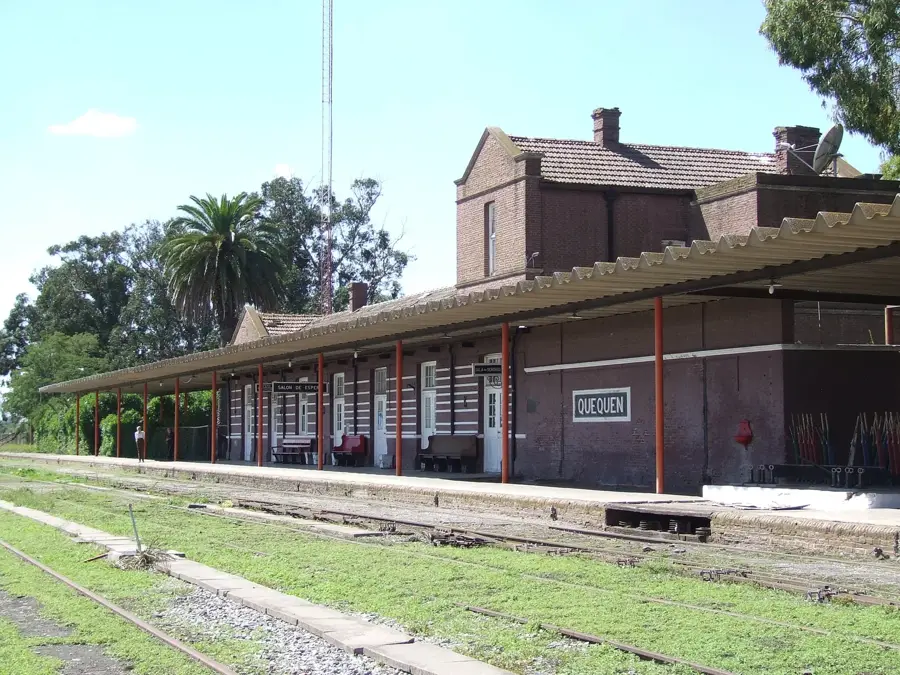
Cartel de Quequén📍 landmark

A large welcoming sign that serves as a popular photo spot for visitors.

Faro Quequen📍 landmark

A prominent coastal lighthouse guiding maritime traffic near the port area.

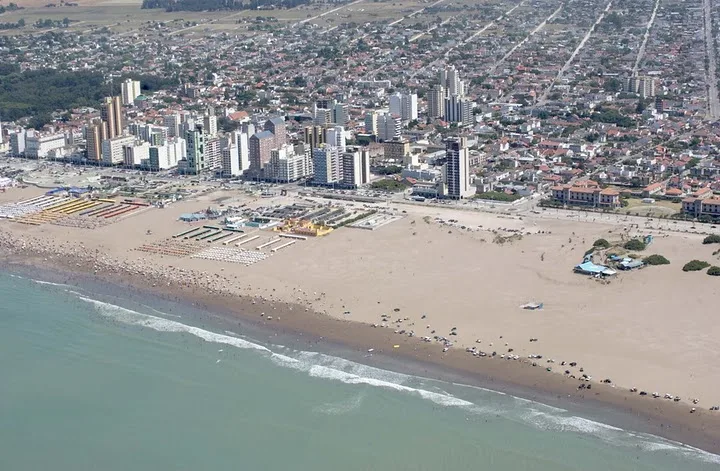
Playa Quequén🎡 recreation

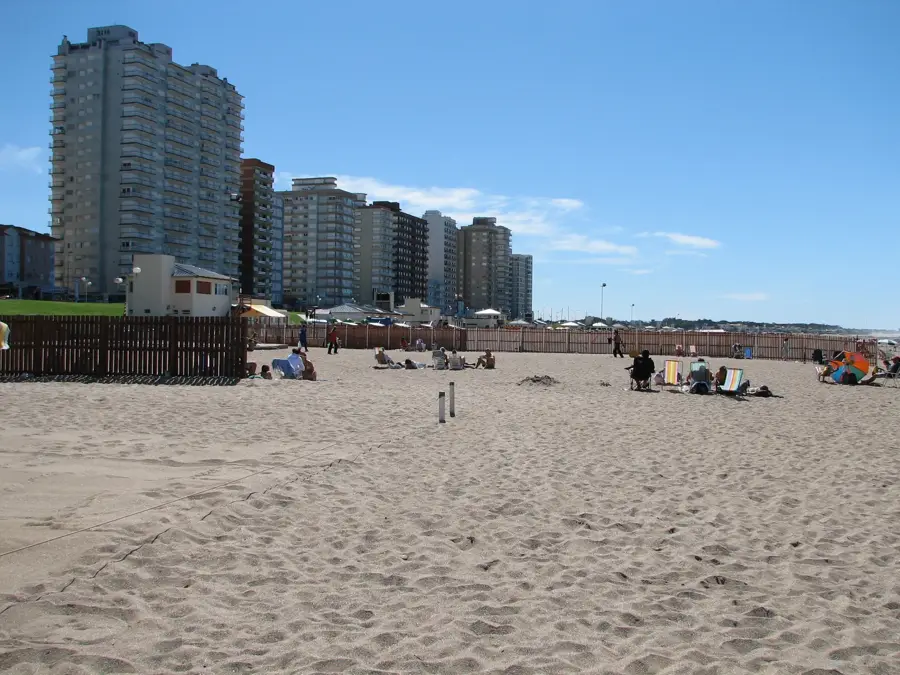
A wide sandy beach offering scenic ocean views and space for seaside relaxation.

Monte Pasubio - freewaves.live🎡 recreation

A popular sandy coastal stretch known among locals for its pleasant sea breeze.

Puente Ezcurra📍 landmark

A historical bridge structure traversing the local waterway.

La Virazón🎡 recreation

A relaxing seaside resort offering direct beach access and comfortable amenities.

💶

Capilla⛪ religious

A small local chapel providing a quiet space for prayer and reflection.

Santa Marta🎭 culture

A local marketplace where vendors offer fresh goods and daily necessities.

Sights nearby

Frequently asked questions

What is the Port of Quequén?
It is an export port on the Atlantic coast, especially for grains and agricultural goods. It supports the economy of Necochea and the region.
Can you visit the Port of Quequén?
Partly, but it remains a working area. Visitors enjoy the coast and viewpoints more than the inner port zones.
What is Quequén known for?
It is known for grain exports and its coastal location next to Necochea. The port is closely tied to the Pampas agricultural economy.
When is the best time to visit?
In good weather and during the day, since wind and sea conditions can change. For the coast, morning and late afternoon are often pleasant.
What is near the Port of Quequén?
Necochea's beaches, coastal cliffs, and the town of Quequén are nearby. That makes the area attractive for short coastal visits.
Port of Quequén: where is it located?
Port of Quequén is located in Argentina.
Port of Quequén: what is there to see?
Highlights include Paraje Divino, Mirador Pinocho, Cartel de Quequén.
Port of Quequén: when is the best time to visit?
The most pleasant time to visit is Jan, Feb, Dec.
Port of Quequén: why is it worth visiting?
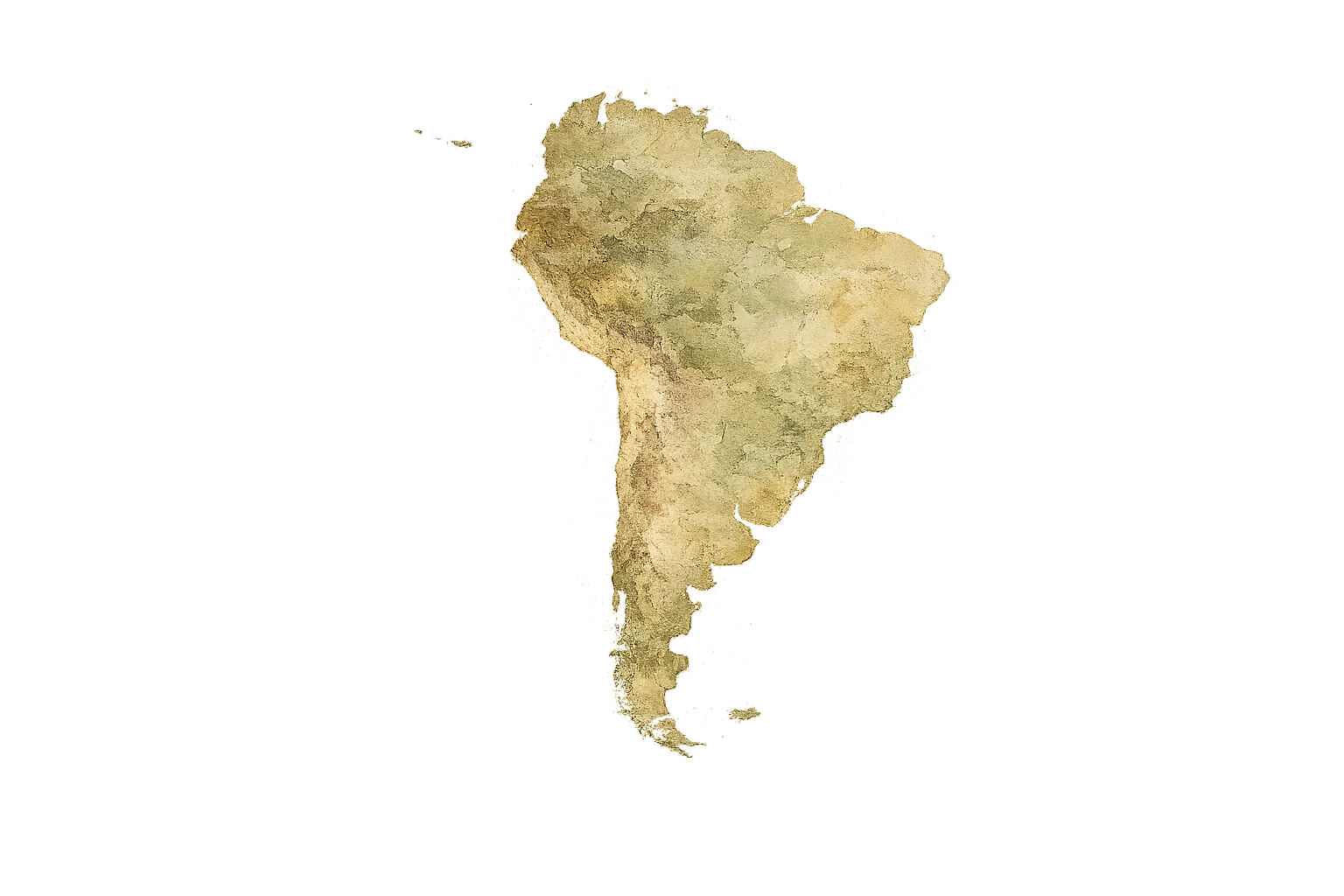
The Port of Quequén, located at the mouth of the Quequén Grande River in Buenos Aires Province, is one of Argentina's most efficient and productive grain ports.
View on map → The Top 50 Attractions → OpenStreetMap →
South America
Explore with Plizio Discover more places in South America
More places in Argentina →

History & landmarks

More places