Plizio Visual Lab

Tandilia System
Plizio editorial teamData Sources
Relief
—°11
Tandilia System (Argentina)

Weather…

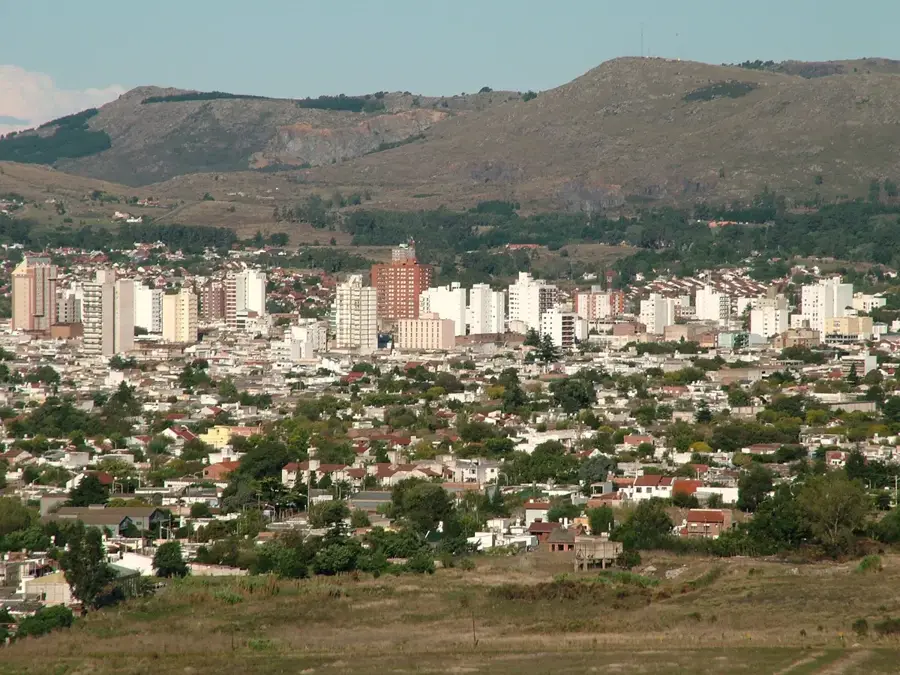
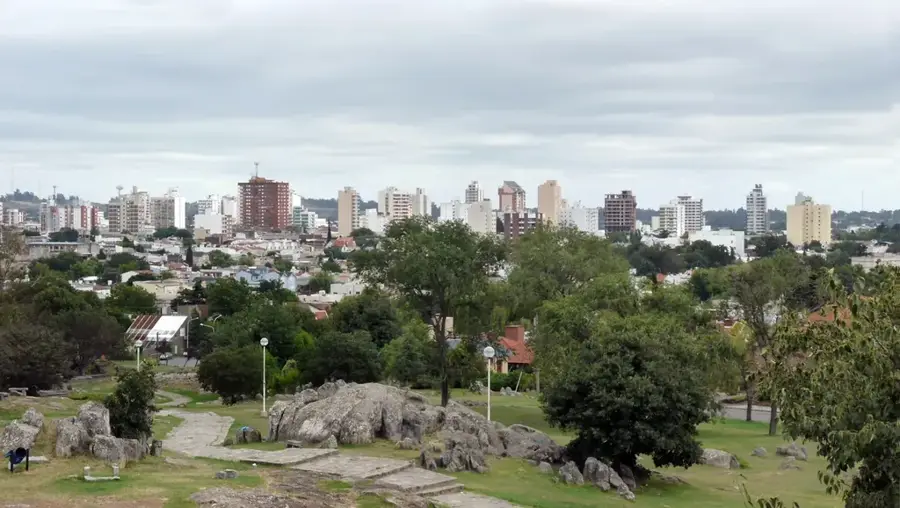
The Tandilia System is an ancient mountain formation that runs diagonally through the center of the province of Buenos Aires, from the city of Olavarría to Mar del Plata. These mountains are among the oldest on the planet, with rocks dating back over 2 billion years. The relief is characterized by low hills with smooth, rounded shapes, alternating with areas of stone quarries important to the national economy. The city of Tandil is the heart of this system, renowned for the beauty of its miniature mountain landscape and its natural parks. Tandilia provides a distinct visual contrast to the surrounding steppe and is a key point for understanding the early geology of the South American continent, while also offering numerous opportunities for rural and adventure tourism.

Best time to visit & climate

The most pleasant time to visit is Jan, Feb, Dec.

JanFebMarAprMayJunJulAugSepOctNovDec
Avg °C222118141076810131720
Rain mm9610192945949536664849677

📋 Practical info

🧭
Getting there
The Tandilia System is highly accessible via major provincial highways in Buenos Aires Province, with popular entry points located near cities like Tandil and Balcarce.
📅
Best season
Spring and autumn provide the best conditions for outdoor activities, offering mild temperatures handy for hiking without the intense heat of the Argentine summer.
⛰️
Terrain & paths
The area consists of undulating hills, weathered granite outcrops, and well-marked grassy trails that range from easy walks to moderate climbs over rocky surfaces.
🎒
What to bring
Comfortable hiking boots with good grip, layers of breathable clothing, a sun hat, and sufficient drinking water are recommended for exploring the hill trails safely.
🅿️
Parking
Ample parking is generally available at designated trailheads, local nature reserves, and nearby tourist accommodations within the towns surrounding the hills.
⚠️
Safety
Hikers should stay on marked paths to protect the ancient geological formations and watch their step on loose rocks, particularly after rain when surfaces become slippery.
⏱️
Time needed
Visits can easily vary from a brief 2-hour hike to a prominent viewpoint, up to a full weekend exploring multiple hill sections and nearby regional towns.

Geography

Coordinates
-37.31670, -59.13330

Facts

  • One of the oldest mountain ranges in the world (2.2 billion years).
  • The highest point is Cerro La Juanita, at 524 meters.
  • The system has a total length of about 350 kilometers.
  • The predominant rocks are granite and quartzite.
  • It is home to the most important stone quarries in the country.
  • Includes the famous 'Piedra Movediza' rock in Tandil.
  • The hills act as natural freshwater reservoirs for the region.

Explore nearby

Notable places around
Route planner — Car & Motorhome

Where do you start? We build the route here, with stops and country notes along the way.

Vehicle
Only stops with (optional):

© OpenStreetMap contributors · OpenRouteService

Sights in the town Tandilia System (11)

Monte Calvario📍 landmark

This important pilgrimage site features a stone Way of the Cross that winds up a hill amidst eucalyptus and pine trees.

Réplica de la Piedra Movediza📍 landmark

This impressive replica commemorates the famous moving stone of Tandil that fell in 1912, and it once again sits atop the original mountain peak.

Cerro El Centinela🌿 nature

The distinctive granite peak proudly rises above the pampas and is known for a curiously balancing, vertical rock on its slope.

Casa de la Historia y la Cultura del Bicentenario🏛 museum

This modern cultural center is dedicated to preserving and exhibiting the local history of Tandil through rotating art and photography exhibitions.

Museo de Arte Religioso🏛 museum

The museum of sacred art presents in its display cases antique vestments, crucifixes, and religious paintings from the history of local dioceses.

Granero 66🏛 museum

This original technology and transport museum is housed in an old barn and exhibits nostalgic agricultural machinery and tools.

Cuna de la Aviacion🏺 historical

The monument celebrates Argentine aviation history and stands symbolically at a site closely linked to the early aviation pioneers of the region.

Monumento al Gaucho🏺 historical

This bronze equestrian statue embodies the spirit of the South American gaucho and celebrates the traditional equestrian and cattle culture of the Argentine pampas.

Denominación de Origen Tandil🏺 historical

This striking landmark celebrates the regional gastronomic identity of Tandil, which is known nationwide especially for its excellent cold cuts and artisanal cheeses.

Teatro de la Confraternidad Ferroviaria🎭 culture

Built by the railway workers' brotherhood, this historic theatre continues to host regional dramatic performances and cultural events.

Incubadora de Arte🎭 culture

Set in a repurposed building, this arts incubator provides collaborative studio spaces and galleries for emerging local artists.

Sights nearby

Frequently asked questions

What characterizes the Sistema de Tandilia?
It is a very old, gentle hill range, well-suited for relaxation.
Are there good hiking routes there?
Yes, especially around Tandil there are excellent routes.
What to eat in Tandil?
Tandil is famous for its excellent salami and cheese specialties.
Is it family-friendly?
Very, the hills are easy to climb and first-rate for kids.
Best time to travel?
Nice all year round, but spring is when the region blooms most beautifully.
Tandilia System: where is it located?
Tandilia System is located in Argentina.
Tandilia System: what is there to see?
Highlights include Monte Calvario, Réplica de la Piedra Movediza, Cerro El Centinela.
Tandilia System: when is the best time to visit?
The most pleasant time to visit is Jan, Feb, Dec.
Tandilia System: why is it worth visiting?
The Tandilia System is an ancient mountain formation that runs diagonally through the center of the province of Buenos Aires, from the city of Olavarría to Mar del Plata.
View on map → The Top 50 Attractions → OpenStreetMap →
South America
Explore with Plizio Discover more places in South America
More places in Argentina →

History & landmarks

More places