Plizio Visual Lab
Ruins of Tolombón
Weather…
Water temperature…
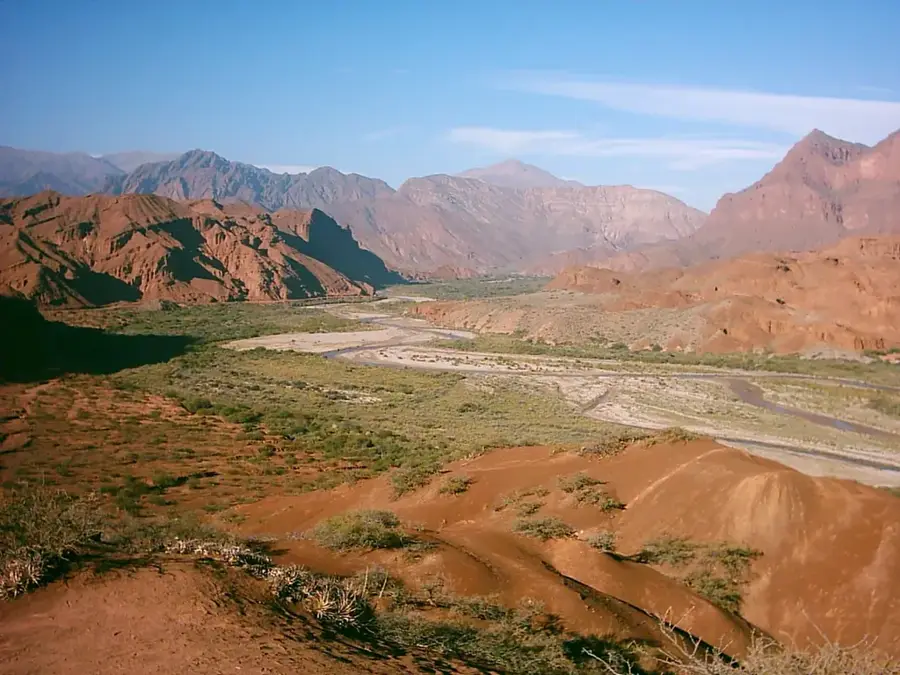
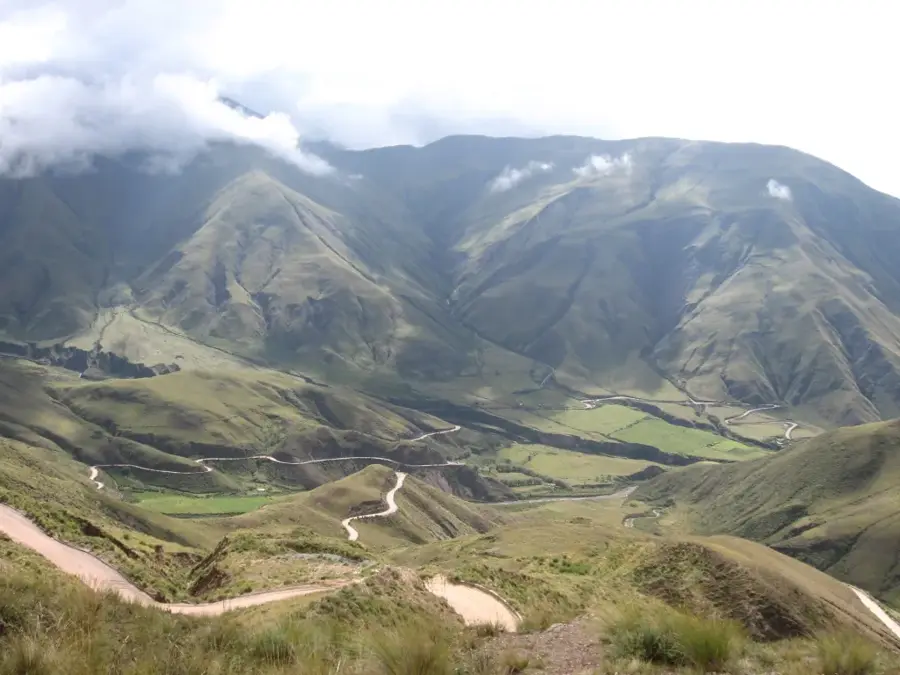
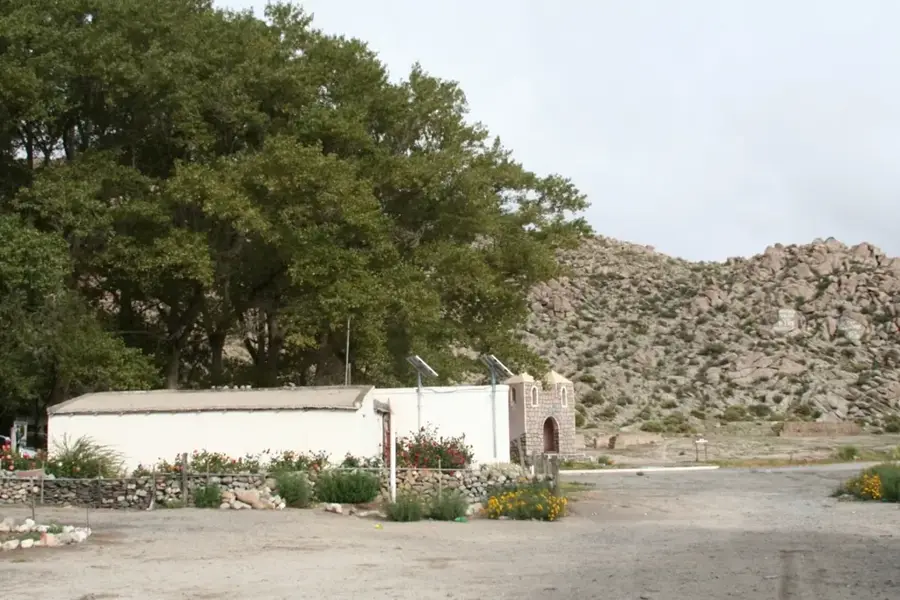
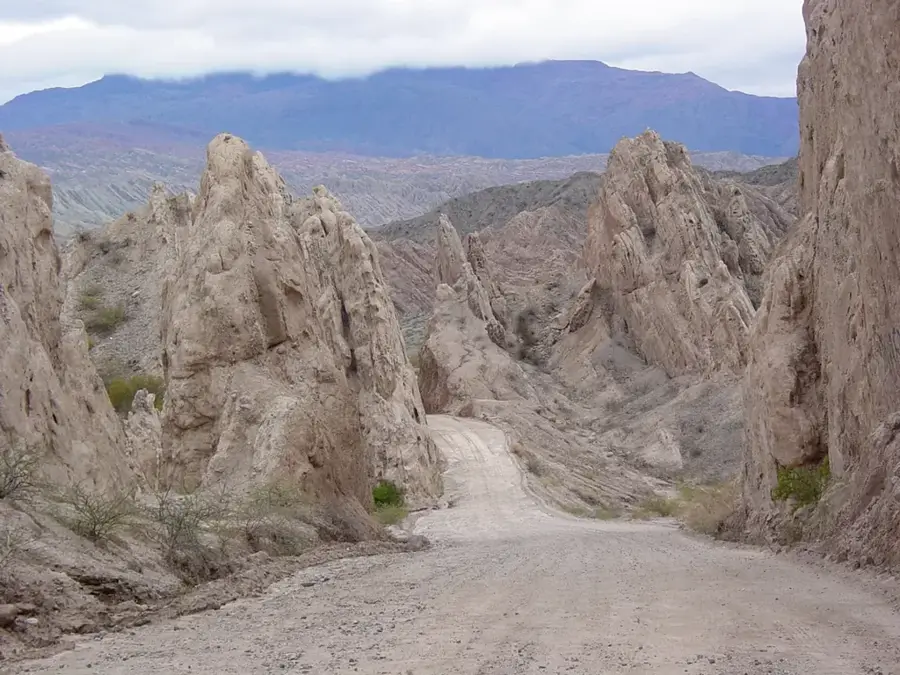
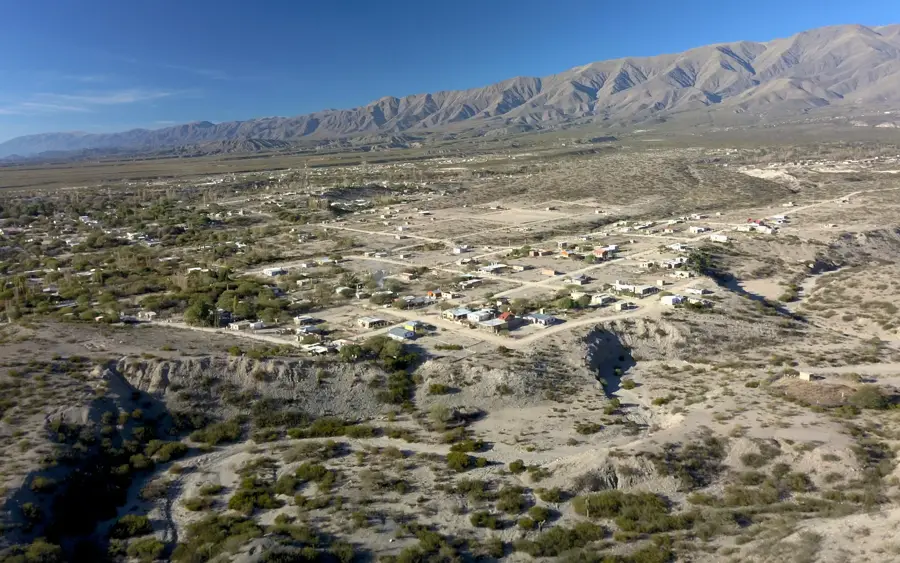
The Ruins of Tolombón are located in the Salta province, in the heart of the Calchaquí Valleys, and once served as the capital of the Diaguita Confederation. This archaeological site was a major political and religious center, sprawling across the mountain slopes and featuring complex defensive structures and residential areas. During the Spanish conquest in the 16th and 17th centuries, Tolombón was the epicenter of indigenous resistance against the invaders, led by chiefs such as Juan Calchaquí. The architecture is characterized by dry-stone masonry, which still defines the outlines of terraces, silos, and assembly squares today. Its strategic location provided a commanding view over the valley, which was crucial for defending against enemy attacks. Although the city was eventually destroyed by the Spanish in 1660, the remains bear witness to the sophisticated social organization of the local cultures. Today, the site stands as a vital testament to the region's pre-Columbian heritage and the bravery of its original inhabitants.
- Location: Argentina
- Nearby: Andalgalá (74 km)
Best time to visit & climate
The most pleasant time to visit is Sep–Nov.
| Jan | Feb | Mar | Apr | May | Jun | Jul | Aug | Sep | Oct | Nov | Dec | |
|---|---|---|---|---|---|---|---|---|---|---|---|---|
| Avg °C | 11 | 11 | 10 | 7 | 4 | 3 | 3 | 4 | 6 | 9 | 10 | 11 |
| Rain mm | 198 | 166 | 123 | 66 | 19 | 12 | 3 | 4 | 8 | 36 | 83 | 152 |
📋 Practical info
Geography
Facts
- Culture: Diaguita (Calchaquí people)
- Function: Capital of the indigenous confederation
- Historical role: Center of resistance (1560–1660)
- Location: Calchaquí Valleys, Salta province
- Architecture: Terraced masonry and defensive works
- Destruction: Fallen to Spanish forces in 1660
Explore nearby
Notable places around

Route planner — Car & Motorhome
Where do you start? We build the route here, with stops and country notes along the way.
© OpenStreetMap contributors · OpenRouteService
Sights nearby
Frequently asked questions
How do you get to the Ruins of Tolombón?
How much time do you need for the visit?
Do you need good shoes?
Is the site photogenic?
Is it family-friendly?
Ruins of Tolombón: where is it located?
Ruins of Tolombón: when is the best time to visit?
Ruins of Tolombón: why is it worth visiting?
History & landmarks
More places