Plizio Visual Lab

Uíge Hills
Plizio editorial teamData Sources
Relief
—°
Uíge Hills (Angola)

Weather…

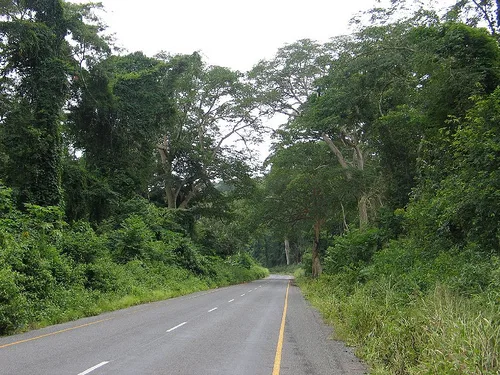
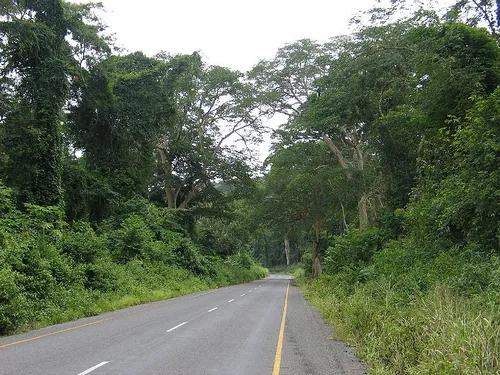
The Uíge Hills represent a crucial relief system in northern Angola, renowned for their fertile soils and humid tropical climate. This hilly landscape is situated at an average altitude of approximately 800 to 1300 meters, forming part of the northern edge of the Angolan central plateau. Geologically, the area is marked by metamorphic rocks that, through millions of years of intense weathering, have produced nutrient-rich lateritic soils. Historically, Uíge was the epicenter of Angolan coffee production, especially during the colonial era of the 20th century, when Angola was one of the world's leading exporters. The topography favors the cultivation of Robusta coffee in lower elevations and Arabica in the higher reaches of the hills. The region is also hydrographically significant, as numerous tributaries of the Cuanza and Zaire rivers originate here. Despite the challenges of the civil war, the region is currently experiencing an agricultural renaissance and remains an ecologically valuable area with remnants of tropical rainforest.

Best time to visit & climate

The most pleasant time to visit is Jun–Aug.

JanFebMarAprMayJunJulAugSepOctNovDec
Avg °C232323232322222324242322
Rain mm14814418217875721554141218186

📋 Practical info

🧭
Getting there
Accessing this rolling landscape usually involves navigating a network of regional dirt roads extending outward from the provincial capital. Standard public transport is highly irregular, making a robust private vehicle the only truly reliable means of reaching the area.
📅
Best season
The lengthy dry season, typically running from May through September, definitively provides the best accessibility and pleasant outdoor conditions. Once the heavy rains commence, the unpaved rural tracks rapidly transform into completely unmanageable mudtraps.
⛰️
Terrain & paths
The environment features a widespread series of undulating green hills largely interspersed with patches of natural vegetation and small local farms. Hiking involves navigating varied but generally moderate slopes, mostly utilizing unofficial, well-worn local footpaths.
🎒
What to bring
Comfortable, broken-in walking shoes are completely sufficient for exploring the more accessible, gentler slopes of the region. Visitors should also diligently carry substantial sun protection and ensure they pack enough hydration for hours spent entirely outdoors.
🅿️
Parking
Dedicated, paved parking infrastructure is fundamentally non-existent in this widespread rural expanse. Therefore, finding a safe spot typically relies on politely requesting permission from residents in the scattered local villages to leave vehicles securely nearby.
⚠️
Safety
While the terrain itself is relatively forgiving, navigating the confusing maze of local trails without a knowledgeable guide can easily lead to disorientation. Maintaining basic situational awareness in remote areas is always considered a prudent travel practice.
⏱️
Time needed
A highly relaxed half-day excursion is generally ample time to soak in the expansive panoramic views and thoroughly experience the local atmosphere. Extended hikes deeper into the hills can easily be arranged to span a comprehensive full day of exploration.

Geography

Coordinates
-7.00000, 15.00000

Facts

  • The highest elevation in the Uíge Hills reaches approximately 1350 meters.
  • The region records annual rainfall between 1200 and 1500 mm.
  • In the 1970s, this area produced over 200,000 tons of coffee per year.
  • The bedrock belongs mostly to the Neoproterozoic West Congo Supergroup.
  • The average temperature is constant throughout the year at about 22-24 degrees Celsius.
  • The city of Uíge, capital of the province, is nestled within these hills.

Explore nearby

Notable places around
Route planner — Car & Motorhome

Where do you start? We build the route here, with stops and country notes along the way.

Vehicle
Only stops with (optional):

© OpenStreetMap contributors · OpenRouteService

Sights nearby

Frequently asked questions

What are the Uíge hills like?
Green, hilly, and often pleasantly cool compared with lower areas. They feel more peaceful than dramatic.
When is the best time to visit the hills?
The dry season is most pleasant because trails are firmer. Morning hours are best for clear long-distance views.
Is the region suitable for family trips?
Yes, if you plan short, relaxed stops. Easy walks and picnic spots fit well.
Are there local markets there?
In larger towns, usually yes. You often find fresh produce and a good glimpse of daily life there.
Is it photogenic?
Yes, especially with mist, light edges, and hilly silhouettes. The landscape is calm but very atmospheric.
Uíge Hills: where is it located?
Uíge Hills is located in Angola.
Uíge Hills: when is the best time to visit?
The most pleasant time to visit is Jun, Aug.
Uíge Hills: why is it worth visiting?

The Uíge Hills represent a crucial relief system in northern Angola, renowned for their fertile soils and humid tropical climate.
View on map → The Top 50 Attractions → OpenStreetMap →
Africa
Explore with Plizio Discover more places in Africa
More places in Angola →

Nearby cities

Nature

More places