Plizio Visual Lab
M'banza-Kongo
ℹ️Practical info — M'banza-Kongo
▾
🌤 Weather — 5 days
📍 Nearby
Sights nearby
💡 Tips
- M'banza-Kongo is the historical capital of the Kingdom of Kongo; start your visit at the Kulumbimbi ruins (the first cathedral).
- The dry season (May to September) is the most comfortable time to explore the archaeological sites.
- For local transport, look for 'candongueiros' (shared minibuses), but agree on the destination before boarding.
- Dress modestly and show respect when visiting the royal cemetery and sacred trees.
🍽 Food
Chicken stew cooked with palm oil, typically served with funge. Find it in local eateries near the center.
The staple cassava flour porridge, essential to any traditional meal.
Salted dried fish, often prepared with a rich tomato and onion sauce.
🛍 Shopping · 🧘 Quiet spots
The main hub for local produce and everyday goods.
Look for traditional wooden carvings and local fabrics around the town center.
The ancient sacred tree where Kongo kings once held court, offering a peaceful, historical atmosphere.
A quiet, solemn resting place of the former monarchs.
Water temperature…
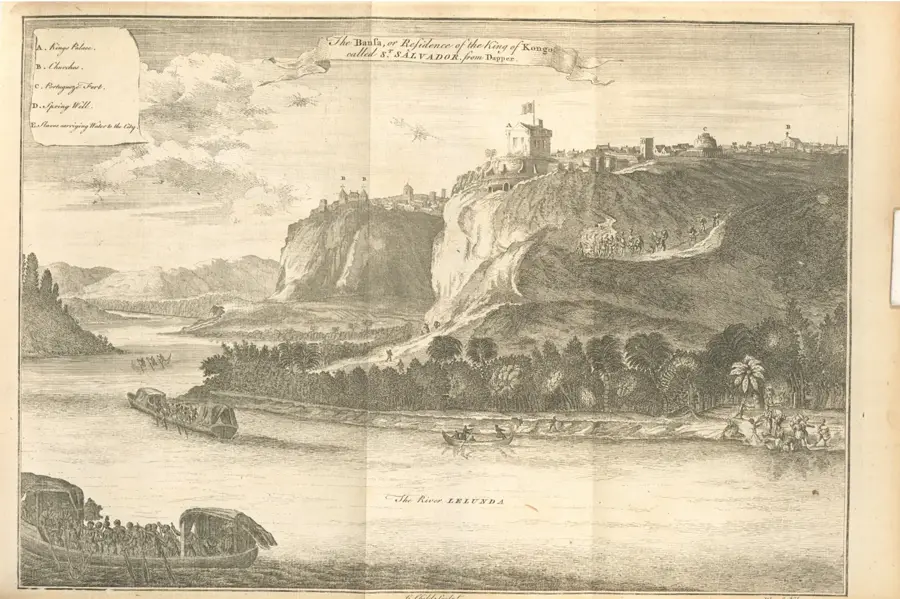
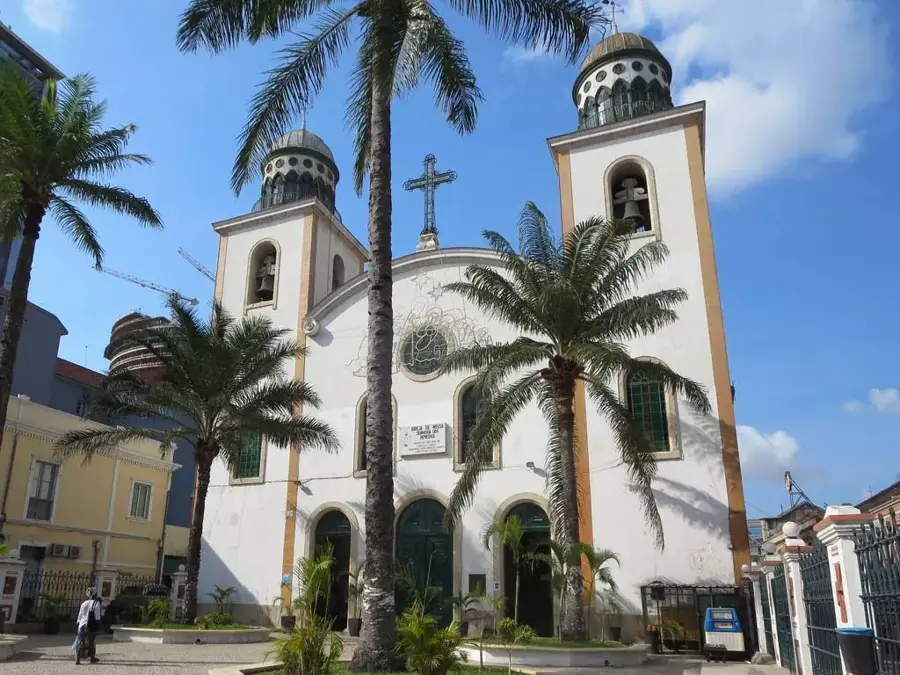
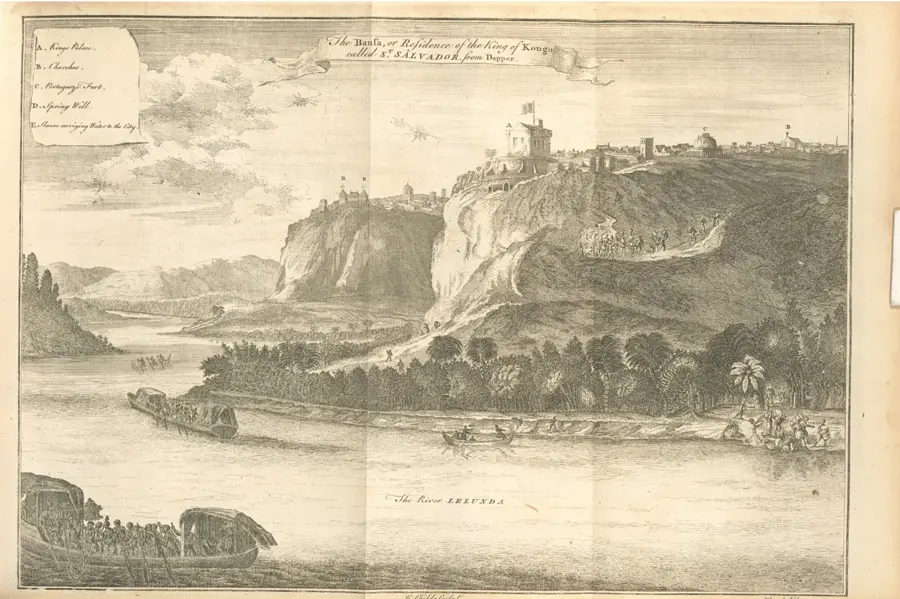
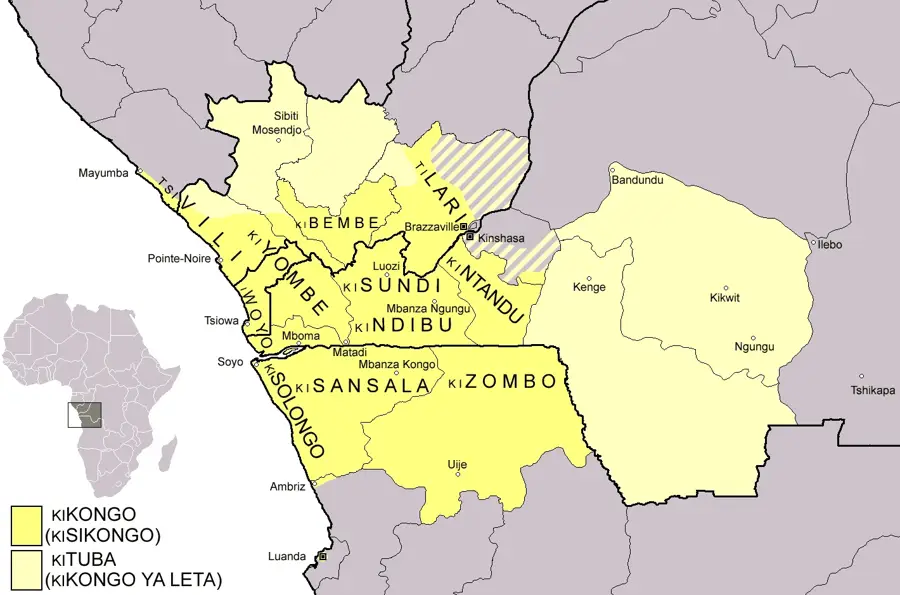
M'banza-Kongo, the capital of Zaire Province in northern Angola, is one of the most significant historical landmarks in Africa. Founded in the 14th century, it served as the political and spiritual capital of the Kingdom of Kongo, an expansive empire that exerted influence over much of West-Central Africa for centuries. Perched on a 570-meter-high plateau, the city was the seat of the Manikongo (the King) and a major center for trade and diplomacy. In 2017, M'banza-Kongo was inscribed as a UNESCO World Heritage Site, recognizing its unique role as a center of cultural transformation and its archaeological significance. The city’s most famous ruin is the Kulumbimbi, the remains of the Cathedral of the Holy Savior of Congo, built in the late 15th century, which is regarded as the oldest church building in sub-Saharan Africa. During the colonial period, the city was renamed São Salvador, but it regained its original name, meaning 'Court of Congo', after independence. The layout of the city reflects a blend of traditional African urbanism and Portuguese colonial planning, featuring large plazas and royal enclosures known as Lumbu. Culturally, M'banza-Kongo remains the heartland of the Kikongo-speaking Bakongo people, whose traditions continue to shape the social and spiritual life of the region. Economically, the city functions as a vital link for cross-border commerce with the Democratic Republic of Congo and is a growing destination for cultural tourism. The climate is tropical and humid, supporting lush vegetation in the surrounding valleys. Modern M'banza-Kongo is undergoing a transformation, with efforts to preserve its vast archaeological sites while developing the infrastructure necessary for its role as a provincial capital. It stands as a powerful symbol of African resilience and pre-colonial sophistication, offering a profound connection to the continent's imperial past.
- Location: Angola
- Top sights: Cathedral of the Holy Saviour of Congo · Museum dos Reis do Kongo
- Population: ~148.000 (2026)
Best time to visit & climate
The most pleasant time to visit is Jun–Aug.
| Jan | Feb | Mar | Apr | May | Jun | Jul | Aug | Sep | Oct | Nov | Dec | |
|---|---|---|---|---|---|---|---|---|---|---|---|---|
| Avg °C | 26 | 26 | 26 | 26 | 25 | 24 | 24 | 24 | 26 | 26 | 25 | 25 |
| Rain mm | 103 | 107 | 159 | 163 | 90 | 5 | 0 | 7 | 25 | 96 | 151 | 138 |
Geography
Facts
- M'banza-Kongo was inscribed as a UNESCO World Heritage Site in 2017.
- It was the capital of the Kingdom of Kongo from the 14th to the 19th century.
- The ruins of the Cathedral of the Holy Savior date back to 1549.
- The city's name translates to 'City of Congo' in the local Kikongo language.
- The city is situated on a plateau at an elevation of 570 meters.
- It served as a major diplomatic hub between Africa and Europe in the 1500s.
- The King's Museum (Museu dos Reis do Congo) is located in the city center.
- M'banza-Kongo is the capital of the oil-rich Zaire Province.
Explore nearby
Notable places around


Route planner — Car & Motorhome
Where do you start? We build the route here, with stops and country notes along the way.
© OpenStreetMap contributors · OpenRouteService
Sights in the town M'banza-Kongo (2)
Frequently asked questions
How many days should you spend in M'banza-Kongo?
When is the best time to visit?
What is the town known for?
Can you see the main sites on foot?
Is M'banza-Kongo family-friendly?
M'banza-Kongo: where is it located?
M'banza-Kongo: what is there to see?
M'banza-Kongo: when is the best time to visit?
M'banza-Kongo: why is it worth visiting?

Nearby cities
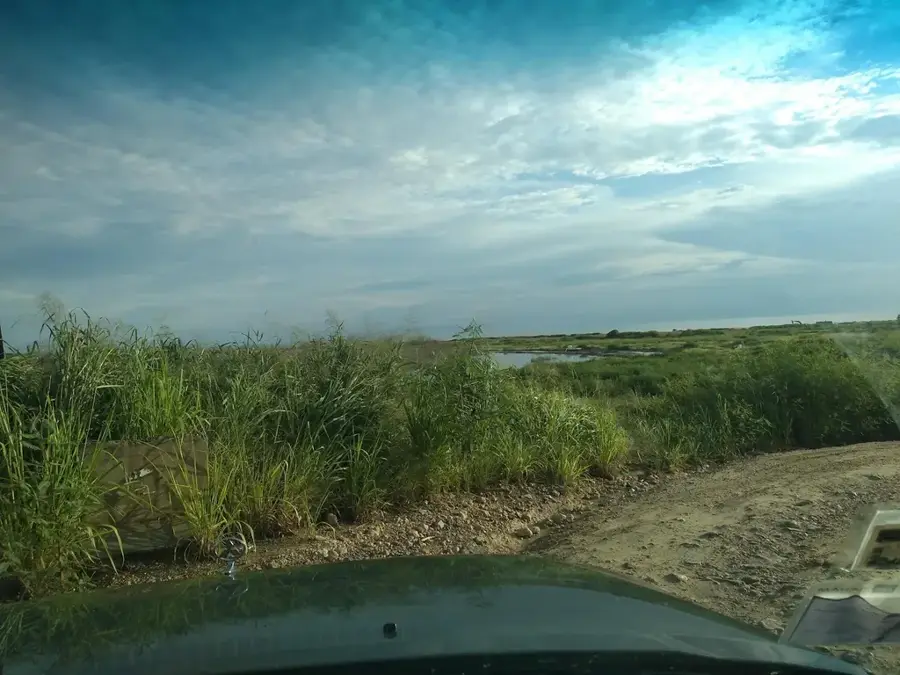
History & landmarks
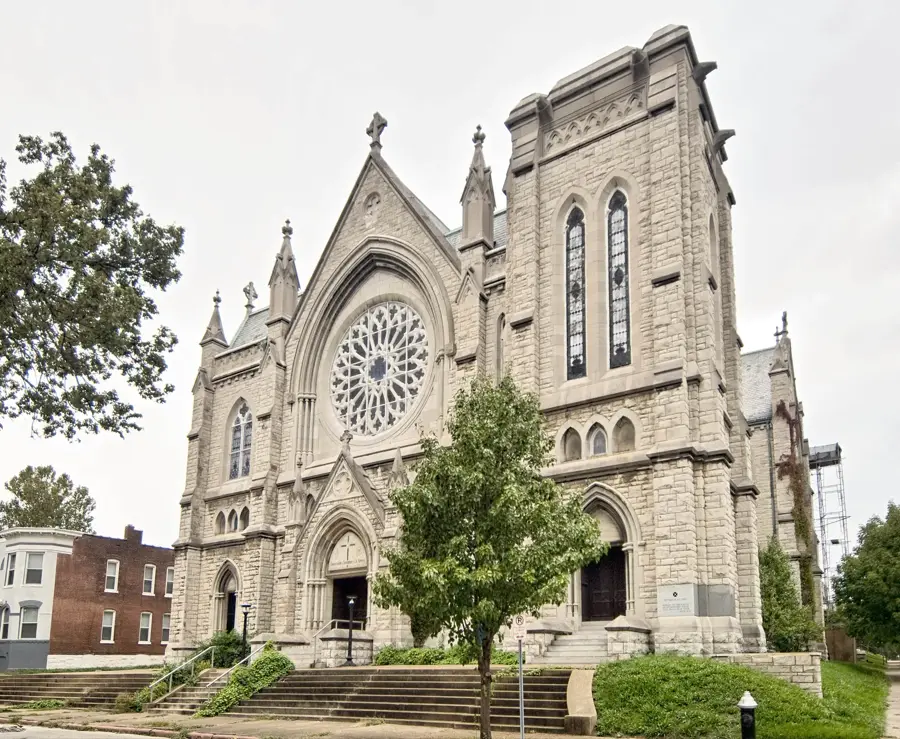
Nature
More places