Plizio Visual Lab
Dundo
ℹ️Practical info — Dundo
▾
🌤 Weather — 5 days
📍 Nearby
Sights nearby
💡 Tips
- As Dundo is a diamond mining center, always carry your passport and visa; there are checkpoints outside the city.
- Anti-malarial precautions are essential; use nets, repellents, and consult a doctor before traveling.
- The local currency is the Kwanza; card payments are rare, so carry enough cash for daily expenses.
- Learning a few basic words in Chokwe, alongside Portuguese, will greatly endear you to the locals.
🍽 Food
The traditional cassava flour porridge, usually eaten by hand with a hearty sauce, found in local neighborhood eateries.
Chicken stew cooked with palm oil, often served with funge at traditional Angolan restaurants.
Freshly caught from the Luachimo River and grilled, available at local markets.
🛍 Shopping · 🧘 Quiet spots
Bustling outdoor areas where you can buy fresh produce, spices, and colorful African wax prints.
Look for Chokwe artisanal woodwork; inquire near the Dundo Museum or local craft stalls.
The area around the ethnographic museum is quiet and shaded, offering a peaceful cultural pause.
Find a calm spot slightly away from the center to watch the flowing water and local nature.
Water temperature…
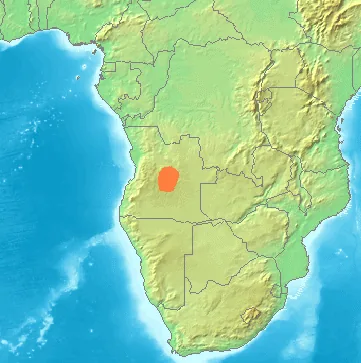
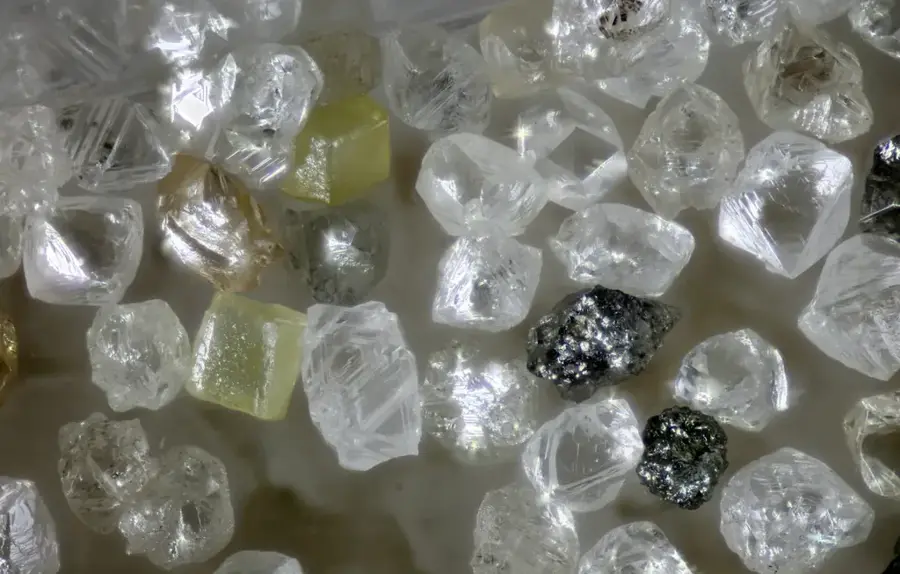
Dundo is the capital of Lunda Norte Province, located in the northeastern corner of Angola, near the border with the Democratic Republic of the Congo. The city's history is fundamentally intertwined with the discovery of diamonds in the early 20th century, which led to its founding in 1921 by the Portuguese diamond company, Diamang. Originally built as a planned company town, Dundo features a distinct colonial urban layout that separates the historic residential quarters from the industrial zones. Today, it has grown far beyond its corporate origins, especially since becoming the provincial capital in 2000, replacing the city of Lucapa. This administrative shift triggered a massive wave of public investment, resulting in the development of 'Centralidade do Dundo,' a modern housing complex that provides thousands of apartments and updated infrastructure for the growing population. A major point of interest is the Dundo Museum, one of the most significant ethnographic institutions in Africa. Founded in 1936, it preserves the rich cultural heritage of the Chokwe and Lunda people, showcasing world-class collections of traditional carvings, masks, and historical documents. Economically, while diamond mining remains the dominant sector, the city is also focusing on regional trade and agriculture. The surrounding landscape is characterized by the Luachimo River, which provides hydroelectric power through local dams, and the lush tropical vegetation of the Cuango basin. The climate is tropical, with high rainfall supporting a variety of local crops such as cassava and maize. Dundo serves as an educational hub for the region, hosting faculties of the Lueji A'Nkonde University, which attracts students from across northeastern Angola. As it continues to modernize, Dundo faces the challenge of integrating its mining legacy with a sustainable future, yet it remains a key driver of economic prosperity and cultural preservation in the Angolan hinterland.
- Location: Angola
- Population: ~177.604 (2026)
Best time to visit & climate
The most pleasant time to visit is May–Jul.
| Jan | Feb | Mar | Apr | May | Jun | Jul | Aug | Sep | Oct | Nov | Dec | |
|---|---|---|---|---|---|---|---|---|---|---|---|---|
| Avg °C | 24 | 25 | 25 | 25 | 25 | 24 | 25 | 27 | 26 | 25 | 24 | 24 |
| Rain mm | 134 | 132 | 158 | 105 | 24 | 5 | 3 | 23 | 84 | 137 | 188 | 167 |
Geography
Facts
- Dundo's urban plan was inspired by European 'garden city' concepts.
- The city became the seat of Lunda Norte's government in July 2000.
- It hosts the prestigious Dundo Ethnographic Museum.
- The Cuango Basin nearby is world-famous for alluvial diamonds.
- Dundo Airport features a 2,500-meter asphalt runway.
- The Luachimo River is a major tributary of the Kasai River.
- Average annual rainfall in Dundo exceeds 1,400 mm.
- The city is a center for Lunda-Chokwe linguistic research.
Explore nearby
Notable places around



Route planner — Car & Motorhome
Where do you start? We build the route here, with stops and country notes along the way.
© OpenStreetMap contributors · OpenRouteService
Sights in the town Dundo (1)
Frequently asked questions
How much time should you plan for Dundo?
When is the best time to travel there?
What is Dundo known for?
Is the town family-friendly?
How do you get there?
Dundo: where is it located?
Dundo: when is the best time to visit?
Dundo: why is it worth visiting?

Nearby cities
Nature
More places