Plizio Visual Lab
Sumbe
ℹ️Practical info — Sumbe
▾
🌤 Weather — 5 days
📍 Nearby
Sights nearby
💡 Tips
- Transport: Taxis and local "candongueiros" (minibuses) are common, but negotiate the price before getting in.
- Weather: Visit the coastal areas early in the morning or late afternoon to avoid the intense midday heat.
- Cash: Cash is king here, ensure you have enough Kwanzas as ATMs may not always work reliably.
- Etiquette: Greetings are important. Always say "Bom dia" or "Boa tarde" when entering a shop.
🍽 Food
Traditional fish stew, best tried in local restaurants near the waterfront.
Grilled fish with beans and plantain, a typical dish in coastal eateries.
The classic cassava flour side dish, served in almost every traditional restaurant.
🛍 Shopping · 🧘 Quiet spots
The hub for fresh fruits, vegetables, and daily goods.
Look for local artisans selling wood carvings near the main square.
The beachfront promenade is relatively quiet in the evenings for a stroll.
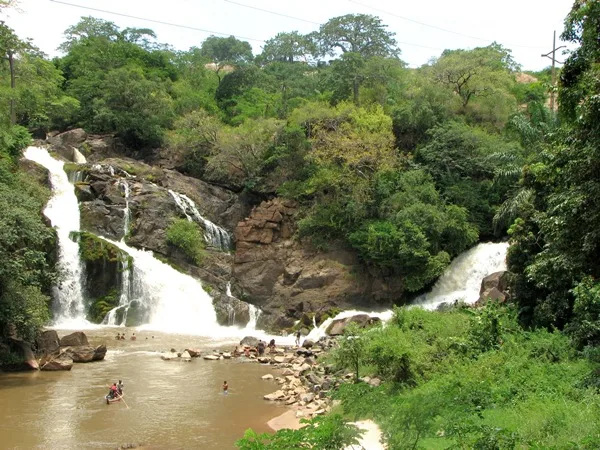
The Binga Waterfalls are slightly outside the city, offering a peaceful nature escape.
Water temperature…
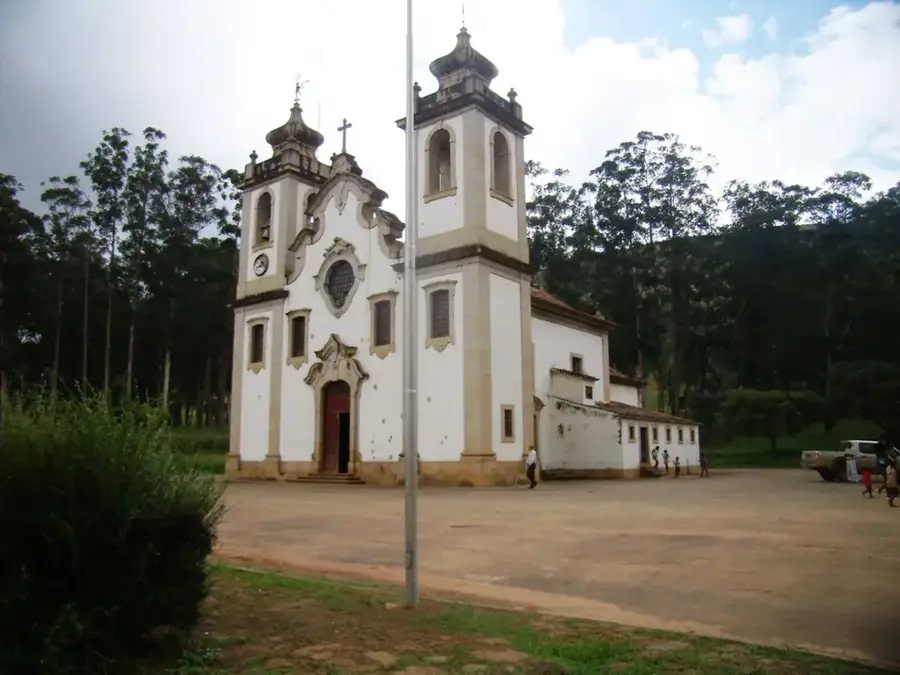
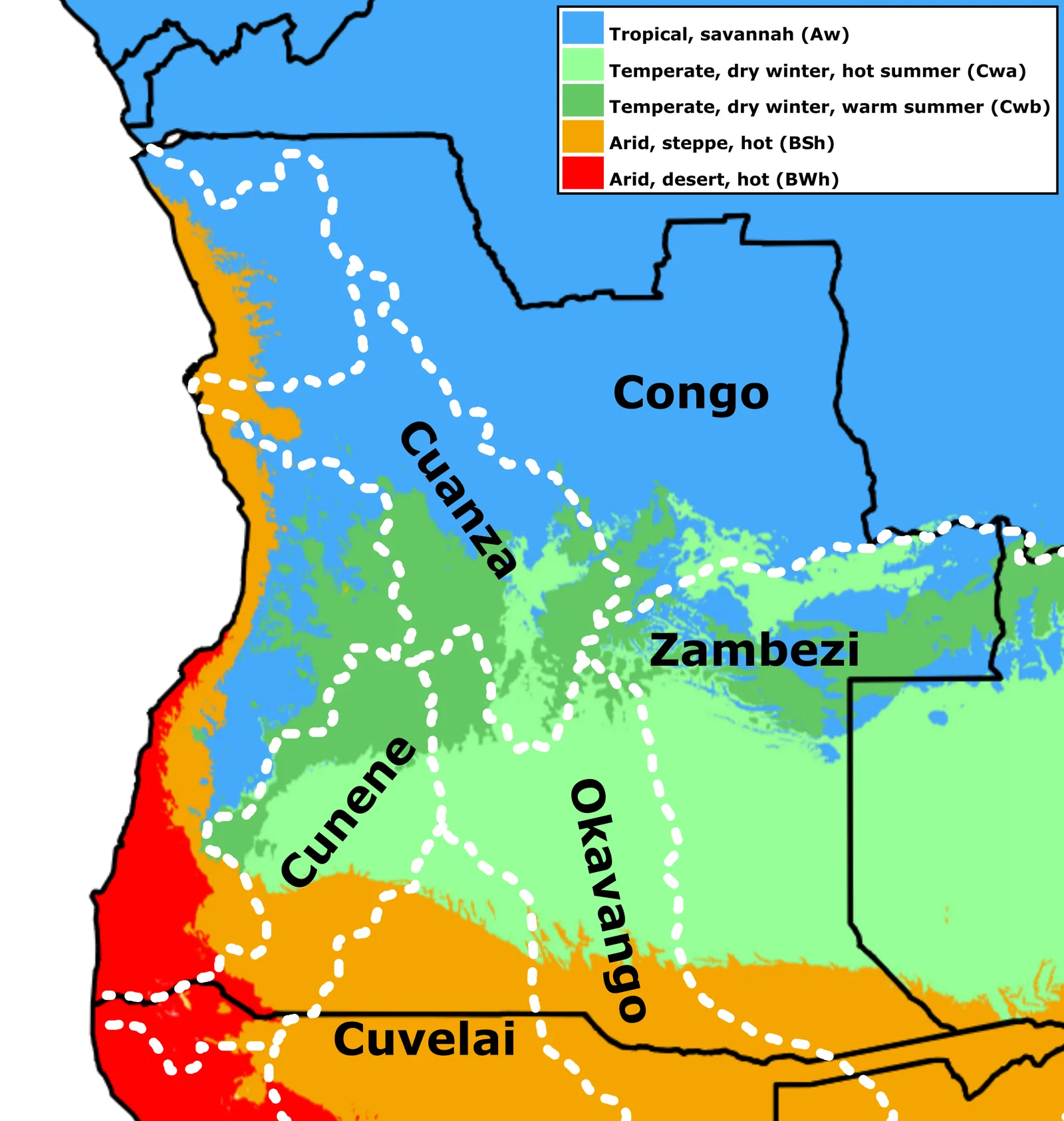
Sumbe, the coastal capital of Cuanza Sul Province in Angola, is a city of striking natural contrasts and significant historical importance. Established in 1769 as Novo Redondo, the city was built on a series of cliffs overlooking the Atlantic Ocean, a position that provided strategic defense for the Portuguese colonial administration. The city’s name was changed to Sumbe in 1975, reflecting its pre-colonial roots. Geographically, Sumbe is situated at the mouth of the Cambongo River, which carves a green valley through the otherwise arid coastal landscape. The city’s economy is deeply tied to the sea, with the fishing port serving as a primary source of livelihood and the region being a major producer of salt. As the administrative heart of Cuanza Sul, it also serves as a commercial gateway for the agricultural products of the interior highlands, including coffee, cotton, and palm oil. One of Sumbe's most striking features is its modern architecture, exemplified by the Cathedral of Our Lady of the Conception, an avant-garde structure that has become the city’s landmark. The urban area is split between the 'Lower City' (Cidade Baixa) on the coast and the 'Upper City' (Cidade Alta) on the plateau, connected by winding roads with panoramic views. Cultural life in Sumbe is lively, especially during the annual Festimbe music festival, which celebrates Angolan rhythms and attracts international artists. The city is also a center for higher education, hosting institutes focused on technology and teacher training. Tourism potential is high, with nearby Quicombo Bay offering pristine beaches and historical sites related to the slave trade and colonial resistance. The climate is semi-arid, with high humidity and relatively low rainfall, characteristic of the central Angolan coast. Recent urban development projects have focused on improving sanitation and drinking water access, as well as upgrading the EN-100 highway that passes through the city center. Sumbe is a resilient and growing urban center, playing a pivotal role in connecting the northern and southern regions of Angola while maintaining its distinct coastal identity.
- Location: Angola
- Nearby: Binga Falls (36 km)
- Population: ~205.832 (2026)
Best time to visit & climate
The most pleasant time to visit is Jul–Sep.
| Jan | Feb | Mar | Apr | May | Jun | Jul | Aug | Sep | Oct | Nov | Dec | |
|---|---|---|---|---|---|---|---|---|---|---|---|---|
| Avg °C | 27 | 28 | 28 | 28 | 27 | 24 | 23 | 22 | 23 | 25 | 26 | 26 |
| Rain mm | 33 | 44 | 68 | 61 | 20 | 1 | 1 | 6 | 13 | 24 | 60 | 34 |
Geography
Facts
- Sumbe is located at coordinates 11°12′22″S 13°50′46″E on the Atlantic coast.
- The city was the first in Angola to receive a modern satellite telecom station.
- Local industry includes palm oil extraction and soap manufacturing.
- Sumbe's architecture features many examples of 20th-century Portuguese modernism.
- The surrounding region is known for its limestone and gypsum deposits.
- Educational facilities include the High Institute of Education Sciences (ISCED).
- The Port of Sumbe is mainly used for small-scale fishing and coastal trade.
- Sumbe's coastline is famous for its unique rock formations and sea caves.
Explore nearby
Notable places around



Route planner — Car & Motorhome
Where do you start? We build the route here, with stops and country notes along the way.
© OpenStreetMap contributors · OpenRouteService
Sights in the town Sumbe (1)
Frequently asked questions
How many days do you need for Sumbe?
When is the best time to visit?
What makes Sumbe attractive?
Are there good beaches or fish dishes?
Is Sumbe family-friendly?
Sumbe: where is it located?
Sumbe: when is the best time to visit?
Sumbe: why is it worth visiting?

Nearby cities
History & landmarks
Nature
More places