Plizio Visual Lab

Cunene Valley
Plizio editorial teamData Sources
Relief
—°
Cunene Valley (Angola)

Weather…

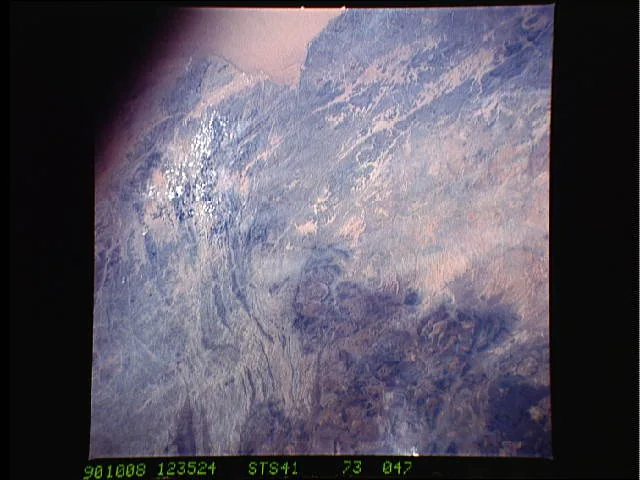
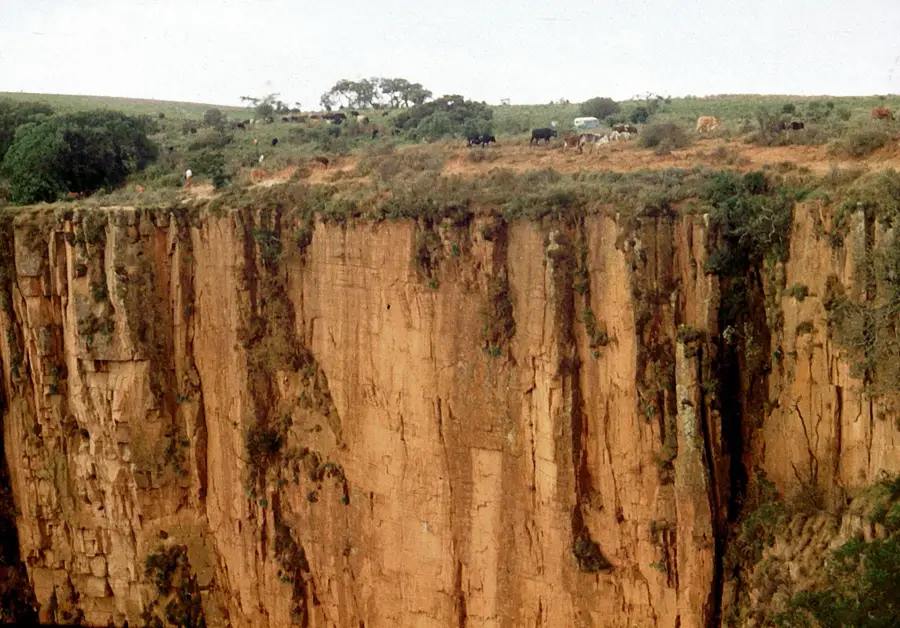
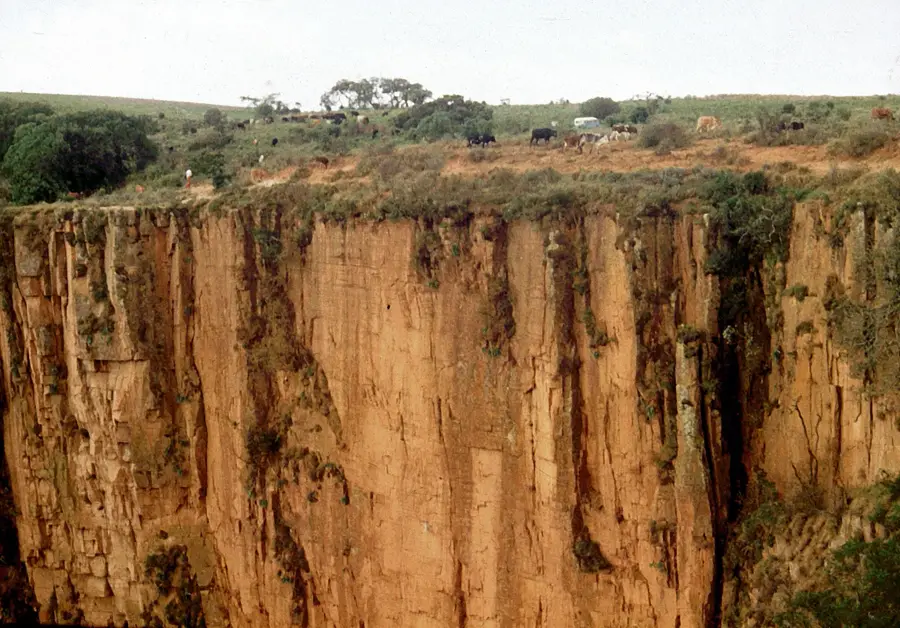
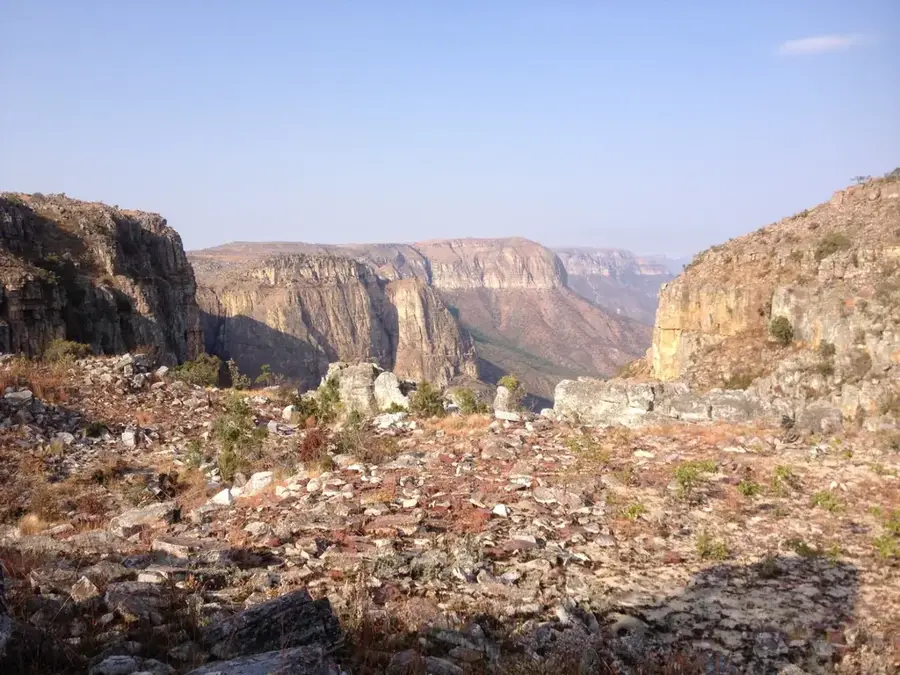
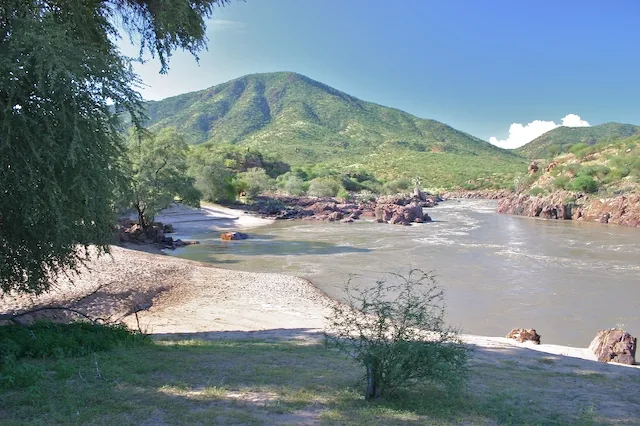
The Cunene Valley in southern Angola serves as the natural and political border with Namibia, representing one of the most arid yet geographically impressive regions of the country. The Cunene River carves a dramatic path toward the Atlantic Ocean, featuring world-renowned landmarks such as the Ruacana and Epupa Falls, which drop into deep rocky chasms. Geologically, the valley is shaped by the river's erosion through ancient limestone and volcanic rock, creating a landscape of stark contrasts and deep gorges. Historically, the region has been inhabited by the Himba and Herero pastoralists, who have maintained their traditional semi-nomadic lifestyles despite the harsh climatic conditions. The semiarid climate makes the river an essential lifeline for both wildlife and local communities in an otherwise desert environment. Today, the Cunene Valley is a vital site for joint hydroelectric power generation between Angola and Namibia and remains a focal point for transboundary ecological conservation efforts.

Best time to visit & climate

The most pleasant time to visit is May, Jul, Aug.

JanFebMarAprMayJunJulAugSepOctNovDec
Avg °C232323232220202224262524
Rain mm1061081704030002158674

📋 Practical info

🧭
Getting there
The Cunene Valley in southern Angola is accessible from the towns of Ondjiva or Xangongo, which serve as regional transport hubs. Primary routes often follow the border with Namibia, providing access to various scenic points along the river corridor.
📅
Best season
The months from June to September provide the most comfortable temperatures for exploring this arid border region. During the summer months, it can become extremely hot and dusty, making outdoor activities quite challenging without sufficient shade.
⛰️
Terrain & paths
The landscape presents as a wide, arid depression with sandy soils and scattered vegetation consisting of acacias and baobab trees. The relief is flatter than in the central regions but remains impressive due to its vast horizons and stark beauty.
🎒
What to bring
A wide-brimmed sun hat, high-quality sunglasses, and an ample supply of drinking water are vital due to the intense heat. Sturdy footwear is recommended for walking comfortably on the sandy and occasionally rocky ground of the valley floor.
🅿️
Parking
Parking facilities are available in border settlements or at the few lodges and campsites located along the river. Outside of towns, vehicles can usually be parked safely on open ground or wide shoulders next to the rural tracks.
⚠️
Safety
Be mindful of the remote nature of this border region and always maintain a safe distance from any wildlife encountered near the riverbanks. It is important to stay informed about local border regulations and follow basic safety guidelines.
⏱️
Time needed
A typical visit to a scenic viewpoint or a riverside spot takes a few hours as part of a larger travel itinerary. However, many travelers choose to stay overnight at a local lodge or campsite to fully experience the valley's atmosphere.

Geography

Coordinates
-16.00000, 14.00000

Facts

  • The Cunene River extends for a total length of approximately 1,050 kilometers.
  • Ruacana Falls stand 120 meters high and span 700 meters in width.
  • The Epupa Falls consist of a series of over 20 distinct cascading waterfalls.
  • The Calueque Dam project in the valley was a significant flashpoint during the Angolan Civil War.
  • Average annual rainfall in the lower Cunene Valley is less than 250 millimeters.
  • The Cunene River supports a large and healthy population of Nile crocodiles.

Explore nearby

Notable places around
Route planner — Car & Motorhome

Where do you start? We build the route here, with stops and country notes along the way.

Vehicle
Only stops with (optional):

© OpenStreetMap contributors · OpenRouteService

Sights nearby

Frequently asked questions

What defines the Cunene Valley?
It is a river and valley region with a strong landscape character and local use. Water, farming, and settlements shape the picture.
When should you travel to the Cunene Valley?
In the dry season, access is usually easier. In rain, roads and river crossings can become difficult.
Is the region suitable for camping?
Only at suitable, safe places. Because infrastructure is often limited, you need good preparation and your own gear.
Are there good photo spots by the river?
Yes, especially at bends, higher banks, and at sunset. The valley gives strong lines and colors.
Is the Cunene Valley family-friendly?
For calm outings, yes, but water and terrain safety matter. Children should always be accompanied.
Cunene Valley: where is it located?
Cunene Valley is located in Angola.
Cunene Valley: when is the best time to visit?
The most pleasant time to visit is May, Jul, Aug.
Cunene Valley: why is it worth visiting?

The Cunene Valley in southern Angola serves as the natural and political border with Namibia, representing one of the most arid yet geographically impressive regions of the country.
View on map → The Top 50 Attractions → OpenStreetMap →
Africa
Explore with Plizio Discover more places in Africa
More places in Angola →

Nearby cities

Nature

More places