Plizio Visual Lab

Cunene
Plizio editorial teamData Sources
River
—°
Cunene (Angola)

Weather…

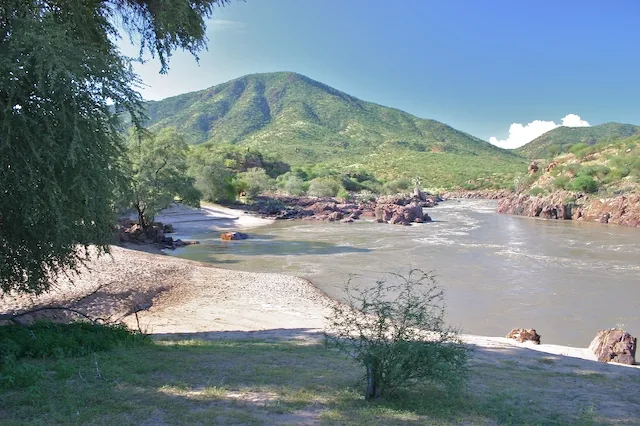
The Cunene River is one of the most significant rivers in Southern Africa, forming the natural border between Angola and Namibia on its lower course. It originates in the central highlands of Angola near the city of Huambo and covers a distance of approximately 1,050 kilometers until it reaches the Atlantic. Geographically, the river is characterized by dramatic elevation changes that produce spectacular waterfalls such as Epupa Falls and Ruacana Falls. These falls are not only tourist attractions but also sites for major hydroelectric projects that supply energy to both border nations. The Cunene flows through extremely arid regions like the Namibe Desert, where its water is vital for irrigation and serves as the only permanent water source for humans and animals. The river's mouth is an ecologically valuable area with a high concentration of marine and terrestrial life forms. Historically, the river was a strategic reference point for border demarcations and colonial administration. Today, the Cunene is a symbol of cross-border cooperation in resource management.

Best time to visit & climate

The most pleasant time to visit is Jun, Jul, Oct.

JanFebMarAprMayJunJulAugSepOctNovDec
Avg °C232425252421212019212322
Rain mm2130431520001249

📋 Practical info

🧭
Getting there
The Cunene River is generally accessed via major roads from towns like Ondjiva in Angola or from the Namibian border side. Many travelers head directly towards the spectacular waterfalls like Ruacana or Epupa via 4x4 tracks.
📅
Best season
The dry season, from June to October, has the most reliable access roads and unflooded riverbanks. However, viewing the waterfalls at their most powerful peak requires visiting shortly after the end of the rainy season.
⛰️
Terrain & paths
The riverside terrain is diverse, featuring rocky gorges near the waterfalls, sandy banks, and arid scrubland. Walking paths range from well-trodden tourist trails near the main falls to extremely rugged, unmarked wilderness.
🎒
What to bring
Sturdy, dust-proof hiking boots and lightweight, breathable outdoor clothing are highly recommended. A wide-brimmed hat, high SPF sunscreen, binoculars, and a camera for the dramatic scenery are essential items to pack.
🅿️
Parking
Designated dirt parking areas are generally available near the major, well-known waterfalls and established tourist camps. In more remote stretches along the border, visitors simply pull over safely off the rugged dirt tracks.
⚠️
Safety
The presence of large crocodiles and occasional hippos makes swimming or wading strictly ill-advised anywhere in the river. Visitors must also remain cautious near the steep, unprotected edges of the deep river gorges.
⏱️
Time needed
A standard visit to one of the main viewpoints or waterfalls can be completed in just a few hours. However, those planning to drive the scenic routes along the border should budget at least one or two full days for the trip.

Geography

Coordinates
-17.20000, 12.20000

Facts

  • Length: 1,050 kilometers
  • Border: Angola-Namibia
  • Major falls: Epupa, Ruacana
  • Source: Near Huambo
  • Mouth: Atlantic Ocean
  • Energy: Ruacana Power Station

Explore nearby

Notable places around

Route planner — Car & Motorhome

Where do you start? We build the route here, with stops and country notes along the way.

Vehicle
Only stops with (optional):

© OpenStreetMap contributors · OpenRouteService

Sights nearby

Frequently asked questions

Is the Cunene suitable for travel?
Yes, but more for nature-focused travel than for comfortable standard tours. Infrastructure along the river is often basic.
When should you visit the Cunene?
The dry season is usually best. Roads are better and riverbanks are easier to reach.
Do you need a 4x4 along the Cunene?
Usually yes, especially away from larger towns. Unpaved roads can become difficult fast.
Is the river good for photos?
Yes, especially in morning light and on calmer stretches. Wide banks and reflections look best.
What is the Cunene known for?
The river is important for water, farming, and borderland scenery in southern Angola. It shapes whole regions.
Cunene: where is it located?
Cunene is located in Angola.
Cunene: when is the best time to visit?
The most pleasant time to visit is Jun, Jul, Oct.
Cunene: why is it worth visiting?
The Cunene River is one of the most significant rivers in Southern Africa, forming the natural border between Angola and Namibia on its lower course.
View on map → The Top 50 Attractions → OpenStreetMap →
Africa
Explore with Plizio Discover more places in Africa
More places in Angola →

Nearby cities

History & landmarks

Nature

More places