Plizio Visual Lab

Tepe Sardar
Plizio editorial teamData Sources
ruin
—°3
Tepe Sardar (Afghanistan)

Weather…

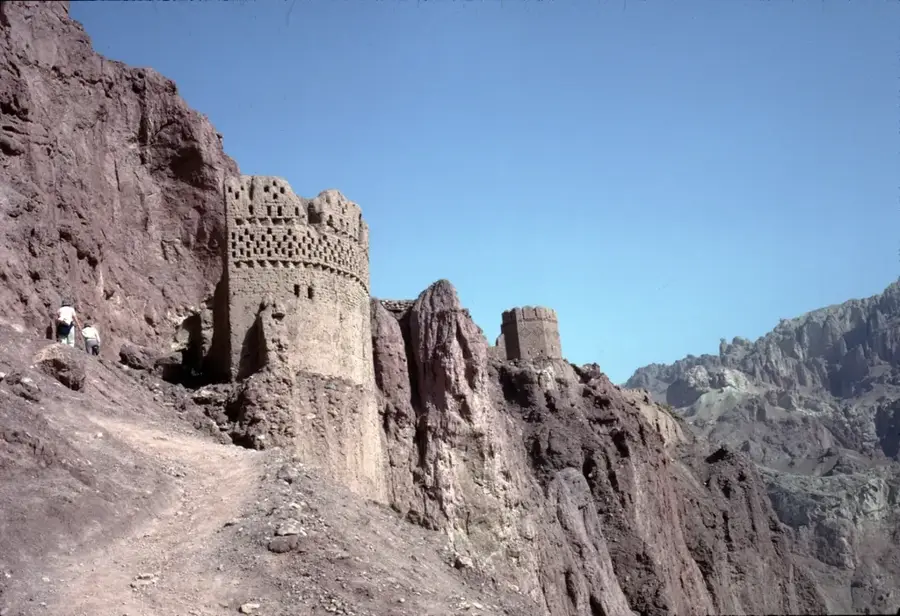
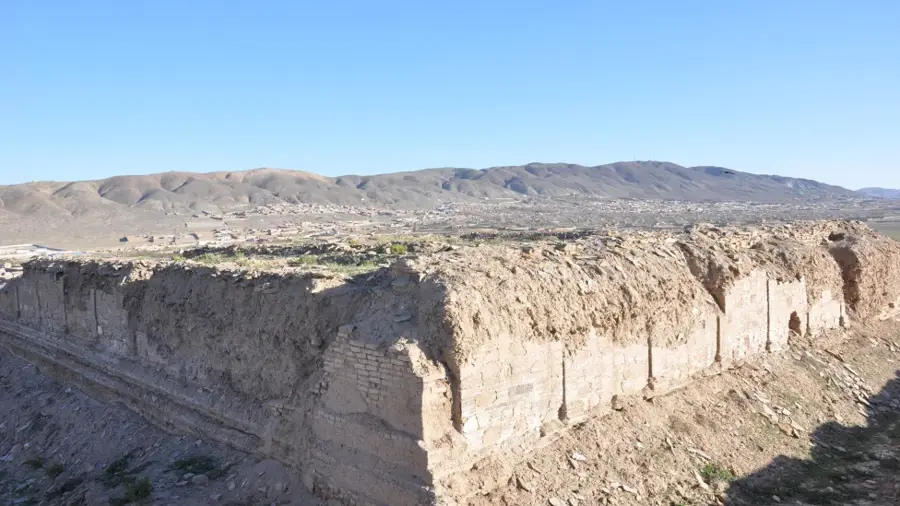
Tepe Sardar, located near Ghazni, is one of Afghanistan's most significant archaeological sites, revealing a rich Buddhist and later Hindu history. The site, perched on a hill, was a flourishing Buddhist monastic center from the 3rd to the 9th century. Archaeological excavations have uncovered a large main stupa, several smaller stupas, shrines, and monastic cells. Particularly noteworthy are the finds of giant, unbaked clay Buddha statues, including a reclining Buddha over 15 meters long. These sculptures were once colorfully painted. In a later phase, around the 8th century, a Hindu shrine dedicated to the goddess Durga was erected on the site, indicating a peaceful coexistence of the two religions. Unfortunately, Tepe Sardar was severely looted and damaged during the wars, leading to an irretrievable loss of cultural heritage. The remains nevertheless testify to the artistic and religious importance that this region once held along the Silk Road.

Best time to visit & climate

The most pleasant time to visit is Jun–Aug.

JanFebMarAprMayJunJulAugSepOctNovDec
Avg °C-2-151015192120161050
Rain mm356484936337505935292918

📋 Practical info

🚪
Visiting
The extensive archaeological ruins of this major Buddhist monastery can be visited by travelers in the Ghazni area. Access is outdoors, allowing you to walk among the historical foundations and stupa remains.
🕒
Typical hours
As an open archaeological site in a remote area, there are typically no official operating hours or formal ticket gates. It is highly recommended to visit during daylight hours for safety and to appreciate the details.
📷
Photography
Photography is generally permitted across the outdoor site, offering unique opportunities to capture the ancient foundations. Always remain respectful of the historical and cultural significance of the monastery ruins.
⏱️
Time needed
Exploring the remains of the Tepe Sardar monastery and taking in the surrounding views usually requires about one to two hours. This gives ample time to examine the distinct architectural traces left behind.
Combine with
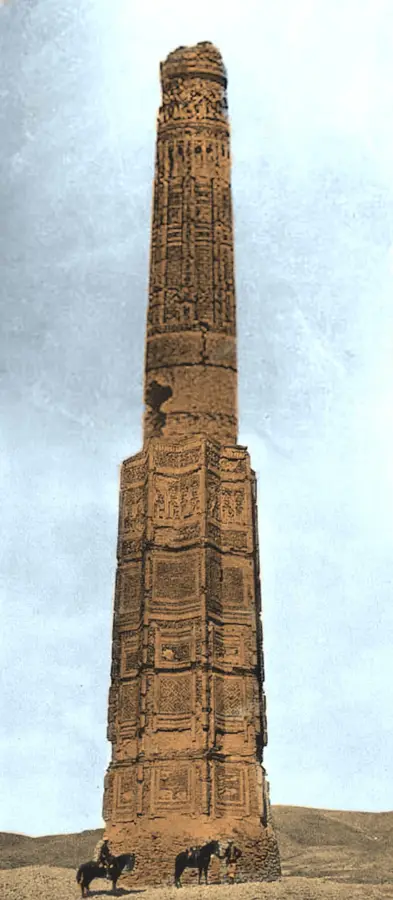
A visit to this archaeological site can logically be combined with exploring the wider city of Ghazni, which features numerous historic minarets. Planning a regional tour will enrich your historical context.
🧭
Getting there
Reaching the site typically requires a private vehicle or hiring a knowledgeable local driver from the center of Ghazni. The roads can be rough, so traveling with someone familiar with the terrain is essential.
💡
Insider tip
Seek out the latest security updates and travel advisories for the Ghazni province before planning your excursion. It is wise to bring plenty of drinking water, sun protection, and sturdy walking shoes.

Geography

Coordinates
33.52830, 68.44190

Facts

  • Buddhist monastery (3rd-9th c.).
  • Site of giant clay Buddha statues.
  • A reclining Buddha was over 15 meters long.
  • A Hindu shrine to Durga was added later.
  • Shows coexistence of Buddhism and Hinduism.
  • Located near Ghazni.
  • Heavily looted during the wars.
  • Important site for Gandhara art.

Explore nearby

Notable places around

Route planner — Car & Motorhome

Where do you start? We build the route here, with stops and country notes along the way.

Vehicle
Only stops with (optional):

© OpenStreetMap contributors · OpenRouteService

Sights in the town Tepe Sardar (3)

Citadel of Ghazni📍 landmark

The Citadel of Ghazni is an ancient fortress located in the city of Ghazni.

Ghazni📍 landmark

Ghazni is a city in eastern Afghanistan, known for its historic towers and minarets.

Ghazni District📍 landmark

Ghazni District is in Ghazni province, containing the city and surrounding villages.

Sights nearby

Frequently asked questions

What is Tepe Sardar?
Tepe Sardar is an archaeological ruin site with important Buddhist remains. It is among the region’s key historical places.
How long does a visit take?
Usually 30-60 minutes is enough. Visitors interested in archaeology often stay longer to look at the details.
Is the site well developed?
It is more basic than modernly developed. Expect a historic outdoor site rather than a fully equipped visitor center.
When is the best time for photos?
Early morning or later in the afternoon gives softer light. That makes the forms and ruins stand out better.
What makes Tepe Sardar special?
Its Buddhist layers and archaeological depth make it unique. It is especially interesting for history-focused travelers.
Tepe Sardar: where is it located?
Tepe Sardar is located in Afghanistan.
Tepe Sardar: what is there to see?
Highlights include Citadel of Ghazni, Ghazni, Ghazni District.
Tepe Sardar: when is the best time to visit?
The most pleasant time to visit is Jun, Aug.
Tepe Sardar: why is it worth visiting?

Tepe Sardar, located near Ghazni, is one of Afghanistan's most significant archaeological sites, revealing a rich Buddhist and later Hindu history.
View on map → The Top 50 Attractions → OpenStreetMap →
Asia
Explore with Plizio Discover more places in Asia
More places in Afghanistan →

Nearby cities

More places