Plizio Visual Lab
Ghazni
ℹ️Practical info — Ghazni
▾
🌤 Weather — 5 days
📍 Nearby
Sights nearby
💡 Tips
- Security in the region can be volatile; always consult up-to-date local authorities or your fixer before traveling.
- Dress very conservatively in traditional Afghan clothing (Shalwar Kameez) to blend in and show respect.
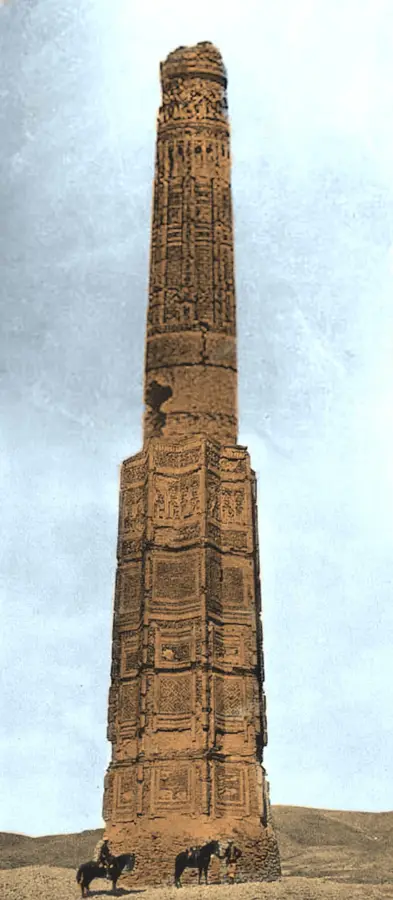
- The famous Ghazni Minarets are best photographed in the early morning when the light highlights their intricate terracotta brickwork.
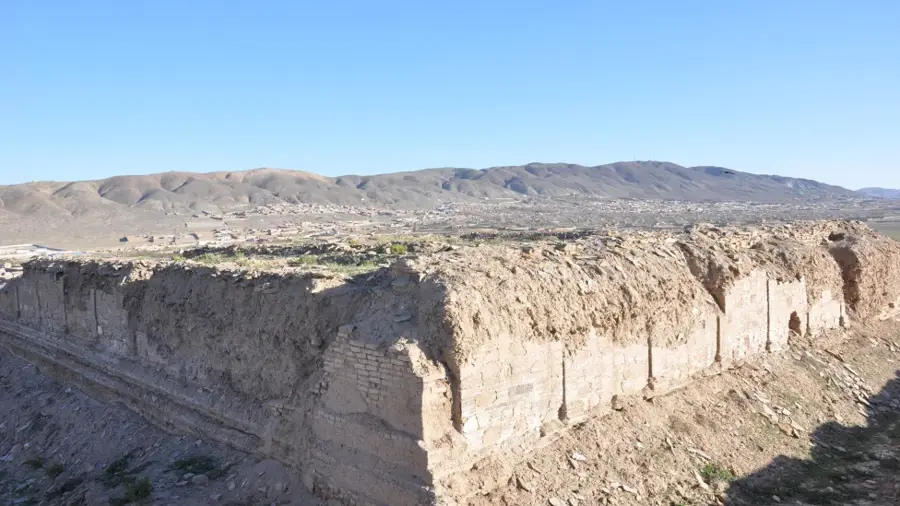
- Hire a local guide to navigate the old citadel (Bala Hissar), as some areas may be restricted or unsafe to explore alone.
🍽 Food
Famous local lamb kebabs, typically served with fresh naan and onions at street-side vendors.
Flatbread stuffed with potatoes or leeks, fried and served with yogurt in the local bazaars.
Enjoy endless cups of cardamom-spiced green tea at traditional chaikhanas in the old town.
🛍 Shopping · 🧘 Quiet spots
Local shops offer beautifully embroidered Afghan dresses and fabrics.
Traditional winter coats made from sheepskin, a historic specialty of the region.
A historically significant and relatively peaceful garden complex honoring the 11th-century ruler.
Despite the damage, the elevated ruins offer a quiet, sweeping view of the city and its historical layers.
Water temperature…
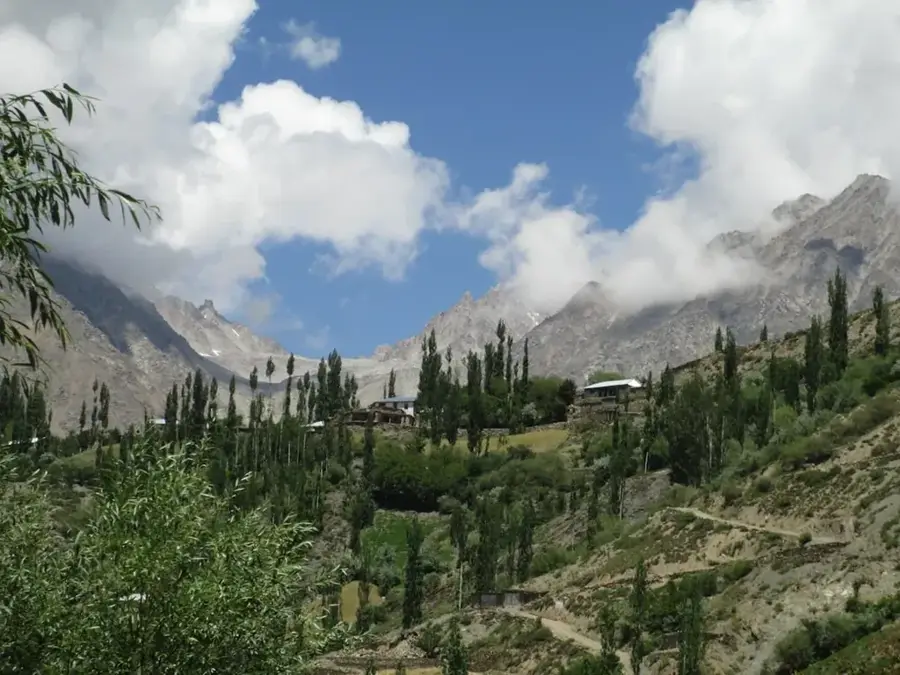
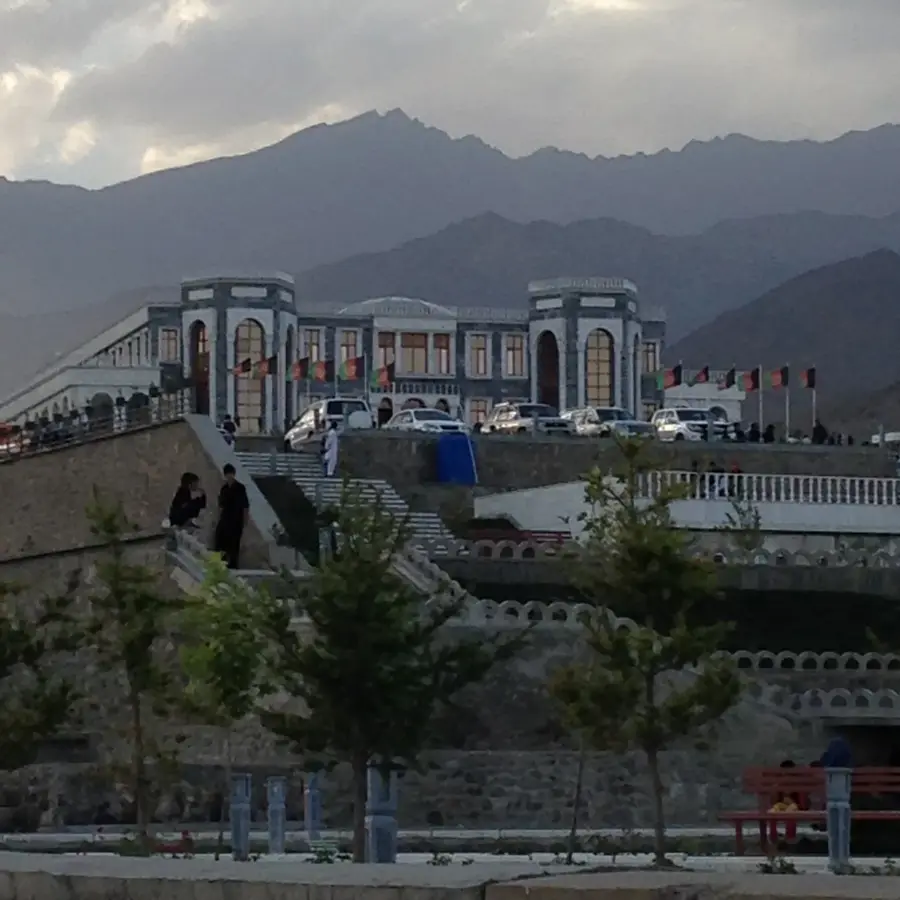
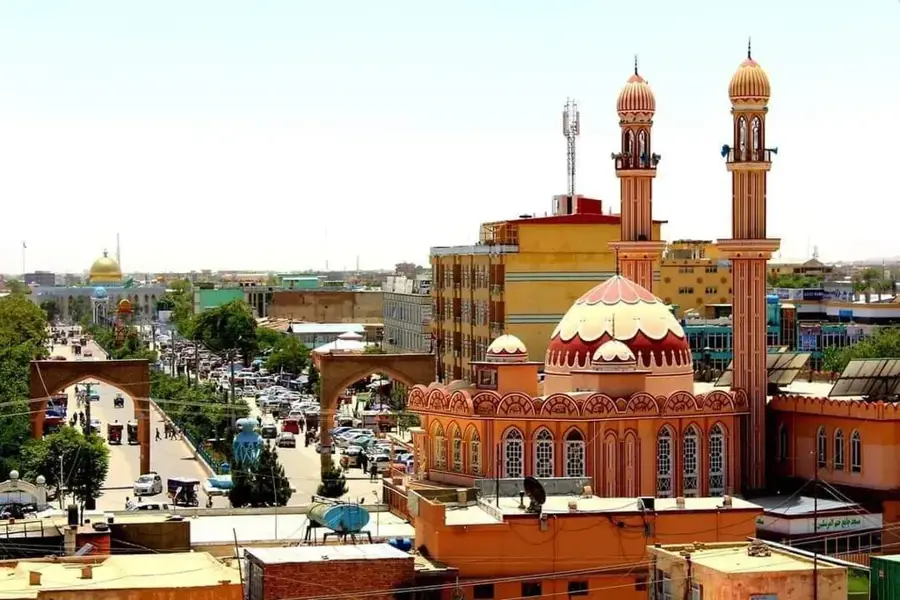
Ghazni is an ancient city in central-eastern Afghanistan, located on a high plateau at an elevation of about 2,220 meters. It gained worldwide fame as the capital of the Ghaznavid Empire under Sultan Mahmud of Ghazni in the early 11th century, becoming a glittering center of culture, science, and literature that rivaled Baghdad. During this era, the city hosted legendary scholars and poets such as Al-Biruni and Ferdowsi. The most iconic remnants of this golden age are the two 12th-century star-shaped minarets, built by Mas'ud III and Bahram Shah, which showcase intricate brickwork and early Islamic calligraphy. The city is also home to the Ghazni Citadel, a historic fortress that sits atop a central hill, offering a panoramic view of the urban sprawl. Geographically, Ghazni is a critical transit point on the highway linking Kabul to Kandahar, making it a vital commercial hub for the surrounding agricultural provinces. The trade in wool, hides, and dried fruits remains central to the local economy. In 2013, Ghazni was officially declared the Capital of Islamic Culture for the Asian region by ISESCO, highlighting its vast architectural and spiritual heritage. The population is diverse, consisting of Pashtuns, Tajiks, and Hazaras, whose distinct traditions blend into a unique local culture. The city's climate is characterized by harsh, cold winters and hot, arid summers, typical of the Afghan highlands. Numerous shrines and mausoleums of Islamic saints dot the city, attracting pilgrims from across the nation. Throughout history, Ghazni has faced numerous invasions, most notably the catastrophic Mongol destruction in 1221, yet it preserved its identity as a bastion of Islamic learning. Today, Ghazni University serves as the primary educational institution, aiming to restore the city's historical reputation for academic excellence. The ongoing preservation of its historic towers and the restoration of its old walls are crucial for maintaining the city's status as a top-tier global heritage site.
- Location: Afghanistan
- Top sights: Citadel of Ghazni · Tepe Sardar
- Population: ~141.000 (2026)
Best time to visit & climate
The most pleasant time to visit is Jun–Aug.
| Jan | Feb | Mar | Apr | May | Jun | Jul | Aug | Sep | Oct | Nov | Dec | |
|---|---|---|---|---|---|---|---|---|---|---|---|---|
| Avg °C | -2 | -1 | 5 | 10 | 15 | 19 | 21 | 20 | 16 | 10 | 5 | 0 |
| Rain mm | 35 | 64 | 84 | 93 | 63 | 37 | 50 | 59 | 35 | 29 | 29 | 18 |
Geography
Facts
- Ghazni was the imperial capital of the Ghaznavid Empire for nearly 200 years.
- The Minarets of Ghazni feature unique star-shaped cross-sections.
- The city sits at an average elevation of 2,220 meters (7,280 feet).
- It was designated the Capital of Islamic Culture by ISESCO in 2013.
- Mahmud of Ghazni transformed the city into a global center of learning.
- The Ghazni Citadel dates back to the 13th century in its current form.
- The city is a key stop on the 'Ring Road' connecting major Afghan cities.
- Archaeological sites in the area contain remains from the Buddhist era.
Explore nearby
Notable places around

Route planner — Car & Motorhome
Where do you start? We build the route here, with stops and country notes along the way.
© OpenStreetMap contributors · OpenRouteService
Sights in the town Ghazni (2)
Frequently asked questions
What is special about Ghasni?
Are there architectural highlights?
What is the journey like?
What is the best season?
Should you hire a guide?
Ghazni: where is it located?
Ghazni: what is there to see?
Ghazni: when is the best time to visit?
Ghazni: why is it worth visiting?

Nearby cities
More places