Attractions in New Caledonia
The finest attractions in New Caledonia at a glance: castles, natural wonders, historic old towns and more. Each place links to a detailed page with map, tips and photos.
Culture & History
Upi Bay
Upi Bay on the Isle of Pines is famous for its coral rock formations rising from turquoise waters.
Learn more →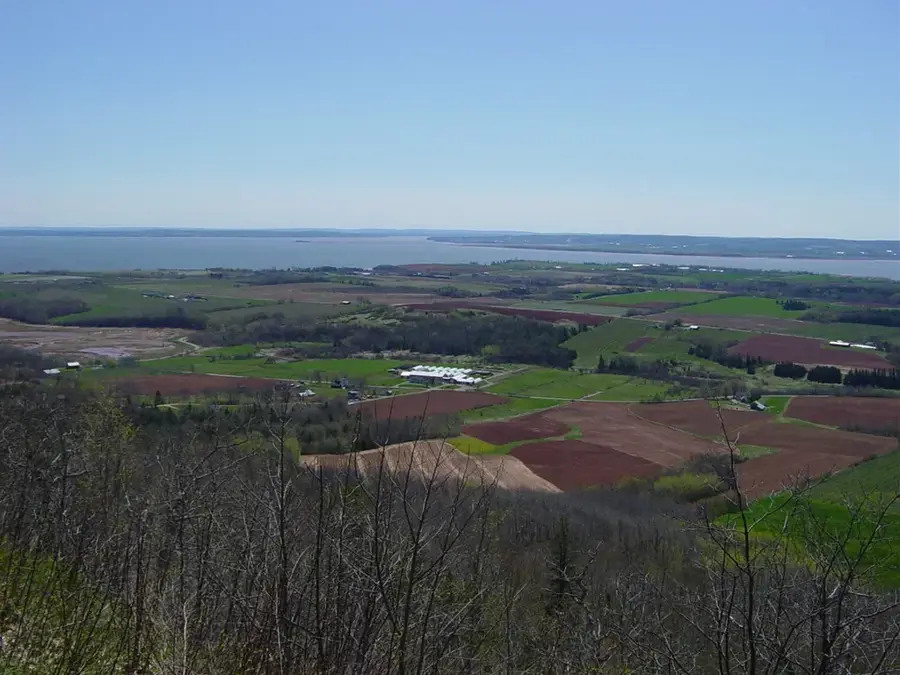
Ouvéa Bay
Ouvéa Bay is renowned for its endless white sand beach stretching over 25 kilometers.
Learn more →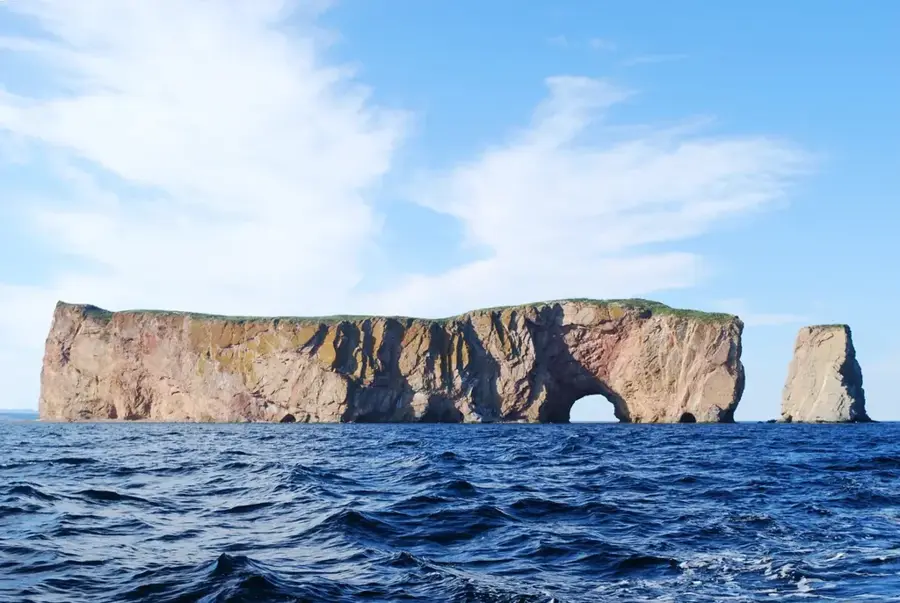
Roche Percée
Roche Percée is a striking rock formation on the Bourail coast.
Learn more →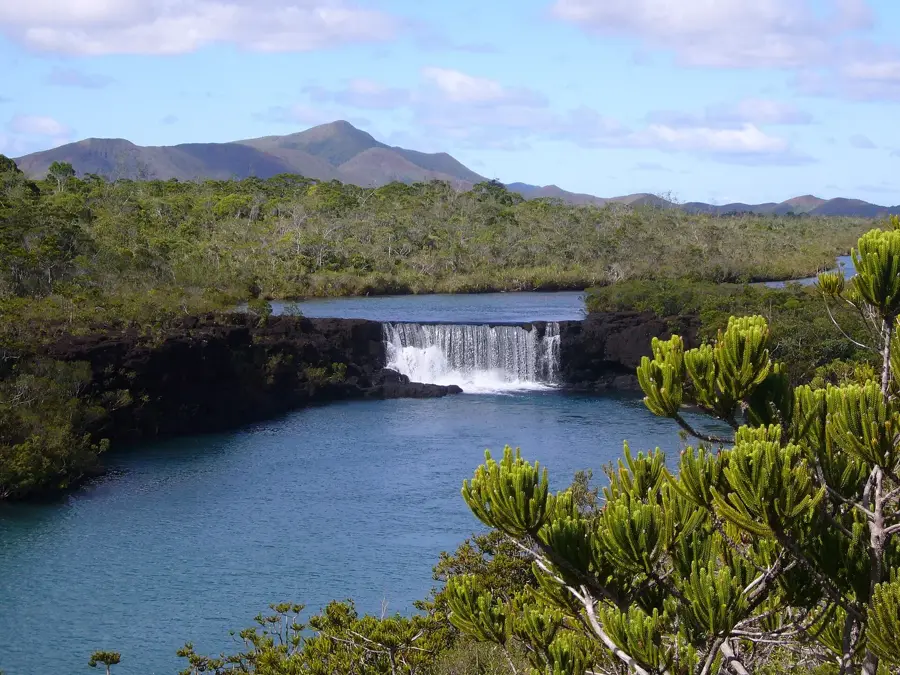
Madeleine Waterfalls
The Madeleine Waterfalls are wide but low falls located within a protected botanical reserve.
Learn more →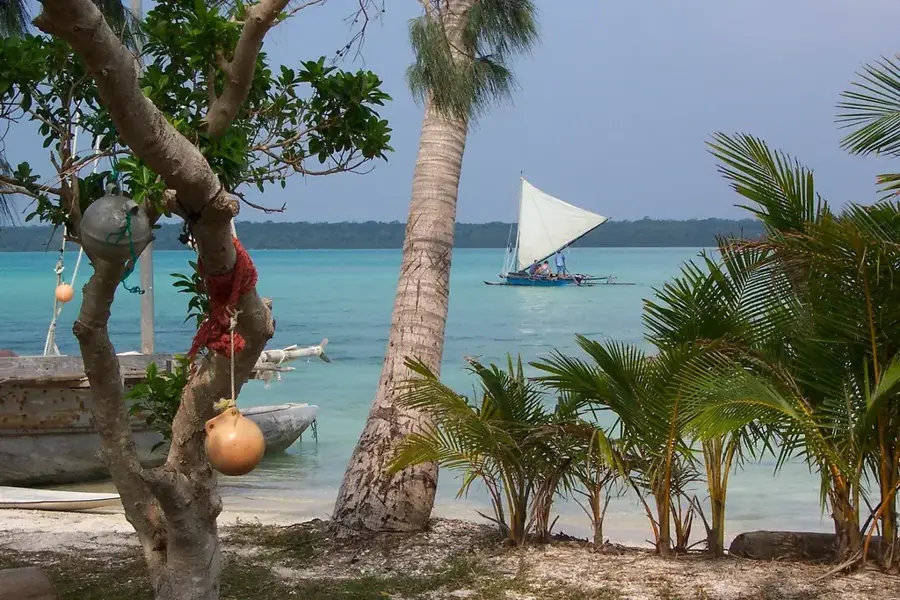
Third Cave
The Third Cave (Grotte de la Troisième) near Nouméa is famous for its crystal clear underground lake.
Learn more →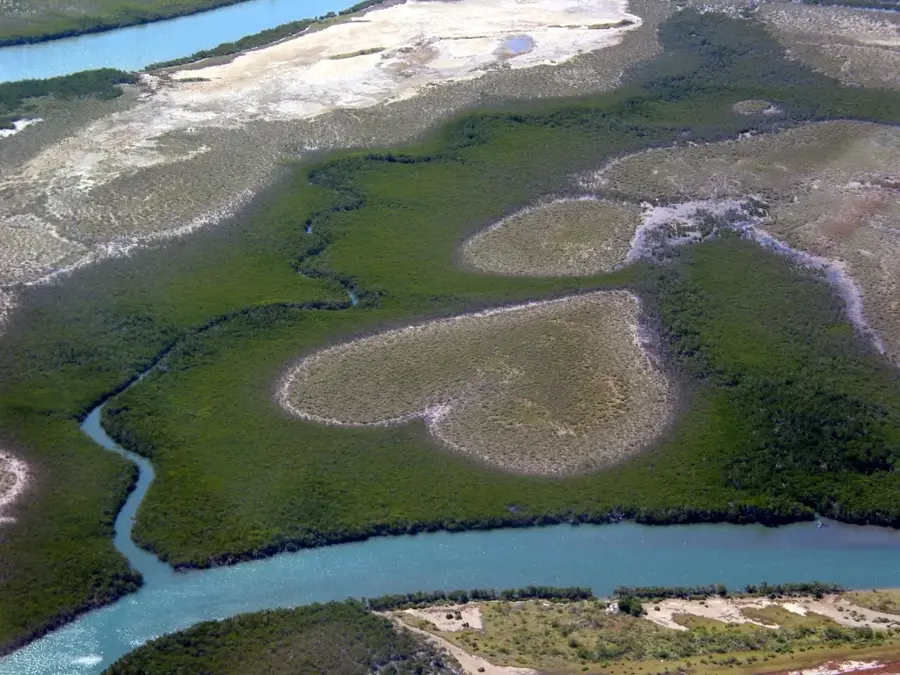
Heart of Voh
The Heart of Voh is a natural heart-shaped glade within a mangrove forest.
Learn more →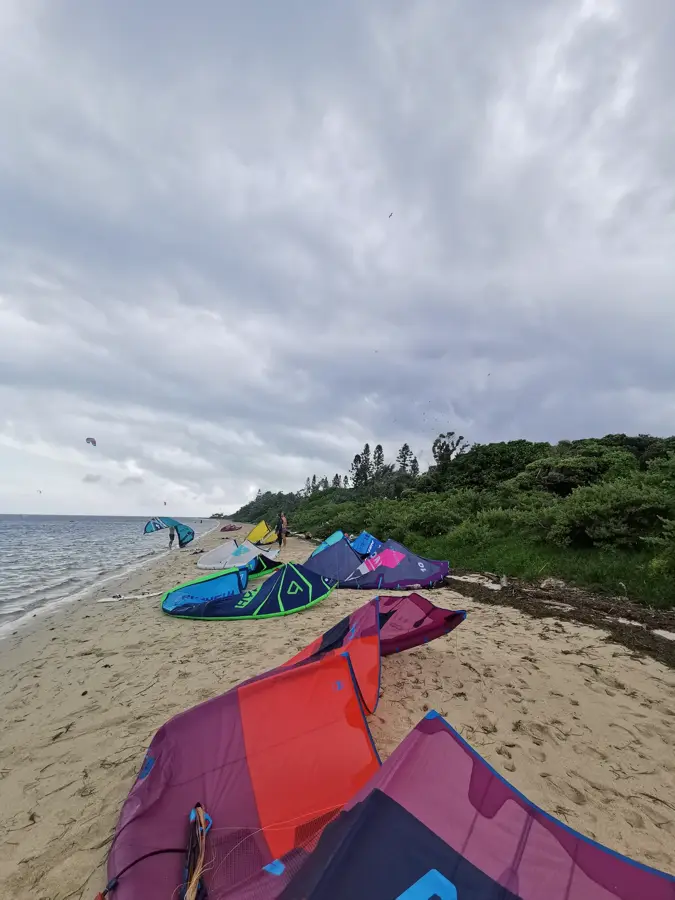
Îlot Maître
Îlot Maître is a small coral islet located just off the coast of Nouméa.
Learn more →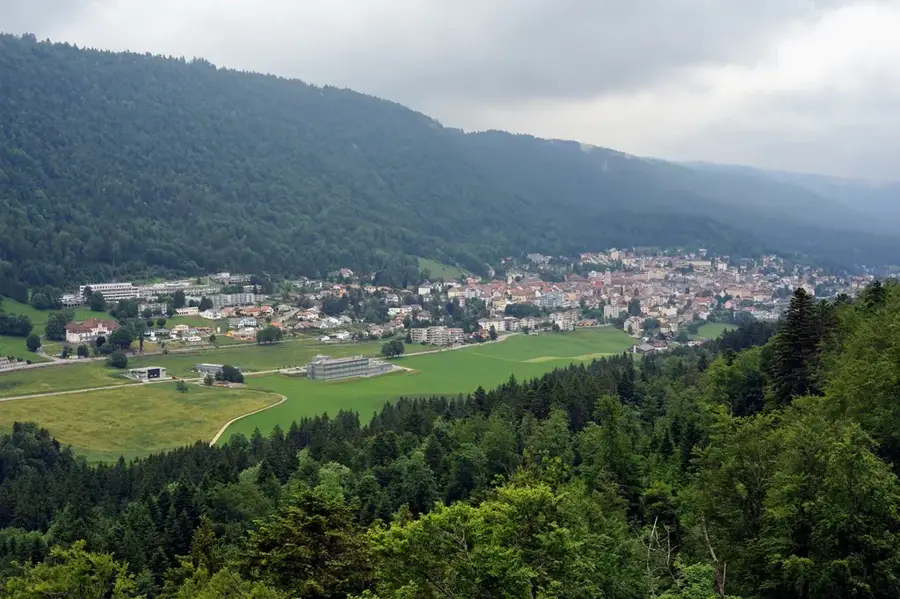
Vallon-Dore Historic Estates
An area in Mont-Dore commune known for its old colonial estates and agricultural pioneers.
Learn more →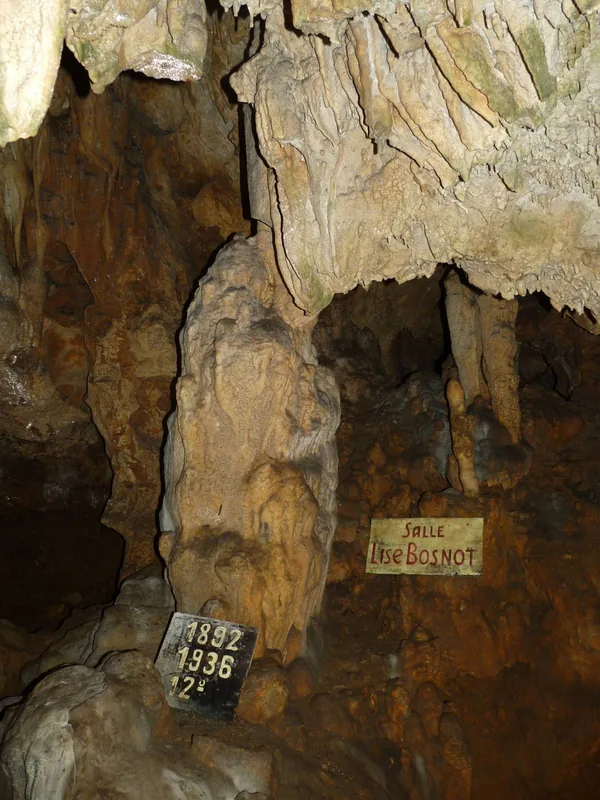
Adio Caves
The Adio Caves are a complex cavern system located near Poya.
Learn more →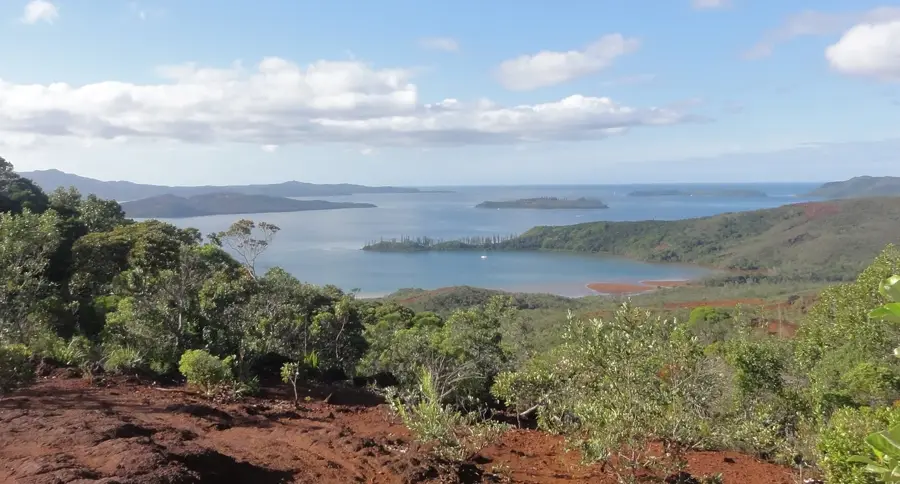
Prony Bay
Prony Bay in the far south is a vast bay known for its historical ruins, thermal springs, and as a sheltered spot for whale watching.
Learn more →
Prony Needle
The Prony Needle (Aiguille de Prony) is a unique underwater stalagmite formed by mineral deposits, rising nearly to the surface in Prony Bay.
Learn more →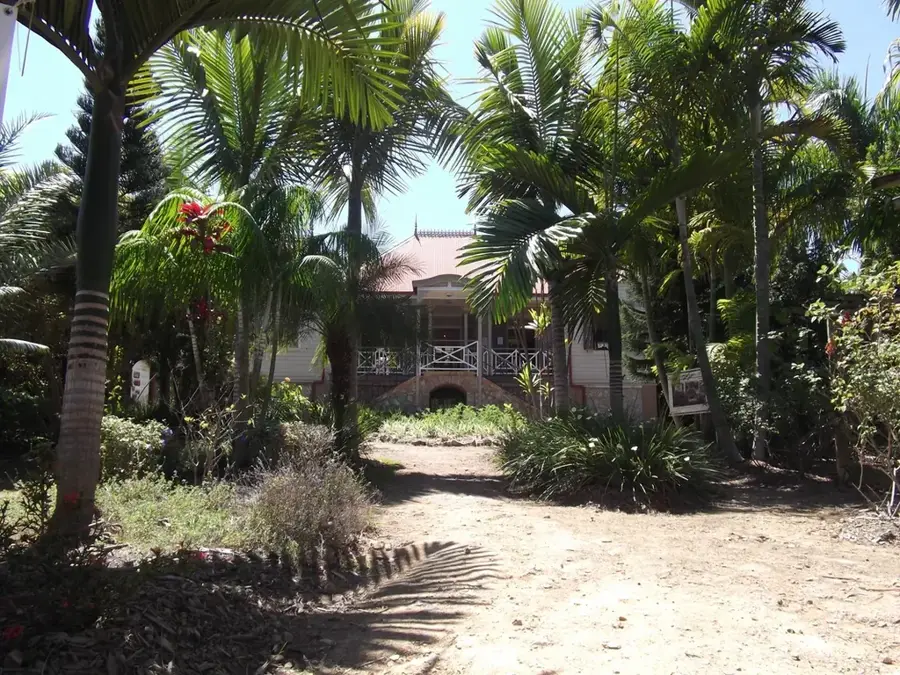
Maison Celieres
An excellently preserved example of colonial architecture from 1898 in Nouméa.
Learn more →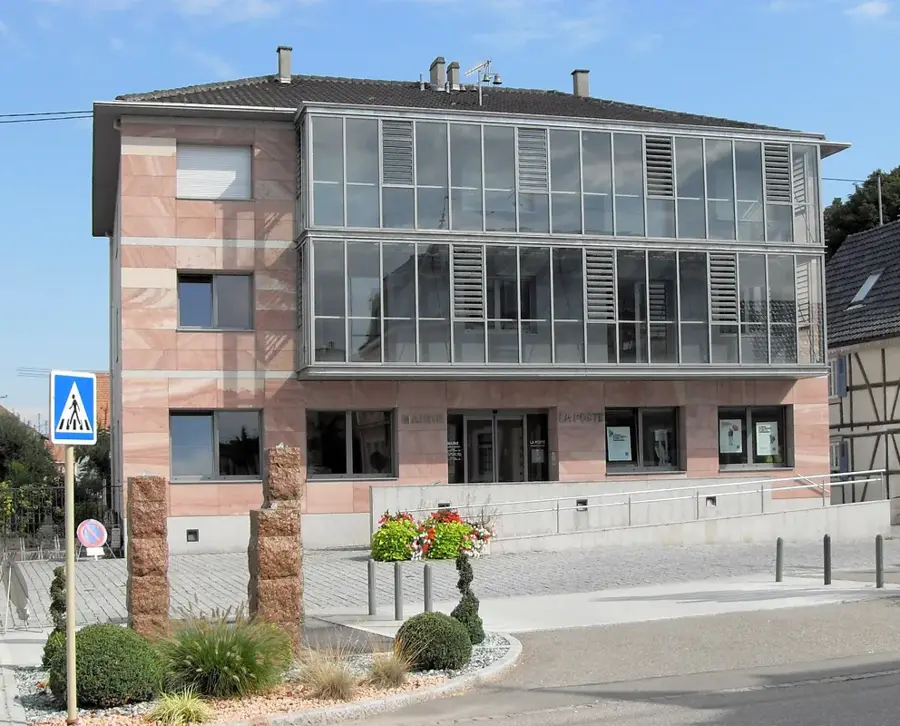
Saint-Louis Mission School
This historical school is part of the Saint-Louis mission and played a key role in the education of Kanak children.
Learn more →
Old Gaston-Bourret Hospital
The original hospital building in central Nouméa is a significant example of colonial public architecture.
Learn more →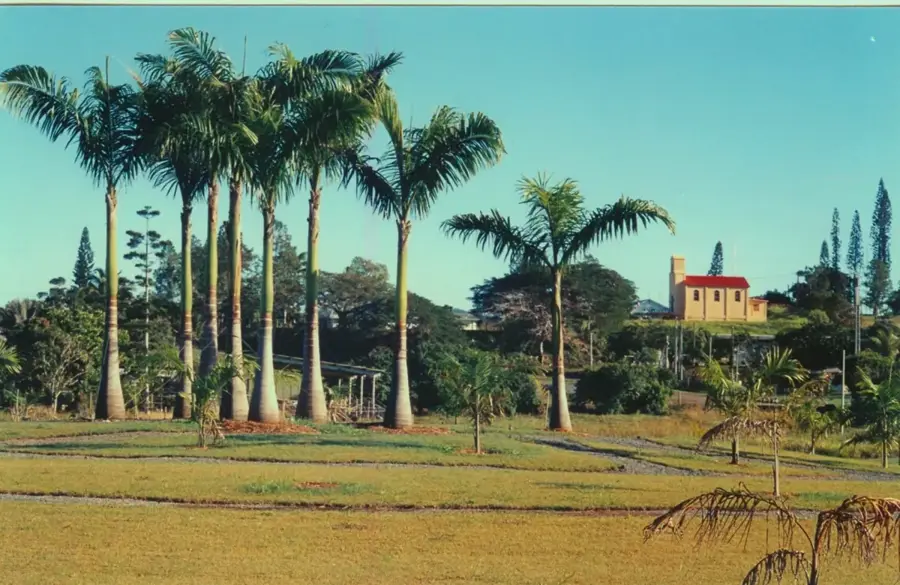
Old Moindou Post Office
This small, well-preserved colonial building served as a post office in the rural area during the 19th century.
Learn more →
Saint-Gabriel Mission of Canala
The Saint-Gabriel mission was a significant base of the Catholic Church on the mountainous east coast.
Learn more →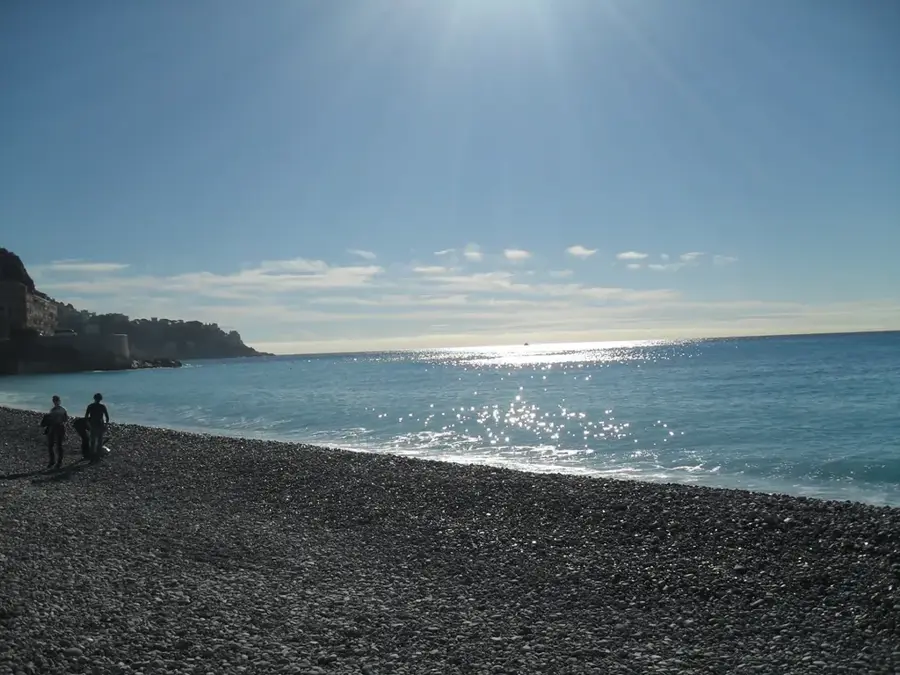
Nouméa City Hall
The city hall of Nouméa is housed in a prominent building located at the edge of the Place des Cocotiers.
Learn more →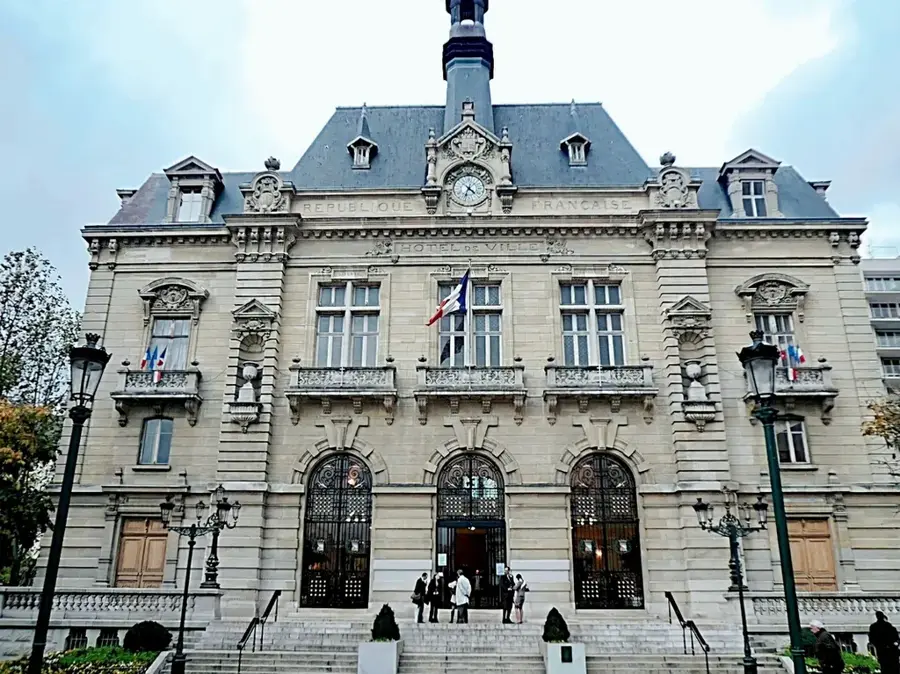
Koné City Hall
The city hall of Koné is the administrative center of the North Province of New Caledonia.
Learn more →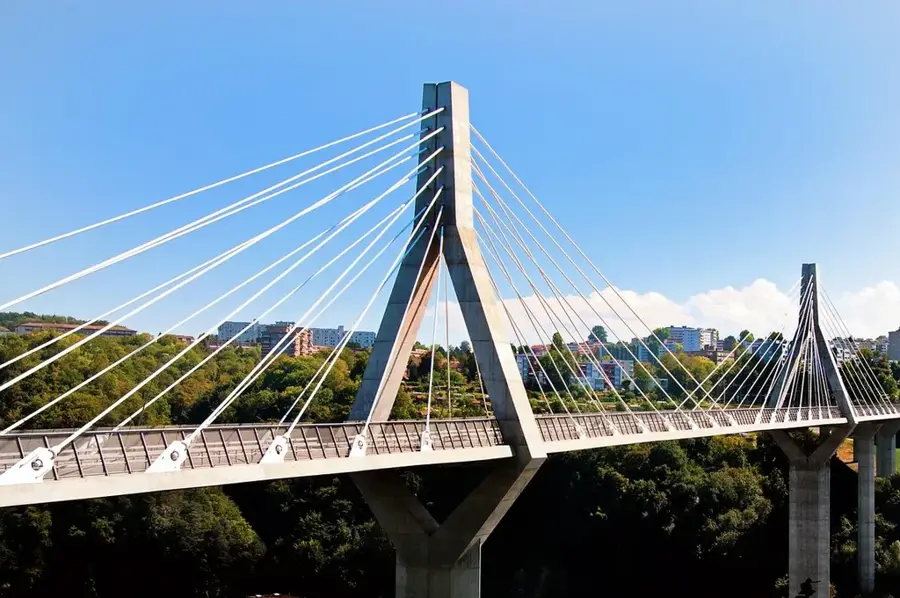
Poya Petroglyphs
Ancient rock carvings near Poya created by the island's early inhabitants.
Learn more →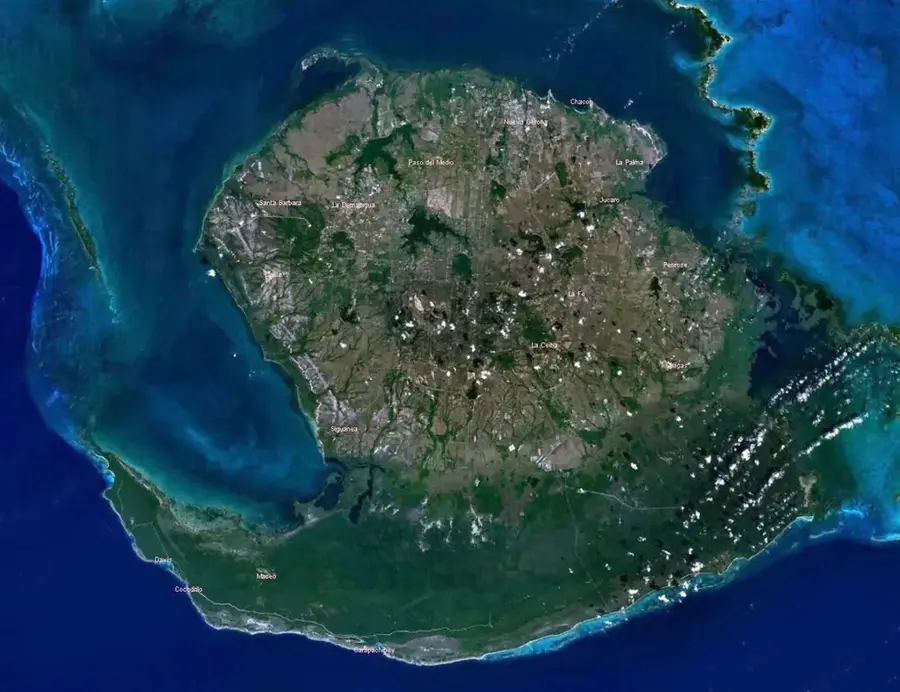
Isle of Pines Prison Ruins
Remnants of a 19th-century penal colony where political prisoners from the Paris Commune were interned.
Learn more →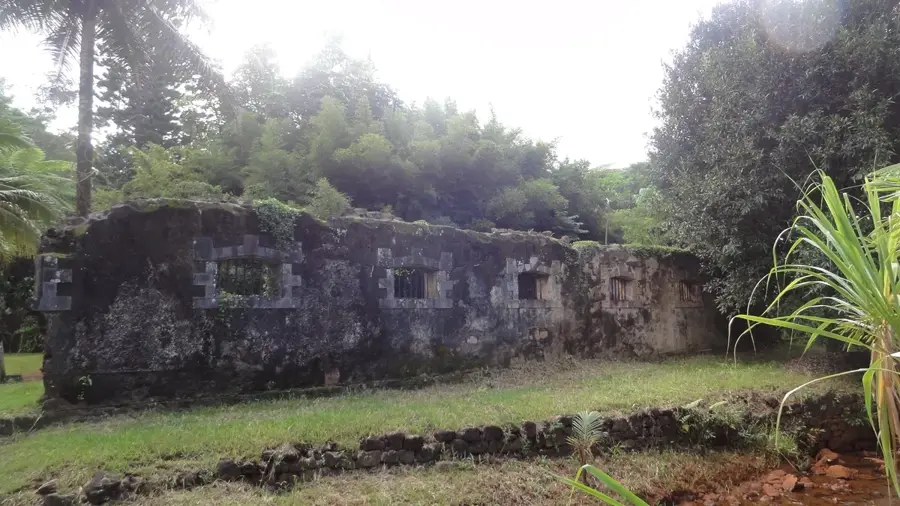
Prony Village
Founded in 1867 as a logging camp and later part of the penal colony.
Learn more →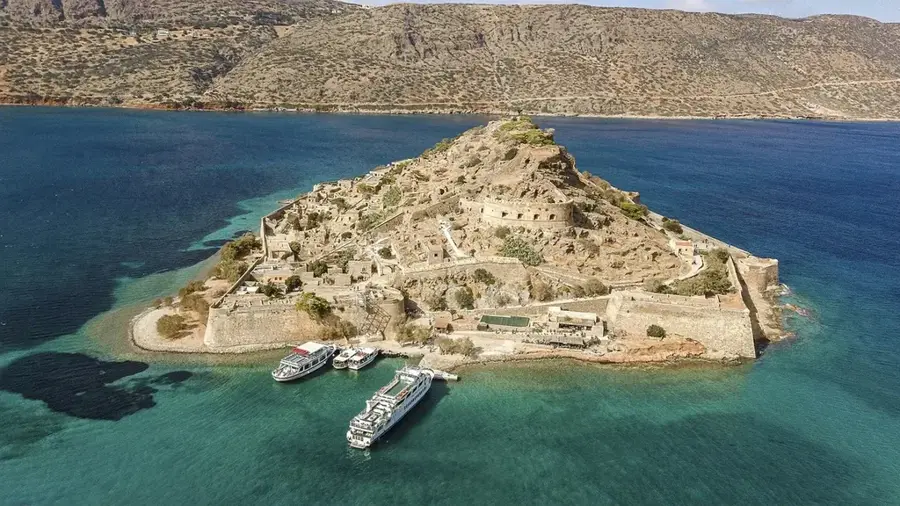
Ducos Peninsula Leper Colony
A place of suffering and exclusion that served in the 19th century as an isolation station for leprosy patients on the Ducos peninsula.
Learn more →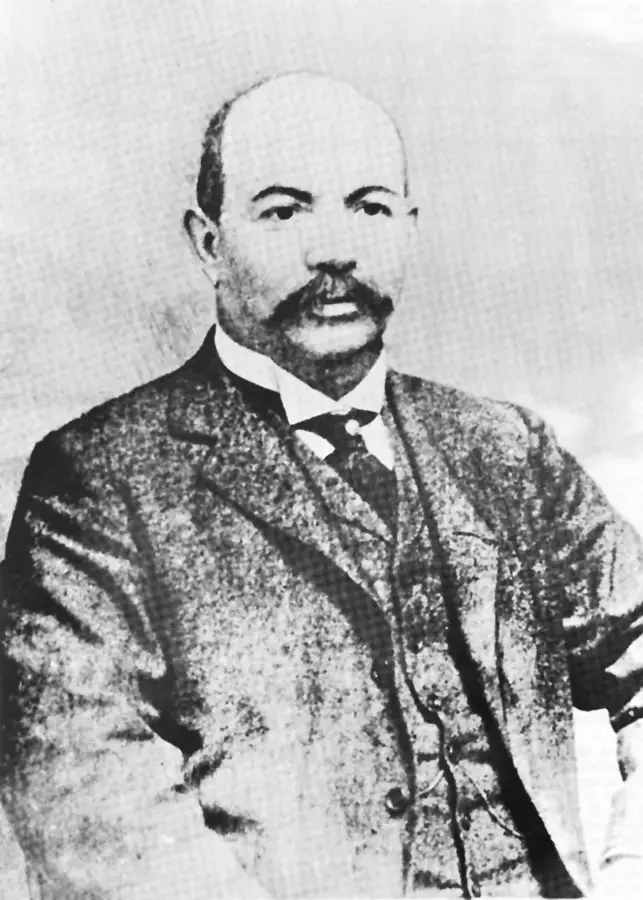
Bernheim Library
A magnificent colonial-style building in Nouméa, inaugurated in 1901.
Learn more →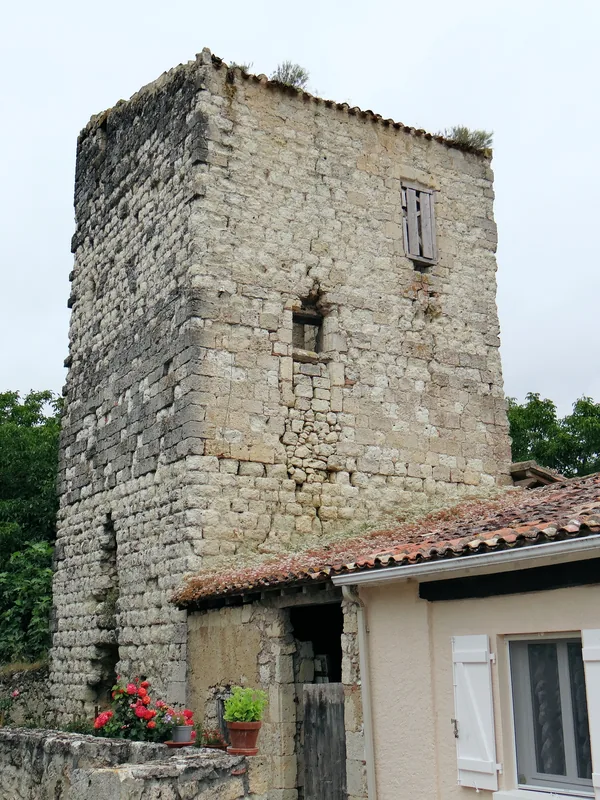
Ile Nou Prison
The headquarters of the New Caledonian penal colony.
Learn more →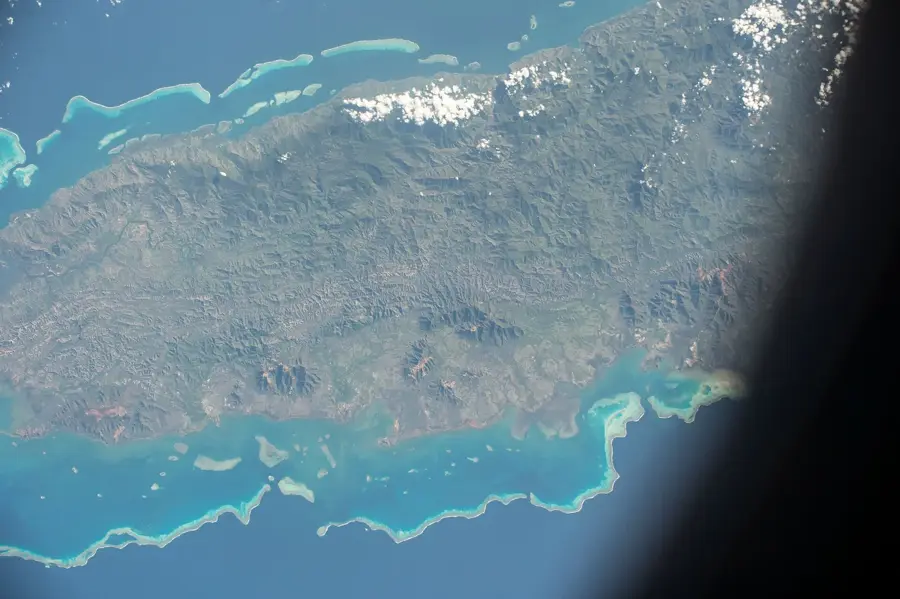
Pouébo Mission
A historical Catholic mission founded in 1847.
Learn more →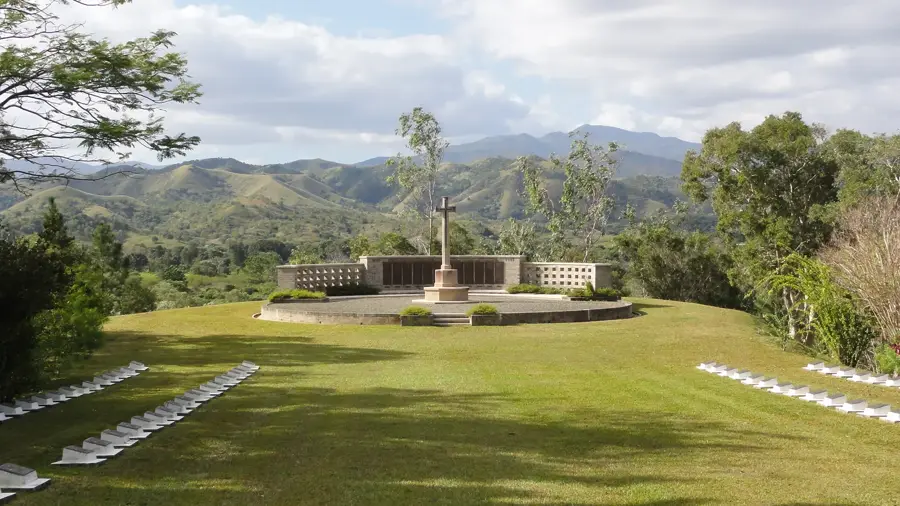
Bourail New Zealand War Cemetery
A Commonwealth war cemetery for soldiers who died in the Pacific during World War II.
Learn more →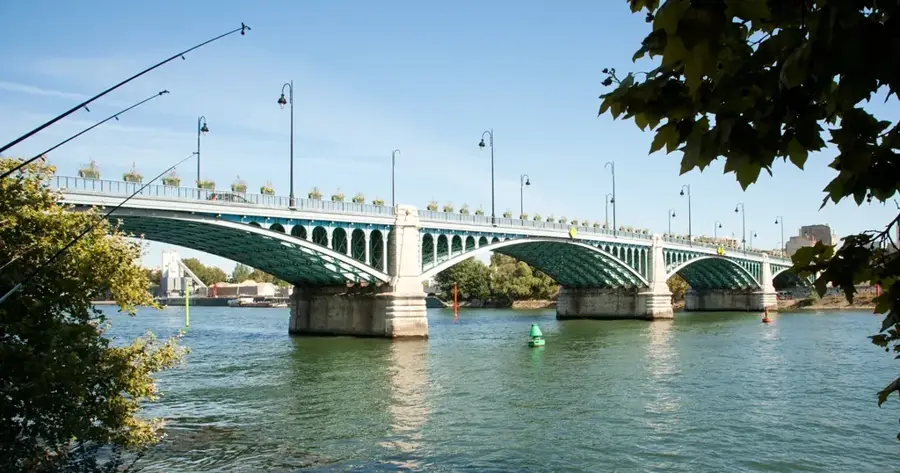
Prony Penal Colony Ruins
The remains of this southern penal colony were used for timber extraction and housing prisoners during the 19th century.
Learn more →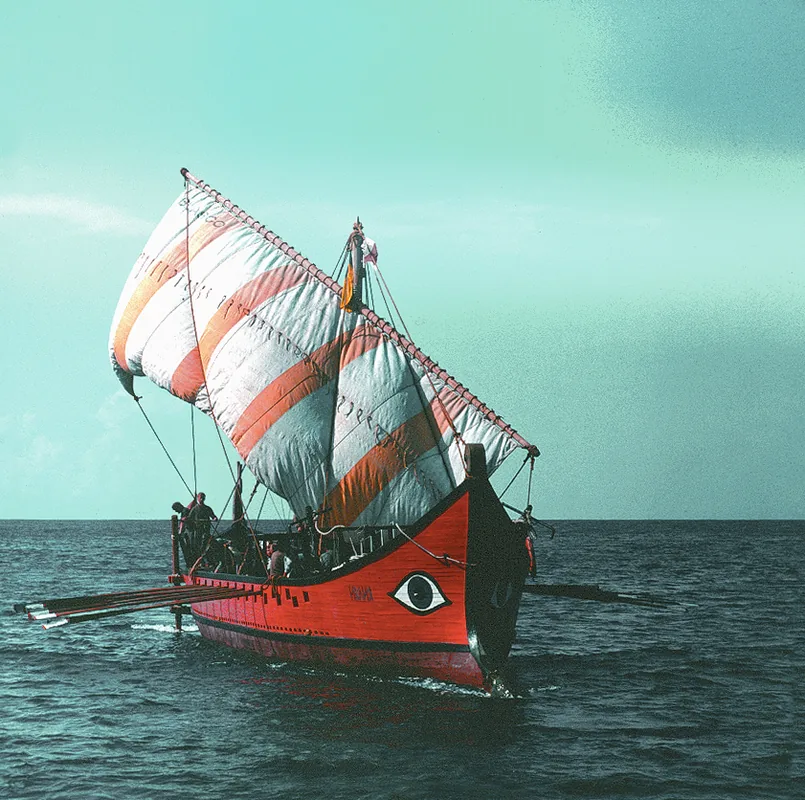
Maré Archaeology
Maré island is home to monumental stone walls (La Roche), which are a mystery of prehistoric Pacific construction.
Learn more →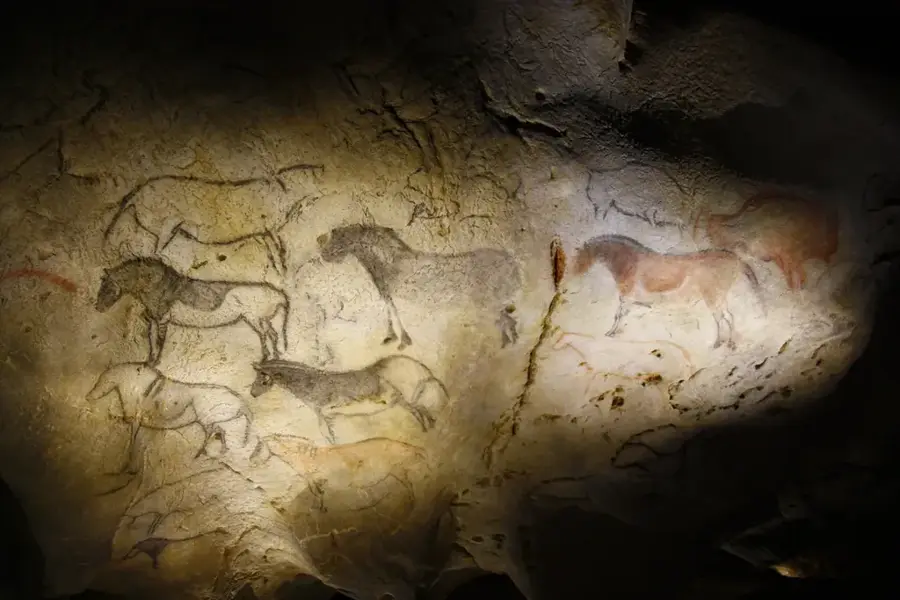
Deva Archaeological Site
Significant finds from prehistoric times and the early settlement history of the Kanak were discovered in the Deva domain.
Learn more →Nature
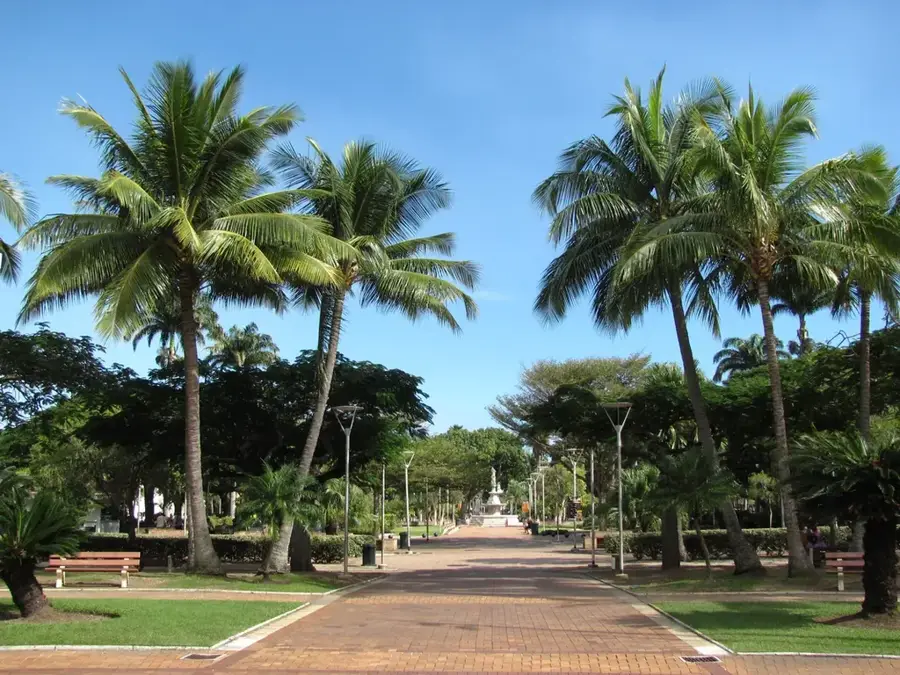
Place des Cocotiers
The historic main square in the center of Nouméa, which has been the city's social hub since the 19th century.
Learn more →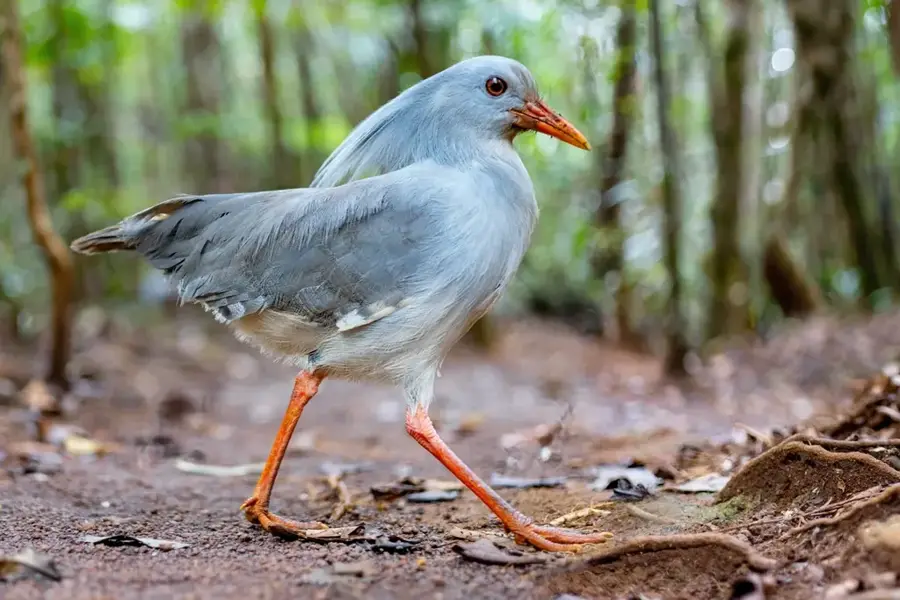
Rivière Bleue Provincial Park
A 9,000-hectare park in the South Province, protecting the endangered Cagou bird and ancient Houp trees in a preserved environment.
Learn more →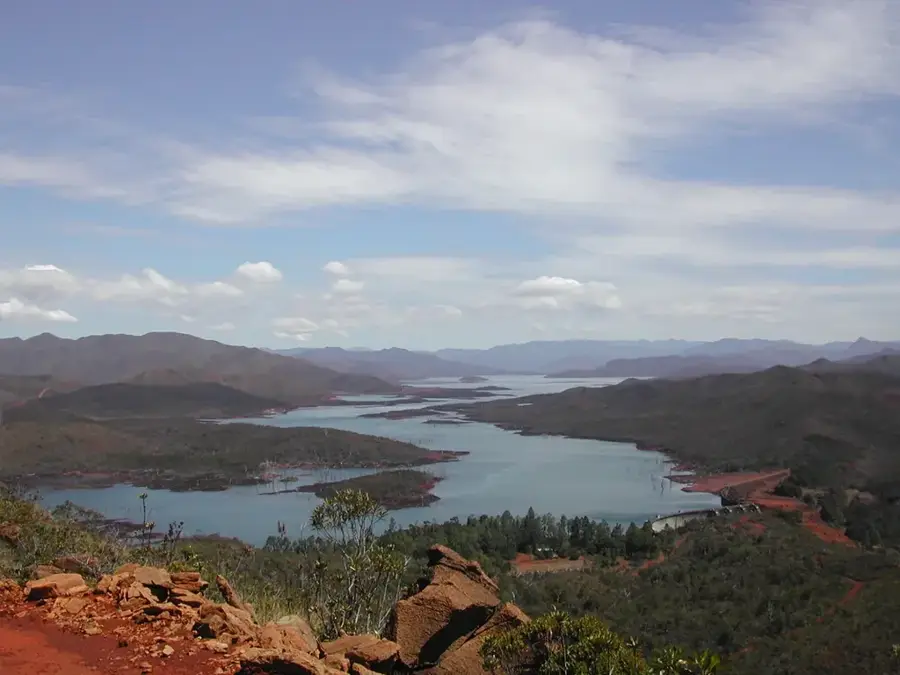
Lake en Huit
Lake en Huit is a distinctive lake in southern New Caledonia, named after its figure-eight shape.
Learn more →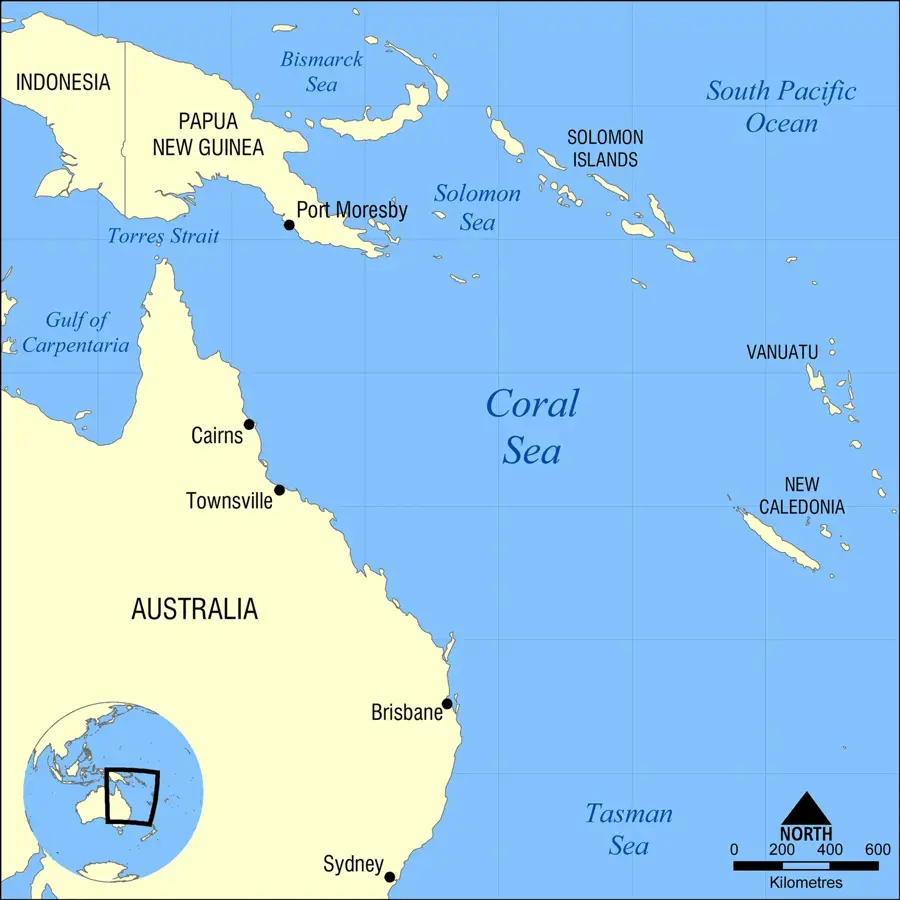
Coral Sea Natural Park
One of the world's largest marine protected areas, encompassing a vast ecosystem of coral reefs, whales, and seabirds.
Learn more →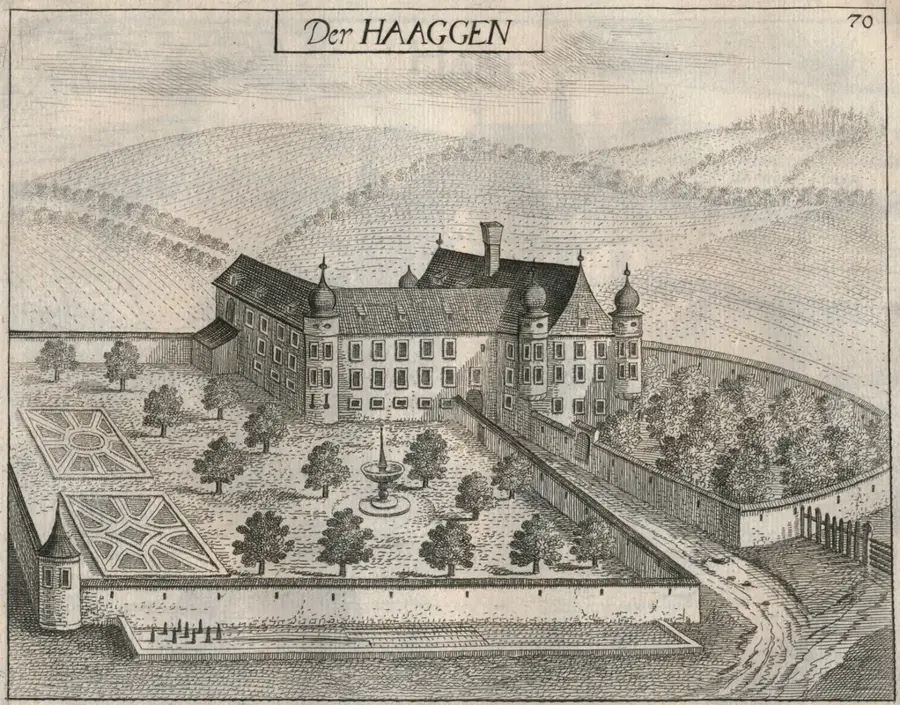
Chateau Hagen Gardens
The historical botanical gardens surrounding Chateau Hagen, which house a collection of exotic plants from the colonial era.
Learn more →
Deva Natural Domain
A vast protected domain preserving dry forests, mangroves, and rich coastal flora between the mountains and the lagoon.
Learn more →
Astrolabe Reefs
The Astrolabe Reefs are remote coral atolls located north of the Loyalty Islands.
Learn more →
Mont Panié
Mont Panié is the highest point in New Caledonia, reaching an elevation of 1,628 meters.
Learn more →
Michel Corbasson Zoological and Forest Park
Located on the heights of Nouméa, this park combines a botanical garden with a zoo featuring the island's endemic fauna.
Learn more →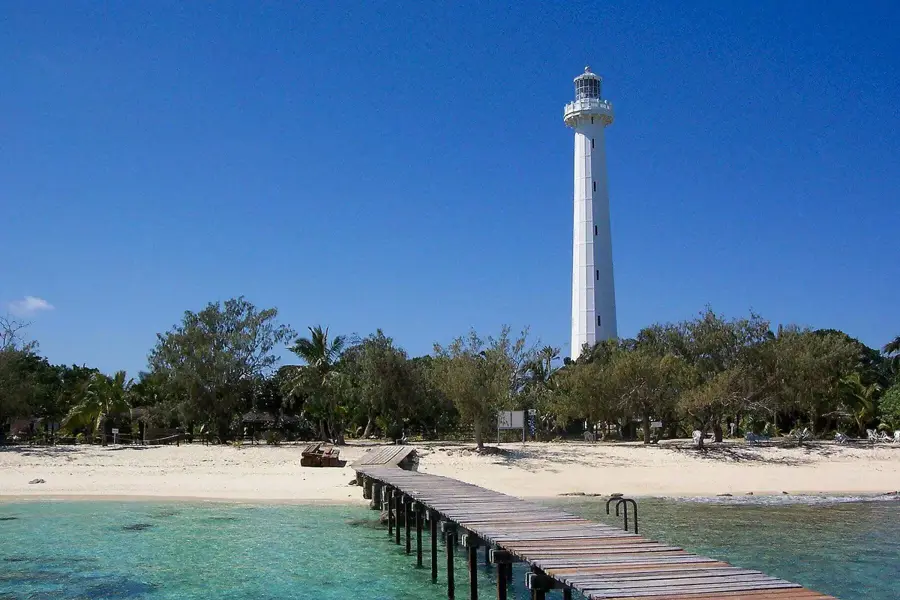
Amédée Lighthouse Marine Reserve
A protected marine area surrounding Amédée Island, famous for its sea snakes, turtles, and colorful coral gardens.
Learn more →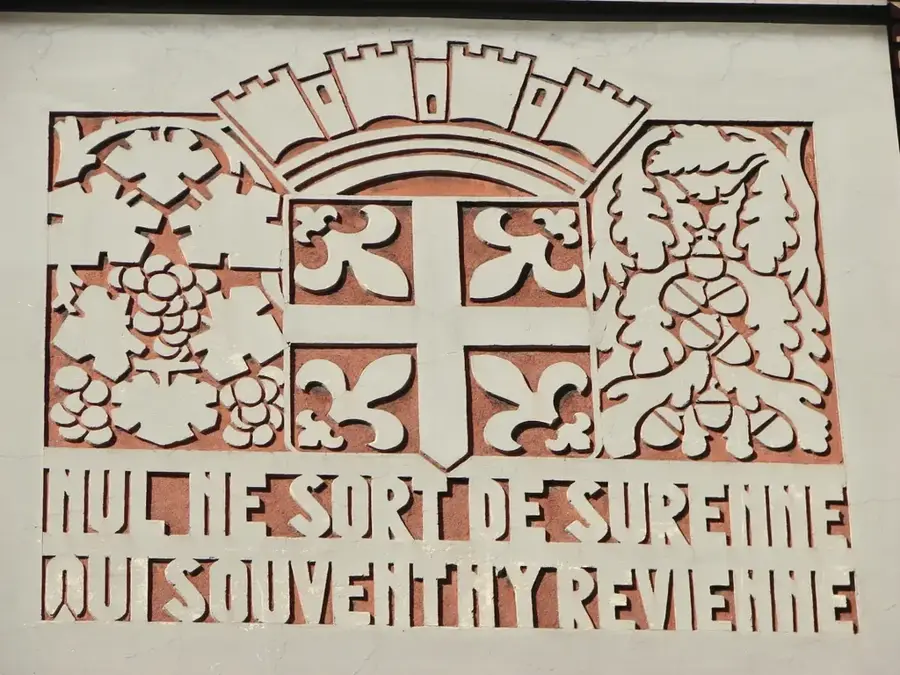
Îlot Signal Nature Reserve
A significant nesting site for seabirds and a rich coral ecosystem protecting the marine diversity of the outer lagoon.
Learn more →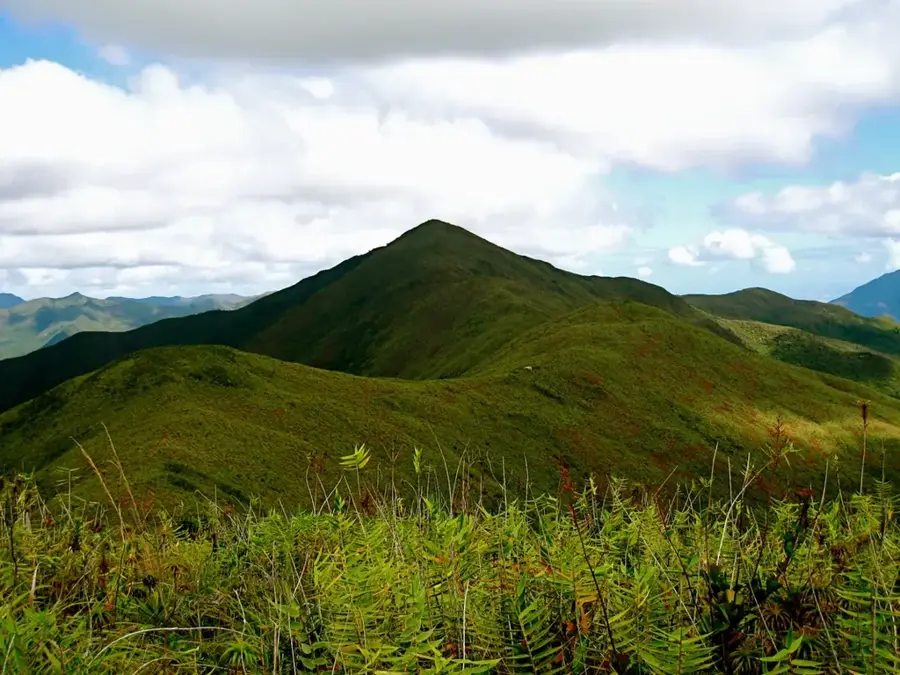
Mont Humboldt
Mont Humboldt is the second highest peak in New Caledonia at 1,618 meters.
Learn more →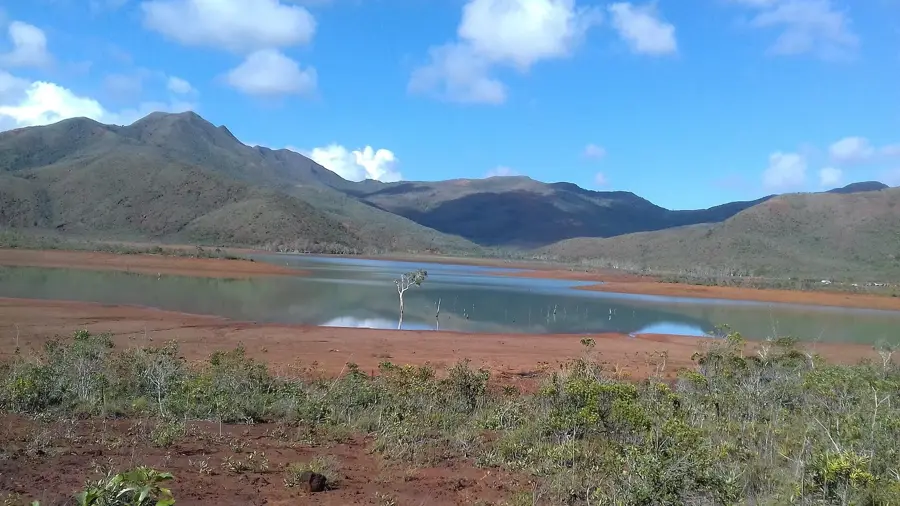
Rivière Blanche Reserve
This wetland area houses rare marsh plants and is a critical habitat for threatened waterbirds of the South Province.
Learn more →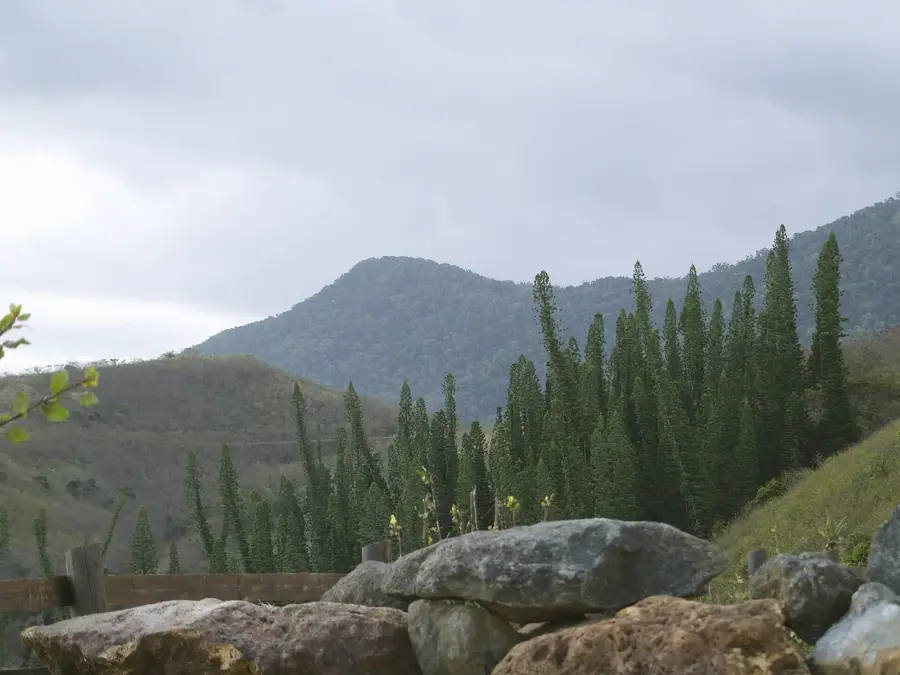
Turtle Bay Reserve
A protected coastal stretch known for its araucaria forests and as a major beach for sea turtle egg-laying.
Learn more →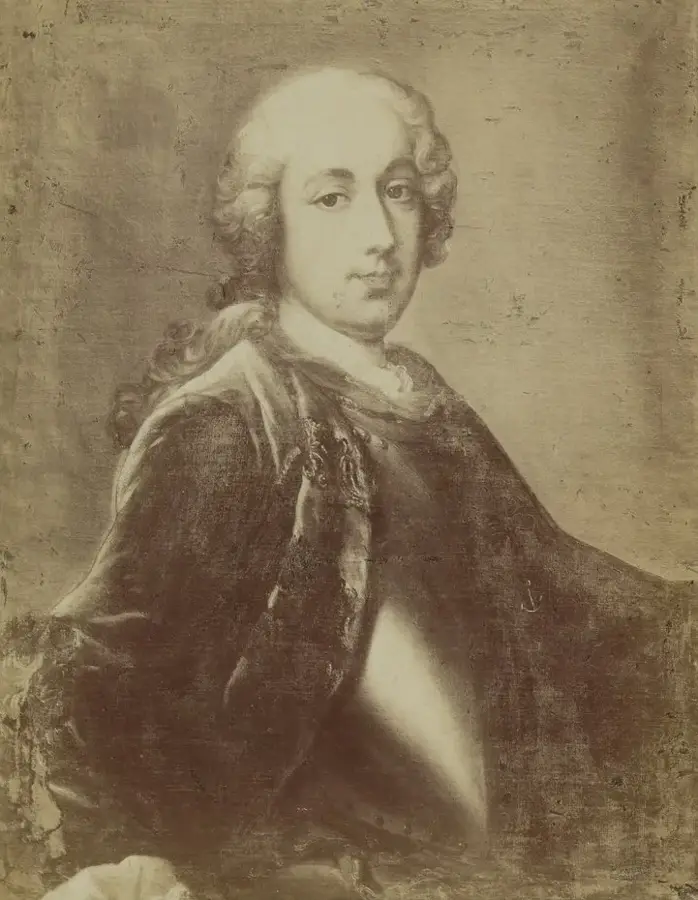
Entrecasteaux Reefs
A remote UNESCO-protected site serving as a globally significant nesting ground for green sea turtles and seabirds.
Learn more →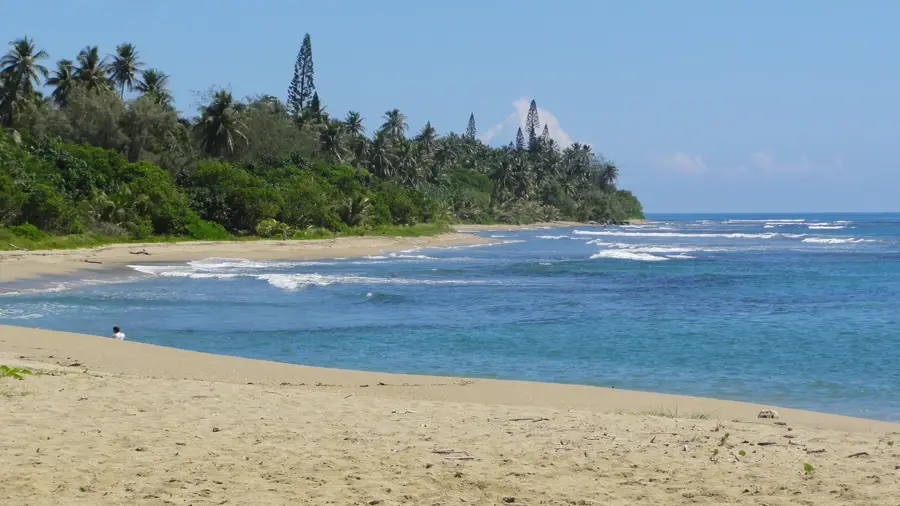
Poindimié Marine Reserve
A protected area on the east coast known for its intact coral walls and high density of macro marine life.
Learn more →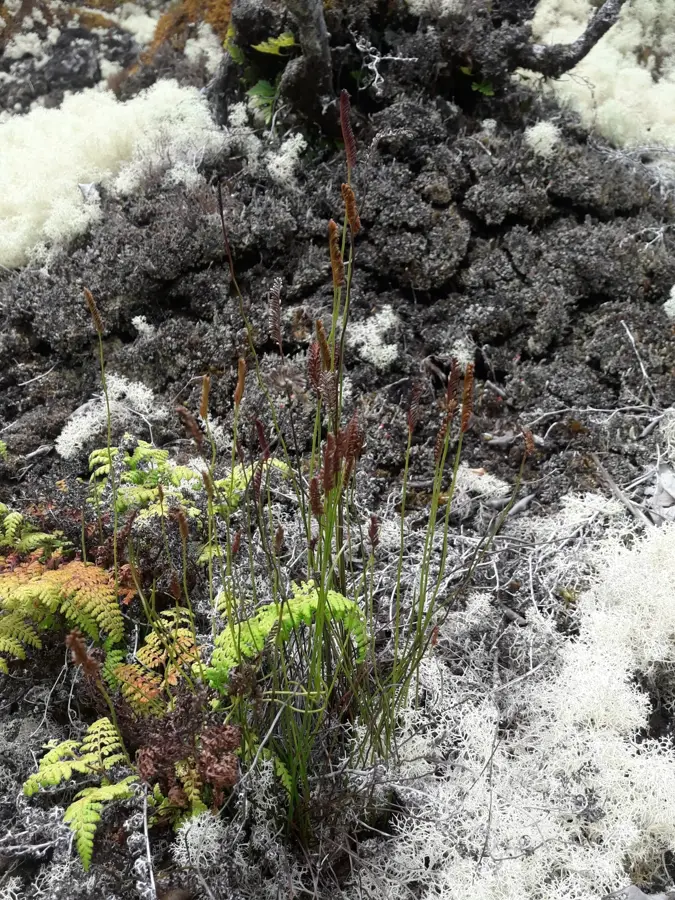
Dogny Plateau
The Dogny Plateau near Sarraméa offers breathtaking views of both the east and west coasts of Grande Terre.
Learn more →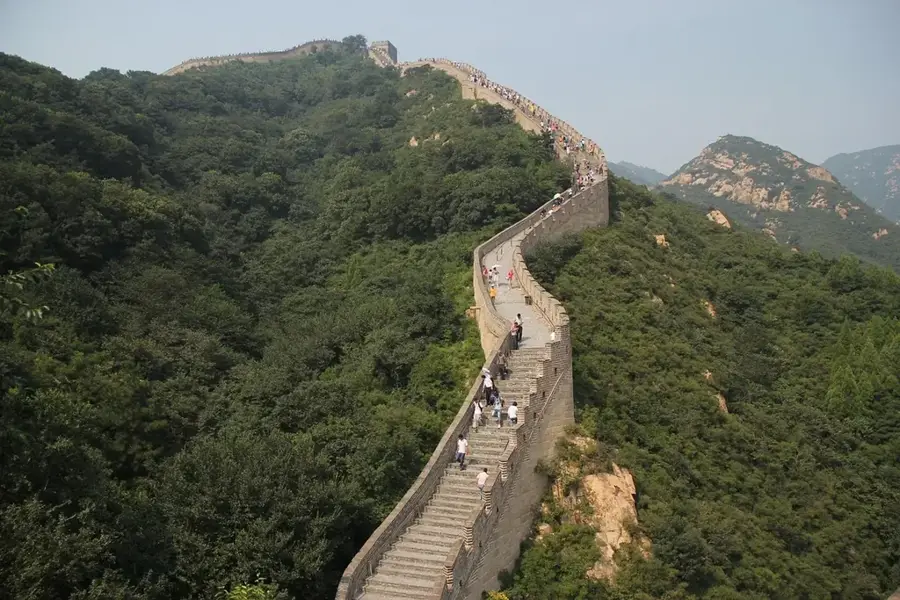
Great Kaori Peak
This peak in the south is named after the giant Kaori tree located at its base.
Learn more →Cities & Architecture
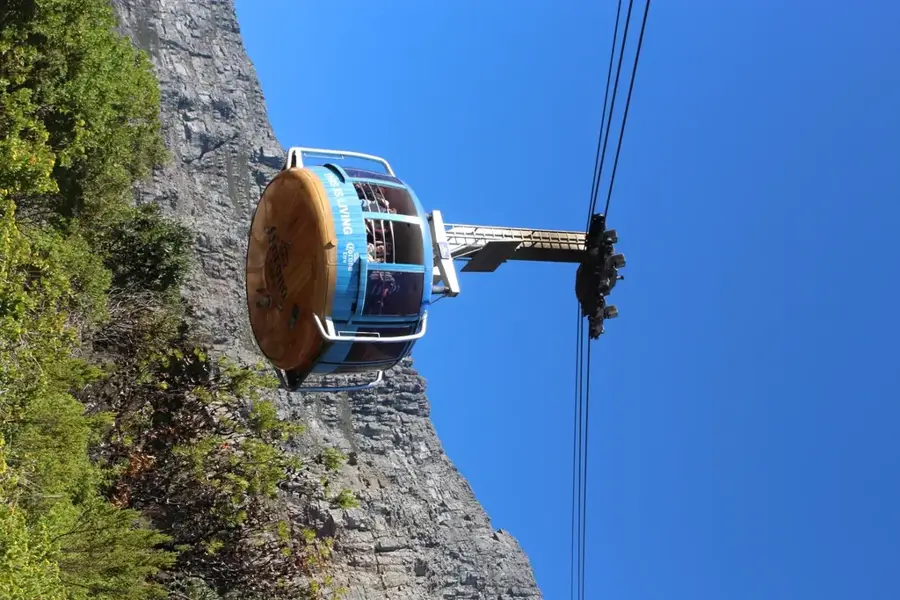
Thio Mining Museum
Housed in the former office building of the SLN mining company, this museum documents the region's 100-plus years of nickel mining history.
Learn more →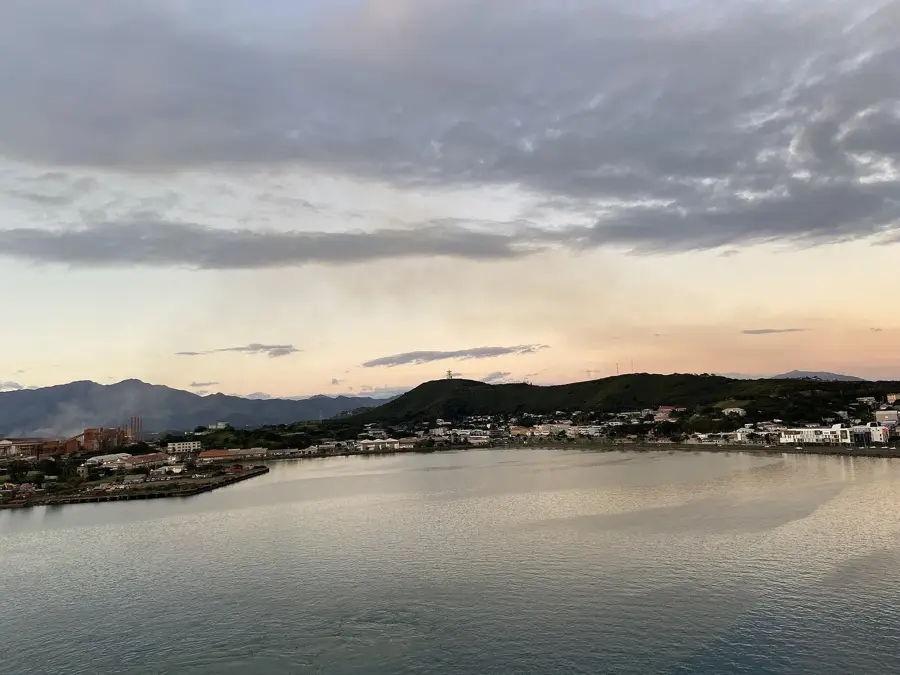
Maritime Museum of New Caledonia
The museum in an old building near the harbor showcases maritime history, from James Cook's discovery to the shipwrecks of La Pérouse.
Learn more →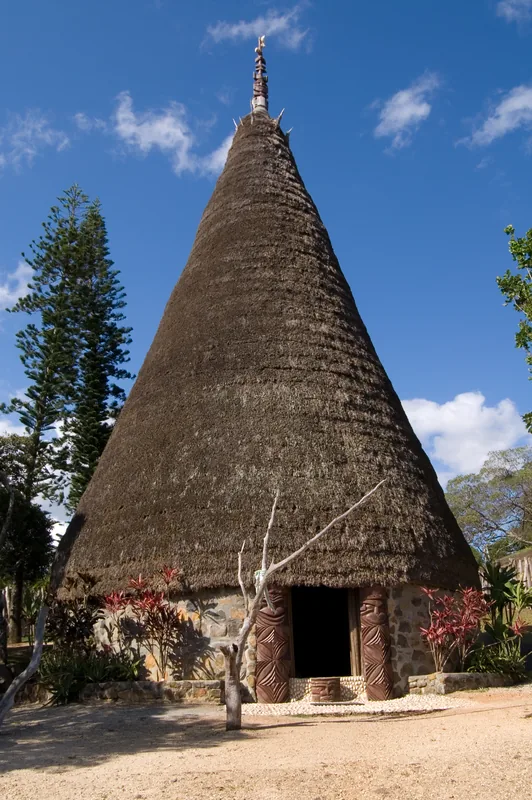
Tjibaou Cultural Centre
Designed by Renzo Piano, this centre celebrates Kanak culture with ten wooden structures resembling traditional huts.
Learn more →Frequently asked questions
What are the top attractions in New Caledonia?
Among the most popular are Upi Bay, Ouvéa Bay, Roche Percée, Madeleine Waterfalls, Place des Cocotiers and many more – the full top 50 list is on this page.
When is the best time to visit New Caledonia?
May to October offers the most pleasant weather; July and August are warmest and busiest.