Plizio Visual Lab
Saada
ℹ️Practical info — Saada
▾
🌤 Weather — 5 days
📍 Nearby
Sights nearby
💡 Tips
- Always travel with a trusted local guide and monitor security advisories closely due to the geopolitical situation.
- Ask for explicit permission before photographing the traditional mud-brick architecture or local people.
- Visit the souks and artisan workshops in the early morning to beat the intense midday heat.
- Dress extremely conservatively to respect the deeply rooted traditions of the local Zaidi community.
- Carry enough local currency at all times, as international credit cards are not functional here.
🍽 Food
The traditional Yemeni stew, most authentically served in the small, modest eateries of the old city.
Fresh Yemeni flatbread, bought directly from the traditional clay ovens at the local market.
Yemeni coffee flavored with cardamom, best enjoyed in the traditional coffee houses within the souk.
🛍 Shopping · 🧘 Quiet spots
Traditional handcrafted daggers found in the antique shops of the medieval souk.
Filigree silver jewelry crafted by local artisans, renowned for its intricate historical patterns.
A walk along the remnants of the earthen fortifications provides quiet moments and views over the old town.
Peaceful spots for quiet reflection; just be mindful of the strict entry rules for non-Muslims.
Water temperature…
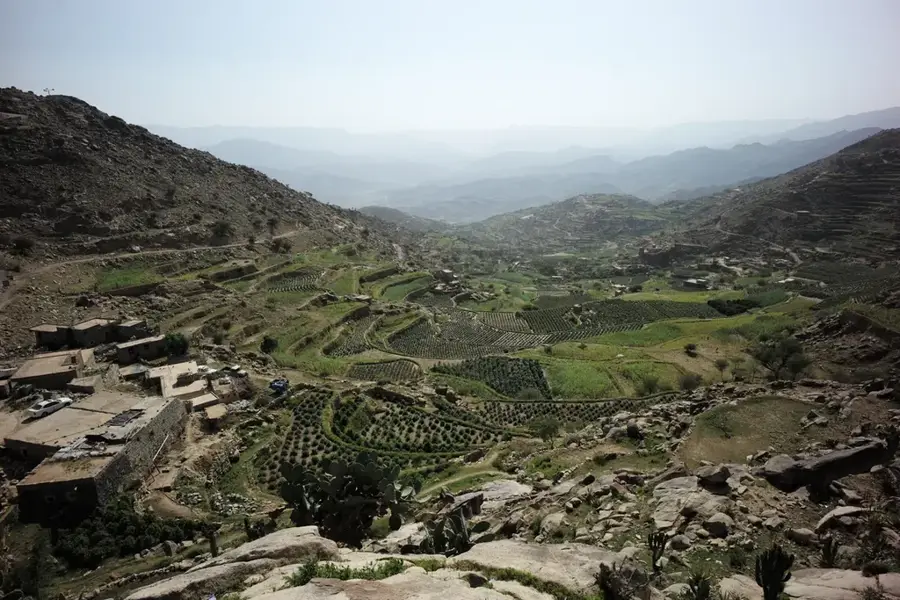
Saada is a city of profound religious and geopolitical significance, located in the far north of Yemen near the Saudi Arabian border. It is famously recognized as the historic stronghold of Zaidism, a branch of Shia Islam that governed Yemen for over a millennium. The city was established in the late 9th century by Imam al-Hadi ila'l-Haqq Yahya, whose tomb remains a central landmark in the Great Mosque. Saada's architecture is unique, characterized by its extensive use of mud-brick and pisé (rammed earth) construction. The Old City is enclosed by massive earthen walls that have historically defended it from invaders. Geographically, it sits in a high-altitude basin at about 1,800 meters, benefiting from fertile volcanic soil. This environment supports the production of some of Yemen's finest exports, including pomegranates, grapes, and citrus fruits. Historically, Saada was a crucial node on the inland trade route between Yemen and the Hijaz region. It was also a renowned center for tanning leather and metalwork, particularly the forging of high-quality blades. In modern times, the city has been the epicenter of political movements that have reshaped the nation's trajectory. Despite enduring significant damage during recent conflicts, Saada remains a symbol of Northern Yemeni identity and tribal pride. The city continues to be a major administrative center for the Saada Governorate, maintaining its role as a theological and cultural beacon for the Zaydi community across the region.
- Location: Yemen
- Top sights: Jabal al Hamra' · Jabal Wahban · Al Qishlah
- Population: ~51.870 (2026)
Best time to visit & climate
The most pleasant time to visit is Mar, Apr, Oct.
| Jan | Feb | Mar | Apr | May | Jun | Jul | Aug | Sep | Oct | Nov | Dec | |
|---|---|---|---|---|---|---|---|---|---|---|---|---|
| Avg °C | 16 | 17 | 20 | 22 | 24 | 26 | 26 | 25 | 24 | 20 | 17 | 15 |
| Rain mm | 3 | 1 | 2 | 7 | 3 | 1 | 6 | 7 | 1 | 1 | 3 | 5 |
Geography
Facts
- Saada was founded in 897 AD by the first Zaydi Imam of Yemen.
- The city's ancient fortifications include 52 distinct watchtowers.
- Saada is located at an altitude of 1,800 meters (5,900 feet).
- The city serves as the northern gateway to the Kingdom of Saudi Arabia.
- Saada's pomegranate exports are a multi-million dollar industry.
- The historic 'Bab al-Yemen' in Saada is a masterpiece of mud architecture.
- The city is home to several ancient Jewish archaeological sites.
- Saada was traditionally the main center for Yemeni hide and leather trade.
Explore nearby
Notable places around
Route planner — Car & Motorhome
Where do you start? We build the route here, with stops and country notes along the way.
© OpenStreetMap contributors · OpenRouteService
Sights in the town Saada (7)
Frequently asked questions
What is Saada?
Is the city touristy?
Are there historical buildings there?
What is the political situation?
What is in the surrounding area?
Saada: where is it located?
Saada: what is there to see?
Saada: when is the best time to visit?
Saada: why is it worth visiting?

Nearby cities