Plizio Visual Lab
Vatican Olive Grove
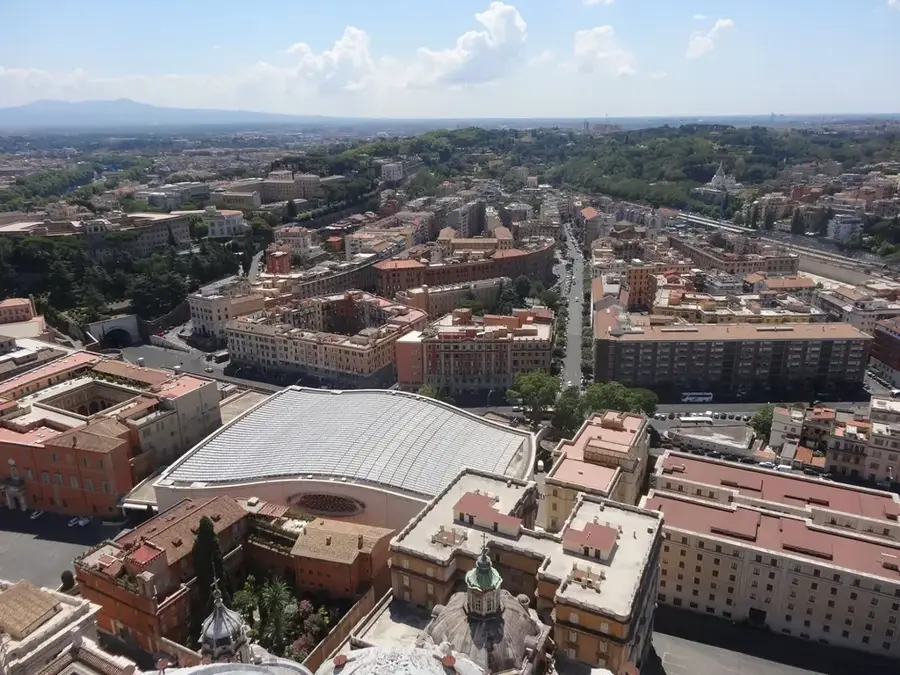
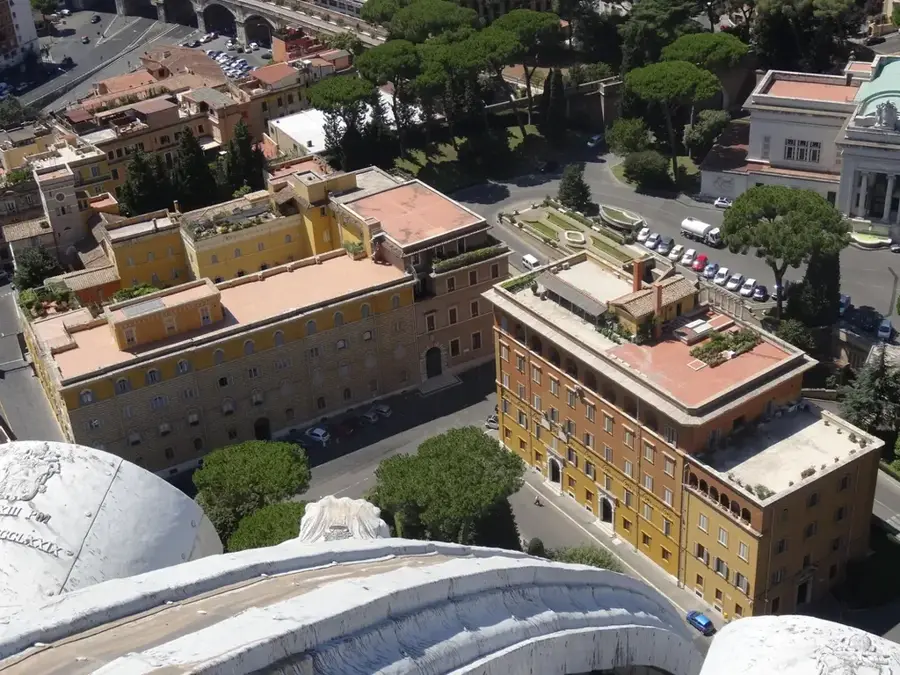
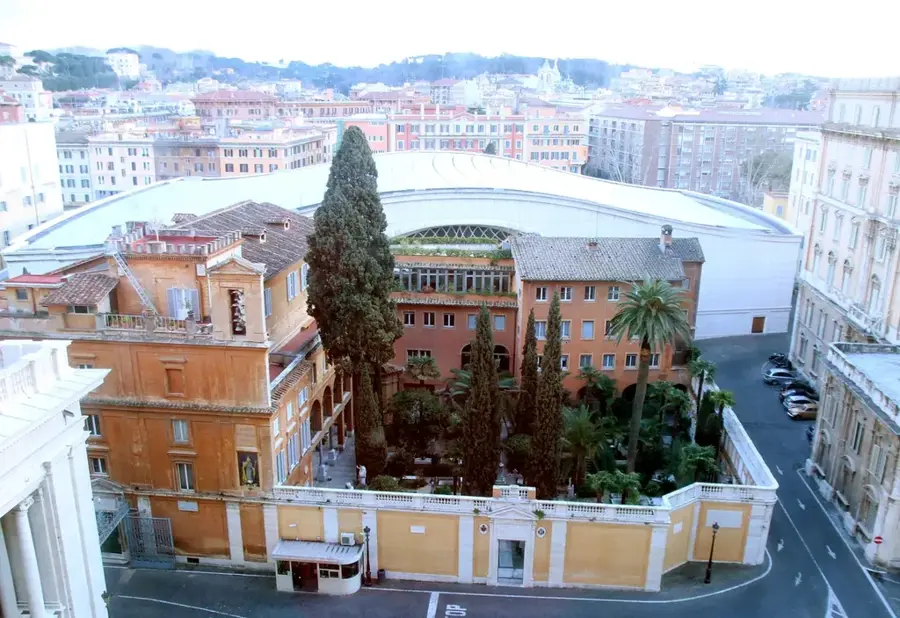
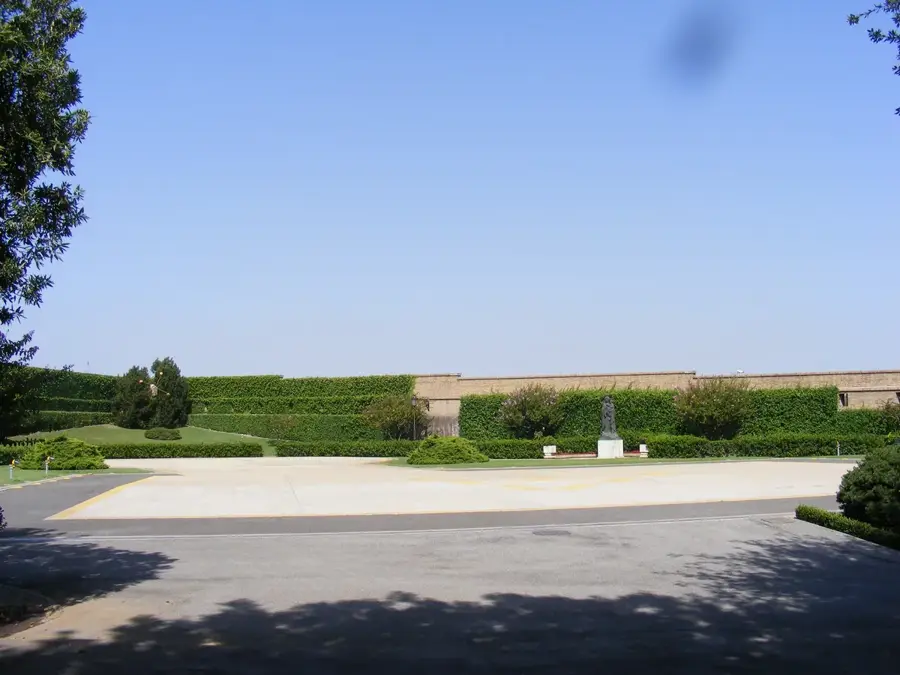
The Vatican Olive Grove is an area of profound symbolic and practical significance that has steadily expanded in recent decades. In Christian tradition, the olive tree is a symbol of peace, reconciliation, and divine grace, which is why it holds a place of honor within the papal gardens. The grove features a diverse collection of trees, including centuries-old specimens from various Italian regions and diplomatic gifts from nations such as Israel and Palestine. Each year, a meticulously planned harvest takes place to produce olive oil used within the Vatican for both culinary purposes and sacred rites, such as the preparation of holy chrism. Botanically, these trees are perfectly adapted to the Roman climate and require minimal irrigation, making them a prime example of sustainable landscaping. The grove also provides a critical habitat for pollinators and birds, enhancing the gardens' overall ecological balance. Walking through the olive grove evokes a sense of biblical timelessness, connecting the Church's spiritual message with the ancient agricultural traditions of the Mediterranean. Maintenance of the trees follows traditional techniques to ensure the continued health and yield of the historic, gnarled trunks.
- Location: Vatican
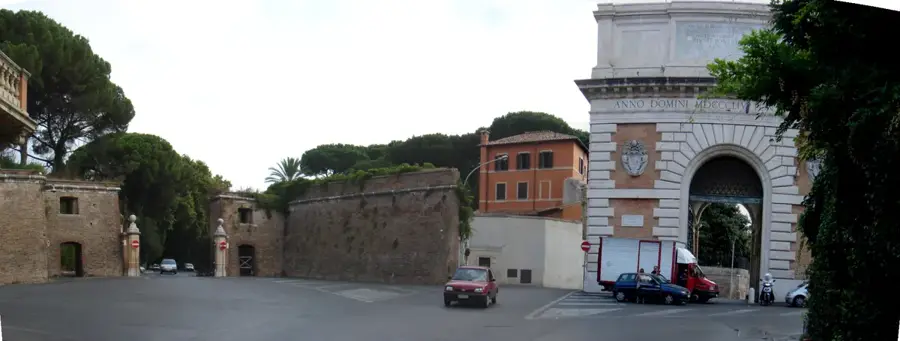
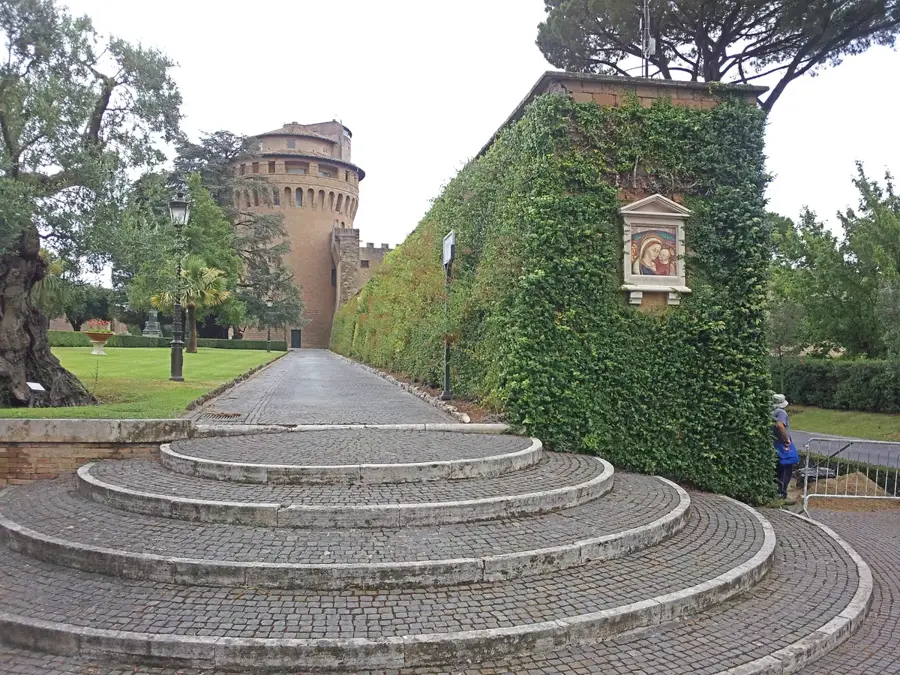
- Top sights: Lourdes Grotto · St John's Tower · Porta Pertusa
Best time to visit & climate
The most pleasant time to visit is May, Jun, Sep.
| Jan | Feb | Mar | Apr | May | Jun | Jul | Aug | Sep | Oct | Nov | Dec | |
|---|---|---|---|---|---|---|---|---|---|---|---|---|
| Avg °C | 7 | 8 | 10 | 14 | 18 | 23 | 26 | 26 | 21 | 17 | 12 | 8 |
| Rain mm | 73 | 77 | 69 | 56 | 57 | 34 | 26 | 26 | 70 | 82 | 114 | 92 |
📋 Practical info
Geography
Facts
- Several trees were donated by the Israeli government in 2014.
- The olive oil produced is used for the Pope's personal household.
- The grove includes the 'Leccino' and 'Frantoio' varieties.
- Olive trees here represent the 'Green Vatican' initiative.
- Pruning is performed in early spring to maximize growth.
- The area provides a quiet space for papal meditation.
Explore nearby
Notable places around
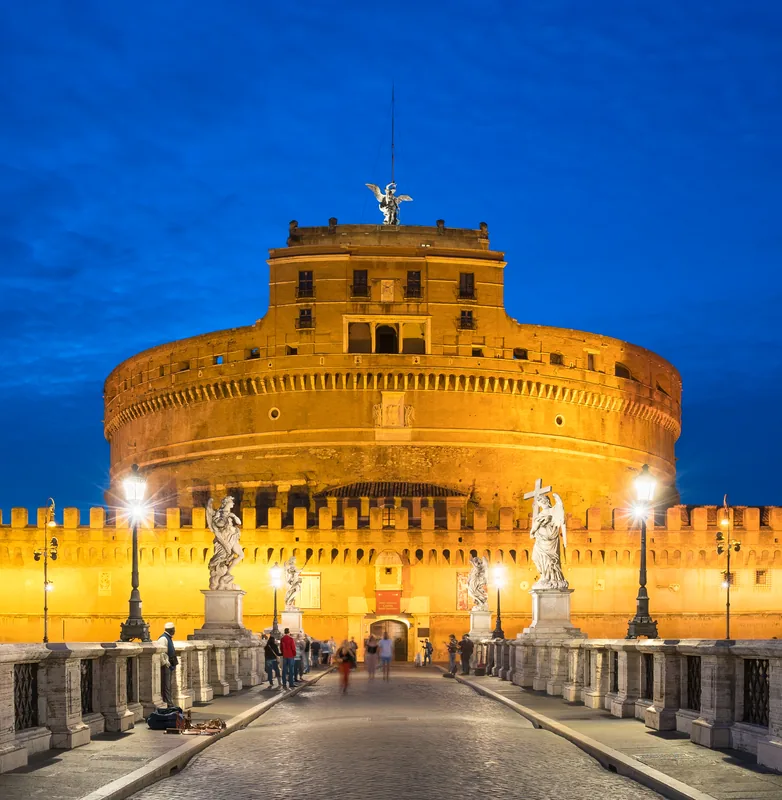
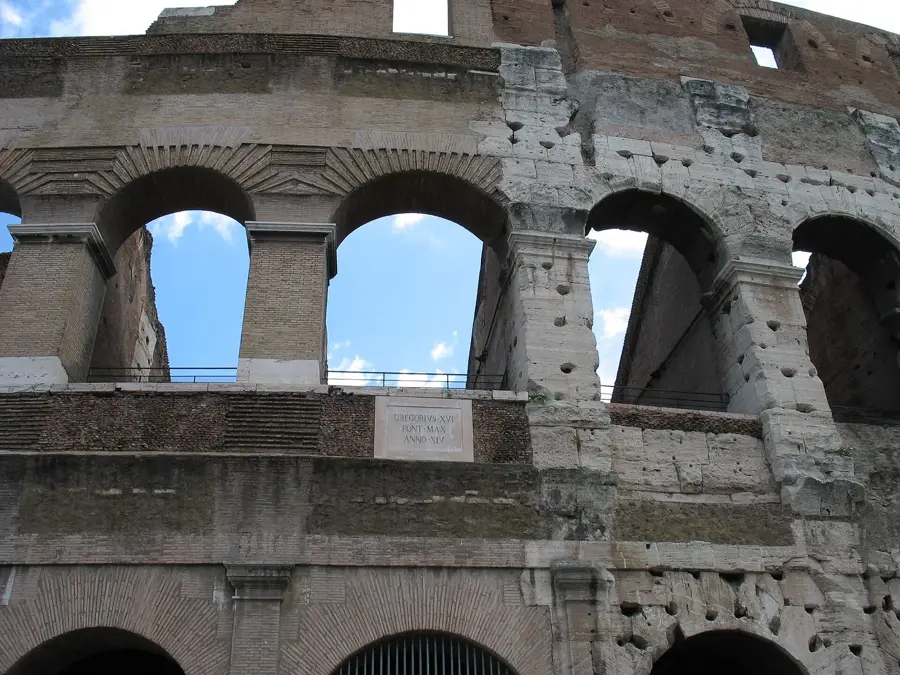
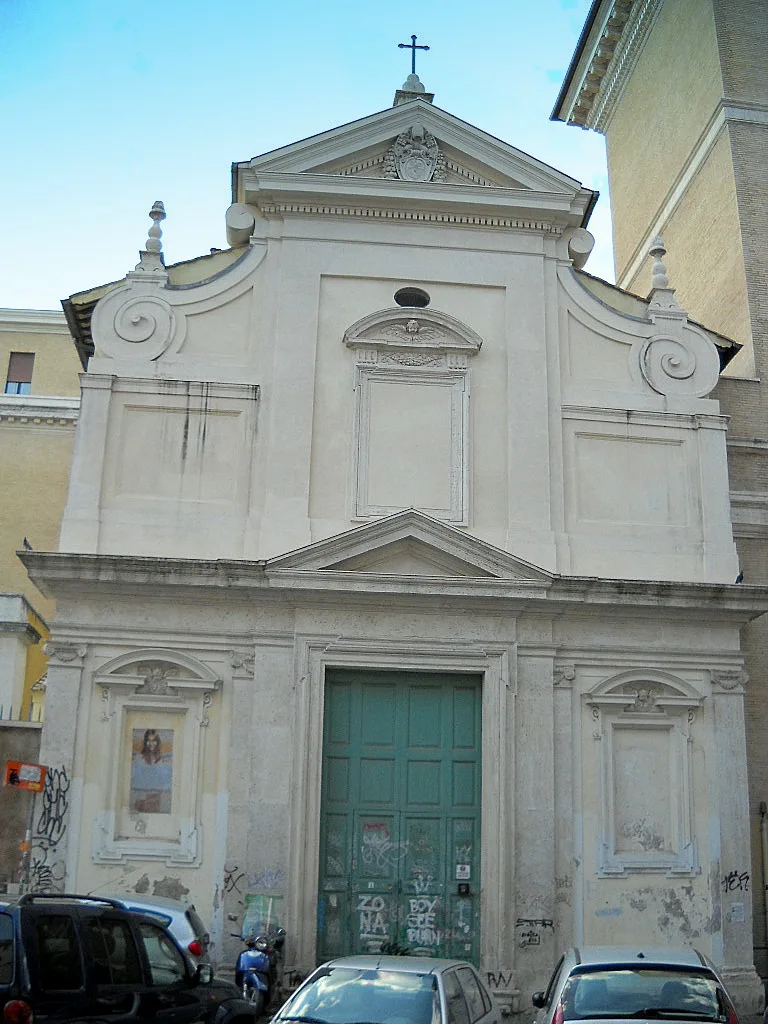
Route planner — Car & Motorhome
Where do you start? We build the route here, with stops and country notes along the way.
© OpenStreetMap contributors · OpenRouteService
Sights in the town Vatican Olive Grove (10)
St Mary's Church
Church building in Vatican City.
Saint Stephen of the Ethiopians⛪ church
Church of Vatican City, dedicated to Saint Stephen and the Ethiopians.
Chiesa di Santa Maria Mediatrice
Church building in Rome, Italy.
Teatro Cyrano
Theatre in Vatican City.
Pius IV House
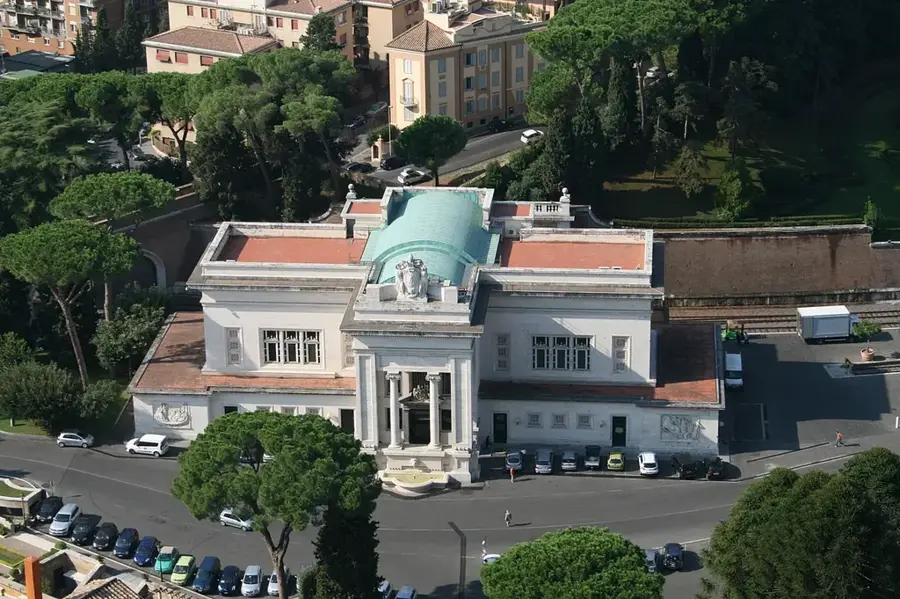
Seat of the Pontifical Academy of Sciences.
Cupola di San Pietro
Dome of St. Peter's Basilica, landmark of Vatican City.
Sights nearby
Frequently asked questions
Is oil pressed from the olives?
How old are the olive trees?
Are there other useful plants there?
Are you allowed to pick olives?
When is the harvest time?
Vatican Olive Grove: where is it located?
Vatican Olive Grove: what is there to see?
Vatican Olive Grove: when is the best time to visit?
Vatican Olive Grove: why is it worth visiting?

History & landmarks

Nature
More places