Plizio Visual Lab

Pomegranate Grove
Plizio editorial teamData Sources
park
—°10
Pomegranate Grove (Vatican)

Weather…

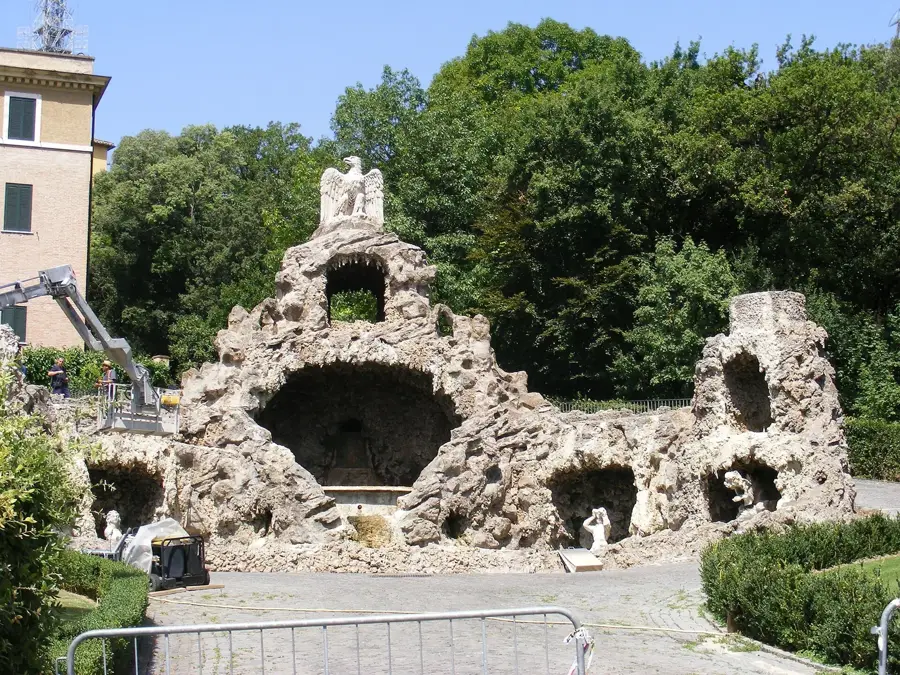
The Pomegranate Grove (Giardino dei Melograni) is a small but symbolically rich garden section celebrating the religious and cultural significance of the pomegranate. In Christian iconography, the fruit often represents the Resurrection, fertility, and the unity of the Church under one shepherd. This grove consists of several varieties of Punica granatum, prized for their bright red flowers in early summer and decorative fruits in autumn. The arrangement is somewhat informal, reminiscent of Mediterranean orchards, creating a welcoming and peaceful atmosphere. Historically, pomegranates were frequently planted in papal gardens to emphasize connections to the Holy Land and biblical traditions. The trees are carefully pruned to encourage a healthy yield, although the fruits remain in the Vatican primarily for decorative and symbolic purposes. The grove also provides a handy habitat for small songbirds and is a popular subject for botanical illustrations.

Best time to visit & climate

The most pleasant time to visit is May, Jun, Sep.

JanFebMarAprMayJunJulAugSepOctNovDec
Avg °C781014182326262117128
Rain mm7377695657342626708211492

📋 Practical info

🧭
Getting there
Access to the Pomegranate Grove is restricted to visitors participating in official guided tours of the Vatican Gardens, which typically depart from the Vatican Museums entrance. You must book your tickets in advance through the official channels as independent exploration of this hillside area is not permitted.
📅
Best season
The area is open for tours throughout the year, but the lush vegetation is most impressive during the spring and early summer months. Visiting during the mild weather of autumn also gives a comfortable experience for walking along the slopes without the intense heat of the Roman summer.
⛰️
Terrain & paths
As part of the park relief of the gardens, the terrain here features noticeable inclines and well-defined paths that may consist of gravel or stone. The paths are maintained for safety, but visitors should be prepared for some elevation changes while navigating the area's natural features.
🎒
What to bring
Sturdy walking shoes with good grip are highly recommended for the uneven garden paths. Additionally, all visitors must adhere to the Vatican dress code, which requires shoulders and knees to be covered, so bring a light wrap or appropriate clothing even during the warmer seasons.
🅿️
Parking
There is no public parking available inside the Vatican City State for tour participants. Visitors should utilize commercial parking garages in the surrounding Prati neighborhood of Rome or arrive via public transportation, such as the Metro Line A stopping at Ottaviano or Cipro stations.
⚠️
Safety
Always stay with your designated tour group and follow the instructions of the official guide to ensure your safety and the preservation of the plants. Be mindful of your footing on sloping areas or stone steps, especially if the ground is damp from morning dew or recent rain showers. Due to its proximity to the Vatican heliport, it is especially important to stay close to your guide and follow all security protocols while visiting this symbolic orchard area.
⏱️
Time needed
A walk through the Pomegranate Grove area typically lasts about 15 to 25 minutes as part of a comprehensive two-hour guided tour of the Vatican Gardens. This timeframe allows for brief stops to admire the vegetation and historical elements while maintaining the pace set by the official itinerary.

Geography

Coordinates
41.90480, 12.45100

Facts

  • Contains both edible and ornamental pomegranate varieties
  • The flowering period usually begins in June
  • Located near the papal villas
  • Was redesigned under Pope John Paul II
  • In art, the fruit often symbolizes the Passion of Christ
  • Protected against pests using organic biological methods

Explore nearby

Notable places around
Route planner — Car & Motorhome

Where do you start? We build the route here, with stops and country notes along the way.

Vehicle
Only stops with (optional):

© OpenStreetMap contributors · OpenRouteService

Sights in the town Pomegranate Grove (10)

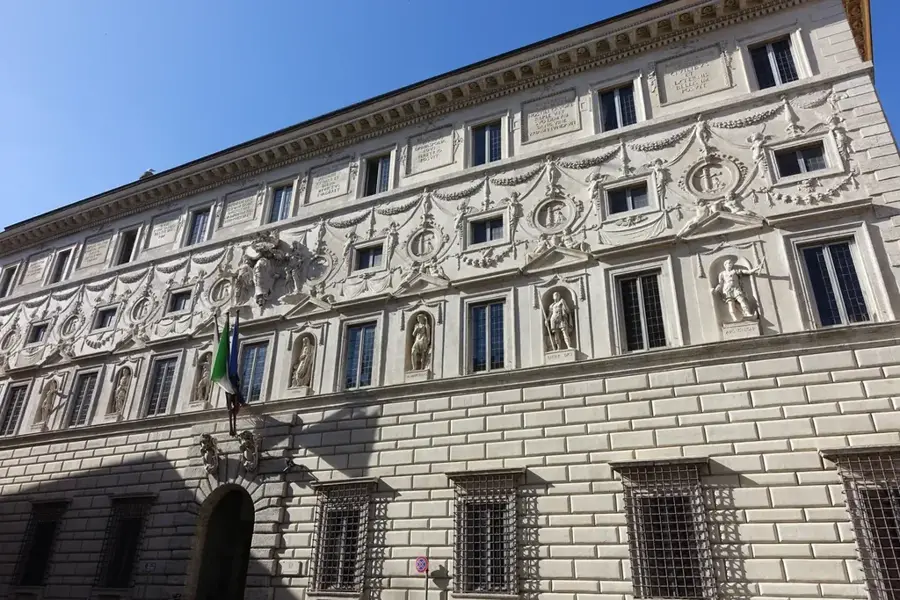
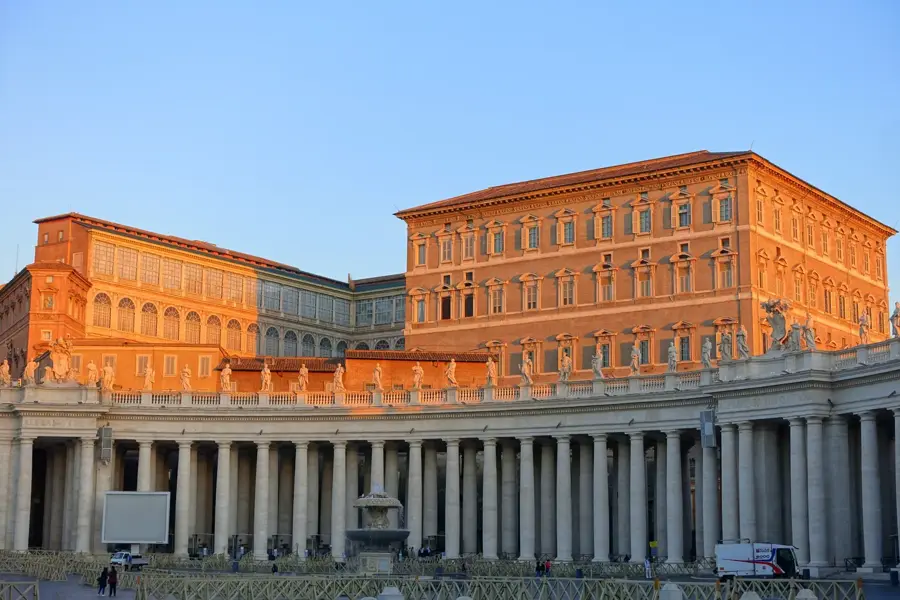
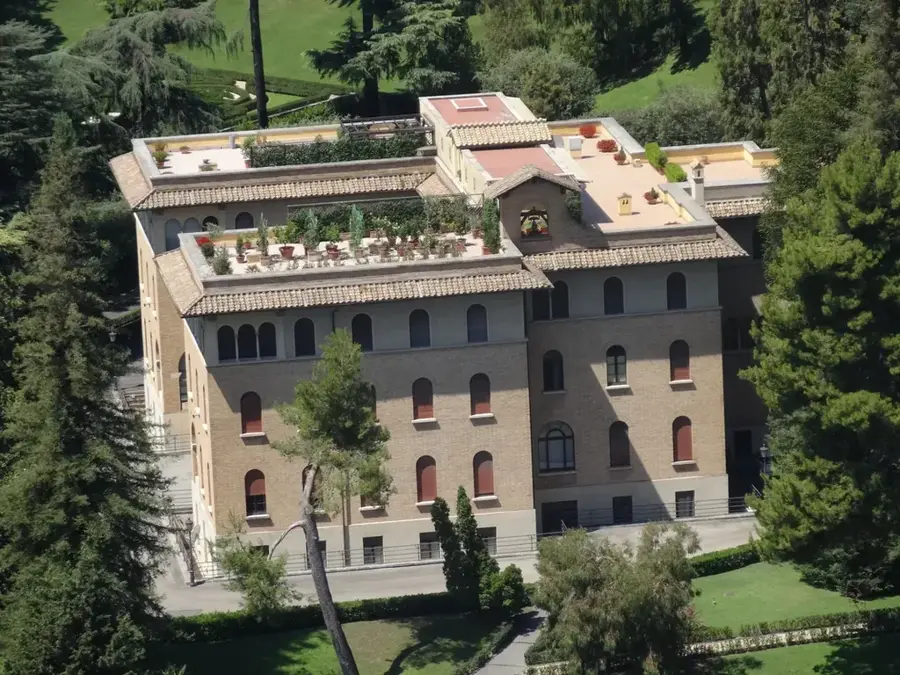
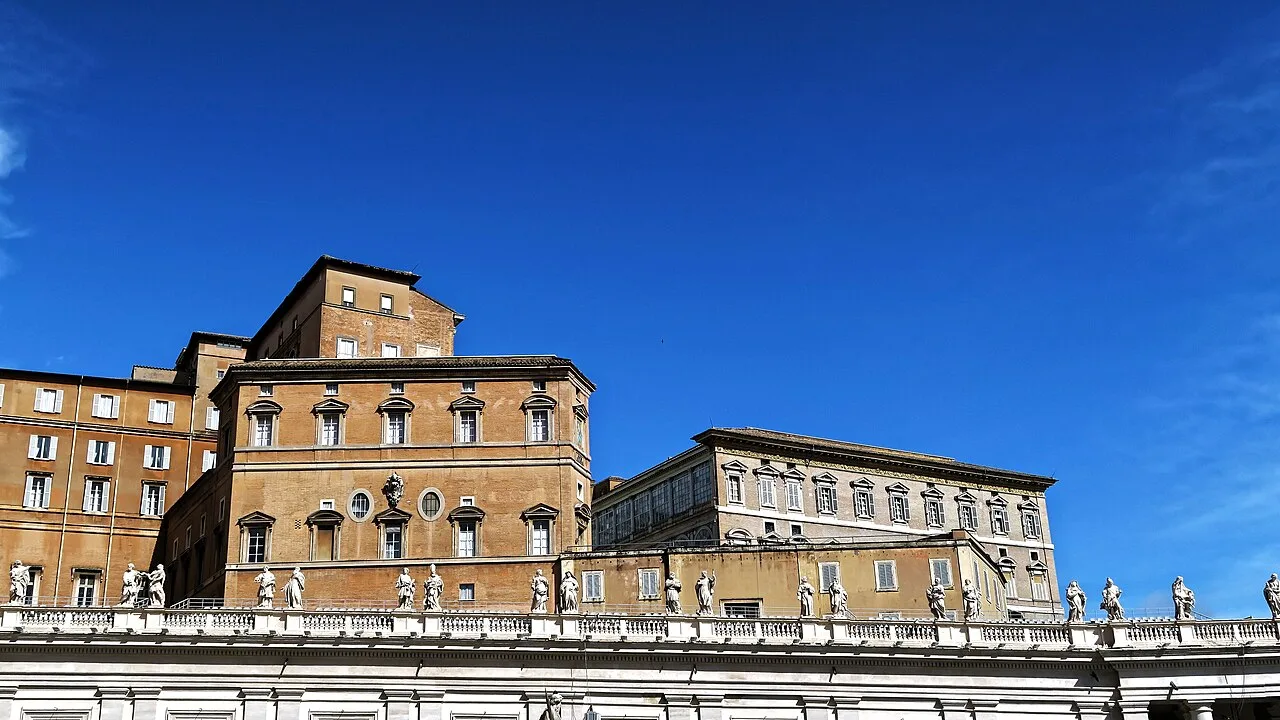
Pius IV House

Seat of the Pontifical Academy of Sciences, a Renaissance building.

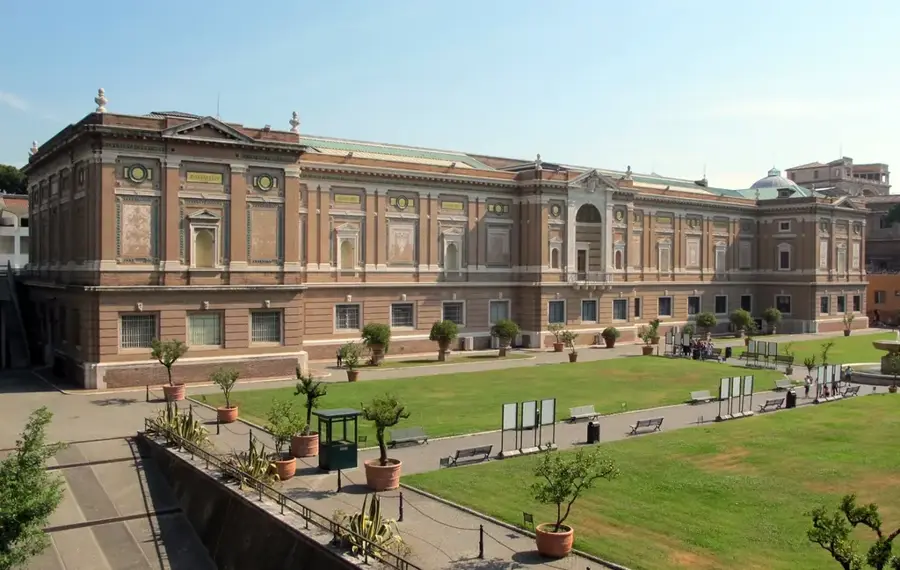
Vatican Art Gallery🏛 museum

Branch of the Vatican Museums, displaying paintings and tapestries.

🕒 Mo-Sa 08:00-17:00+💶

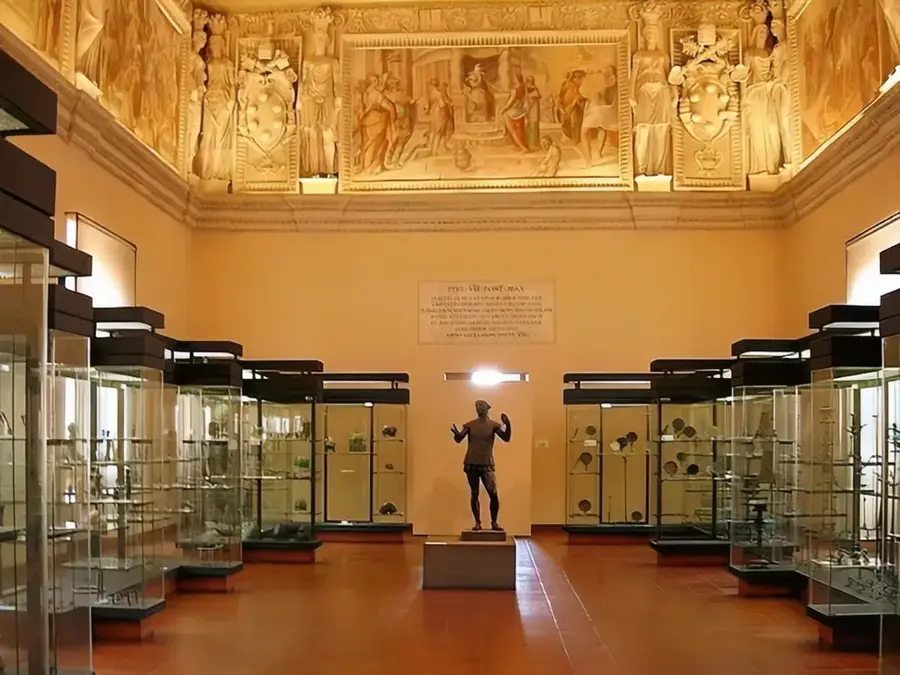
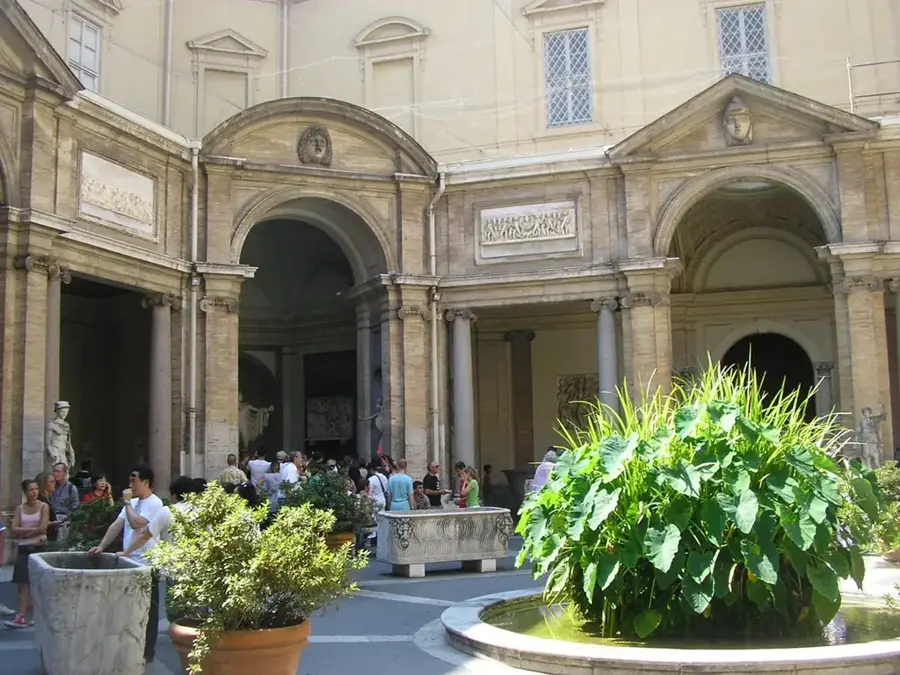
Museo Gregoriano Profano🏛 museum

Museum in the Vatican with ancient sculptures and artworks.

Vatican Museums🏛 museum

Museums of Vatican City, housing a vast art collection.

Vatican Hill

Hill in Rome, site of St. Peter's Basilica, one of the seven hills.

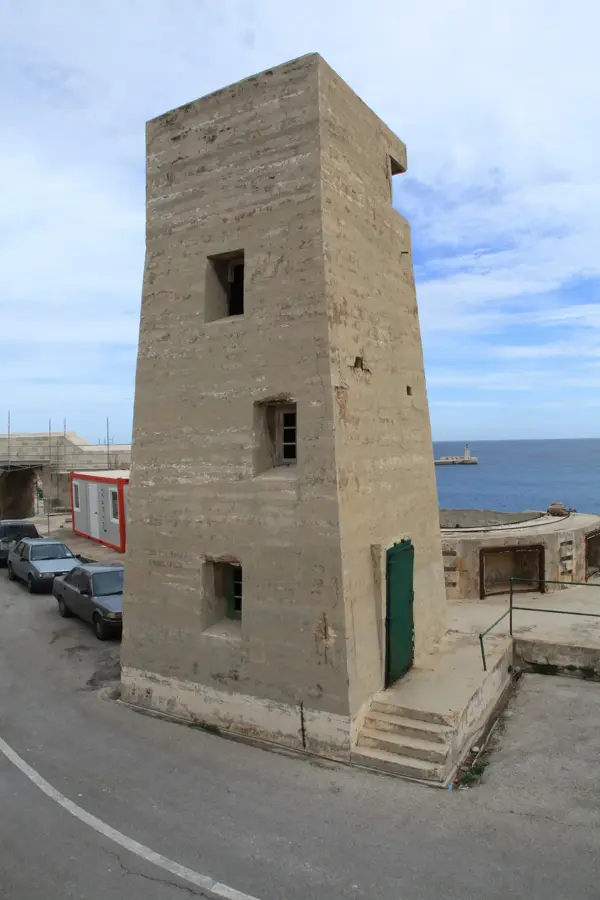
Tower of the Winds🗼 tower

Tower in Vatican City, also known as Torre dei Venti.

St Mary's Church

Church building in Vatican City, dedicated to the Virgin Mary.

Santa Maria delle Grazie al Trionfale

Church building in Rome, known for its dome.

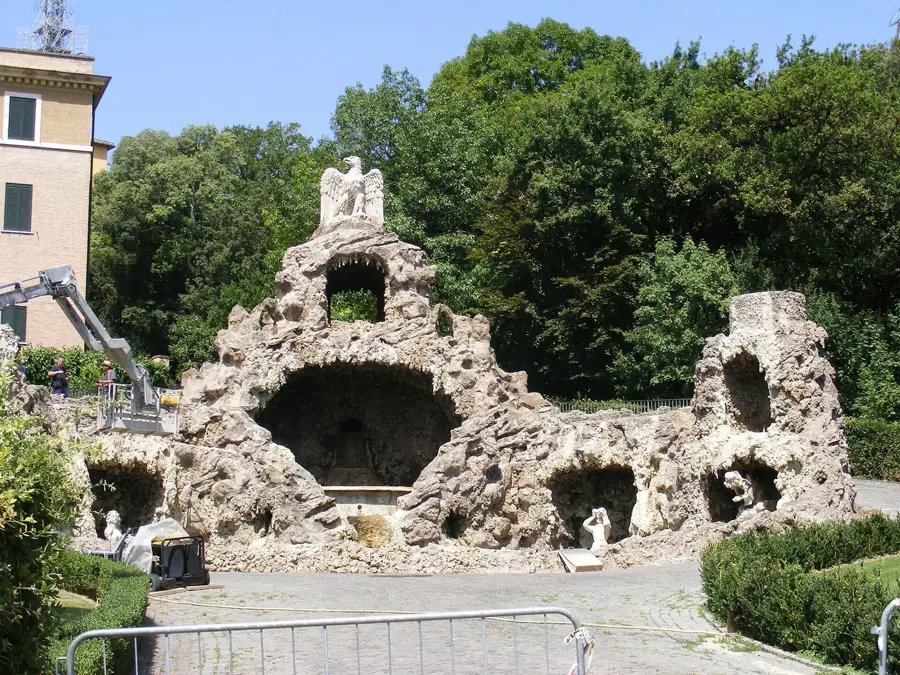
Lourdes Grotto

Replica of the Lourdes grotto in Vatican City, a place for prayer.

Belvedere Courtyard

Former Vatican courtyard, part of the Belvedere complex.

Sights nearby

Frequently asked questions

When do the pomegranate trees bloom?
The bright red flowers usually appear in late spring, around May or June.
When are the fruits ripe?
The harvest time for pomegranates is in autumn, usually between September and November.
Do pomegranates have religious significance?
Yes, in Christian art they often appear as a symbol of resurrection and immortality.
Are the trees sensitive to frost?
They tolerate light frosts but are well protected in Rome's mild climate.
Are the fruits sold?
No, the yields usually serve the internal needs of the Vatican institutions.
Pomegranate Grove: where is it located?
Pomegranate Grove is located in Vatican.
Pomegranate Grove: what is there to see?
Highlights include Pius IV House, Vatican Art Gallery, Museo Gregoriano Profano.
Pomegranate Grove: when is the best time to visit?
The most pleasant time to visit is May, Jun, Sep.
Pomegranate Grove: why is it worth visiting?

The Pomegranate Grove (Giardino dei Melograni) is a small but symbolically rich garden section celebrating the religious and cultural significance of the pomegranate.
View on map → The Top 50 Attractions → OpenStreetMap →
Europe
Explore with Plizio Discover more places in Europe
More places in Vatican →

History & landmarks

Nature

More places