Luca Ravenna - Flamingo in Rome
Luca Ravenna presents 'Flamingo' at the Auditorium Conciliazione, near the Vatican. A sharp comedy evening in a spectacular setting.
Plizio Visual Lab
Weather…
Water temperature…
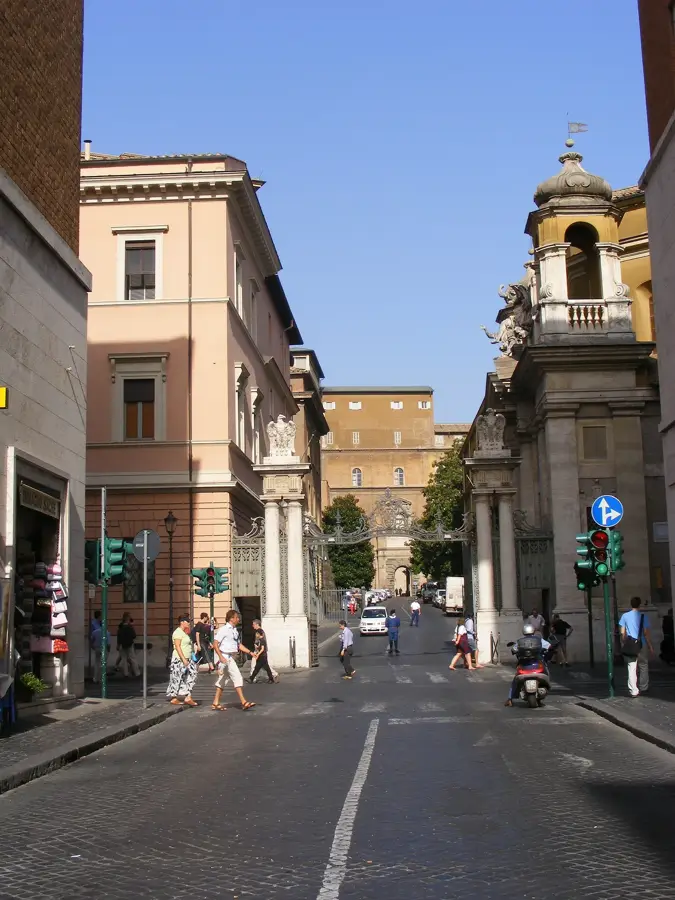
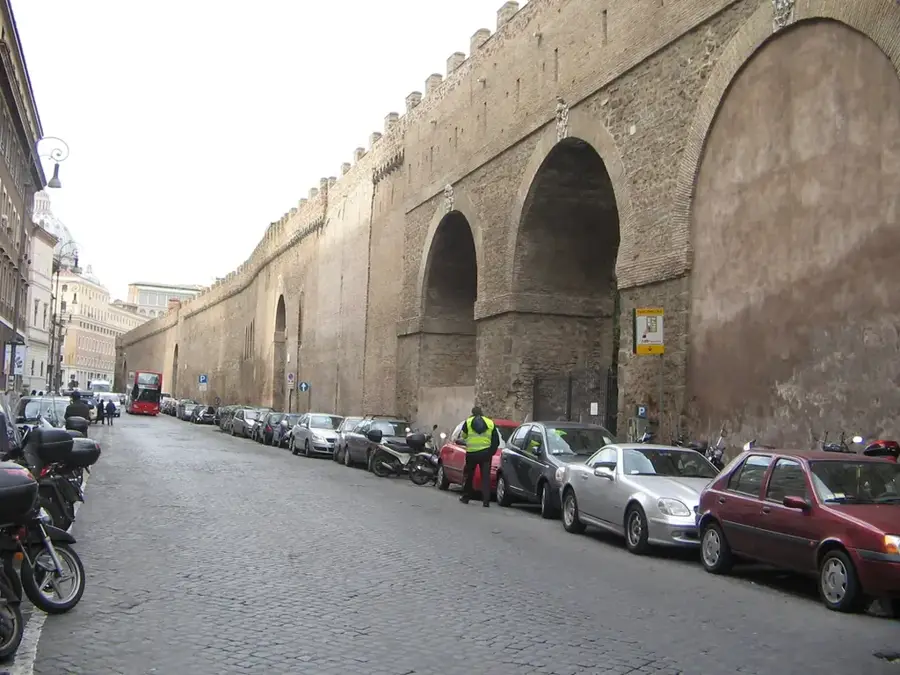
The Passetto di Borgo is a fortified elevated passage, stretching approximately 800 meters, that links the Apostolic Palace in the Vatican with Castel Sant'Angelo. Constructed in 1277 under Pope Nicholas III on the remains of an older wall, it was designed to provide popes with a secure escape route during times of imminent threat. Its most significant historical moment occurred in 1527 during the Sack of Rome, when Pope Clement VII fled through the Passetto to find refuge in Castel Sant'Angelo from the troops of Emperor Charles V. Earlier, in 1494, Pope Alexander VI utilized the passage during the invasion of King Charles VIII of France. The corridor runs above the Via di Porta Angelica, offering a strategic vantage point over the Borgo district. Architecturally, it is a prime example of medieval defensive works later reinforced during the Renaissance. Today, the Passetto remains a powerful symbol of the papacy's turbulent and often hazardous history in Rome.
The most pleasant time to visit is May, Jun, Sep.
| Jan | Feb | Mar | Apr | May | Jun | Jul | Aug | Sep | Oct | Nov | Dec | |
|---|---|---|---|---|---|---|---|---|---|---|---|---|
| Avg °C | 7 | 8 | 10 | 14 | 18 | 23 | 26 | 26 | 21 | 17 | 12 | 8 |
| Rain mm | 73 | 77 | 69 | 56 | 57 | 34 | 26 | 26 | 70 | 82 | 114 | 92 |
Notable places around
Where do you start? We build the route here, with stops and country notes along the way.
© OpenStreetMap contributors · OpenRouteService
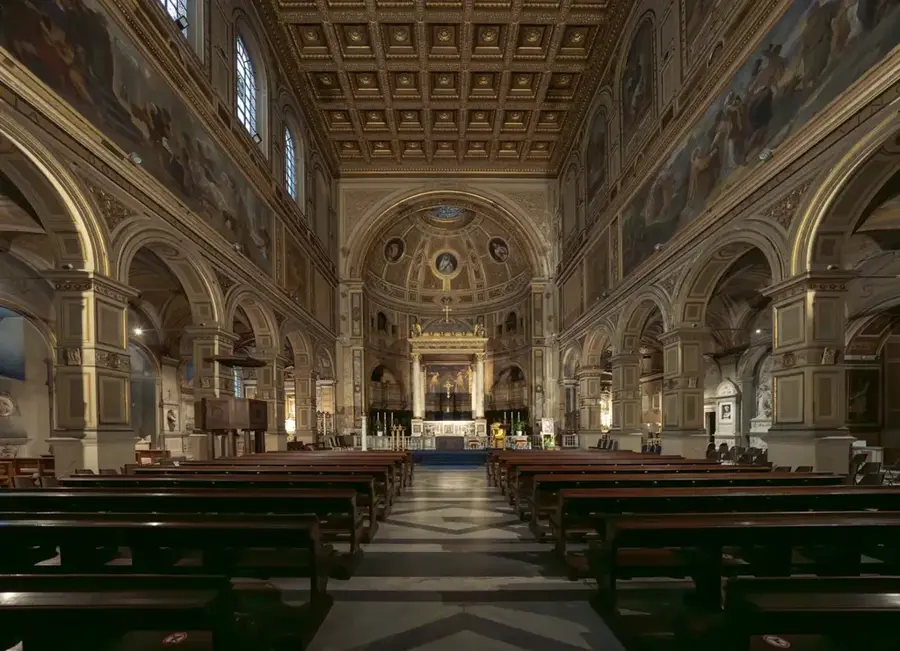
A church in Rome, built in the 16th century.
A palace in Rome, seat of the Torlonia family.
A museum in Rome displaying works and inventions of Leonardo da Vinci.
A hospital in Italy, founded in the 12th century.
An ancient theatre in ancient Rome, used for performances.
A bridge in Rome, named after King Victor Emmanuel II.
A church in Rome, dedicated to Our Lady of Mount Carmel.