Plizio Visual Lab
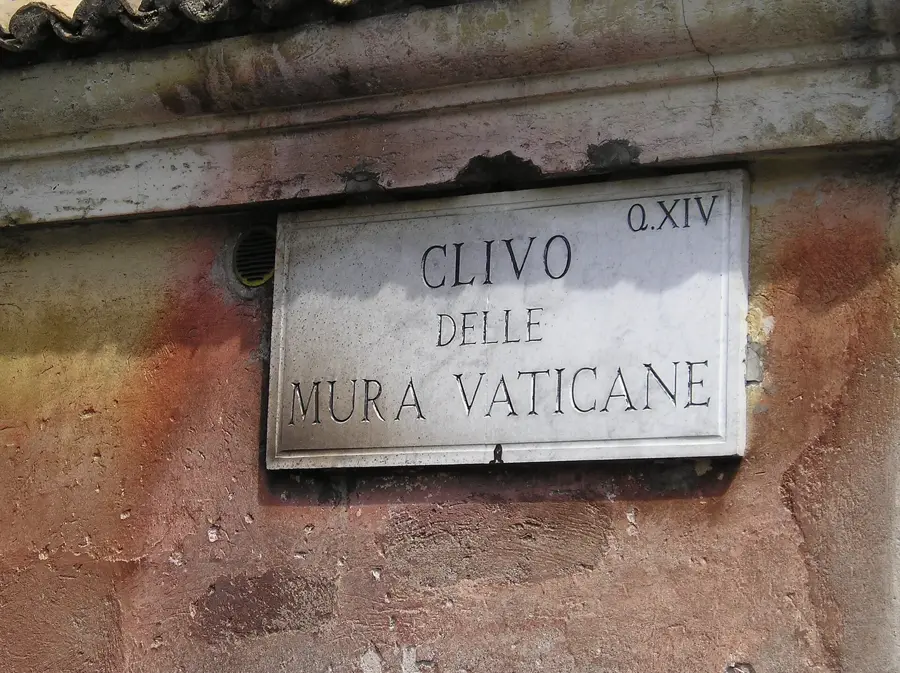
Leonine Wall Green Belt
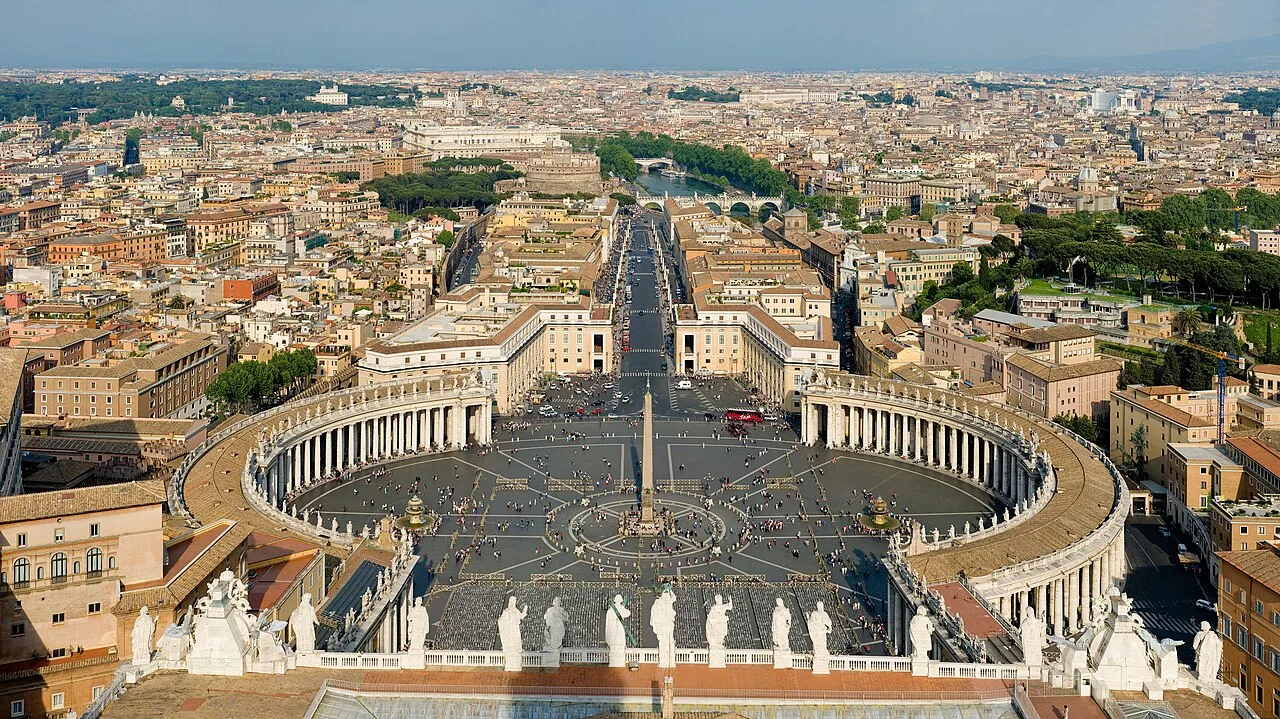
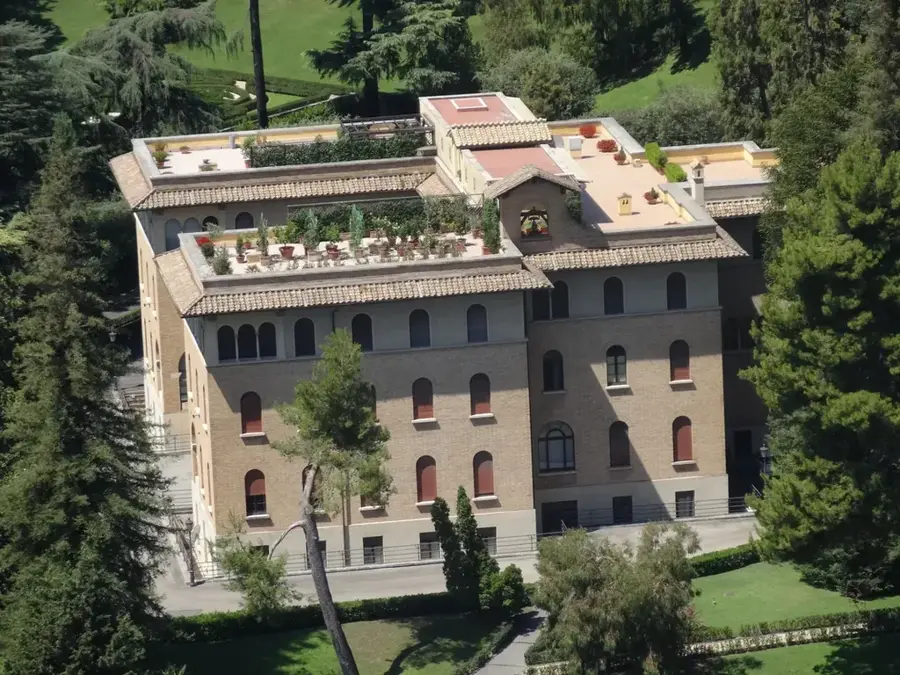
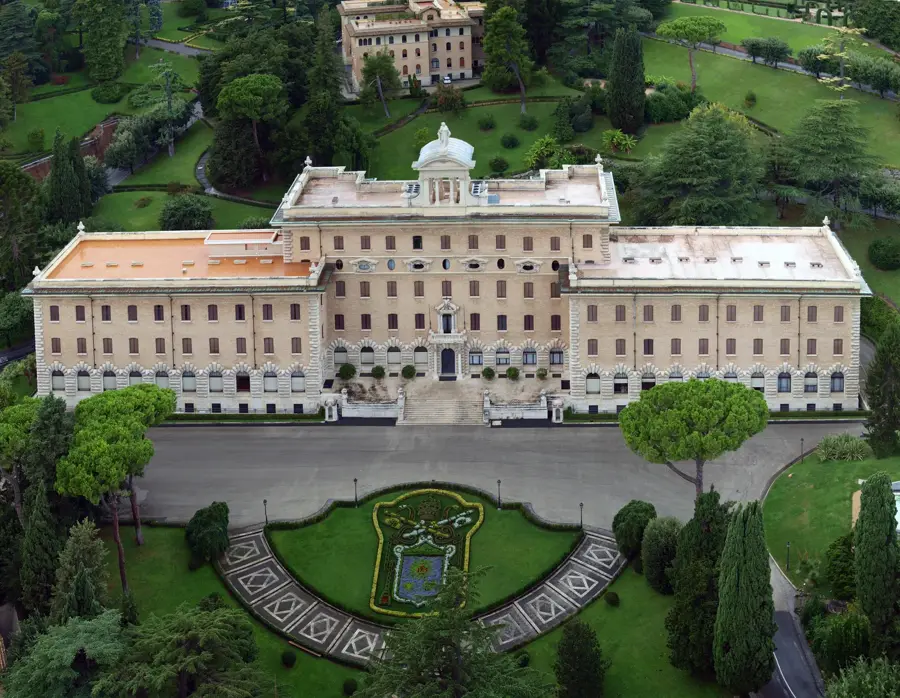
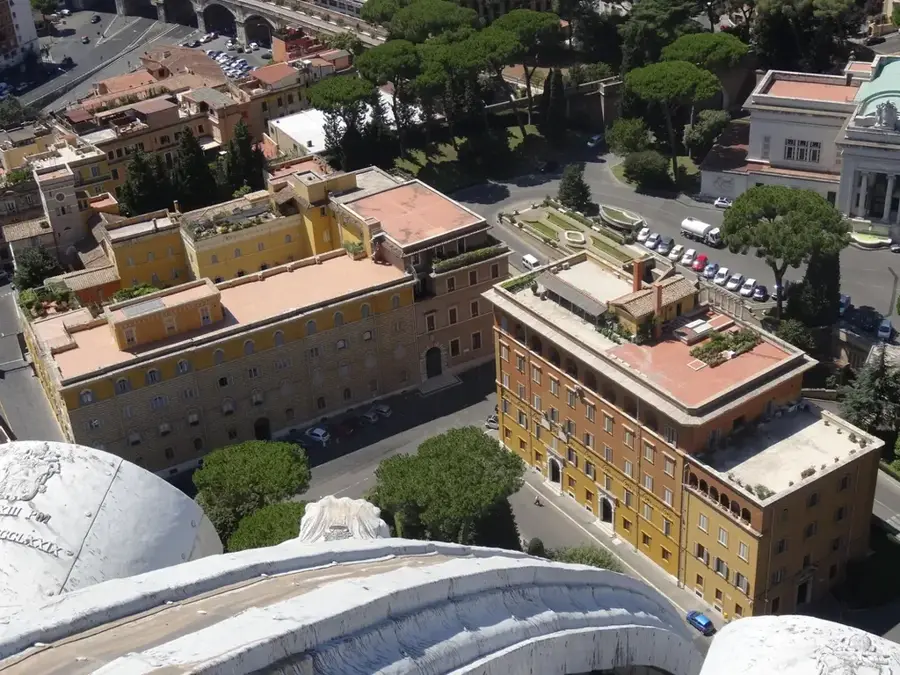
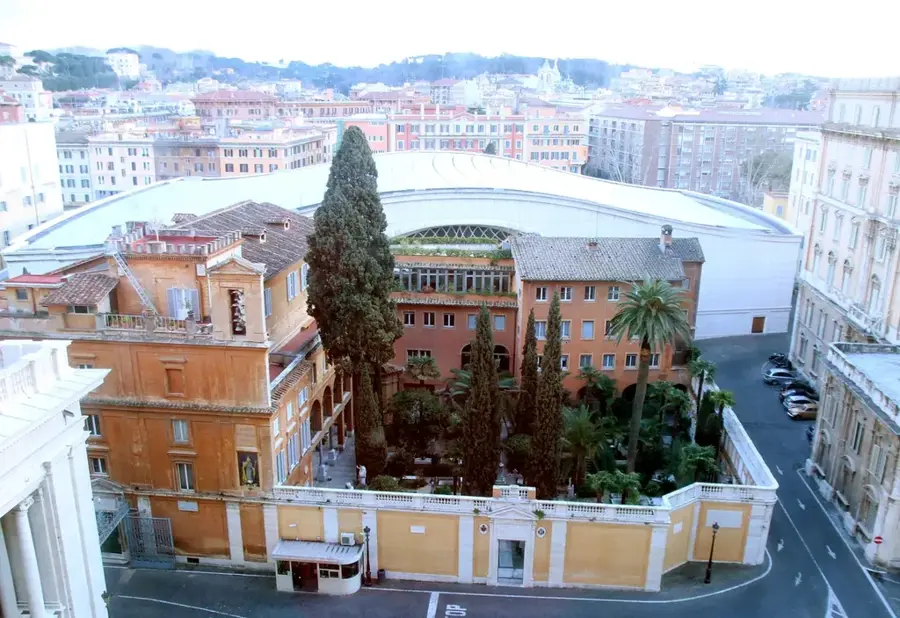
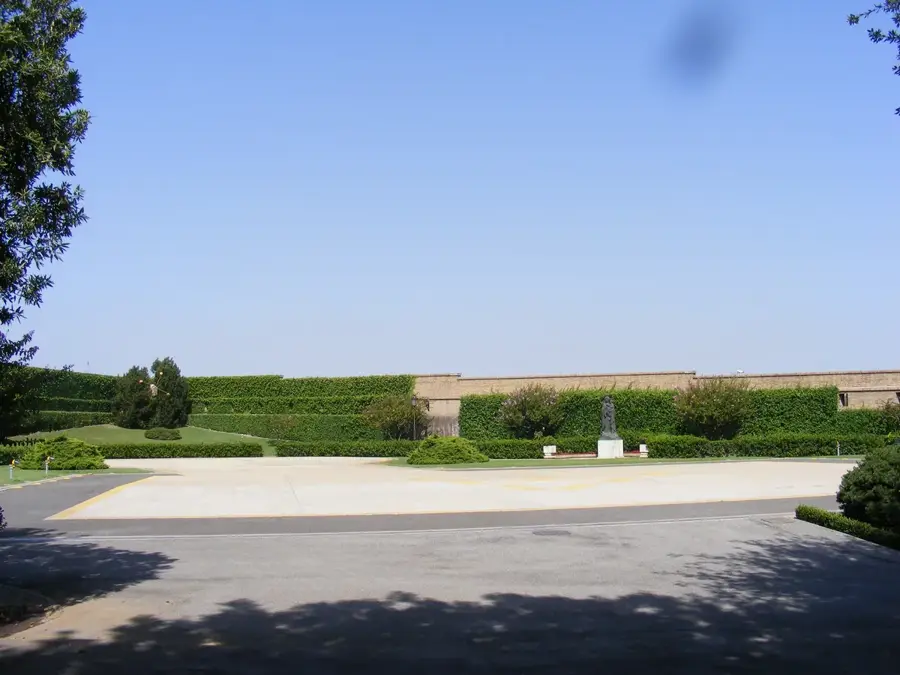
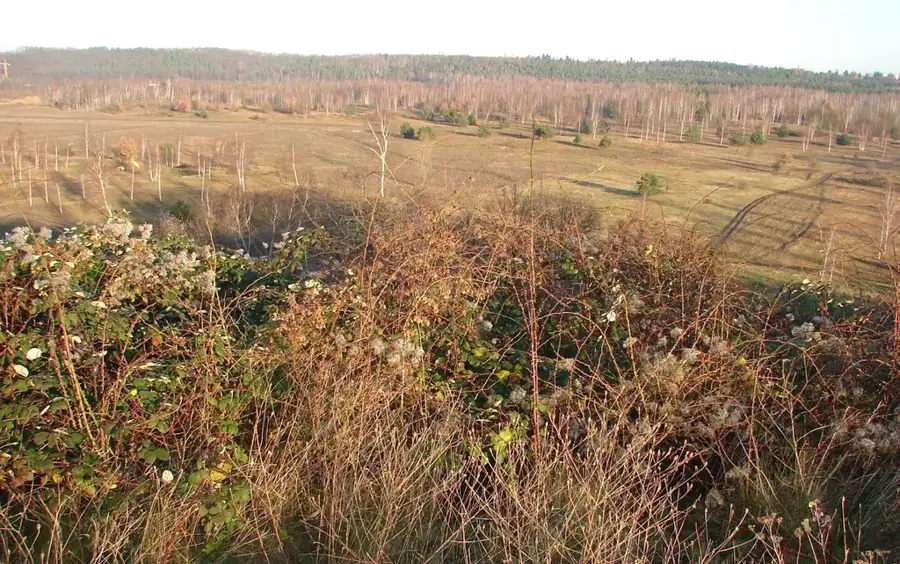
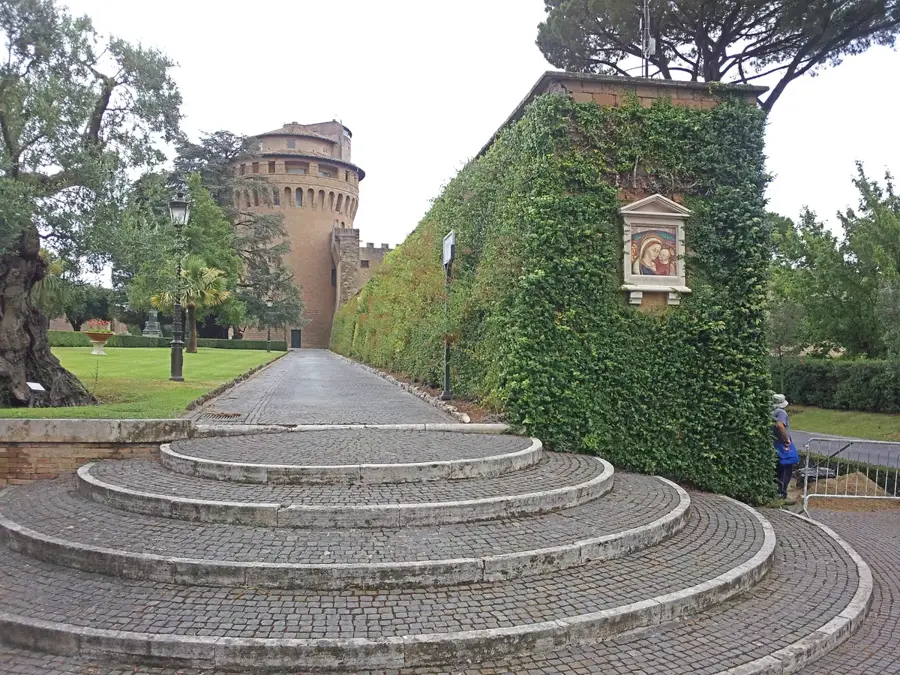
The Leonine Wall Green Belt is a historically significant section of the Vatican Gardens that runs along the inner side of the 9th-century defensive fortifications. Pope Leo IV commissioned the construction of these walls between 848 and 852 to safeguard St. Peter's Basilica from Saracen raids. Today, the area is characterized by a carefully managed belt of vegetation that provides a natural counterpoint to the massive tuff and brick masonry. Botanically, the zone features a mix of Mediterranean shrubs, climbing plants, and shaded groves that help regulate the local microclimate. The wall itself reaches heights of up to 12 meters and once served as the primary defense for the Civitas Leonina. In modern times, this green corridor acts as an ecological haven for various bird species and small mammals within the city-state's boundaries. Visitors to the gardens can appreciate the seamless integration of medieval military architecture with professional landscape design, offering a unique perspective on the Vatican's long-term environmental stewardship and historical preservation efforts.
- Location: Vatican
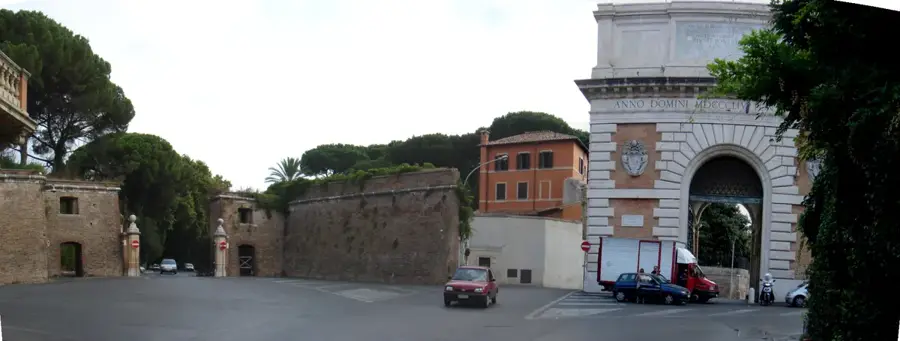
- Top sights: Porta Pertusa · St John's Tower · Lourdes Grotto
Best time to visit & climate
The most pleasant time to visit is May, Jun, Sep.
| Jan | Feb | Mar | Apr | May | Jun | Jul | Aug | Sep | Oct | Nov | Dec | |
|---|---|---|---|---|---|---|---|---|---|---|---|---|
| Avg °C | 7 | 8 | 10 | 14 | 18 | 23 | 26 | 26 | 21 | 17 | 12 | 8 |
| Rain mm | 73 | 77 | 69 | 56 | 57 | 34 | 26 | 26 | 70 | 82 | 114 | 92 |
📋 Practical info
Geography
Facts
- Construction took place between 848 and 852 under Leo IV.
- The walls were built to protect the Vatican from maritime raids.
- The masonry features a combination of tuff stone and Roman brick.
- The green belt serves as a natural insulator for the garden's edge.
- Portions of the wall are over 1100 years old and still intact.
- The area is a key part of the Vatican's 44-hectare territory.
Explore nearby
Notable places around
Route planner — Car & Motorhome
Where do you start? We build the route here, with stops and country notes along the way.
© OpenStreetMap contributors · OpenRouteService
Sights in the town Leonine Wall Green Belt (10)
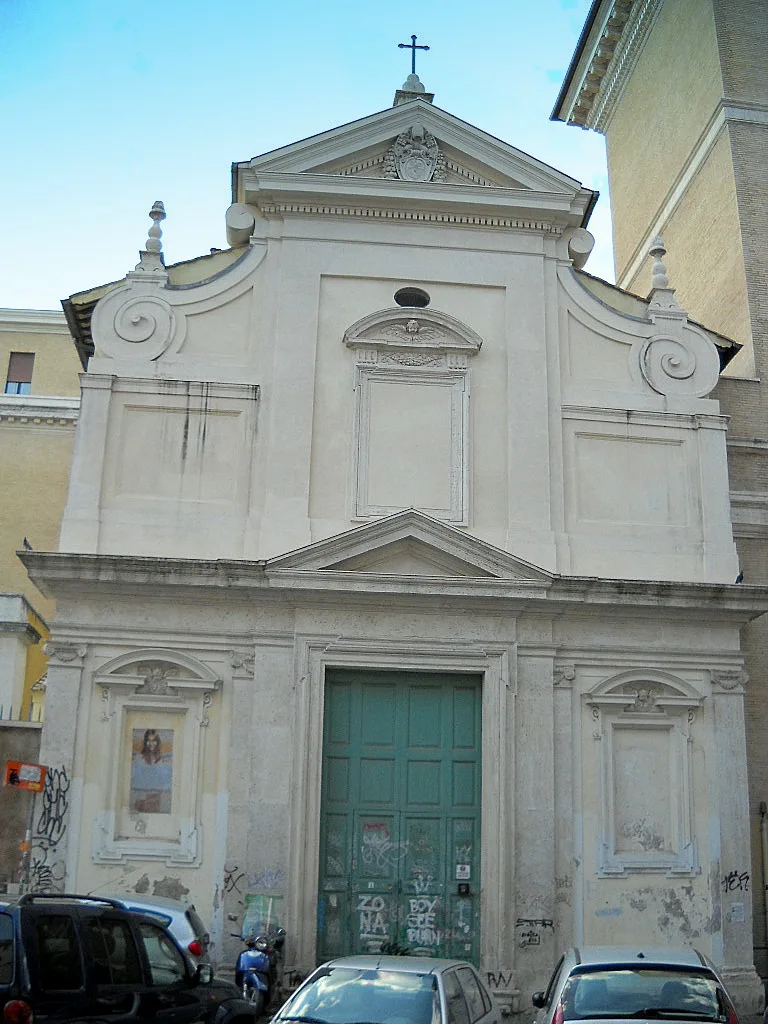
Chiesa di Santa Maria Mediatrice
Church in Rome, situated near St. Peter's Square.
Vatican Hill
Hill in Rome, site of St. Peter's Basilica and the heart of Vatican City.
St Mary's Church
Church building within Vatican City, a place of worship.
Saint Stephen of the Ethiopians⛪ church
Church of Vatican City, dedicated to Ethiopian Christians.
Cupola di San Pietro
Dome of St. Peter's Basilica, a landmark of Vatican City.
Dome of Saint Peter
Viewpoint atop St. Peter's Basilica dome, offering views over Rome.
Sights nearby
Frequently asked questions
What is the Leonine Wall?
What plants grow in the green belt?
Can you climb the wall?
Is the area shaded?
When was the green belt created?
Leonine Wall Green Belt: where is it located?
Leonine Wall Green Belt: what is there to see?
Leonine Wall Green Belt: when is the best time to visit?
Leonine Wall Green Belt: why is it worth visiting?

History & landmarks

Nature

More places