Plizio Visual Lab
Tacuarembó
ℹ️Practical info — Tacuarembó
▾
🌤 Weather — 5 days
📍 Nearby
Sights nearby
💡 Tips
- Tacuarembó is considered the heart of the gaucho (cowboy) culture in Uruguay. Visit during the Patria Gaucha festival in March if possible.
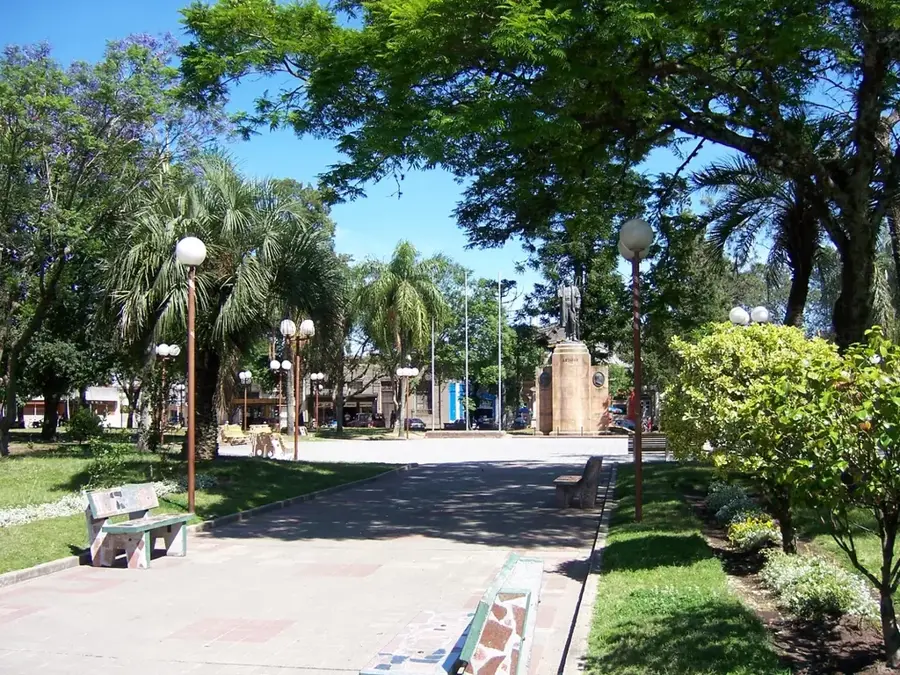
- Enjoy the slow pace of life; locals often gather in Plaza 19 de Abril with their thermos and mate cups.
- Getting around the center is easy on foot, but renting a car is best for exploring the surrounding hills (Cuchilla de Haedo).
- If you visit the Carlos Gardel Museum in nearby Valle Edén, check the limited opening hours in advance.
🍽 Food
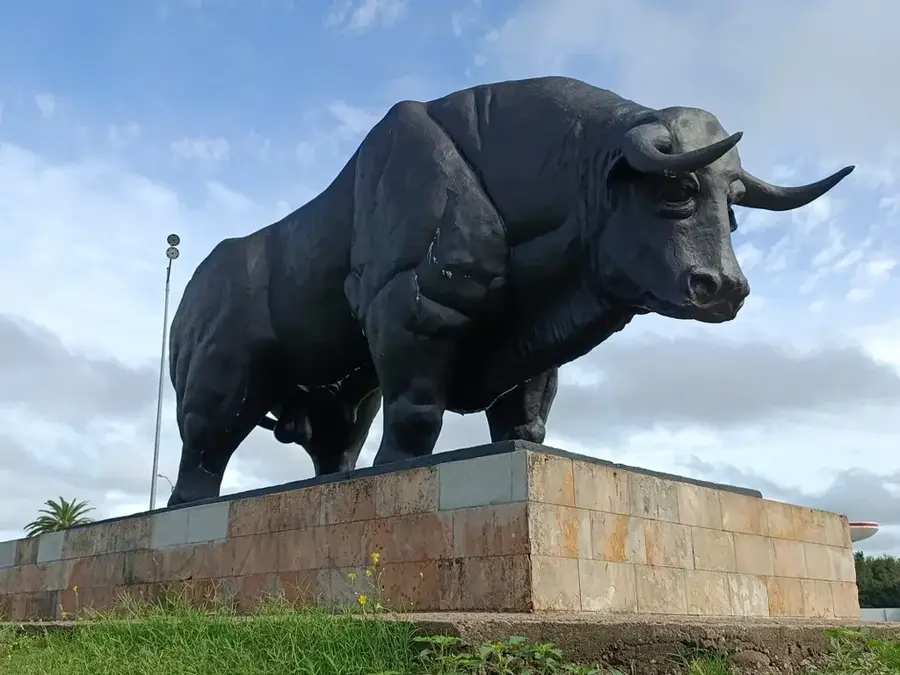
Enjoy traditional BBQ meat at a local parrillada near the city center.
Pick up these savory filled pastries fresh from a neighborhood bakery.
Try this fried dough treat from street vendors, especially popular on rainy days.
🛍 Shopping · 🧘 Quiet spots
Find belts and wallets crafted by local artisans near the main square.
Purchase authentic metal straws and gourds in local markets for your tea.
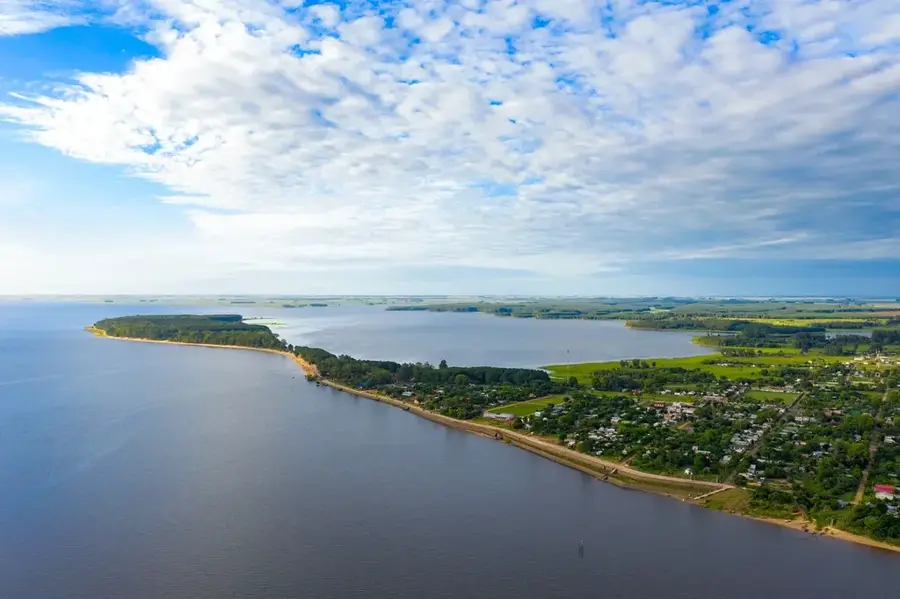
A peaceful artificial lake area just outside the city, great for relaxing.
A quiet, green park first-rate for a relaxed afternoon walk.
Water temperature…
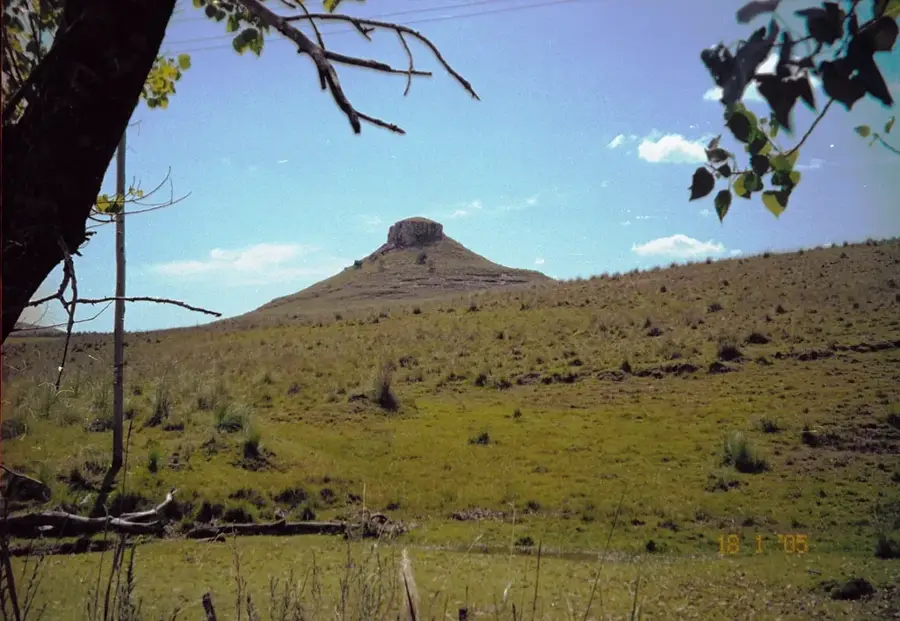
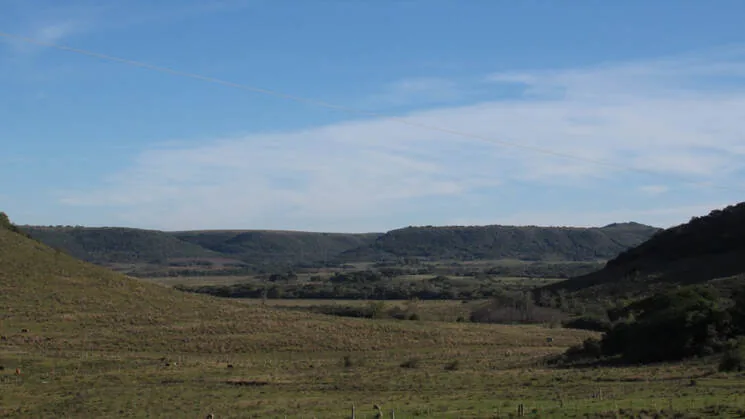
Tacuarembó is the capital city of Uruguay's largest department by area, positioned in the north-central heartland of the country. Known as the cradle of Gaucho culture, the city serves as a vital hub for preserving the rural heritage of the Rio de la Plata region. Established in 1832 as San Fructuoso, it officially gained city status in 1912, reflecting its growth as a regional powerhouse. The surrounding landscape is defined by the Cuchilla de Haedo mountain range, featuring rolling hills and basaltic cliffs that contrast with the typical plains of the south. The local economy is driven by agribusiness, specifically beef production, wool exports, and a massive forestry sector that supplies international markets. One of the city's most intriguing claims to fame is the birthplace of tango icon Carlos Gardel, a subject of intense national pride and historical debate. Tourists often visit the Carlos Gardel Museum in the photogenic Valle Edén, a nearby valley known for its lush vegetation and unique microclimate. Every autumn, the city hosts the 'Patria Gaucha' festival, the premier folk event in Uruguay, showcasing traditional horse racing, gaucho cuisine, and rural crafts. Tacuarembó's urban layout is characterized by wide avenues, numerous plazas, and historical landmarks like the San Fructuoso Cathedral. As an educational and healthcare center for the northern interior, the city maintains a steady demographic growth and a high quality of life. The integration of modern agricultural technology with centuries-old traditions makes Tacuarembó a unique synthesis of Uruguay's past and future.
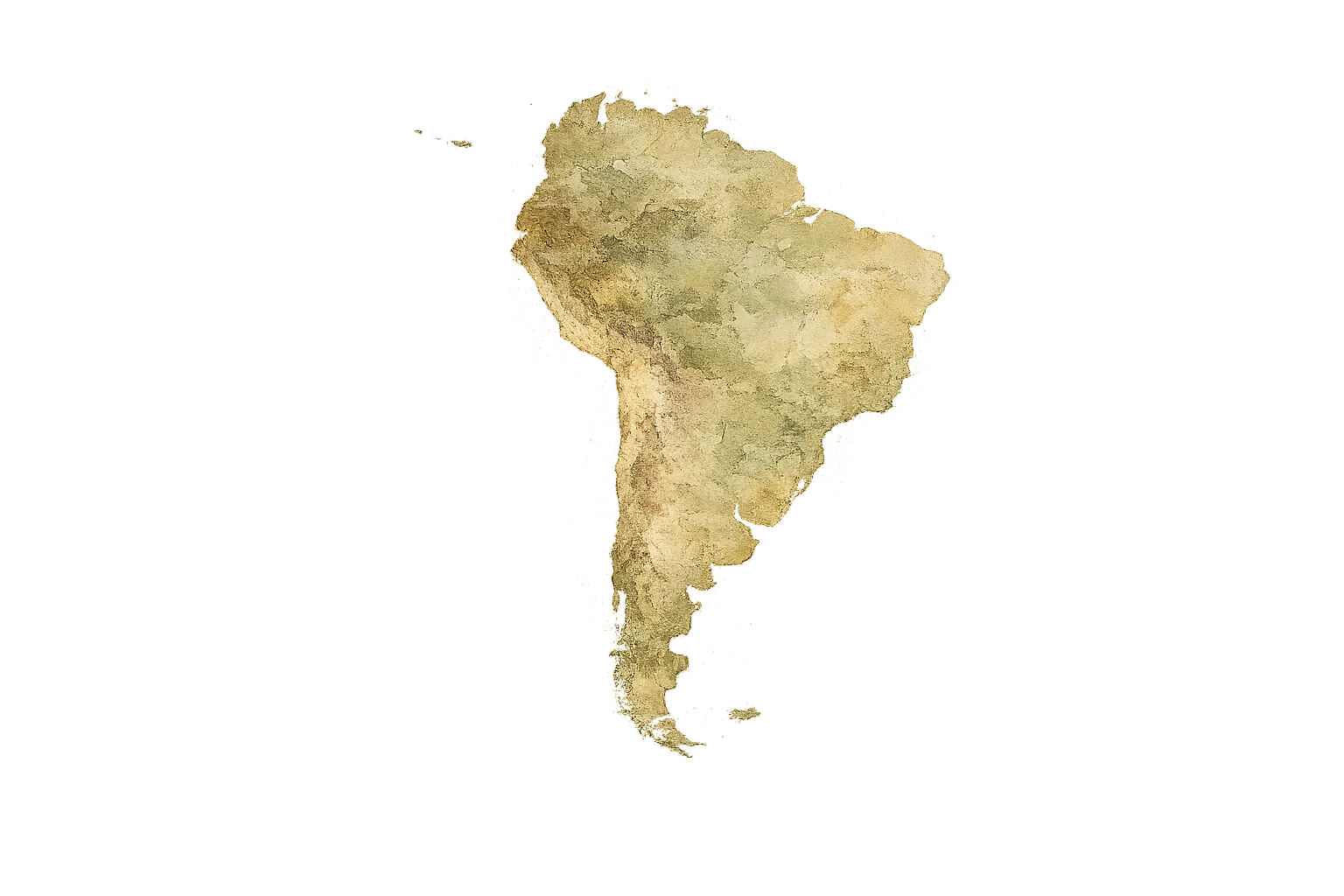
- Location: Uruguay
- Top sights: Iglesia Mormona · Parroquia Nuestra Señora de Lourdes · Capilla
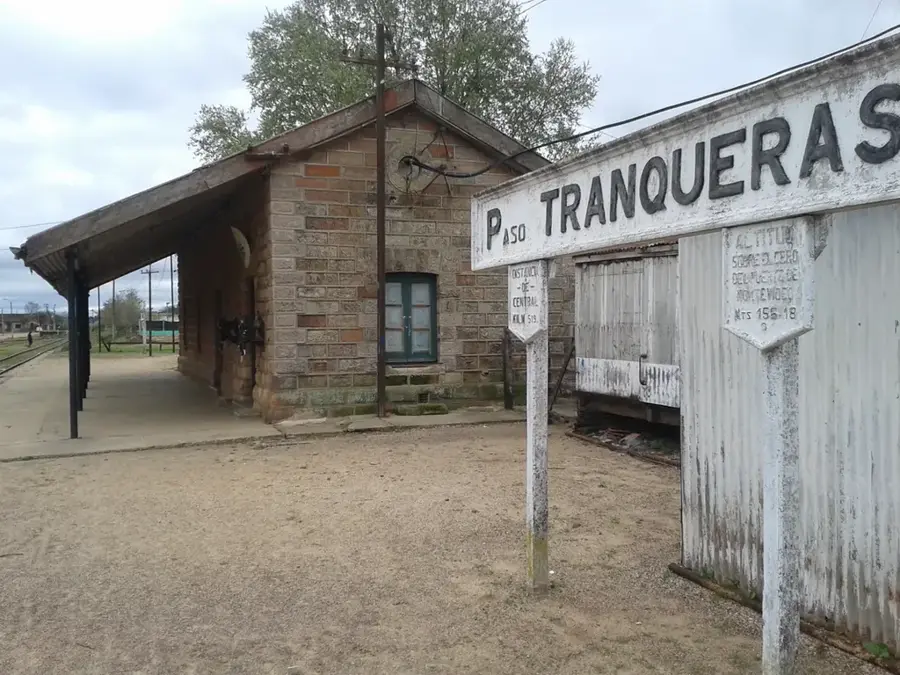
- Nearby: Tranqueras (33 km)
- Population: ~51.854 (2026)
Best time to visit & climate
The most pleasant time to visit is Mar, Nov, Dec.
| Jan | Feb | Mar | Apr | May | Jun | Jul | Aug | Sep | Oct | Nov | Dec | |
|---|---|---|---|---|---|---|---|---|---|---|---|---|
| Avg °C | 25 | 24 | 21 | 18 | 14 | 11 | 11 | 12 | 14 | 17 | 20 | 23 |
| Rain mm | 127 | 145 | 116 | 158 | 131 | 89 | 80 | 106 | 124 | 175 | 140 | 131 |
Geography
Facts
- Capital of the largest department in Uruguay (15,438 sq km).
- Founded on January 27, 1832, by Bernabé Rivera.
- Home to the largest Gaucho festival in South America, 'Patria Gaucha'.
- The city's population is roughly 55,000 residents.
- Claims to be the true birthplace of tango legend Carlos Gardel.
- A major hub for the country's forestry and rice production sectors.
- Located at the intersection of National Routes 5 and 26.
- Features the San Fructuoso Cathedral, completed in 1899.
Explore nearby
Notable places around

Route planner — Car & Motorhome
Where do you start? We build the route here, with stops and country notes along the way.
© OpenStreetMap contributors · OpenRouteService
Sights in the town Tacuarembó (9)
Capilla
Chapel in Tacuarembó, Uruguay.
Museo de Geociencias🏛 museum
Geoscience museum in Tacuarembó, Uruguay.
Catedral de San Fructuoso
Cultural heritage monument of Uruguay, cathedral in Tacuarembó dedicated to Saint Fructuosus.
Palacio Municipal de Tacuarembó
Town hall of Tacuarembó, seat of the city government.
Plaza 19 de Abril🌳 park
Square in Tacuarembó, Uruguay, named after April 19.
Frequently asked questions
What is Tacuarembó known for?
Is there an important museum?
What is the best time to visit?
Is the place good for families?
What is the climate like?
Tacuarembó: where is it located?
Tacuarembó: what is there to see?
Tacuarembó: when is the best time to visit?
Tacuarembó: why is it worth visiting?
Nearby cities
Nature
More places