Plizio Visual Lab

Gulf of Hammamet
Plizio editorial teamData Sources
Sea
—°5
Gulf of Hammamet (Tunisia)

Weather…

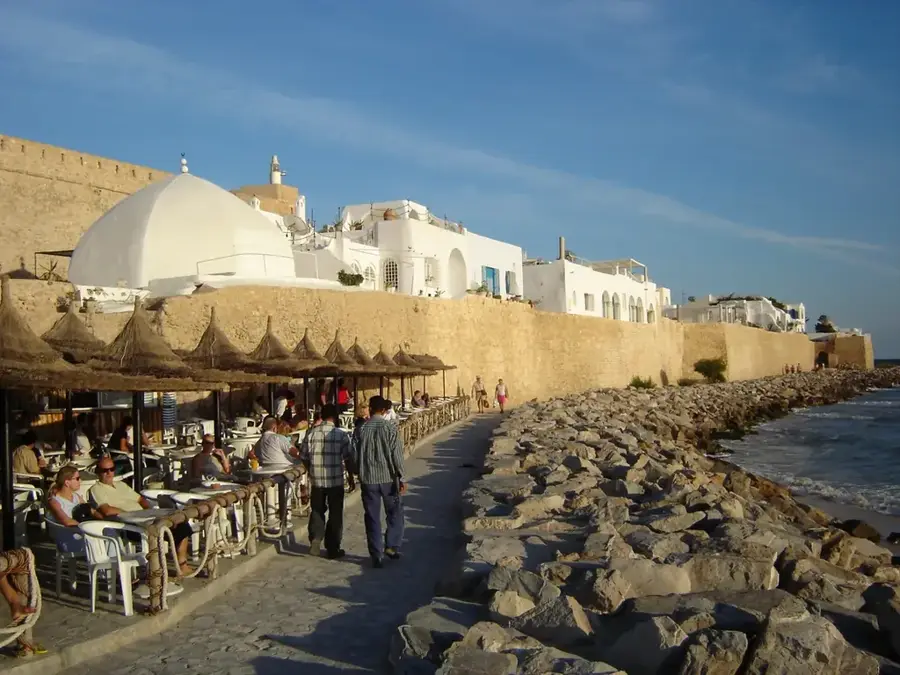
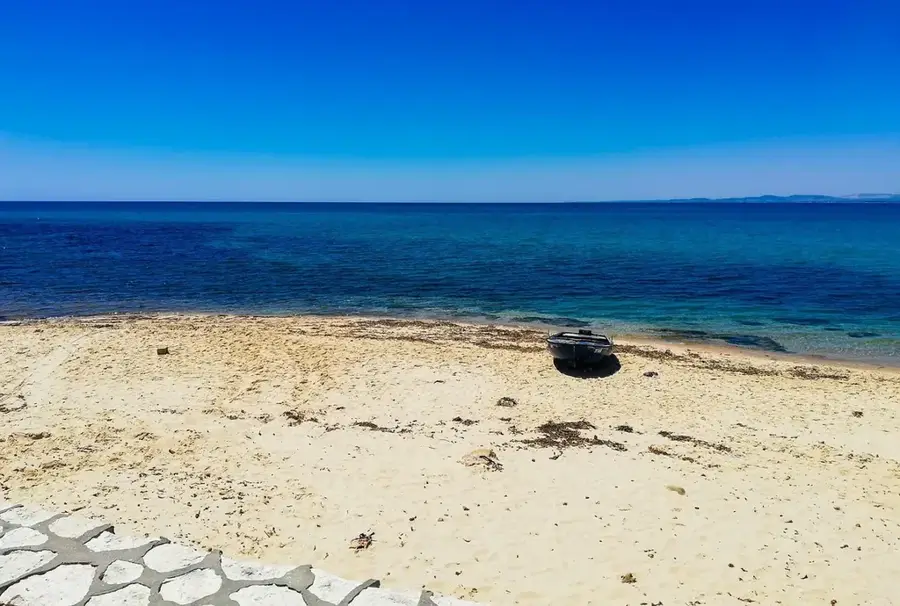
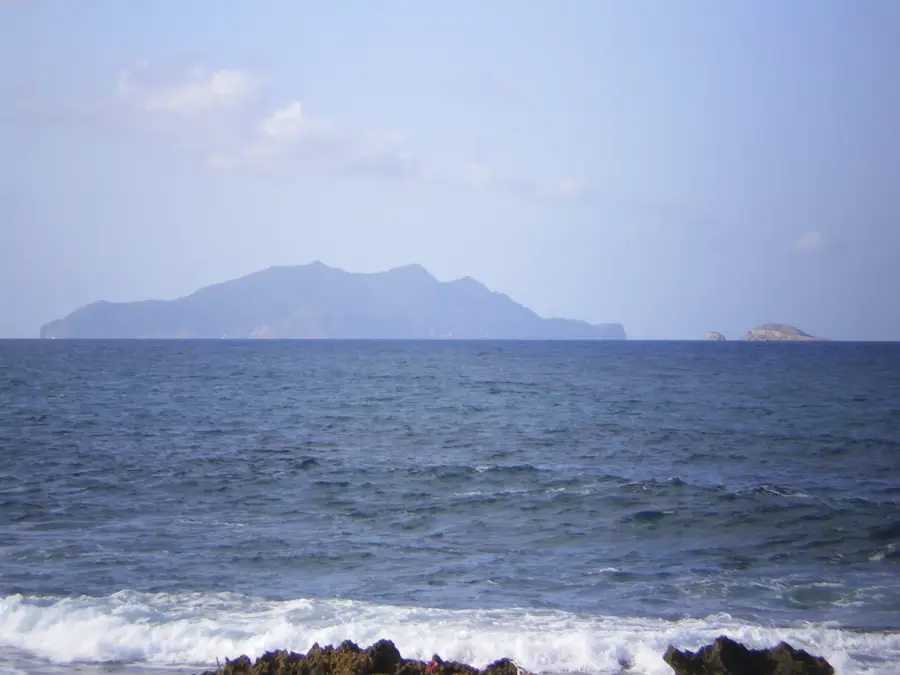
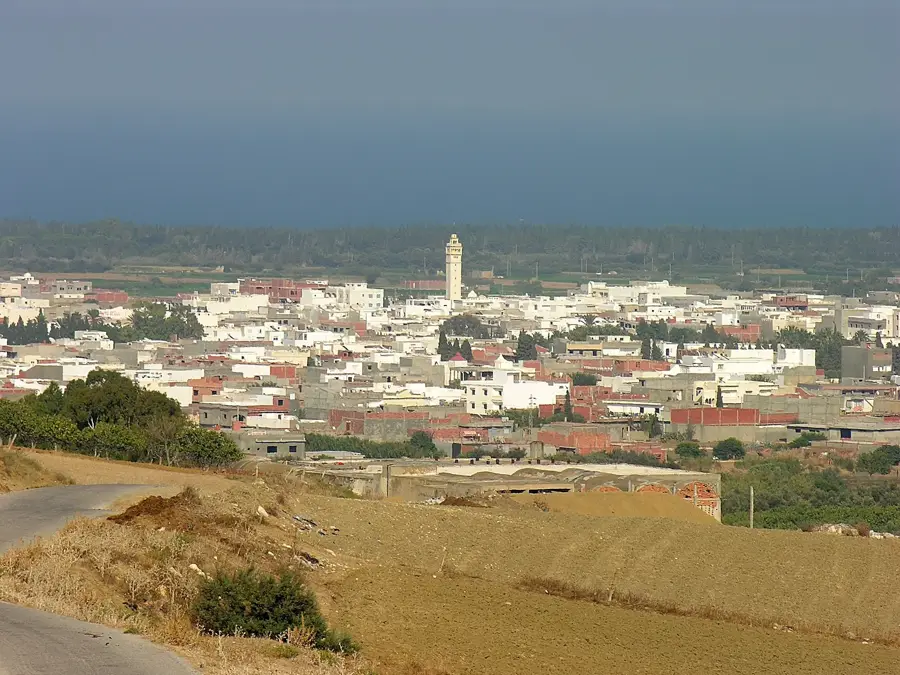
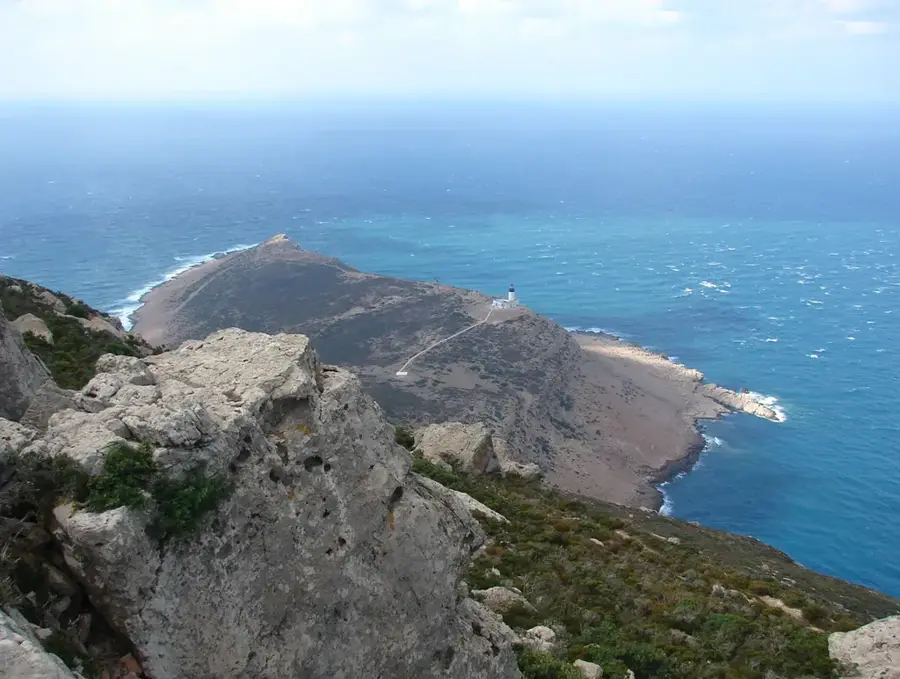
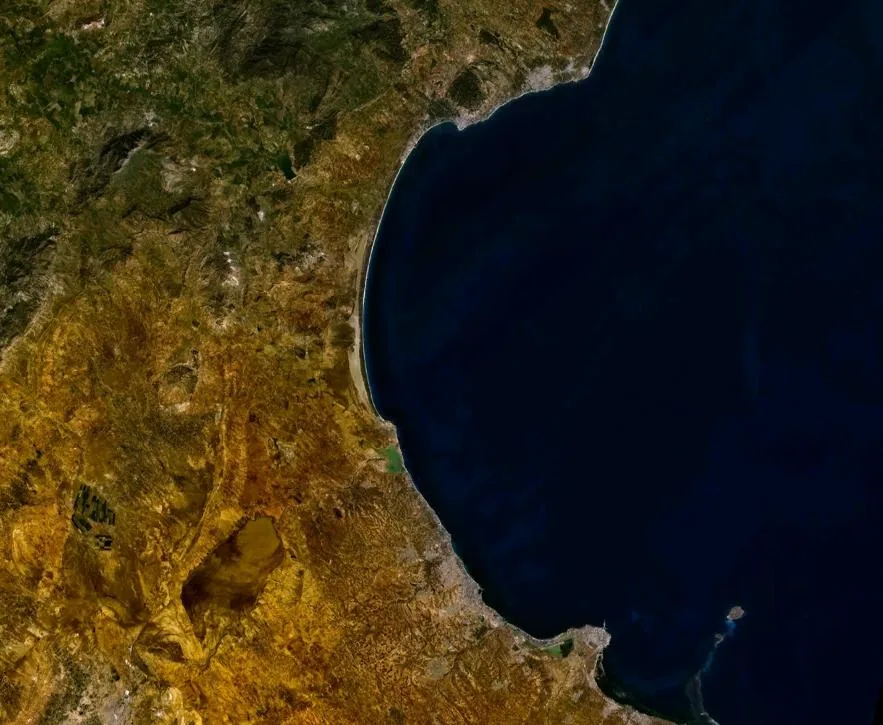
The Gulf of Hammamet is a vast coastal bay in eastern Tunisia, stretching from the Cap Bon peninsula in the north to the city of Monastir in the south. It is one of the country's premier tourist destinations, characterized by endless sandy beaches and crystal-clear waters. Major cities lining its shores include Hammamet, Sousse, and Monastir, each offering a mix of ancient medinas and modern resort facilities. Geographically, the gulf is known for its shallow coastal waters, which provide well-suited conditions for swimming as well as traditional small-scale fishing. Underwater, extensive meadows of Posidonia oceanica seagrass form a vital ecosystem that supports a diverse range of marine life. The region enjoys a Mediterranean climate with mild winters and warm, sunny summers, ensuring the gulf remains a popular year-round destination. Historically, the bay has been the site of numerous maritime encounters and trade exchanges between North African and European powers.

Best time to visit & climate

The most pleasant time to visit is May, Jun, Oct.

JanFebMarAprMayJunJulAugSepOctNovDec
Avg °C121214172024272825221814
Rain mm37284430221462061563747

📋 Practical info

🧭
Getting there
The Gulf of Hammamet can be easily accessed from various coastal towns in northeastern Tunisia, typically starting from Hammamet or Nabeul. Regular public transport and coastal roads connect these popular resort areas directly to the Mediterranean shore.
📅
Best season
The best time to visit the gulf is from late spring to early autumn, when the weather is warm and handy for beach activities. Summer months can be quite hot, so spring and September offer more moderate temperatures for extended coastal exploration.
⛰️
Terrain & paths
The coastline along the gulf primarily consists of wide, sandy beaches that slope gently into the shallow sea. There are also some rocky sections and urban promenades, providing generally easy and flat terrain for walking.
🎒
What to bring
For a comfortable visit, bring standard beach gear including sunscreen, a wide-brimmed hat, sunglasses, and plenty of drinking water. Light, breathable clothing and comfortable walking sandals are recommended for exploring the adjacent resort towns.
🅿️
Parking
Ample parking is usually available in the major resort towns bordering the gulf, such as Hammamet, often near hotels and public beaches. During the peak summer season, parking areas close to the popular shorelines can fill up quickly, so arriving early is advisable.
⚠️
Safety
The gulf waters are generally calm and safe for swimming, but always pay attention to local warning flags and typical marine conditions. The intense North African sun poses the greatest risk, so strict sun protection and regular hydration are absolutely essential.
⏱️
Time needed
A visit can range from a few hours for a simple swim and stroll to a full day of relaxation by the sea. Many travelers choose to spend several days in the area to fully experience the expansive coastline and nearby cultural attractions.

Geography

Coordinates
36.00000, 10.50000

Facts

  • The gulf spans a coastline of approximately 100 kilometers.
  • Sousse, located on the gulf, has been a UNESCO World Heritage site since 1988.
  • The average water temperature in August reaches about 26 degrees Celsius.
  • The gulf's waters contain critical spawning grounds for the gilt-head bream.
  • Tourism in the region began to flourish as early as the 1920s.
  • Cape Monastir serves as the southern geographical boundary of the gulf.

Explore nearby

Notable places around

Route planner — Car & Motorhome

Where do you start? We build the route here, with stops and country notes along the way.

Vehicle
Only stops with (optional):

© OpenStreetMap contributors · OpenRouteService

Sights in the town Gulf of Hammamet (5)

Ulissipira Amphitheatre🏺 historical

The Ulissipira Amphitheatre contains the excavated stone ruins of a Roman arena used for public spectacles.

Archeological Park of Horrea Coelia🏺 historical

The Archeological Park of Horrea Coelia preserves the foundations of ancient Roman granaries and storehouses.

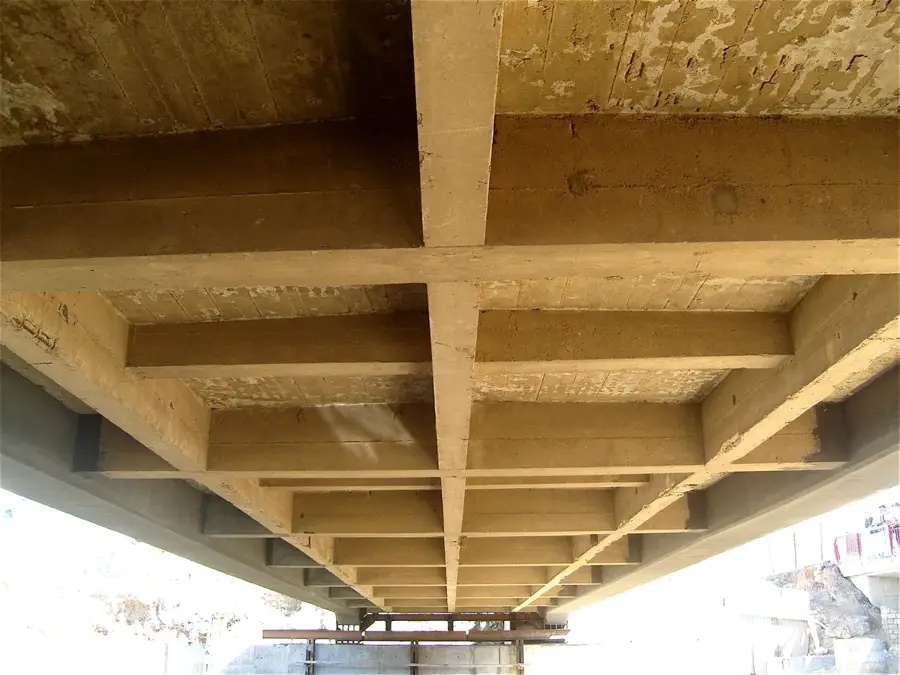
Roman Bridge🏺 historical

The ruins of an ancient Roman arch bridge located near the Gulf of Hammamet.

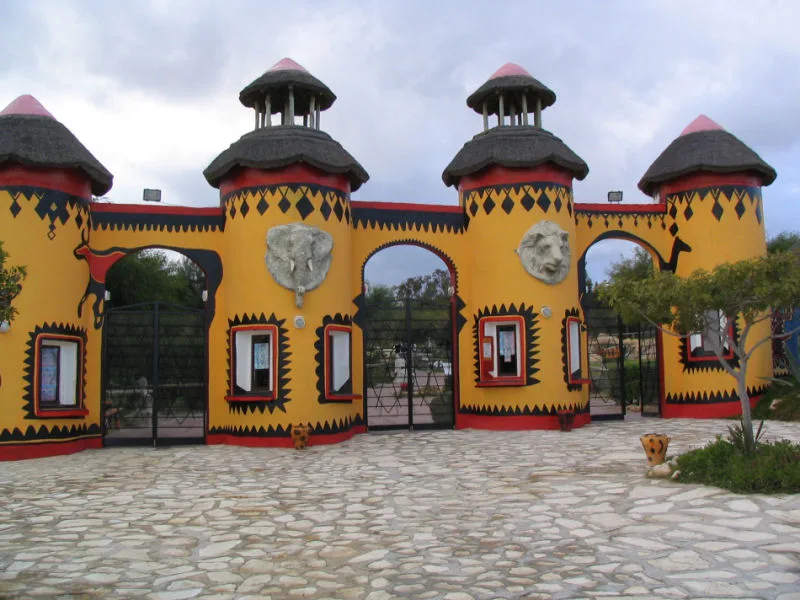
Karting Hergla📍 landmark

A go-karting track attraction offering recreational racing near the coast of Hergla.

M'PARADISE🎡 recreation

A sandy beach destination along the scenic Gulf of Hammamet coastline.

Sights nearby

Frequently asked questions

What is the beach like at the Gulf of Hammamet?
Fine sand and gently sloping, well-suited for families.
Are there water sports there?
Yes, jet skiing, parasailing, and pedal boats are available everywhere.
What is the best time to travel?
June to September gives well-suited swimming weather.
Is the place easy to reach?
Yes, Hammamet is very well connected to the transport network.
What can one do in the evening?
Walks in the Medina or dinner near the beach.
Gulf of Hammamet: where is it located?
Gulf of Hammamet is located in Tunisia.
Gulf of Hammamet: what is there to see?
Highlights include Ulissipira Amphitheatre, Archeological Park of Horrea Coelia, Roman Bridge.
Gulf of Hammamet: when is the best time to visit?
The most pleasant time to visit is May, Jun, Oct.
Gulf of Hammamet: why is it worth visiting?

The Gulf of Hammamet is a vast coastal bay in eastern Tunisia, stretching from the Cap Bon peninsula in the north to the city of Monastir in the south.
View on map → The Top 50 Attractions → OpenStreetMap →
Africa
Explore with Plizio Discover more places in Africa
More places in Tunisia →

Nearby cities

History & landmarks
More places