Plizio Visual Lab
Gafsa
ℹ️Practical info — Gafsa
▾
🌤 Weather — 5 days
📍 Nearby
Sights nearby
💡 Tips
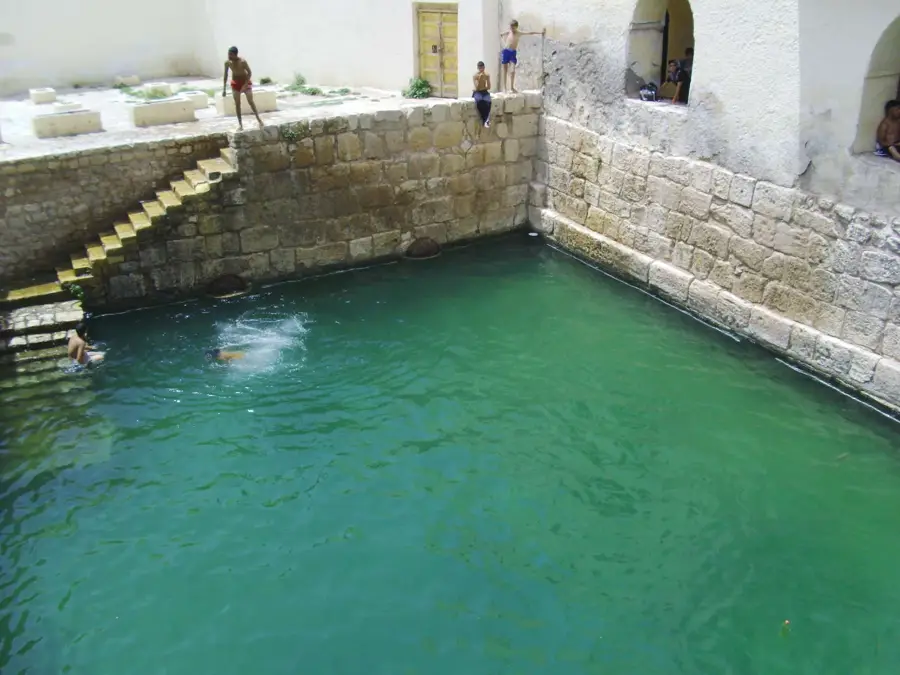
- Visit the Roman Pools (Piscines Romaines) early in the morning before it gets too hot and crowded.
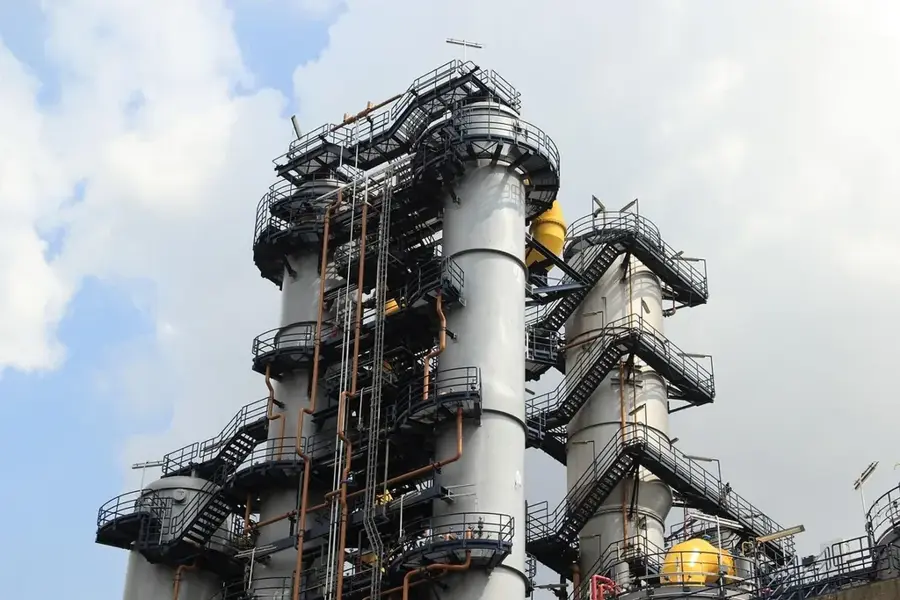
- The city is heavily industrial due to phosphate mining; spend your leisure time closer to the medina and oasis.
- Use Gafsa as a strategic rest stop if you are driving between the northern coast and the Sahara desert.
- Summer temperatures are extreme; stay indoors or in the shaded oasis during the afternoon.
🍽 Food
A traditional, thick local soup filled with vegetables, spices, and small pasta, well-suited for cooler evenings.
Buy locally grown dates, especially in the autumn harvest season, directly from the market.
Enjoy a refreshing glass of sweet mint tea in one of the cafes overlooking the Roman Pools.
🛍 Shopping · 🧘 Quiet spots
Gafsa is famous for its colorful, geometrically patterned traditional woven rugs (Margoum) found in the medina.
The best place to buy local spices, fresh produce, and handmade blankets.
Wander through the vast palm groves; the shade and ancient irrigation channels create a calm microclimate.
A historic, beautifully restored traditional house in the medina offering a quiet glimpse into Gafsa's past.
Water temperature…
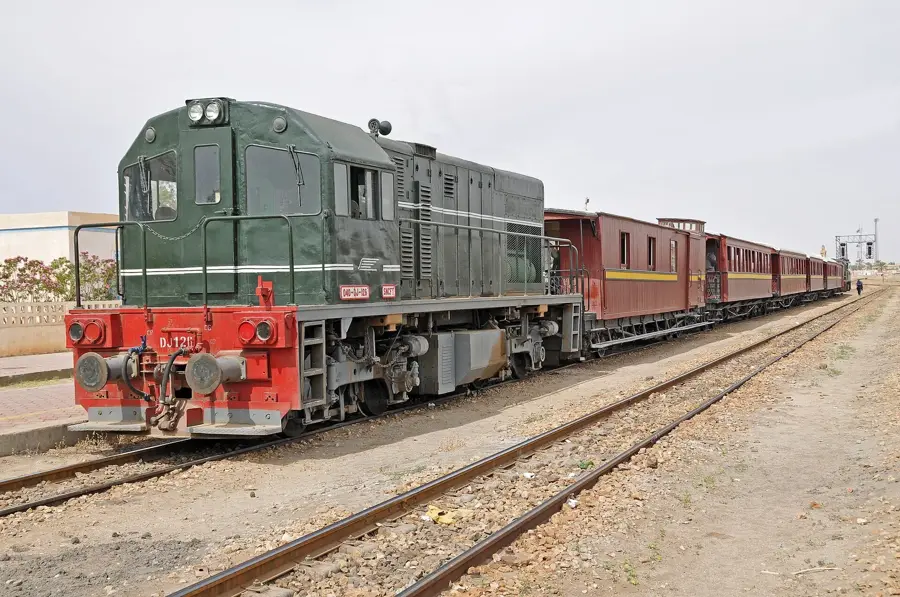
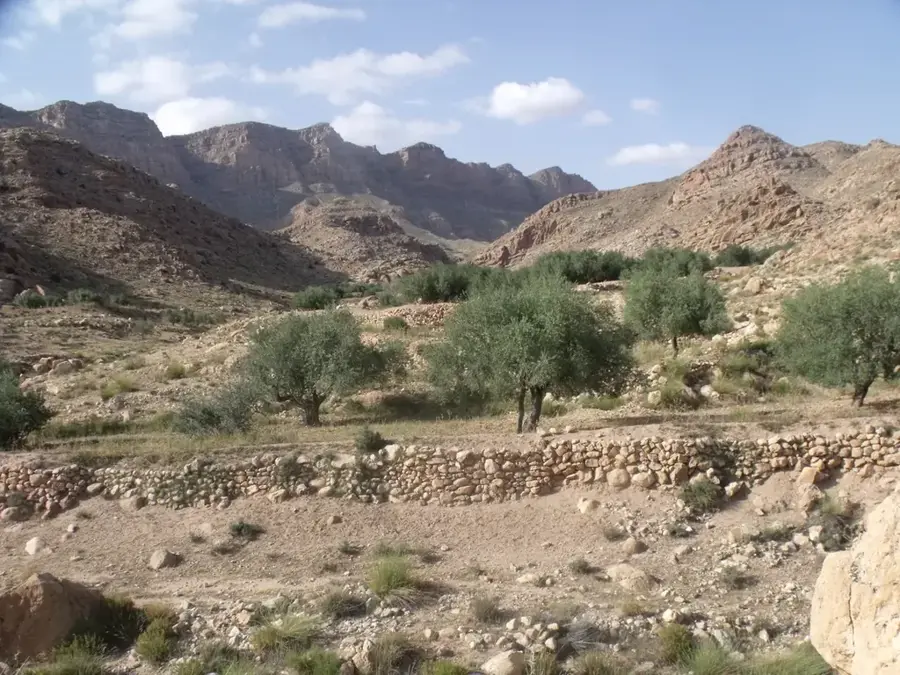
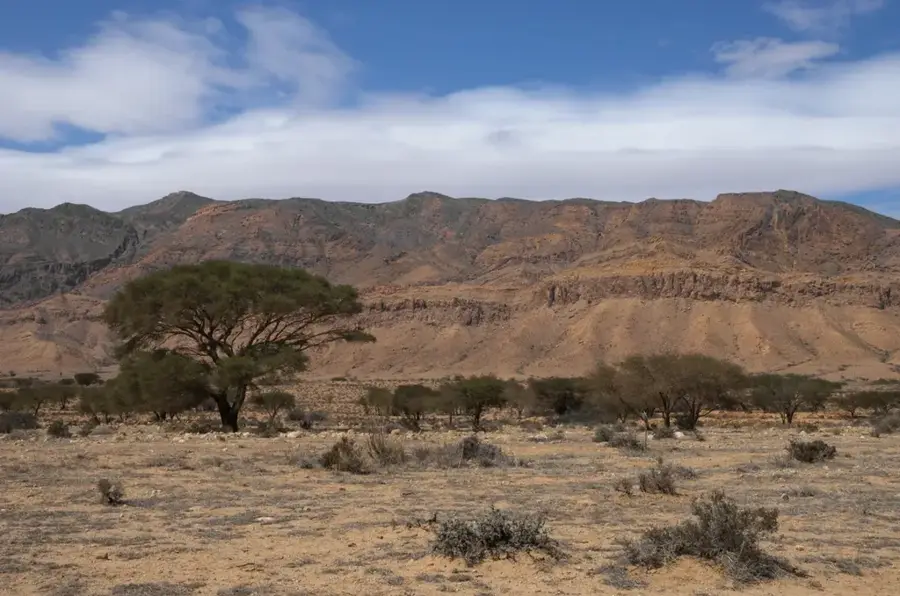
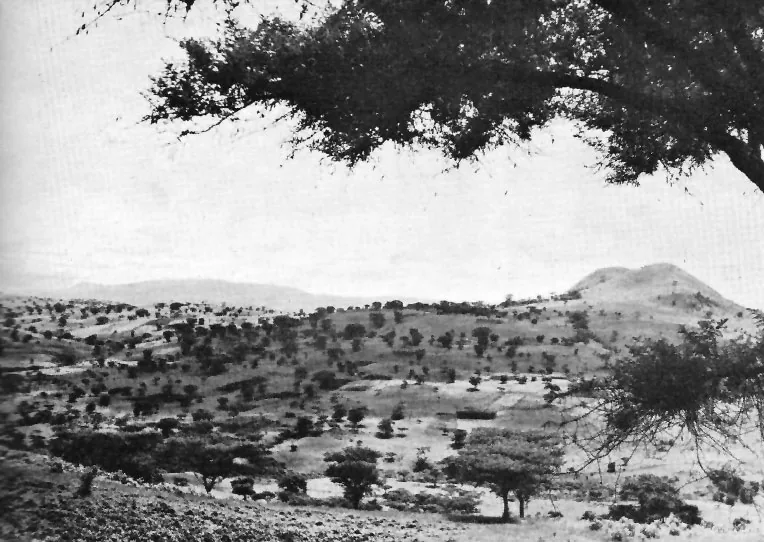
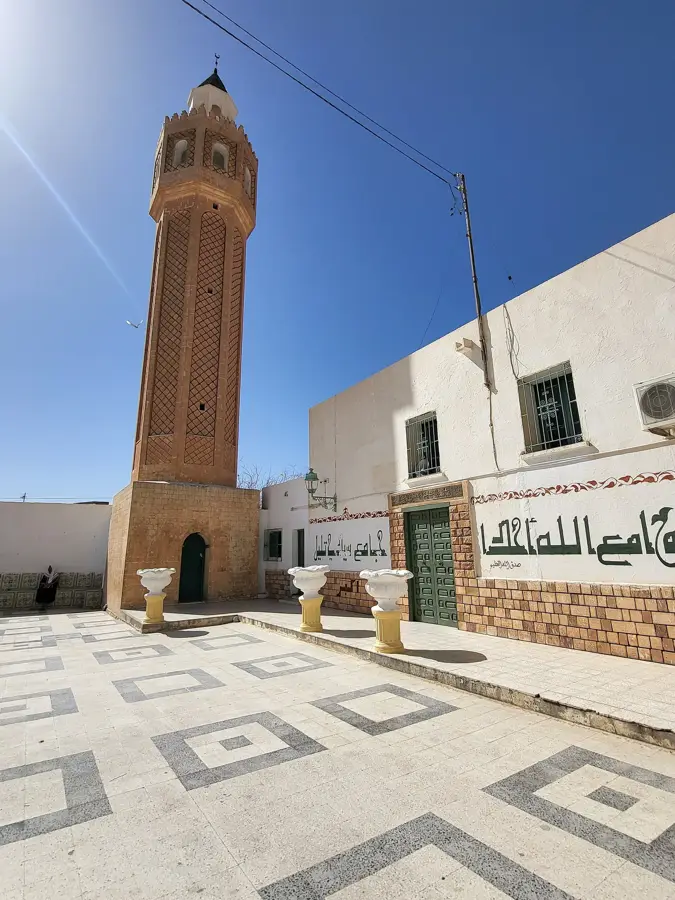
Gafsa, located in the central-western part of Tunisia, is a city of profound historical depth and modern economic significance. It serves as the namesake for the Capsian culture, an epipaleolithic civilization that thrived in the region over 10,000 years ago, marking Gafsa as one of the oldest inhabited sites in North Africa. During the Roman era, known as Capsa, it was a vital municipality and a frontier bastion guarding the southern reaches of the empire. The Roman Pools (Piscines Romaines), massive stone basins fed by thermal springs, remain the city's most enduring landmark and continue to be used by locals today. Geographically, Gafsa is an interior oasis located between rugged mountain ridges and the salt flats of Chott el-Jerid, creating a climate of sharp seasonal contrasts. Since the late 19th century, the city's identity has been inextricably linked to the phosphate industry. The Gafsa Phosphate Company (CPG), founded following the discovery of massive mineral deposits, has turned the region into one of the world's leading phosphate production centers. This industrial heritage has shaped the city's infrastructure, including a specialized railway network that links the mines to the Mediterranean ports. Beyond mining, Gafsa is renowned for its traditional weaving arts, particularly the 'Klim' carpets characterized by bold geometric patterns and lively colors. The city acts as a vital regional hub, providing essential services, education, and transport links for the southwestern interior. With its unique blend of prehistoric roots, Roman engineering, and industrial grit, Gafsa features a compelling narrative of human adaptation to the challenging environment of the Tunisian steppes.
- Location: Tunisia
- Nearby: Métlaoui (37 km)
- Population: ~95.242 (2026)
Best time to visit & climate
The most pleasant time to visit is Apr, May, Oct.
| Jan | Feb | Mar | Apr | May | Jun | Jul | Aug | Sep | Oct | Nov | Dec | |
|---|---|---|---|---|---|---|---|---|---|---|---|---|
| Avg °C | 8 | 9 | 13 | 18 | 22 | 27 | 30 | 30 | 25 | 21 | 14 | 9 |
| Rain mm | 20 | 13 | 21 | 20 | 15 | 6 | 3 | 8 | 21 | 18 | 21 | 22 |
Geography
Facts
- Gafsa's Roman Pools are unique because they are still functional after nearly 2,000 years.
- The city serves as the administrative seat of the Gafsa Governorate, founded in 1956.
- Phosphate was first discovered in the Metlaoui region near Gafsa in 1885.
- The city was a significant site during the North African campaign of World War II.
- Gafsa is famous for its 'Kasra', a traditional flatbread baked over open fires.
- The annual 'Festival of the Oases' celebrates the local harvest and nomadic heritage.
- Gafsa is connected to the capital Tunis by a major national highway and regular trains.
- The prehistoric mounds (rammadiyat) around Gafsa contain thousands of ancient tools.
Explore nearby
Notable places around
Route planner — Car & Motorhome
Where do you start? We build the route here, with stops and country notes along the way.
© OpenStreetMap contributors · OpenRouteService
Sights in the town Gafsa (1)
Frequently asked questions
Why visit Gafsa?
Family-friendly?
When is it best?
How is the weather?
How long to stay?
Gafsa: where is it located?
Gafsa: when is the best time to visit?
Gafsa: why is it worth visiting?

Nearby cities
More places