Plizio Visual Lab
El Djem
ℹ️Practical info — El Djem
▾
🌤 Weather — 5 days
📍 Nearby
Sights nearby
💡 Tips
- Visit the Roman amphitheatre early in the morning or late afternoon to avoid the intense midday sun and large tour groups.
- The archaeological museum is located a short walk from the amphitheatre and contains well-preserved mosaics; keep your ticket as it covers both.
- Trains run regularly from Tunis and Sousse, and the station is conveniently located just a few minutes walk from the amphitheatre.
- Haggling is expected in the souvenir shops around the main sights, so be prepared to negotiate politely.
- Be mindful of modest dress codes when walking around the town outside of the main tourist perimeter.
🍽 Food
A crispy, deep-fried pastry usually filled with egg and tuna, widely available at local snack bars.
A staple dish often served with lamb or vegetables, best enjoyed at traditional restaurants near the town center.
A refreshing traditional drink, well-suited for relaxing at a cafe with a view of the amphitheatre.
🛍 Shopping · 🧘 Quiet spots
Hand-carved items like bowls and utensils can be found in shops leading up to the amphitheatre.
Small replicas of Roman mosaics are popular local souvenirs available in various artisan shops.
A peaceful spot filled with Roman artifacts and shaded areas to escape the bustling town.
Climb to the top tiers early in the day for quiet contemplation and panoramic views of the modern town.
Water temperature…
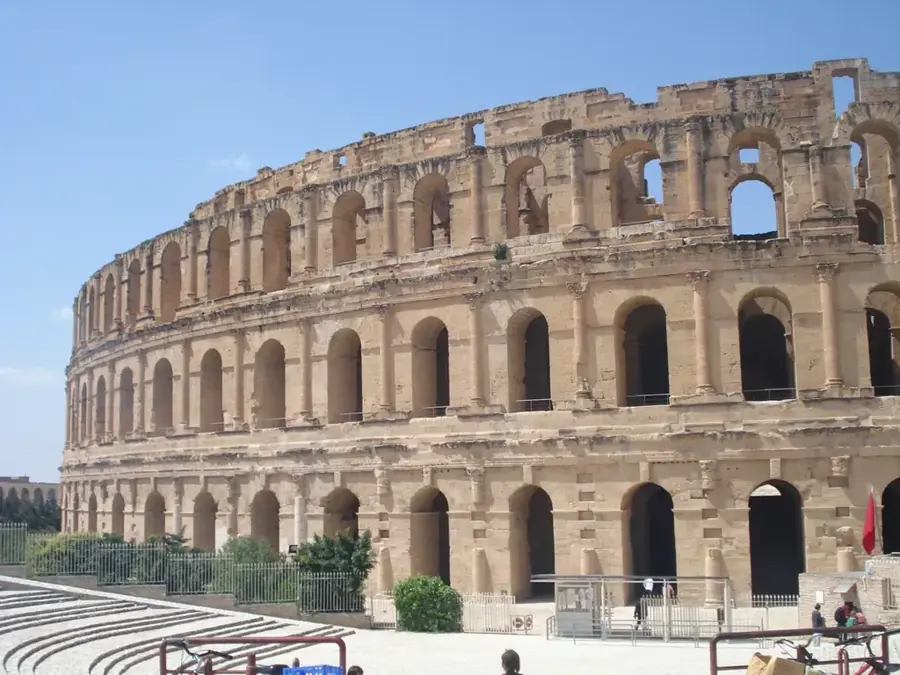
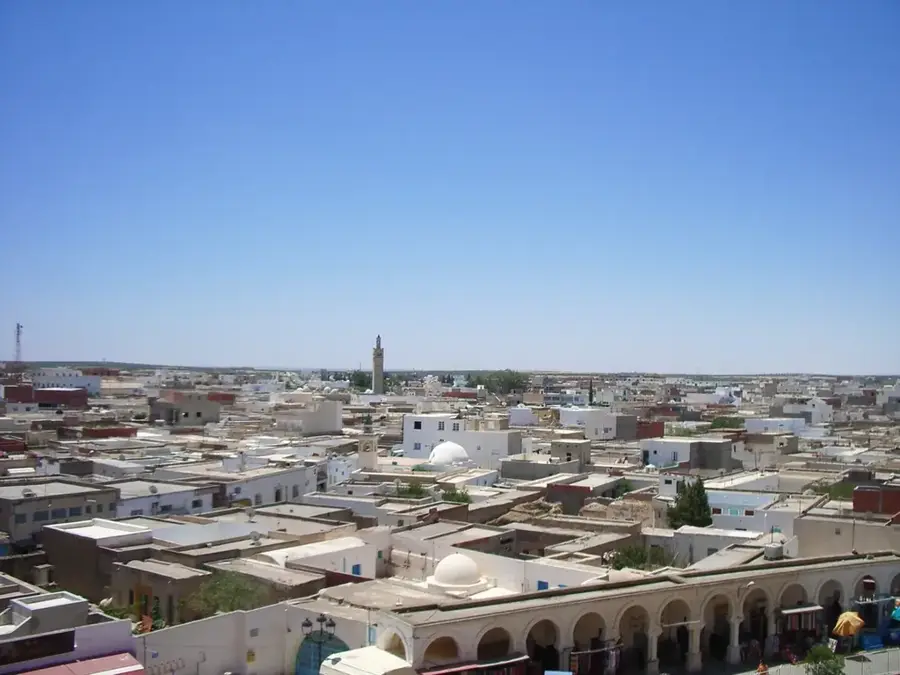
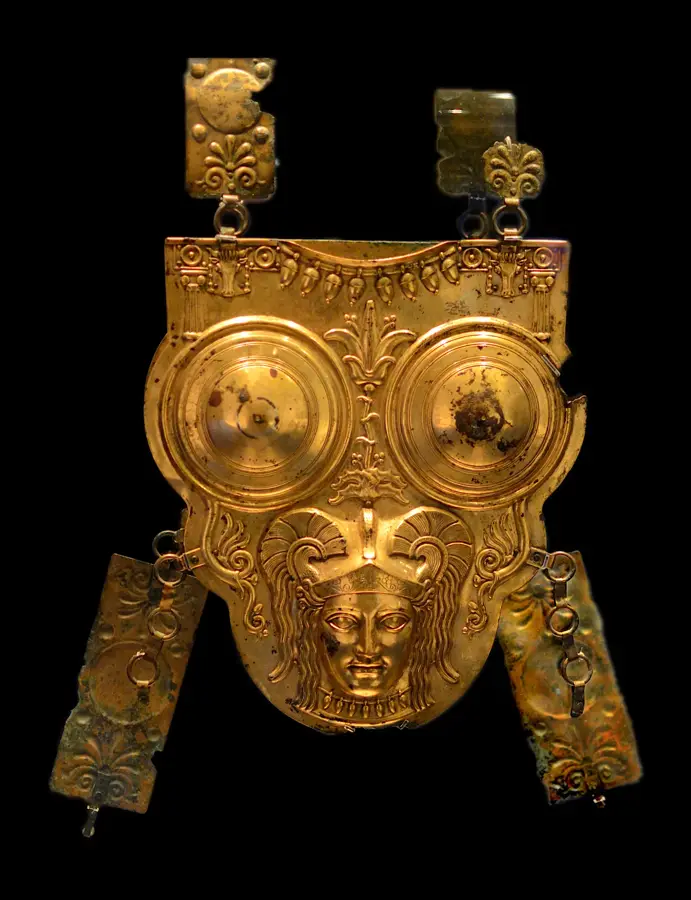
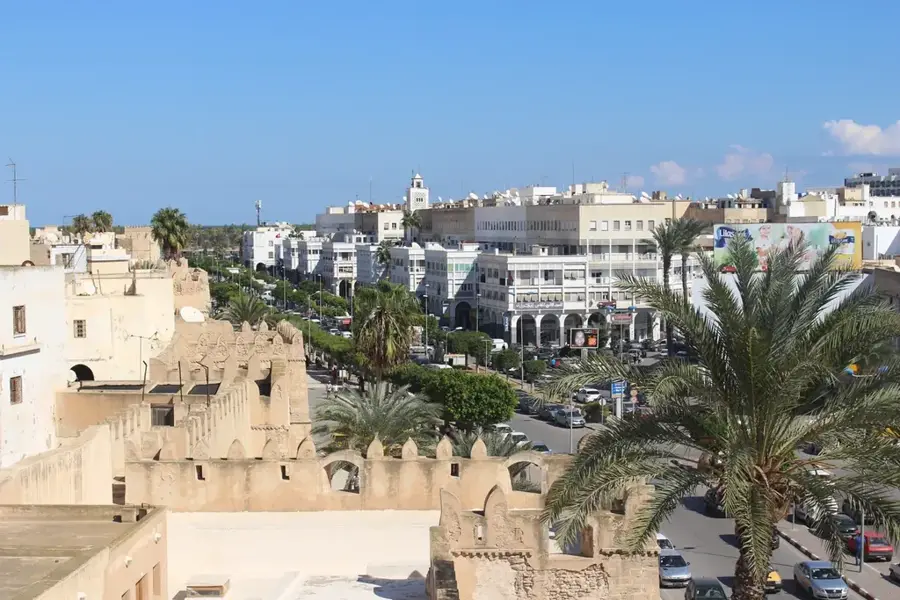
El Djem, known in antiquity as Thysdrus, is home to one of the most impressive monuments of Roman architecture in the world: the massive amphitheater, which has been a UNESCO World Heritage site since 1979. Built in the 3rd century AD, likely under Proconsul Gordian I, it was the third-largest amphitheater in the Roman Empire with a capacity of approximately 35,000 spectators, surpassing many structures in Italy in its grandeur. At the time, Thysdrus was a flourishing center of olive oil production, providing the immense wealth required for such a monumental project. Today, the amphitheater remains exceptionally well-preserved and serves as the prestigious venue for the annual International Festival of Symphonic Music of El Djem. Beyond the Colosseum, the Archaeological Museum of El Djem houses an outstanding collection of Roman mosaics, offering a glimpse into the luxurious lifestyle of the ancient inhabitants. The city is an essential destination for history enthusiasts, testifying to Tunisia's former economic and cultural significance as a vital part of the Roman Empire.
- Location: Tunisia
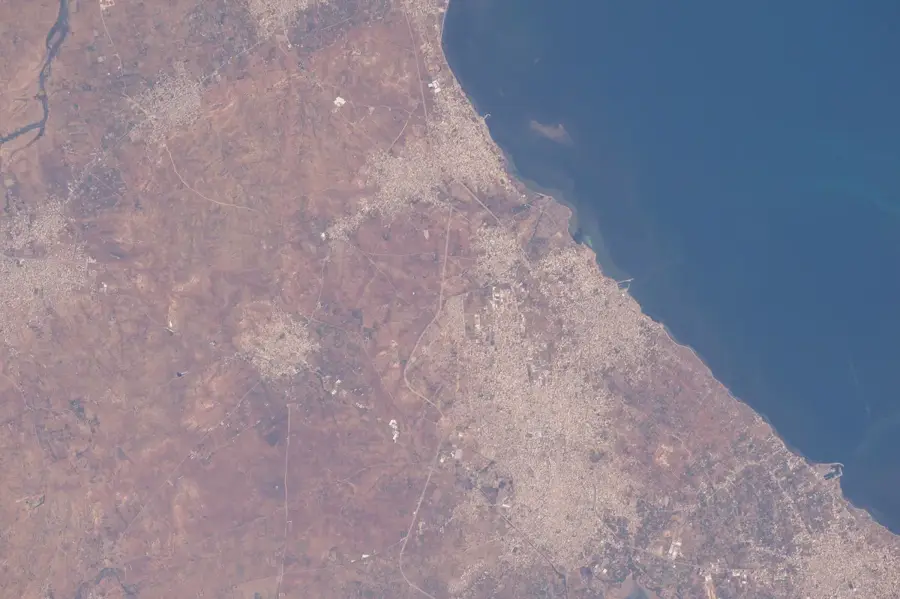
- Nearby: Ksour Essef (29 km)
- Population: ~21.544 (2024)
Best time to visit & climate
The most pleasant time to visit is Apr, May, Oct.
| Jan | Feb | Mar | Apr | May | Jun | Jul | Aug | Sep | Oct | Nov | Dec | |
|---|---|---|---|---|---|---|---|---|---|---|---|---|
| Avg °C | 11 | 11 | 14 | 18 | 21 | 26 | 29 | 29 | 26 | 22 | 16 | 12 |
| Rain mm | 27 | 21 | 41 | 29 | 24 | 15 | 7 | 23 | 60 | 48 | 30 | 36 |
Geography
Facts
- The amphitheater of El Djem is 148 meters long and 122 meters wide.
- It is the largest Roman structure on the African continent.
- In 238 AD, Thysdrus challenged Rome by proclaiming Gordian as Emperor.
- The underground passages that housed animals and gladiators are perfectly preserved.
- The stones for construction were transported from quarries in Salakta, about 30 km away.
- The Archaeological Museum is housed in a reconstructed Roman villa.
Explore nearby
Notable places around


Route planner — Car & Motorhome
Where do you start? We build the route here, with stops and country notes along the way.
© OpenStreetMap contributors · OpenRouteService
Sights in the town El Djem (1)
Frequently asked questions
What is the main site in El Djem?
How much time should I plan?
Is the amphitheater accessible?
What is the best time for photos?
Can you walk everywhere?
El Djem: where is it located?
El Djem: when is the best time to visit?
El Djem: why is it worth visiting?

Nearby cities
History & landmarks
More places