Plizio Visual Lab
Sousse
ℹ️Practical info — Sousse
▾
🌤 Weather — 5 days
📍 Nearby
Sights nearby
💡 Tips
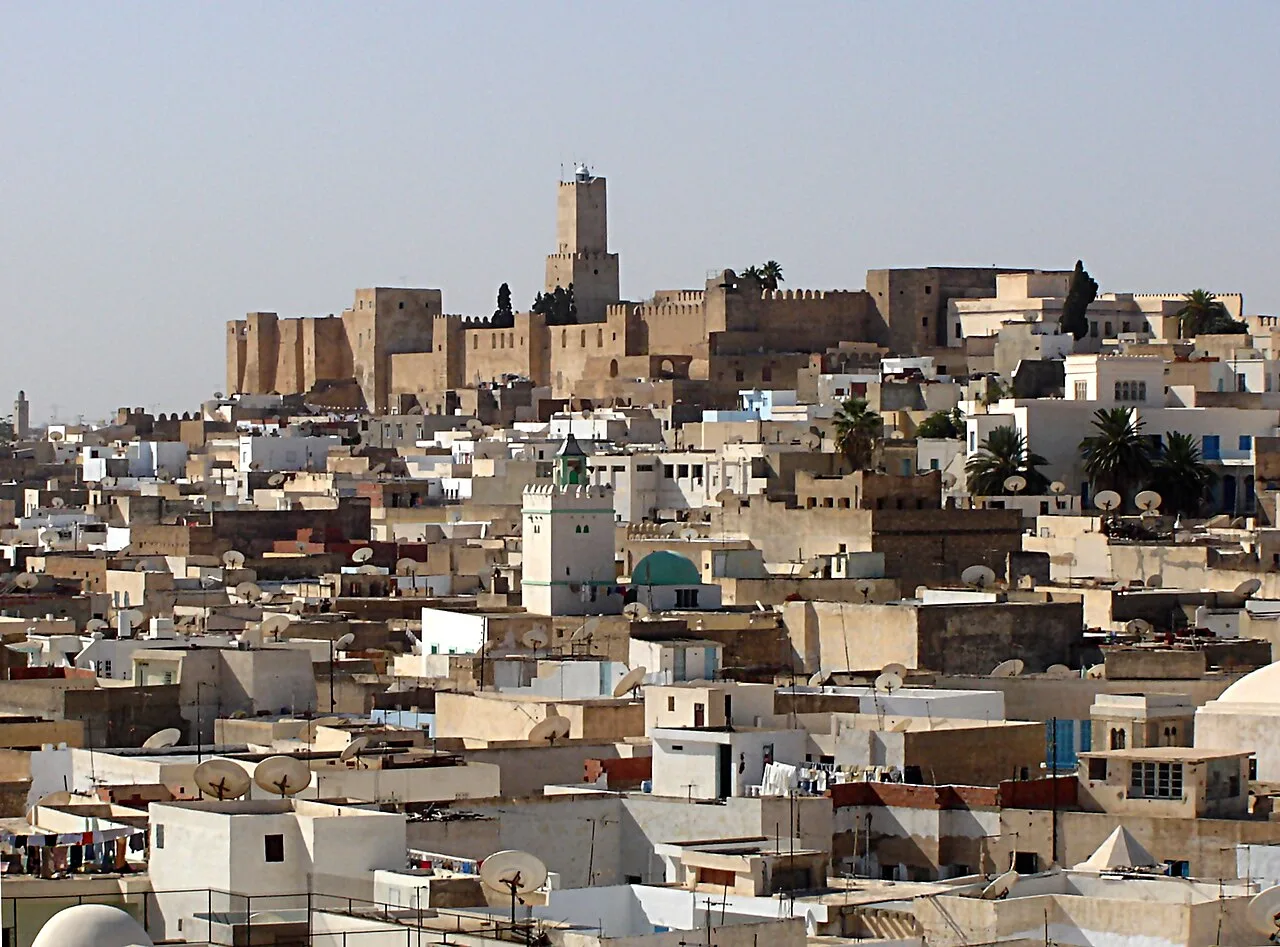
- When exploring the Medina, use the Ribat tower as a visible landmark to help orient yourself if you get lost.
- Haggling is completely expected in the Medina's souks; start by offering a third of the initial price and keep it friendly.
- If taking a taxi, insist the driver uses the meter (compteur), or negotiate the fare firmly before getting in.
- Dress moderately when exploring outside the main tourist beach zones, especially inside the Medina and religious sites.
- The central louage (shared taxi) station is the cheapest and most efficient way to travel to nearby cities like Monastir.
🍽 Food
A crispy, deep-fried pastry filled with tuna and a runny egg. Best enjoyed hot from small street food stalls.
Head to the restaurants near the port area for freshly prepared local couscous paired with the catch of the day.
A sweet Tunisian doughnut available at small windows around the Medina edges. Eat it freshly fried and coated in sugar.
🛍 Shopping · 🧘 Quiet spots
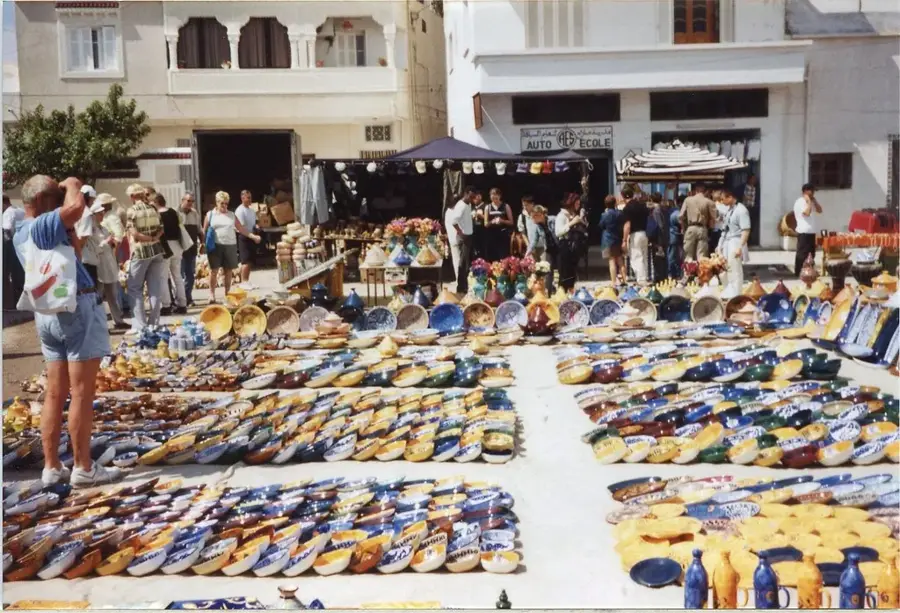
The maze of covered alleys is excellent for leather goods, ceramics, and spices. Remember to bargain hard.
Located right outside the Medina, this multi-story shop provides fixed prices-great if you hate haggling.
Look for high-quality Tunisian olive oil in small grocery shops rather than the tourist souvenir stalls.
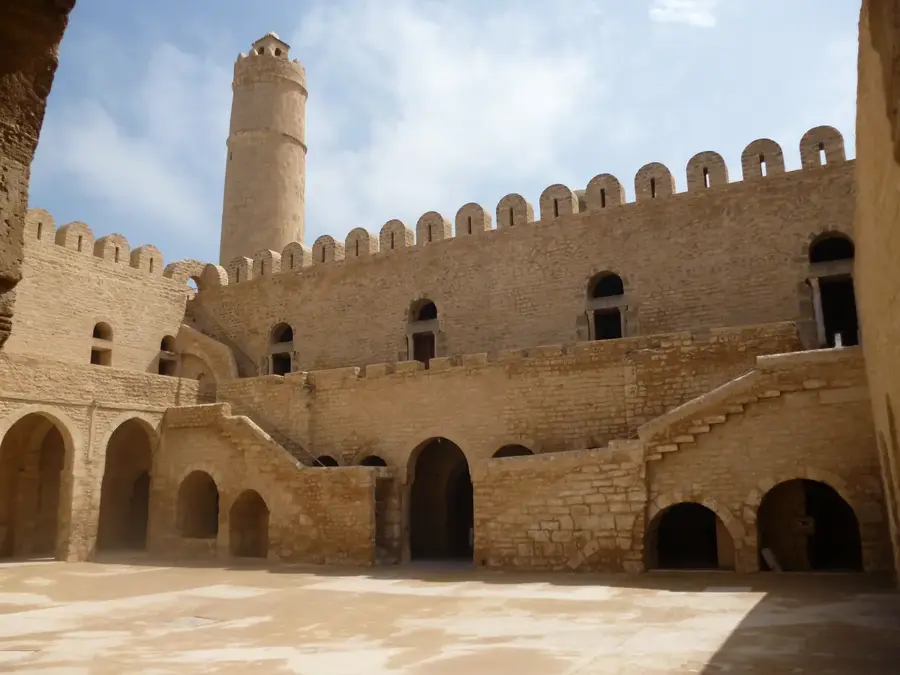
Set in the Kasbah, its internal courtyards are incredibly peaceful and filled with beautiful mosaics.
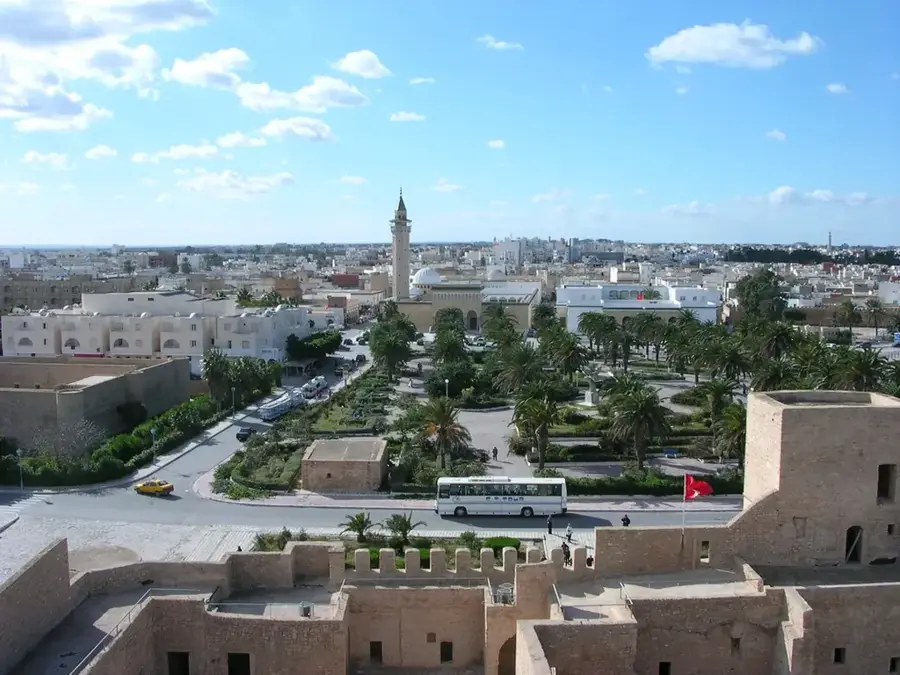
Climb the watchtower early in the morning for quiet, panoramic views of the city before the crowds arrive.
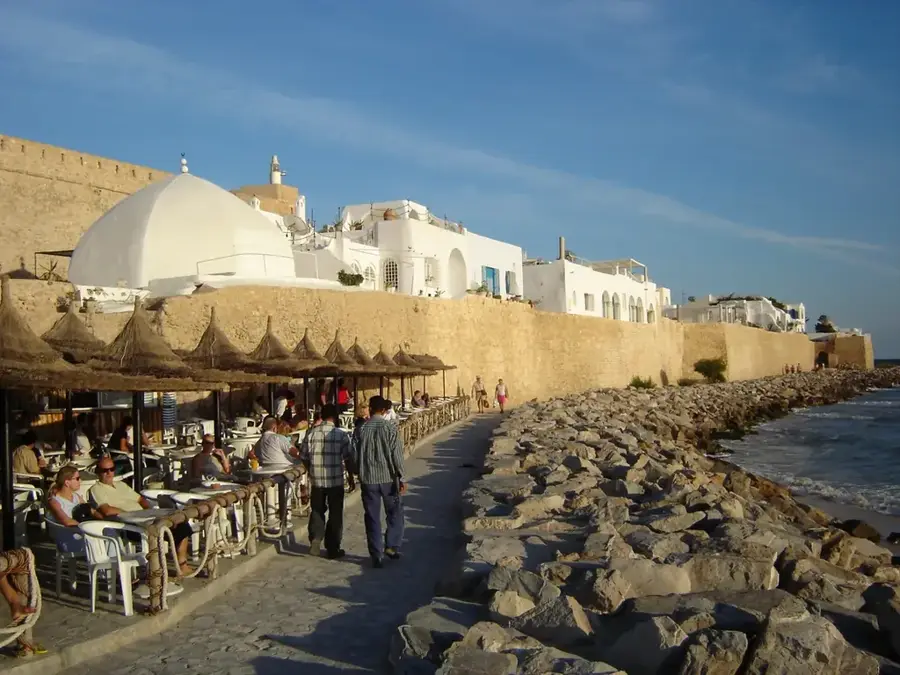
Take a walk along the beach promenade early in the morning when the sea is calm and mostly locals are out.
Water temperature…
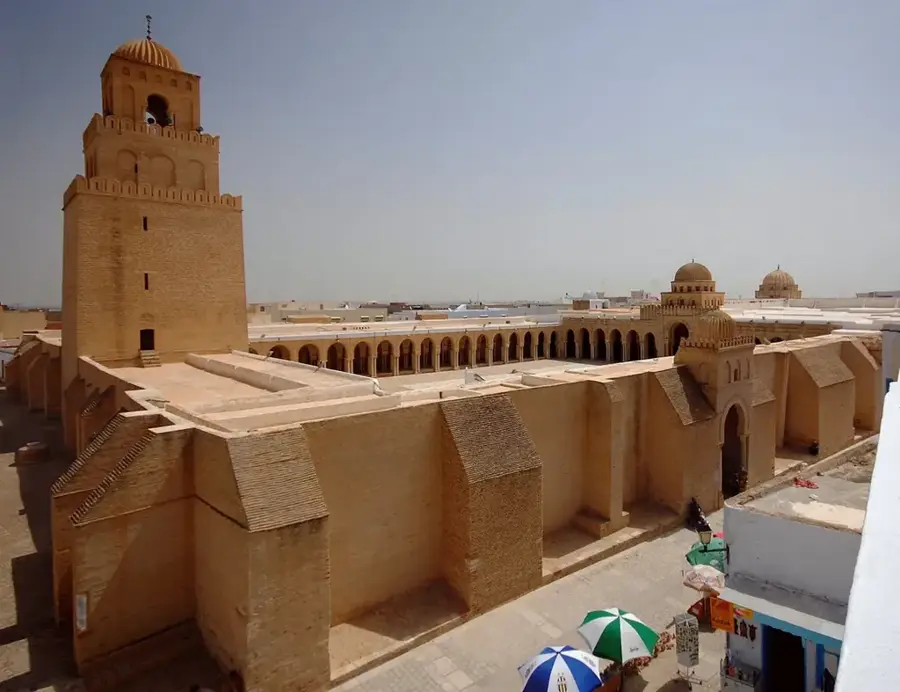
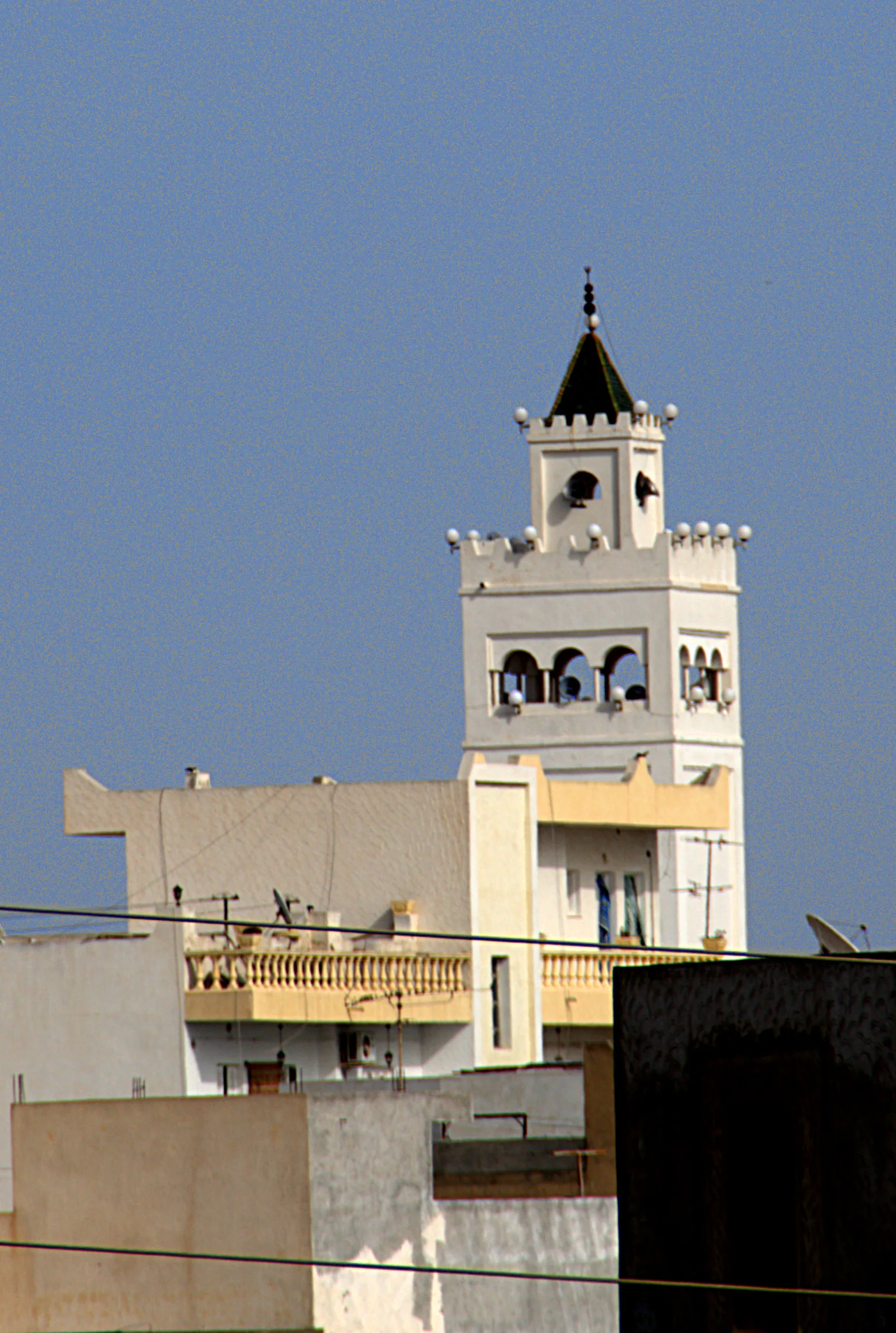
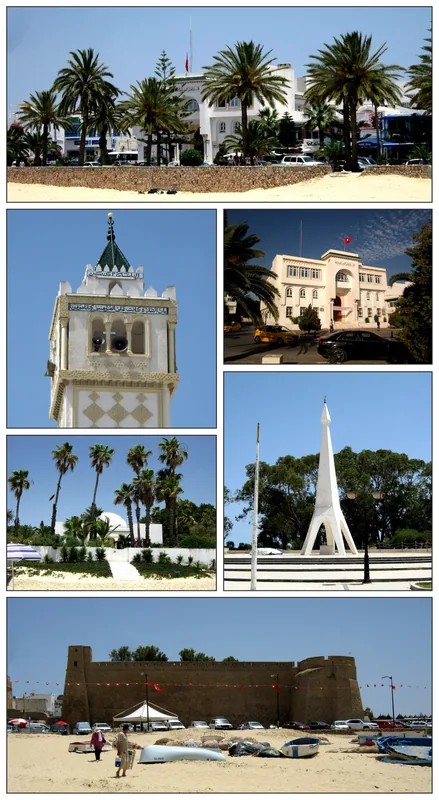
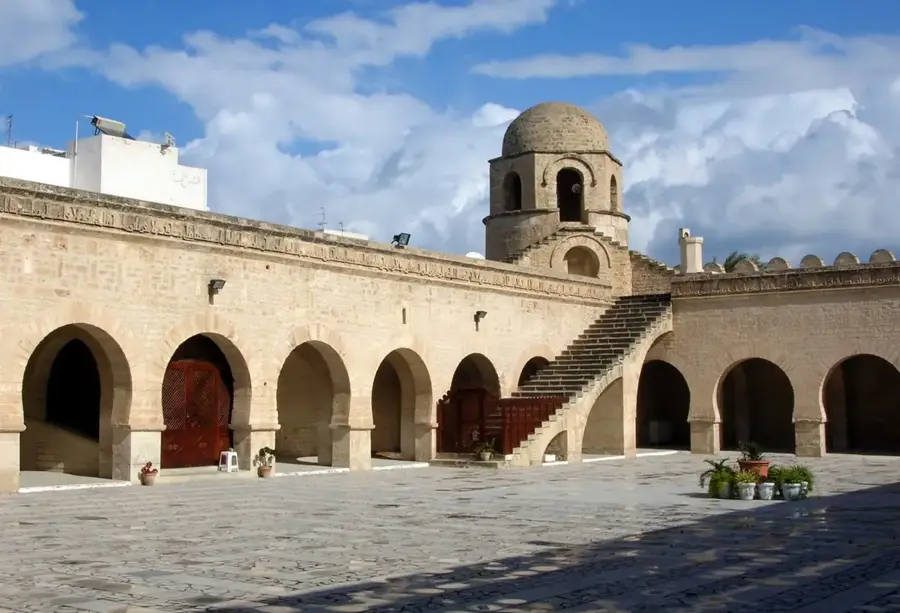
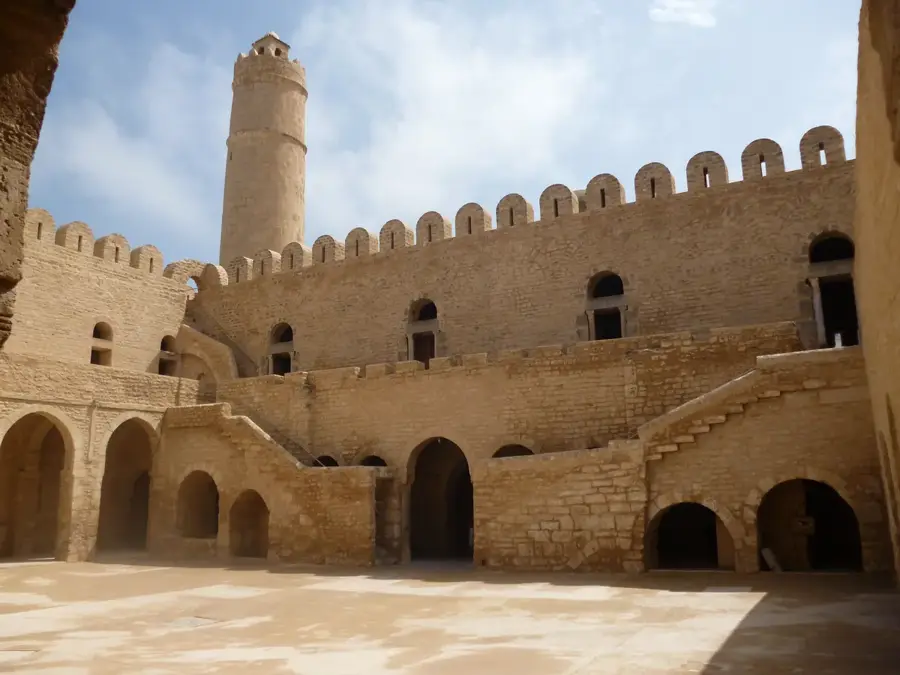
Sousse, known as the 'Pearl of the Sahel,' is Tunisia's third-largest city and a premier Mediterranean destination combining deep antiquity with modern vibrancy. Founded by Phoenician traders in the 11th century BCE as Hadrumetum, it pre-dates Carthage and served as a vital naval base for successive empires, including the Romans, Byzantines, and Aghlabids. The city's Medina is a UNESCO World Heritage site, celebrated for its cohesive 9th-century military and religious structures. Dominating the skyline is the Ribat, one of North Africa's most iconic fortified monasteries, and the Great Mosque, unique for its lack of minarets and sturdy, fortress-like design. Geographically, Sousse is the capital of the Sahel, a fertile coastal strip defined by olive groves and a pleasant Mediterranean climate. Economically, the city is a juggernaut of Tunisian tourism, anchored by the planned resort community of Port El Kantaoui to the north, which features luxury yachts and world-class golf courses. Beyond tourism, Sousse is a center for higher education and industrial manufacturing, particularly in the automotive and textile sectors. Its commercial port remains one of the busiest in the country, facilitating trade across the Mediterranean. The city's cultural depth is showcased in the Sousse Archaeological Museum, housed in the Kasbah, which contains a mosaic collection second only to the Bardo. The modern city extends along the 'Corniche' beach promenade, a social hub that bustles with activity day and night. With its strategic location, historic weight, and economic diversity, Sousse remains a pivotal Mediterranean crossroads, offering a unique blend of historical immersion and contemporary lifestyle that makes it a cornerstone of Tunisian identity.
- Location: Tunisia
- Top sights: Sousse Kasbah · Sousse Archeological Museum · El Kobba museum of traditional arts and clothing
- Nearby: Akouda (8 km)
- Population: ~221.715 (2026)
Best time to visit & climate
The most pleasant time to visit is May, Jun, Oct.
| Jan | Feb | Mar | Apr | May | Jun | Jul | Aug | Sep | Oct | Nov | Dec | |
|---|---|---|---|---|---|---|---|---|---|---|---|---|
| Avg °C | 12 | 12 | 14 | 17 | 20 | 24 | 27 | 28 | 25 | 22 | 18 | 14 |
| Rain mm | 37 | 28 | 44 | 30 | 22 | 14 | 6 | 20 | 61 | 56 | 37 | 47 |
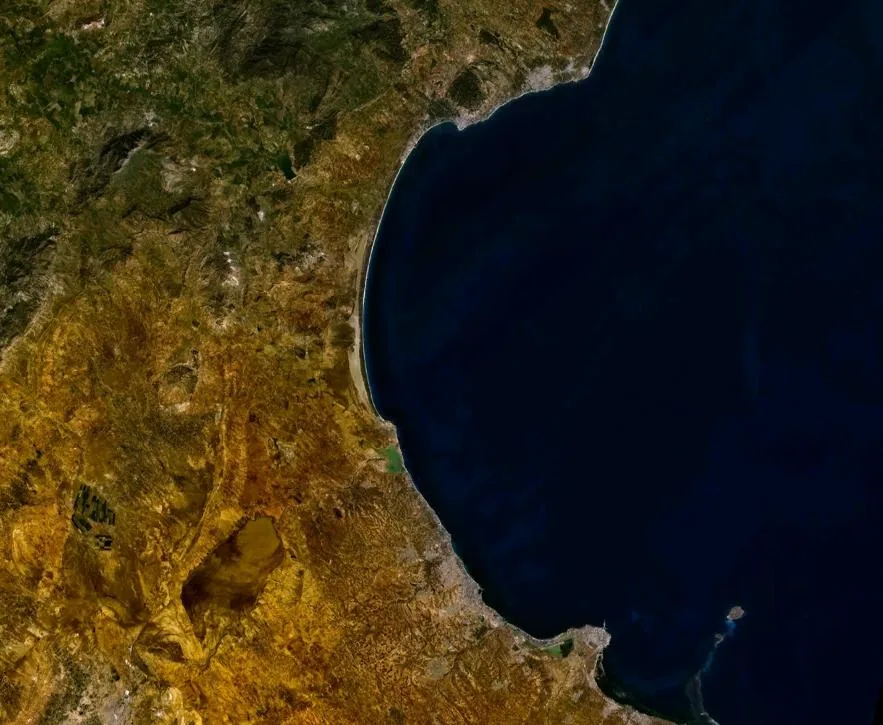
Geography
Facts
- Sousse is the administrative heart of the TN-51 ISO region.
- The city's ancient catacombs date from the 2nd to 4th centuries CE.
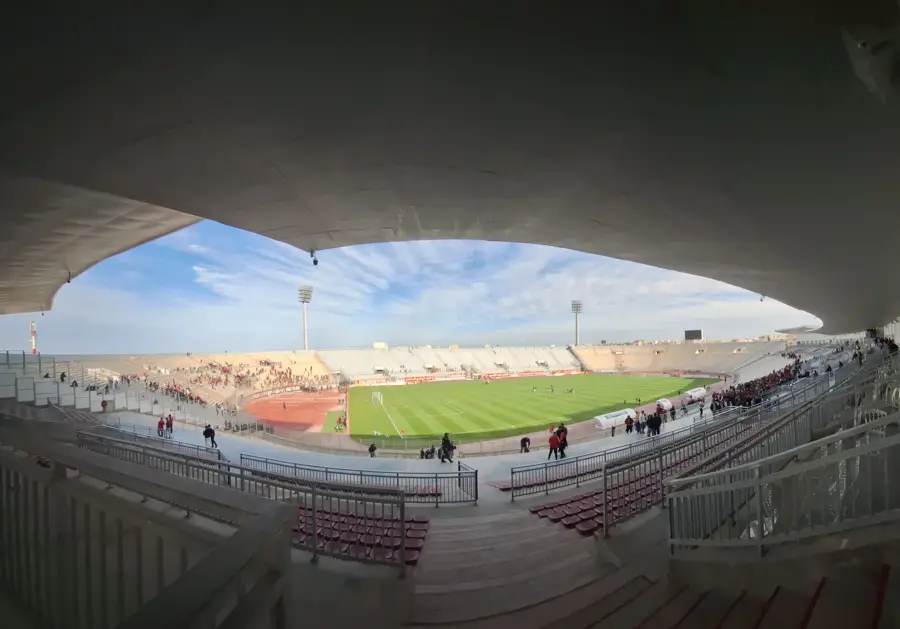
- Sousse hosted matches during the 2004 Africa Cup of Nations.
- The Great Mosque was commissioned by Prince Abu al-Abbas Muhammad.
- The city's average elevation is 2 meters above sea level.
- Sousse is a major rail hub connecting Tunis to the southern regions.
- Port El Kantaoui covers an area of 307 hectares of tourist landscape.
- The city was a strategic prize during the North African campaign of WWII.
Explore nearby
Notable places around
Route planner — Car & Motorhome
Where do you start? We build the route here, with stops and country notes along the way.
© OpenStreetMap contributors · OpenRouteService
Your walk begins at the ancient fortress walls of Bab el Finga, leading you deep into the city's cultural history. Around midday, explore traditional museums that bring Tunisia's colorful life and craftsmanship closer to you. In the afternoon, immerse yourself in ancient history at the Archeological Museum and the massive Kasbah. The day ends peacefully at the Roman column, where you can reflect on the rich past of Sousse amidst the modern bustle.
Bab el Finga
Museum Dar Essid
El Kobba Museum
Bab El-Gharbi
Sousse Archeological Museum
Sousse Kasbah
Roman column
Start your morning at the gates, minding the slippery wet stones. Midday is perfect for exploring indoor museums, safely escaping the showers. Afternoon walks to the kasbah and museums offer great shelter. By evening, navigating the Roman ruins requires a good raincoat.
Bab el Finga
Museum Dar Essid
El Kobba Museum
Bab El-Gharbi
Sousse Archeological Museum
Sousse Kasbah
Roman column
Begin with a brisk morning walk at the medina, wrapped up against the coastal chill. Midday is bright and comfortable for museum hopping. Afternoon light fades fast around the kasbah. By evening, it is dark and quite chilly near the Roman ruins, so dress warmly.
Bab el Finga
Museum Dar Essid
El Kobba Museum
Bab El-Gharbi
Sousse Archeological Museum
Sousse Kasbah
Roman column
On two wheels, start at the Museum Dar Essid and explore the winding streets of the traditional museums. Around noon, cycle smoothly along the western fortress walls, reaching the Archeological Museum. The afternoon brings you to the impressive Kasbah and the Roman House of Masks, delving deeper into antiquity. Finally, ride to the Punico-Roman Necropolis to conclude your day surrounded by millennia of ancient history.
Museum Dar Essid
El Kobba Museum
Bab El-Gharbi
Sousse Archeological Museum
Sousse Kasbah
Roman House of Masks
Punico-Roman Necropolis
Start your wet ride carefully, keeping a close eye on slick city roads. Midday museum stops let you dry off completely. Ride cautiously to the kasbah in the afternoon rain. An evening ride to the necropolis requires bright lights and waterproof gear.
Museum Dar Essid
El Kobba Museum
Bab El-Gharbi
Sousse Archeological Museum
Sousse Kasbah
Roman House of Masks
Punico-Roman Necropolis
Crisp winter cycling starts fresh at the museums. The midday sun warms up the ride nicely. Afternoon cycling to the kasbah is beautiful but getting cooler. Finish before dark around 17:00 at the necropolis, wear thermal layers.
Museum Dar Essid
El Kobba Museum
Bab El-Gharbi
Sousse Archeological Museum
Sousse Kasbah
Roman House of Masks
Punico-Roman Necropolis
Your comfortable drive begins at the traditional El Kobba museum before heading to the ancient Bab el Finga gate. At midday, visit the renowned Archeological Museum, where fantastic mosaics await you. The afternoon features the massive Kasbah and the ancient Roman column, both easily accessible. In the evening, drive smoothly to the Punico-Roman Necropolis to immerse yourself in Sousse's rich history away from the center.
El Kobba Museum
Bab el Finga
Sousse Archeological Museum
Sousse Kasbah
Roman column
Punico-Roman Necropolis
Drive carefully in the morning drizzle to the museums. Midday offers dry indoor breaks between short drives. The afternoon drive to the kasbah keeps you comfortable. Evening parking at the ruins might be muddy, keep an umbrella handy.
El Kobba Museum
Bab el Finga
Sousse Archeological Museum
Sousse Kasbah
Roman column
Punico-Roman Necropolis
Enjoy a heated morning drive to the medina museums. The midday winter sun makes the short walks between stops quite pleasant. Drive to the kasbah as the afternoon quickly cools down. Reach the necropolis before 5 PM to beat the early sunset.
El Kobba Museum
Bab el Finga
Sousse Archeological Museum
Sousse Kasbah
Roman column
Punico-Roman Necropolis
Sights in the town Sousse (9)
Frequently asked questions
How many days for Sousse?
Best time to visit?
Is the Medina safe?
What must I eat?
Family-friendly?
Sousse: where is it located?
Sousse: what is there to see?
Sousse: when is the best time to visit?
Sousse: why is it worth visiting?

Nearby cities
History & landmarks
More places