Plizio Visual Lab
Geita Farmland

Weather…
Water temperature…
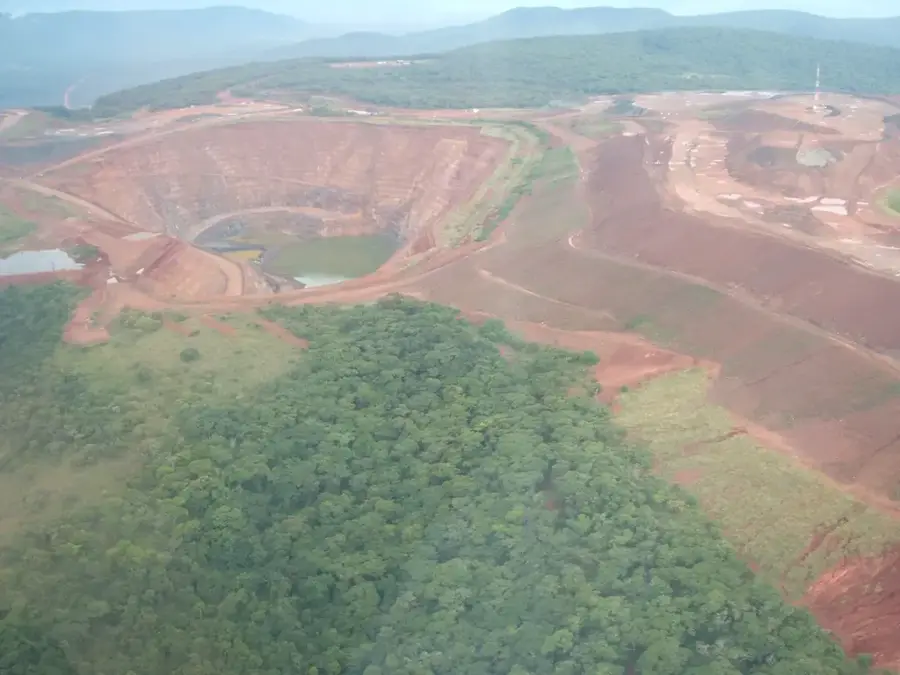
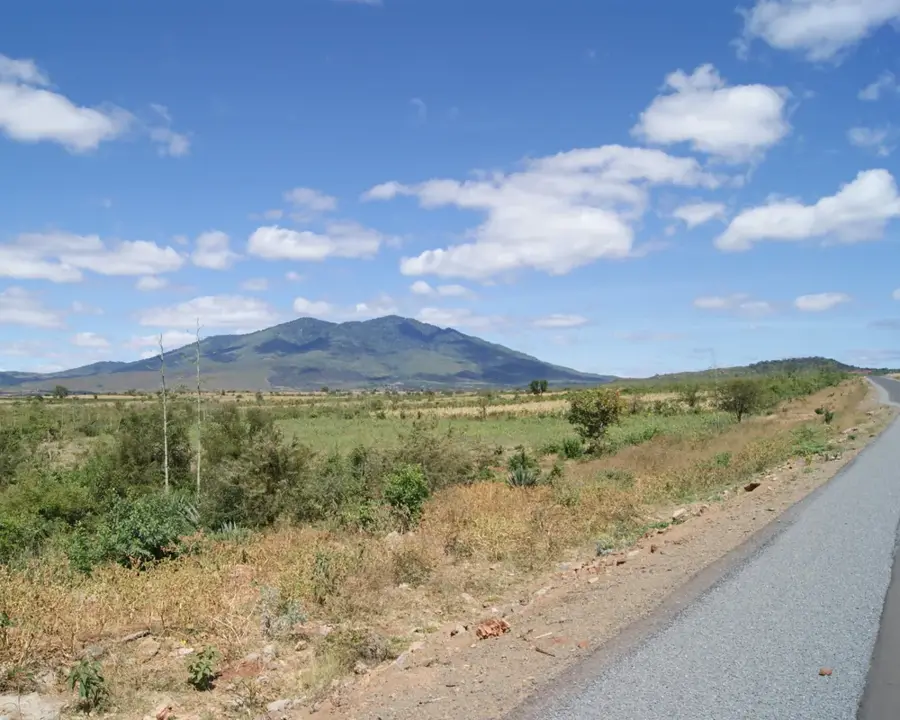
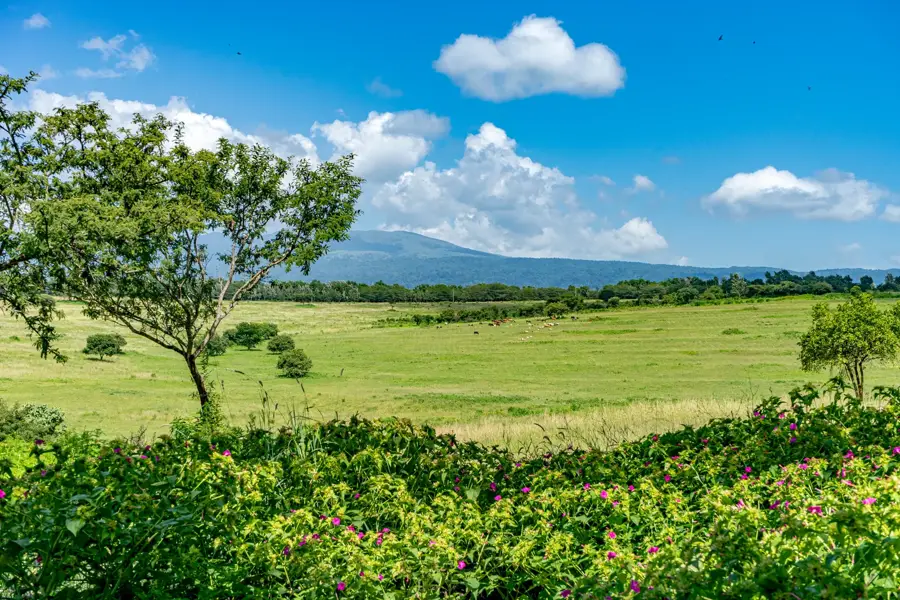
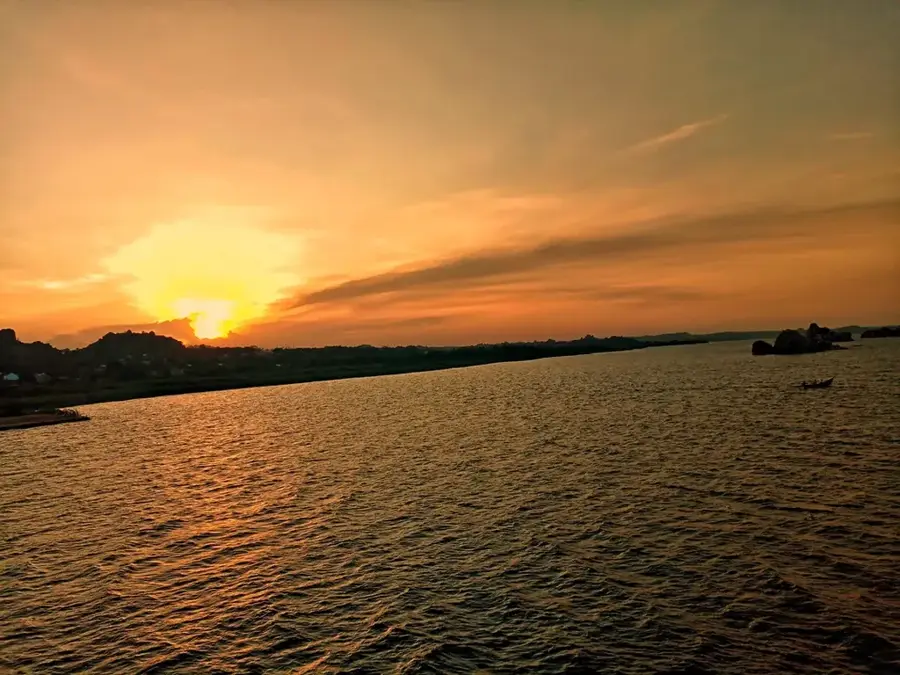
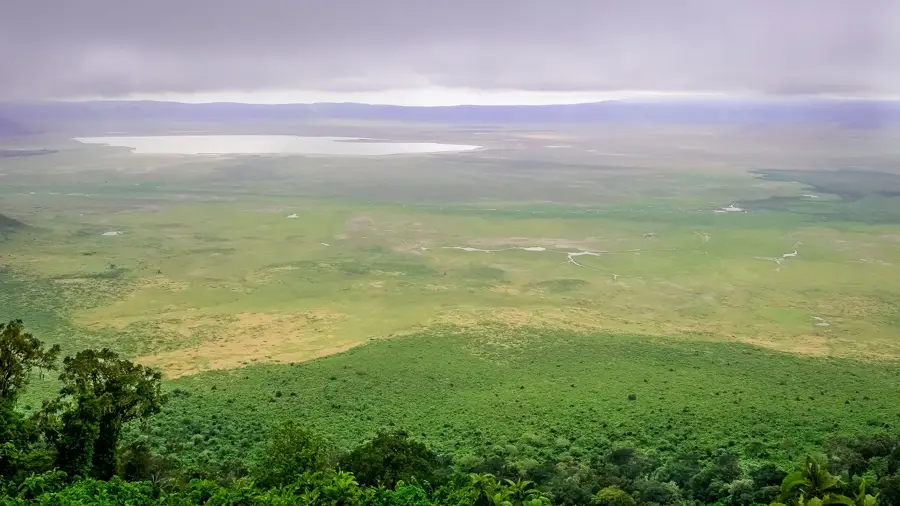
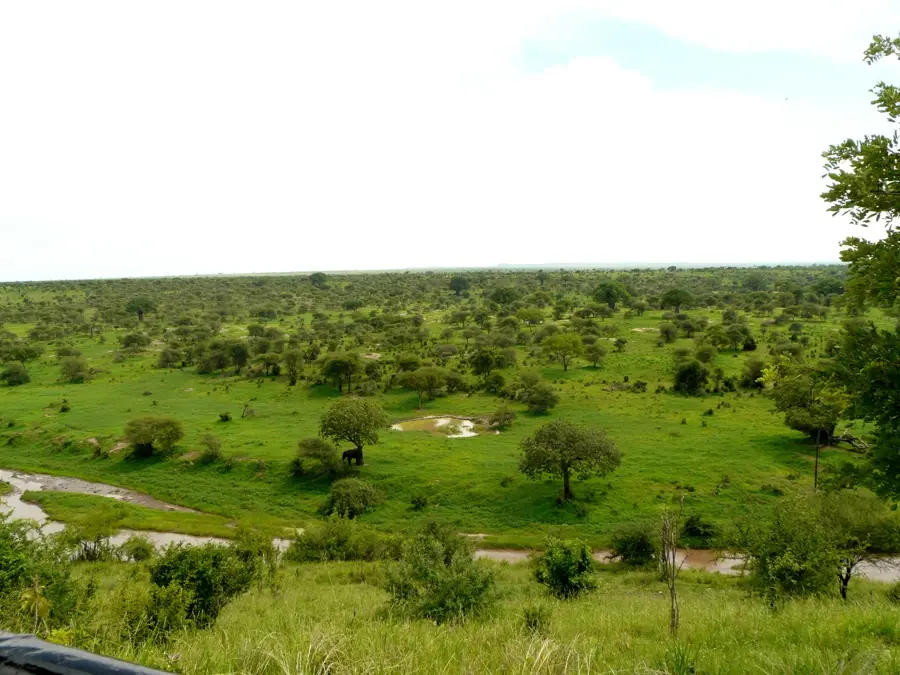
Geita is located in northwestern Tanzania, south of Lake Victoria, and is globally recognized primarily for its gold mining industry; however, agriculture remains the vital livelihood for the majority of the population. The region possesses fertile soils that support the cultivation of cotton, its most important cash crop, as well as maize, cassava, and sweet potatoes for food security. Most farming operations are small-scale, yet they benefit significantly from the growing demand for food products in the nearby mining centers. Historically, the region was part of the migration routes of the Sukuma people, Tanzania's largest ethnic group, whose pastoralist traditions continue to shape the rural landscape. Agriculture in Geita faces the ongoing challenge of competing with the mining sector for essential land and water resources. Recently, crop diversification programs have been implemented to reduce the local economy's vulnerability to fluctuations in gold prices. The tropical climate, characterized by two distinct rainy seasons, allows for intensive land use. Despite the industrial influence, the social fabric remains deeply connected to the rhythms of fieldwork and traditional market trade.
- Location: Tanzania
- Nearby: Geita (5 km)
Best time to visit & climate
The most pleasant time to visit is Jun–Aug.
| Jan | Feb | Mar | Apr | May | Jun | Jul | Aug | Sep | Oct | Nov | Dec | |
|---|---|---|---|---|---|---|---|---|---|---|---|---|
| Avg °C | 23 | 23 | 23 | 22 | 23 | 22 | 22 | 23 | 24 | 24 | 23 | 22 |
| Rain mm | 108 | 102 | 154 | 136 | 54 | 13 | 6 | 17 | 37 | 92 | 183 | 128 |
📋 Practical info
Geography
Facts
- Geita became a separate administrative region in 2012.
- Cotton is the region's most important agricultural export.
- The area sits at an elevation of approximately 1200 meters.
- The Sukuma people constitute the largest ethnic group in the region.
- Geita is home to one of the largest gold mines in Africa.
- Two rainy seasons allow for crop cultivation twice a year.
Explore nearby
Notable places around


Route planner — Car & Motorhome
Where do you start? We build the route here, with stops and country notes along the way.
© OpenStreetMap contributors · OpenRouteService
Sights in the town Geita Farmland (1)
Sights nearby
Frequently asked questions
What is the Geita region?
Are there tourist attractions?
How to get to Geita?
What is nearby?
When is a visit recommended?
Geita Farmland: where is it located?
Geita Farmland: when is the best time to visit?
Geita Farmland: why is it worth visiting?

Nearby cities

History & landmarks
More places