Plizio Visual Lab

Unguja
Plizio editorial teamData Sources
Island
—°1
Unguja (Tanzania)

Weather…

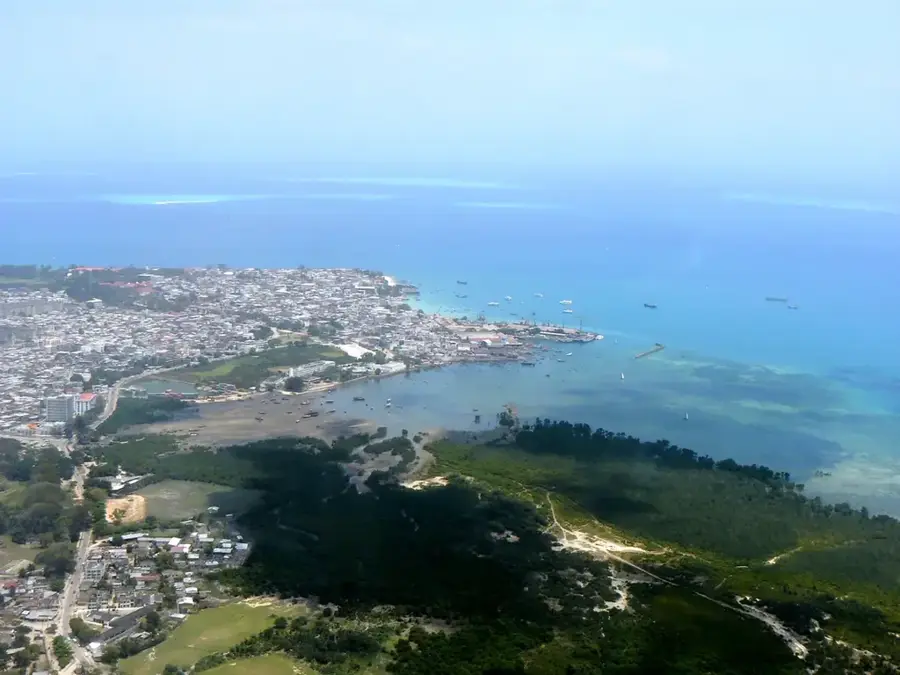
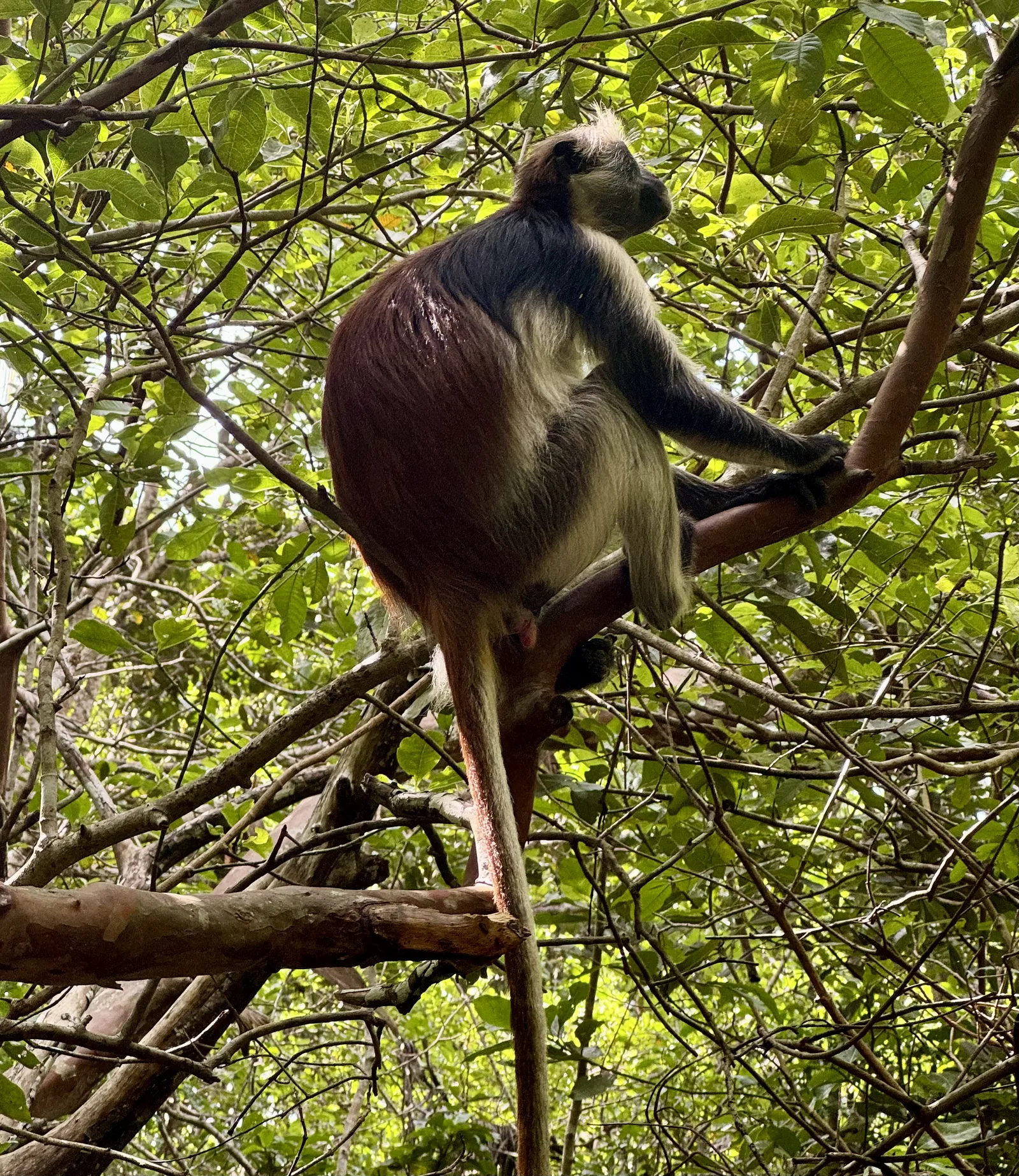
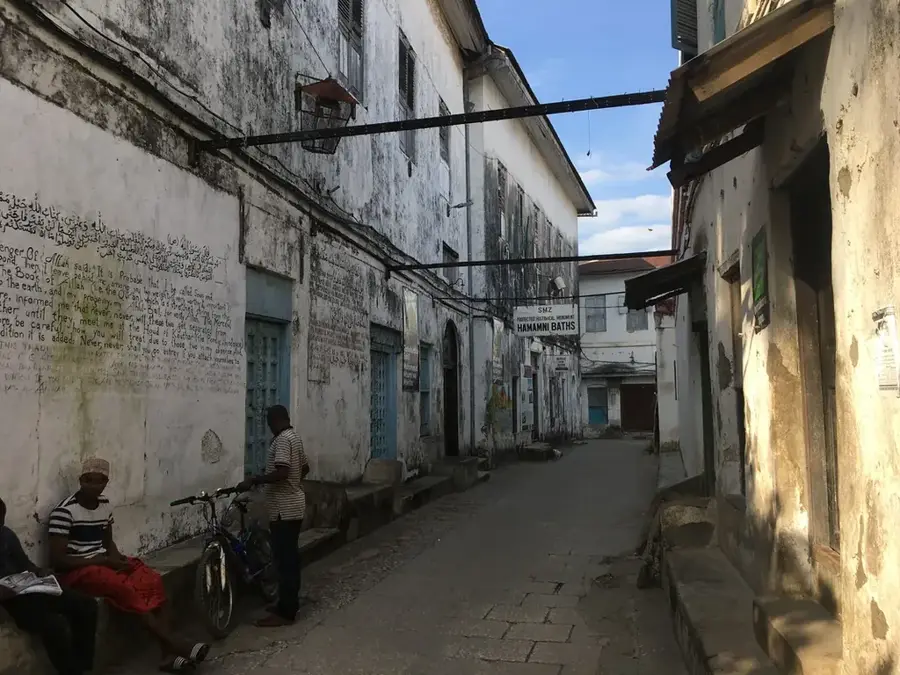
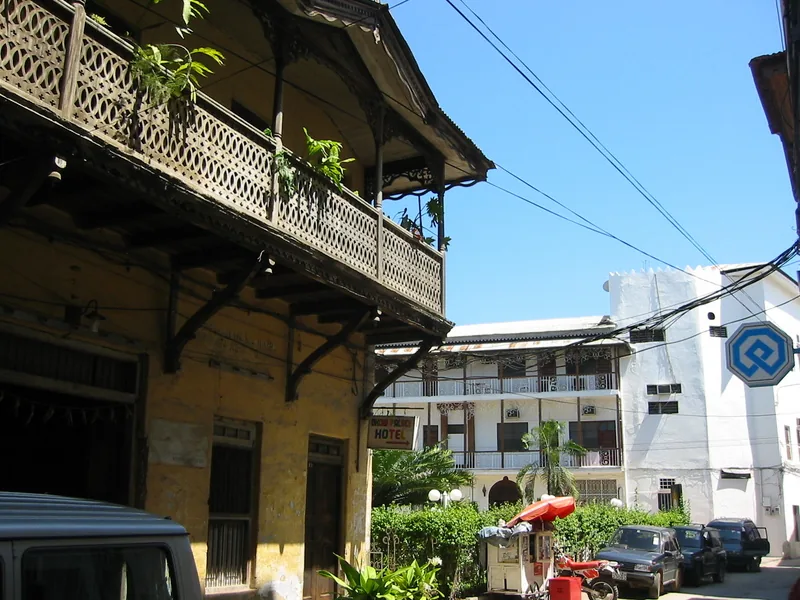
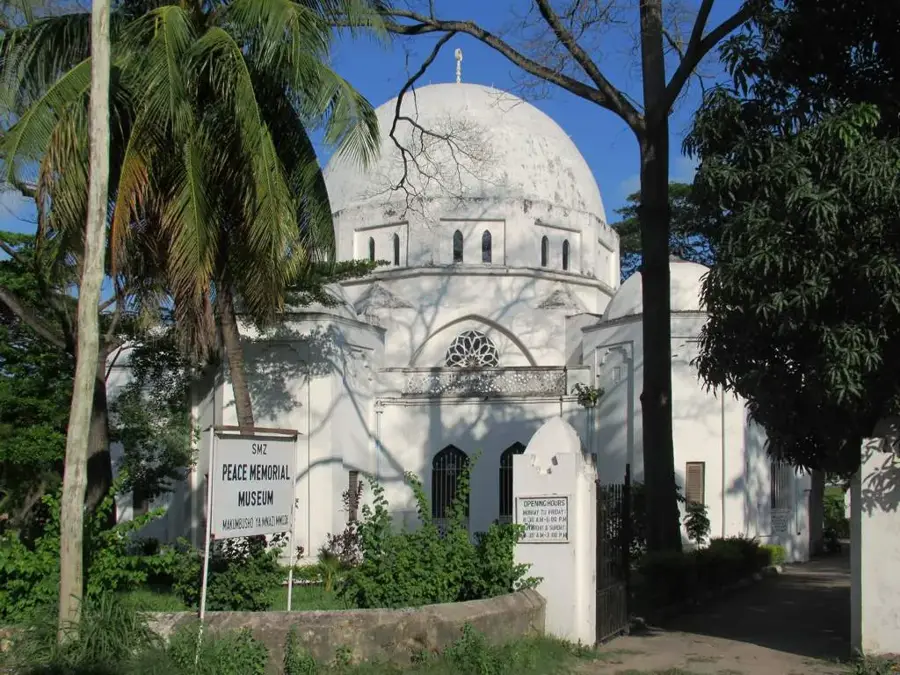
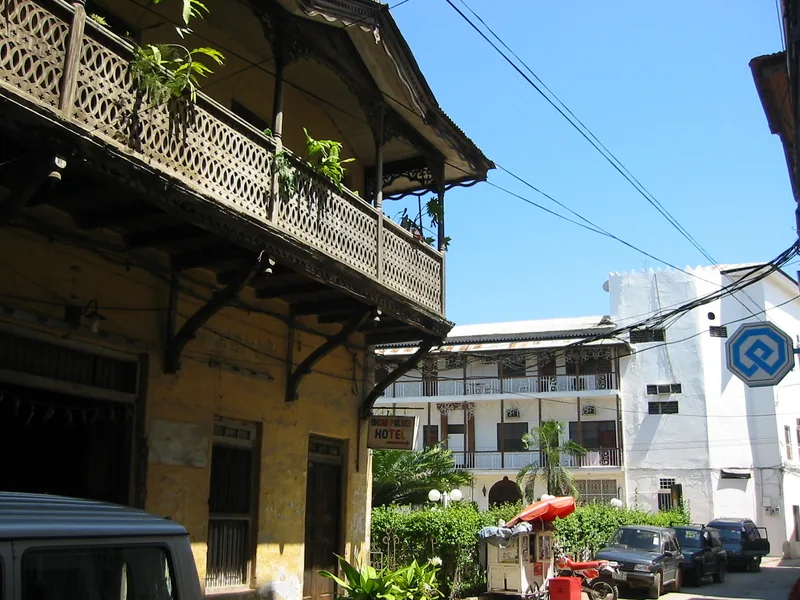
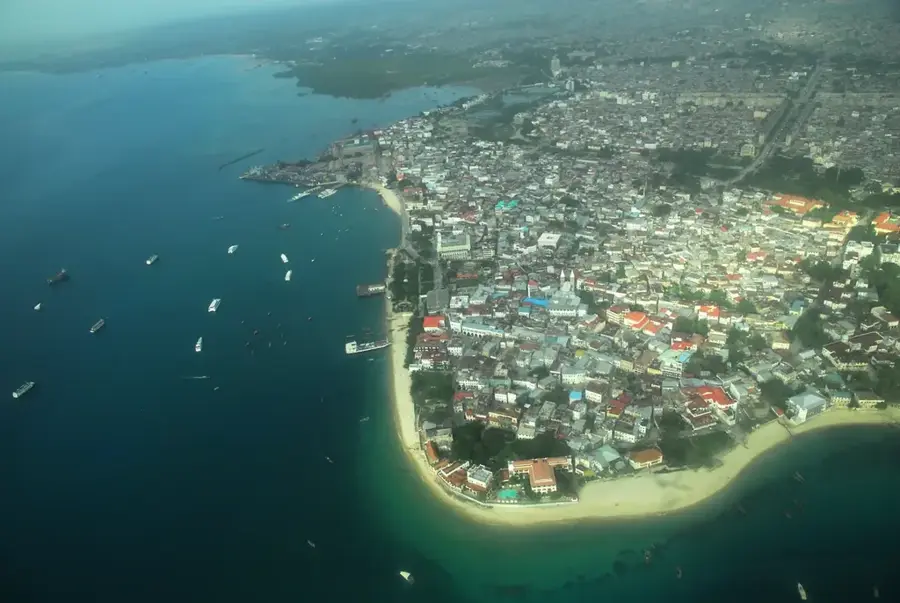
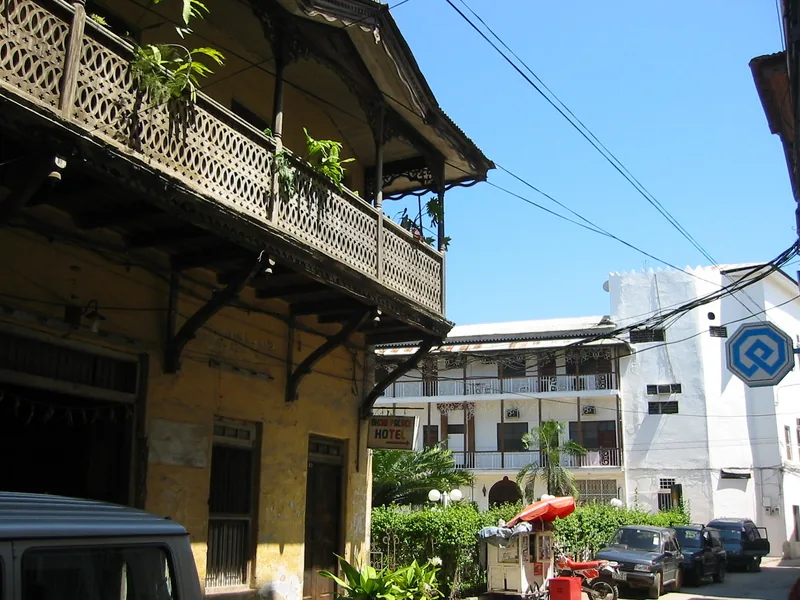
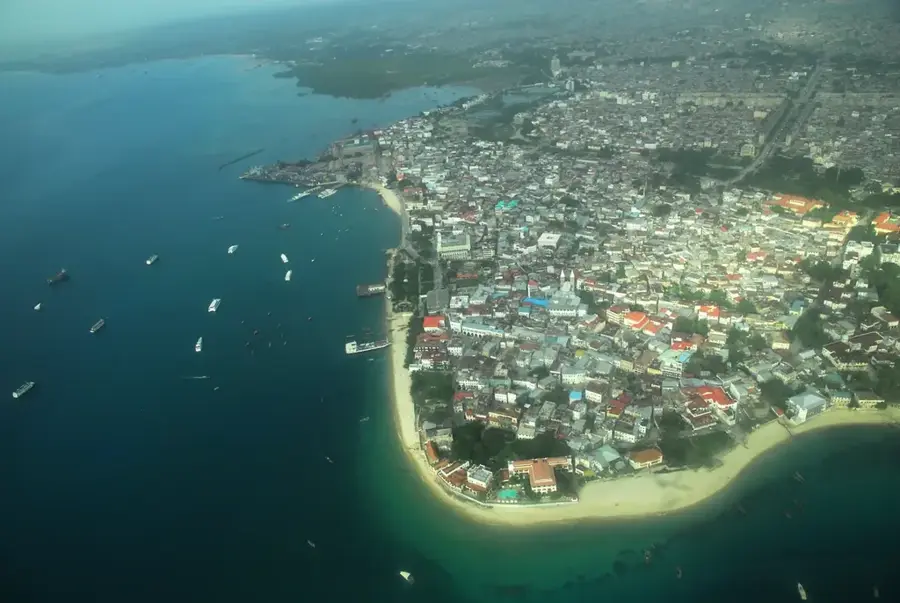
Unguja, often simply referred to as Zanzibar Island, is the largest and most populous island of the Zanzibar Archipelago off the coast of Tanzania. The island has a rich and complex history, serving for centuries as a major center for the spice trade and slave trade in the Indian Ocean. In 1840, the Sultan of Oman moved his capital to Stone Town, the historic quarter of Zanzibar City, which is now a UNESCO World Heritage site. Geographically, the island is characterized by low-lying plains and coral limestone formations, with the highest point reaching only 119 meters. The economy today is primarily based on tourism and the export of cloves, nutmeg, and cinnamon, earning it the nickname "Spice Island." The cultural identity is a fascinating blend of African, Arabic, Indian, and European influences, reflected in the architecture and the local language. Unguja is also home to the Jozani Chwaka Bay National Park, the last sanctuary for the endemic Zanzibar red colobus monkey.

Best time to visit & climate

The most pleasant time to visit is Jul–Sep.

JanFebMarAprMayJunJulAugSepOctNovDec
Avg °C282829282726262626272828
Rain mm6251119256186291314226410192

📋 Practical info

🧭
Getting there
The main island of Zanzibar is best reached via the international airport or by ferry from Dar es Salaam, which operates several times a day. On the island, taxis, rental cars, or the local 'daladalas' serve as the primary means of transport for flexibly exploring the various regions and beaches.
📅
Best season
The convenient time to visit is during the dry seasons from June to October and from December to February, when humidity is lower and the sun is steady. During the long rainy season from March to May, many unpaved roads can become impassable, making this time less suitable for nature explorations.
⛰️
Terrain & paths
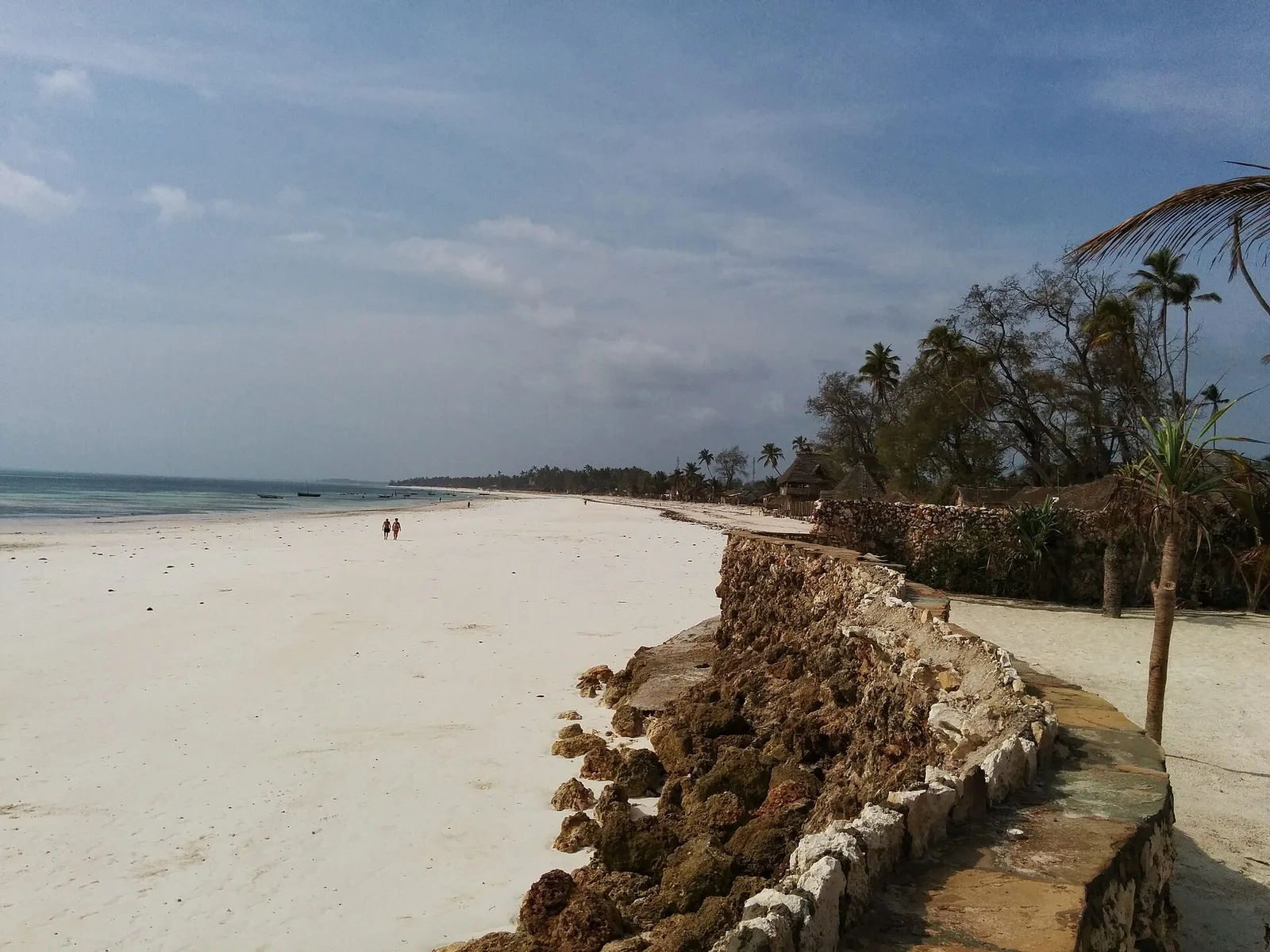
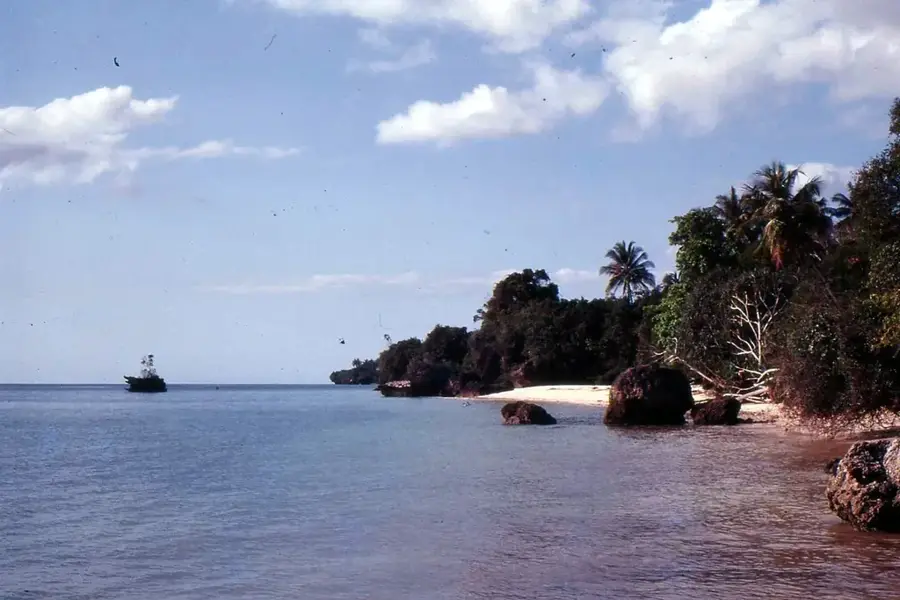
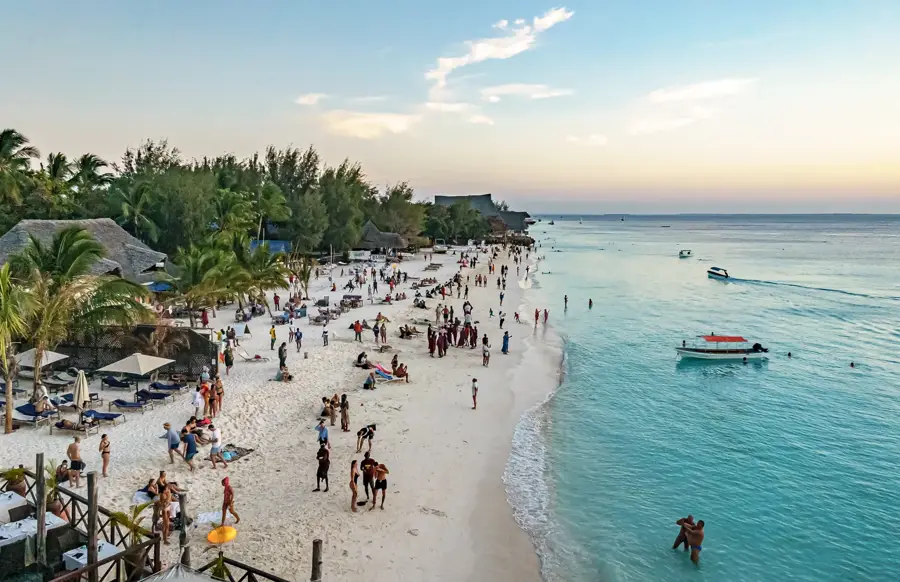
The terrain is predominantly flat with gentle hills in the interior and long, white sandy beaches fringed by coral reefs. There are both well-maintained paved main roads and bumpy tracks leading through dense vegetation to remote villages and hidden coastal sections.
🎒
What to bring
Light, breathable cotton clothing and good sun protection are indispensable for every visitor due to the tropical climate. For trips into nature or spice plantations, sturdy footwear and effective insect repellent should also be carried to prevent mosquito bites.
🅿️
Parking
In Stone Town, parking spaces are scarce and often involve a fee, while most resorts and hotels along the coasts have their own secured parking areas. Those traveling by rental car should always leave the vehicle in guarded parking lots at night to ensure the safety of the car.
⚠️
Safety
Visitors should be mindful of the strong tidal differences that can affect swimming at some beaches and avoid sea urchins in shallow waters. In towns, normal caution against pickpockets is advised, and one should not visit lonely beach sections alone after dark.
⏱️
Time needed
Since the island is very diverse, most travelers spend at least a week here to experience both the culture and the natural beauty. For specific excursions to national parks or spice farms, one should plan half a day to a full day each to manage the long distances.

Geography

Coordinates
-6.15000, 39.30000

Facts

  • The island covers a total area of approximately 1,666 square kilometers.
  • Stone Town was designated a UNESCO World Heritage site in the year 2000.
  • The highest point on the island is just 119 meters above sea level.
  • The island became the capital of the Omani Sultanate in 1840.
  • Unguja is one of the world's leading producers of cloves.
  • The island's population is estimated to be around 1.3 million people.

Explore nearby

Notable places around
Route planner — Car & Motorhome

Where do you start? We build the route here, with stops and country notes along the way.

Vehicle
Only stops with (optional):

© OpenStreetMap contributors · OpenRouteService

Sights in the town Unguja (1)

Dunga Ruins📍 landmark

The Dunga Ruins are the crumbling coral-stone remains of a 19th-century Swahili palace that once housed local royalty.

Sights nearby

Frequently asked questions

How long does it take to explore Unguja?
At least 5 to 7 days are good for beaches and Stone Town.
When is the best time to travel?
The months of June to October, as well as January and February, are dry and pleasant.
Are there good dive sites on Unguja?
Yes, especially in the north and around Mnemba Atoll, diving is excellent.
Do tourists need to follow dress codes?
Yes, outside of resorts, one should cover shoulders and knees.
How to get from the airport to the hotel?
Taxis and hotel transfers are the most common options.
Unguja: where is it located?
Unguja is located in Tanzania.
Unguja: when is the best time to visit?
The most pleasant time to visit is Jul, Sep.
Unguja: why is it worth visiting?
Unguja, often simply referred to as Zanzibar Island, is the largest and most populous island of the Zanzibar Archipelago off the coast of Tanzania.
View on map → The Top 50 Attractions → OpenStreetMap →
Africa
Explore with Plizio Discover more places in Africa
More places in Tanzania →

Nearby cities

History & landmarks

More places