Plizio Visual Lab

Kipengere Range
Plizio editorial teamData Sources
Mountain
—°
Kipengere Range (Tanzania)

Weather…

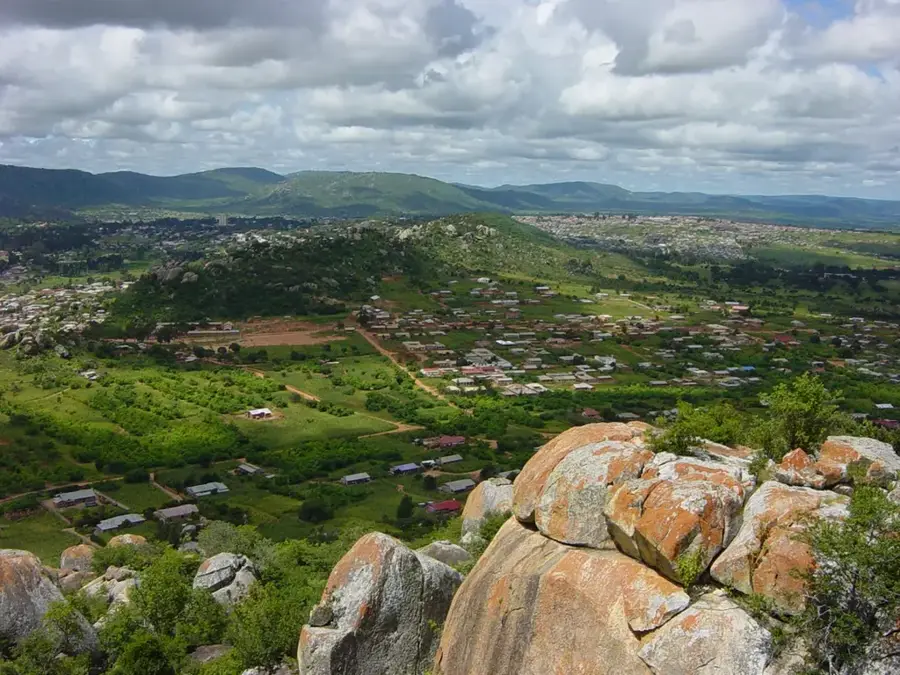
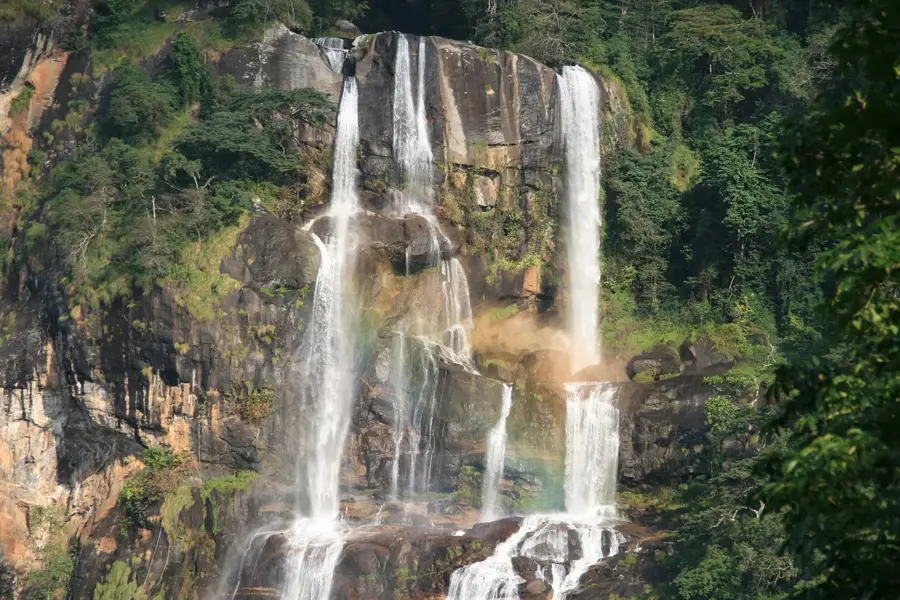
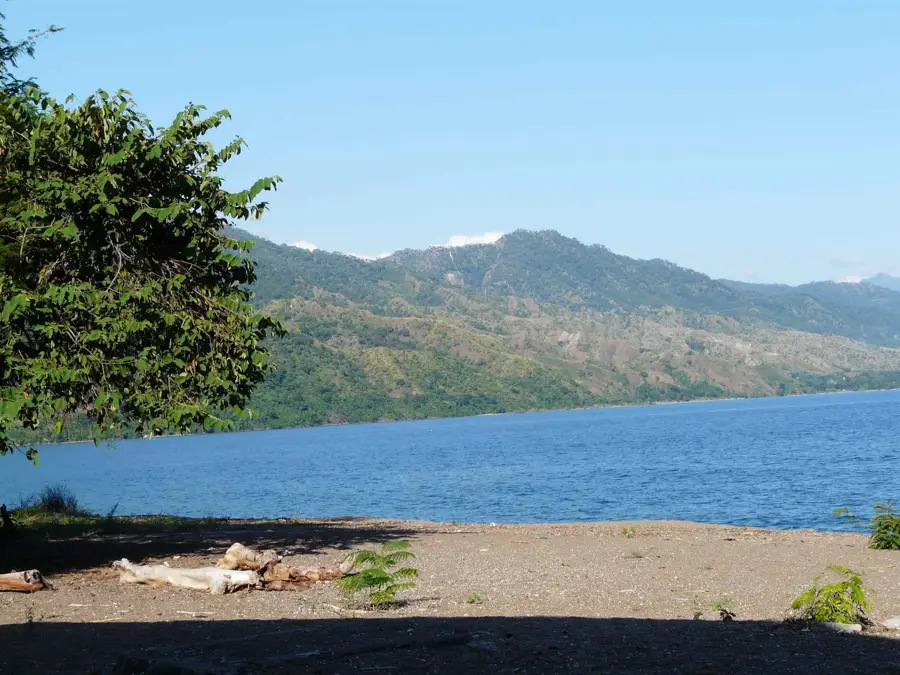
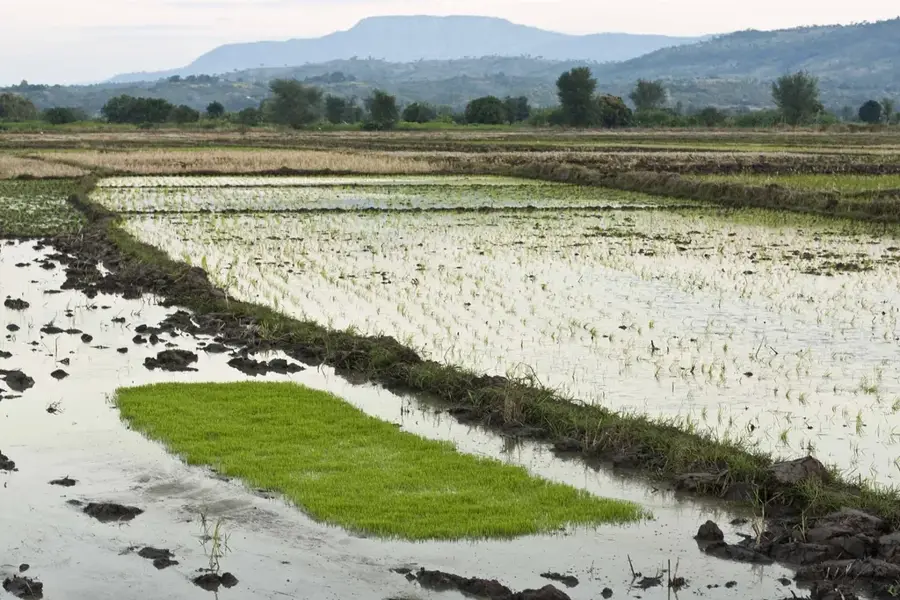
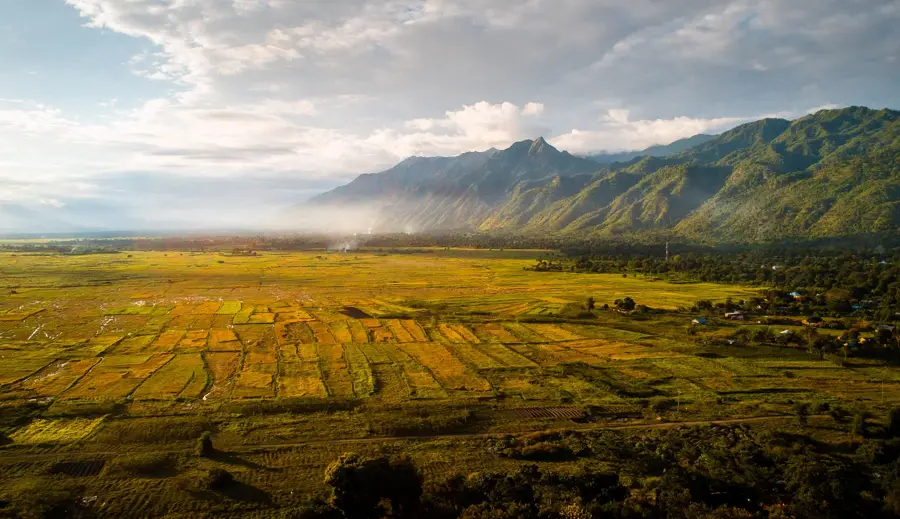
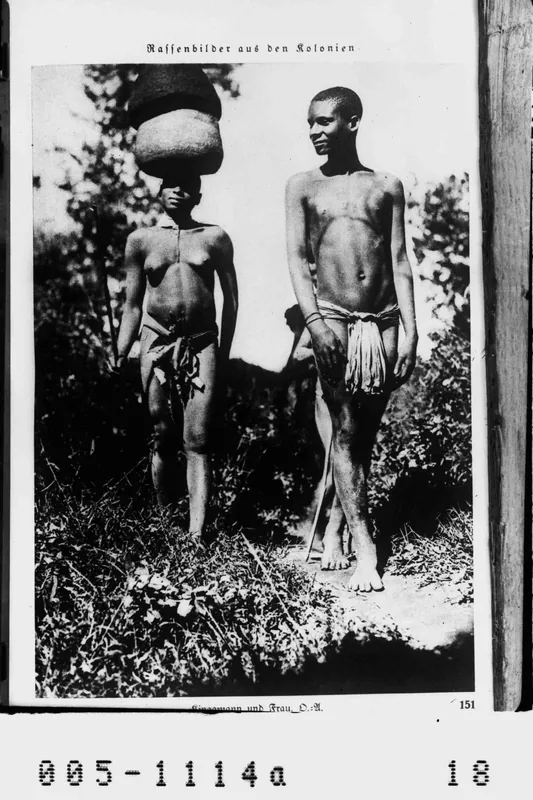
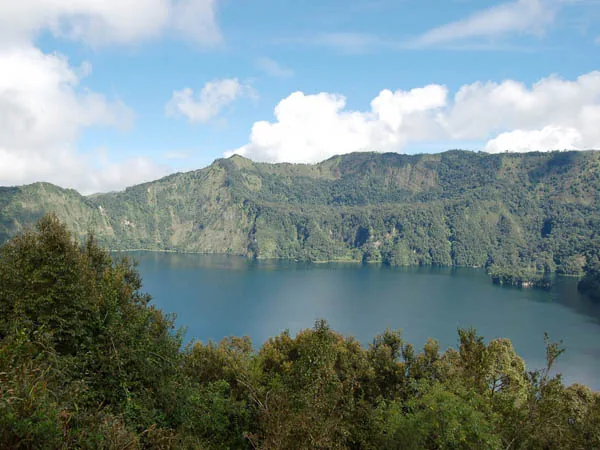
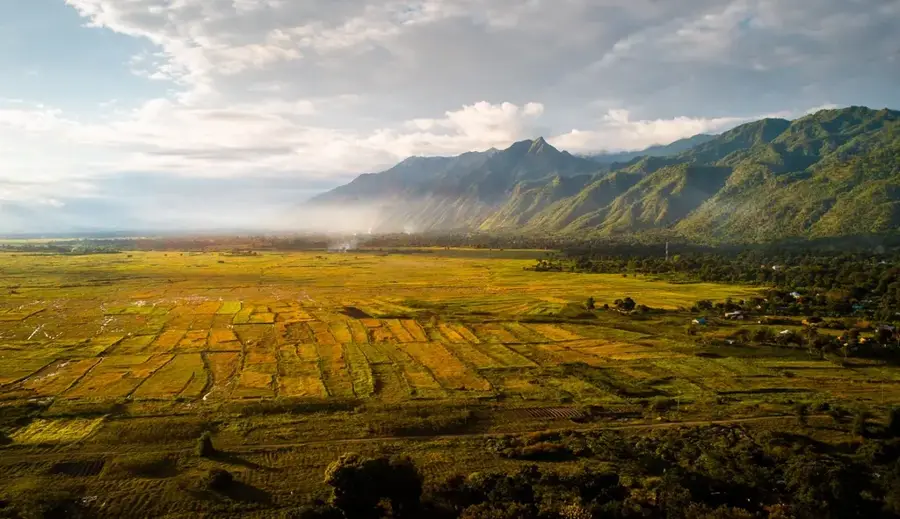
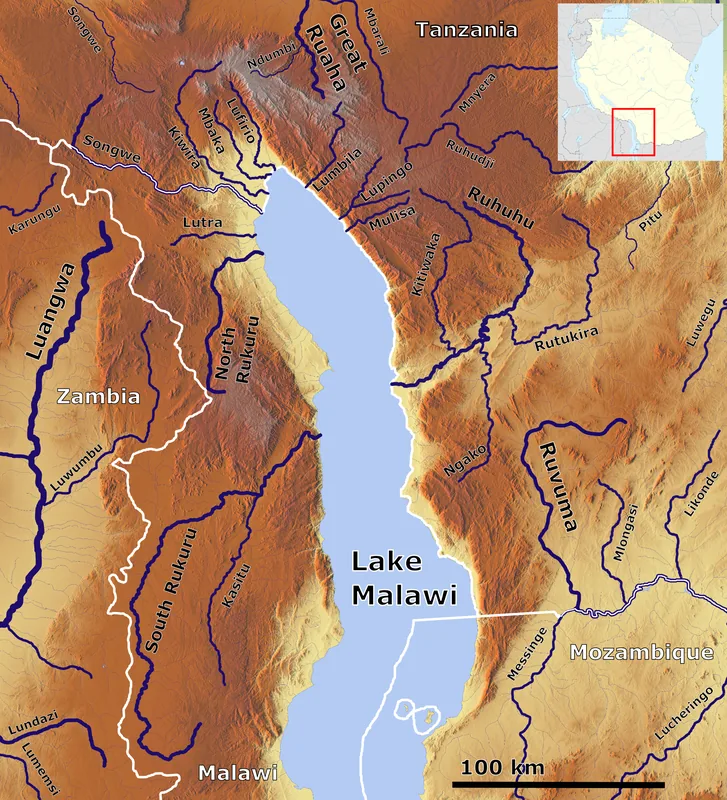
The Kipengere Range, often grouped with the Livingstone Mountains, is a significant mountain chain in the Southern Highlands of Tanzania, primarily located in the Njombe and Mbeya regions. This range is characterized by high-altitude plateaus and rugged peaks, with elevations reaching up to 2,900 meters. A major portion of the range is included within the Kitulo National Park, famously known as the "Serengeti of Flowers" due to its extraordinary botanical diversity, featuring over 350 species of vascular plants, including numerous endemic orchids. The Kipengere Range serves as a critical water tower for Tanzania, feeding major rivers like the Great Ruaha and the Zambezi. The climate is markedly cooler than the surrounding lowlands, with frequent frosts during the dry season. Historically, the area has been a site of pastoralist and agricultural activity, with the local Kinga and Wanji people maintaining a deep connection to the land and its unique montane environment.

Best time to visit & climate

The most pleasant time to visit is May, Aug, Sep.

JanFebMarAprMayJunJulAugSepOctNovDec
Avg °C222222211917171922242523
Rain mm272207245125341315932590269

📋 Practical info

🧭
Getting there
These highly isolated and totally remote mountains are generally accessed exclusively by utilizing very robust, lifted 4x4 vehicles from nearby southern highland regional towns, navigating persistently over exceptionally rough, intensely stony, and often extremely poorly maintained unpaved dirt backroads.
📅
Best season
The noticeably much cooler, decidedly reliably dry season from June to October is generally definitively the safest and, by a very wide margin, the single most comfortable time for undertaking the exhausting trekking and highly difficult driving required within this exceedingly rough, untamed region.
⛰️
Terrain & paths
Mentally and physically prepare to immediately encounter physically highly demanding, intensely steep ascents, deeply plunging isolated wild valleys, and heavily rugged, largely entirely unmarked wilderness pathways spread widely across exceptionally high-altitude, stony, and intensely confusing terrain.
🎒
What to bring
An entirely comprehensive professional trekking gear kit, essentially including heavy, highly robust boots, extremely warm sleeping equipment strictly for freezing alpine nights, and absolutely complete outdoor food provisions for days, is strictly required here without any single exception whatsoever.
🅿️
Parking
Vehicles can typically only ever be securely left back within the very remote base villages or exactly at official ranger posts, where fully authorized local guides with profound area knowledge must often be formally arranged before any serious deep trekking tour can ever actually begin.
⚠️
Safety
Strictly due to the severe extreme geographical isolation and the dangerously high mountain altitudes, entirely independent, solo travel is strictly and heavily discouraged; for sheer personal safety, travelers must absolutely always journey alongside well-trained, highly experienced local guides and strong porters.
⏱️
Time needed
Deeply and properly exploring this very extensive, remarkably impressively rugged, and totally wild mountain range intrinsically involves hard, highly demanding multi-day survival expeditions, which under any normal physical circumstances typically last continuously anywhere between a minimum of three to seven completely full trekking days.

Geography

Coordinates
-9.40000, 34.10000

Facts

  • Includes the Kitulo National Park
  • Over 350 vascular plant species
  • Maximum elevation of 2,900 m
  • Known as the Serengeti of Flowers
  • Source of the Great Ruaha River
  • Borders Njombe and Mbeya regions

Explore nearby

Notable places around
Route planner — Car & Motorhome

Where do you start? We build the route here, with stops and country notes along the way.

Vehicle
Only stops with (optional):

© OpenStreetMap contributors · OpenRouteService

Sights nearby

Frequently asked questions

How to reach the Kipengere Range?
The journey is possible from Njombe; an off-road vehicle is advisable.
Are there organized tours there?
Hardly, you usually have to hire local guides individually.
Is this area known to hikers?
It is an under-the-radar destination for hikers who want to be away from the crowds.
How high are the peaks?
The peaks often reach heights of over 2000 meters.
Is there a best time to visit?
Yes, June to October are optimal for hiking in the mountains.
Kipengere Range: where is it located?
Kipengere Range is located in Tanzania.
Kipengere Range: when is the best time to visit?
The most pleasant time to visit is May, Aug, Sep.
Kipengere Range: why is it worth visiting?

The Kipengere Range, often grouped with the Livingstone Mountains, is a significant mountain chain in the Southern Highlands of Tanzania, primarily located in the Njombe and Mbeya regions.
View on map → The Top 50 Attractions → OpenStreetMap →
Africa
Explore with Plizio Discover more places in Africa
More places in Tanzania →

Nearby cities

History & landmarks
More places