Plizio Visual Lab
Njombe
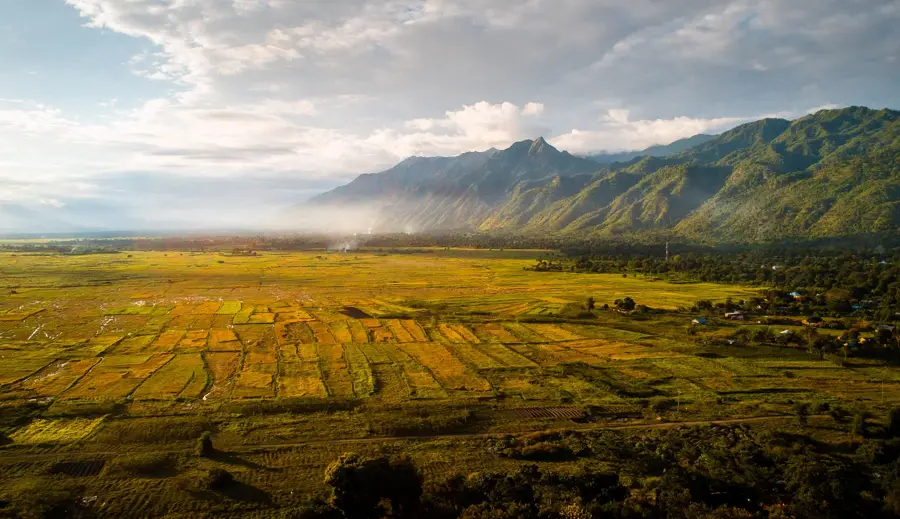
ℹ️Practical info — Njombe
▾
🌤 Weather — 5 days
📍 Nearby
Sights nearby
💡 Tips
- Njombe is one of the coldest cities in Tanzania; be sure to bring a thick jacket and sweaters.
- Visit the extensive tea plantations in the area for scenic walks in the mist.
- Ask your hotel for a hot water bottle at night, as most accommodations do not have heating.
- Plan a visit to the Lulanda Forest Reserve if you are interested in rare plants and untouched nature.
- Schedule your activities for the morning, as afternoons often bring fog or light drizzle.
🍽 Food
Freshly brewed black tea from local plantations is a must on cold mornings.
The honey from this region is dark and very flavorful; a local favorite.
Thanks to local cattle farming, you can find excellent fresh yogurt and cheese here.
🛍 Shopping · 🧘 Quiet spots
Buy loose-leaf tea directly from factory shops or at the market for the best freshness.
Look for jars of local honey, often sourced from small-scale beekeepers in the highlands.
Handmade warm clothing is widely available and very practical for the local climate.
The endless rows of tea bushes provide an almost meditative silence and vast views.
A hidden and peaceful spot just outside the town, great for relaxing.
The transition zones from farmland to dense forest offer quiet spots for nature watching.
Water temperature…
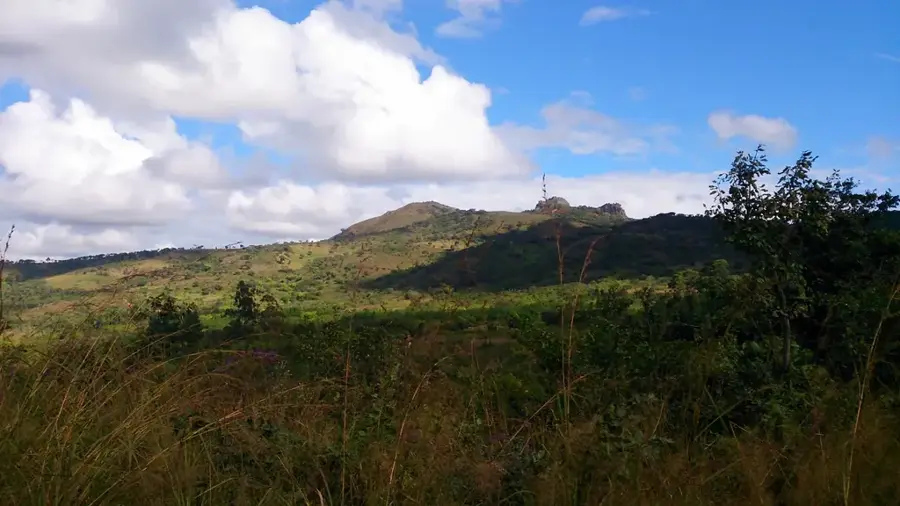
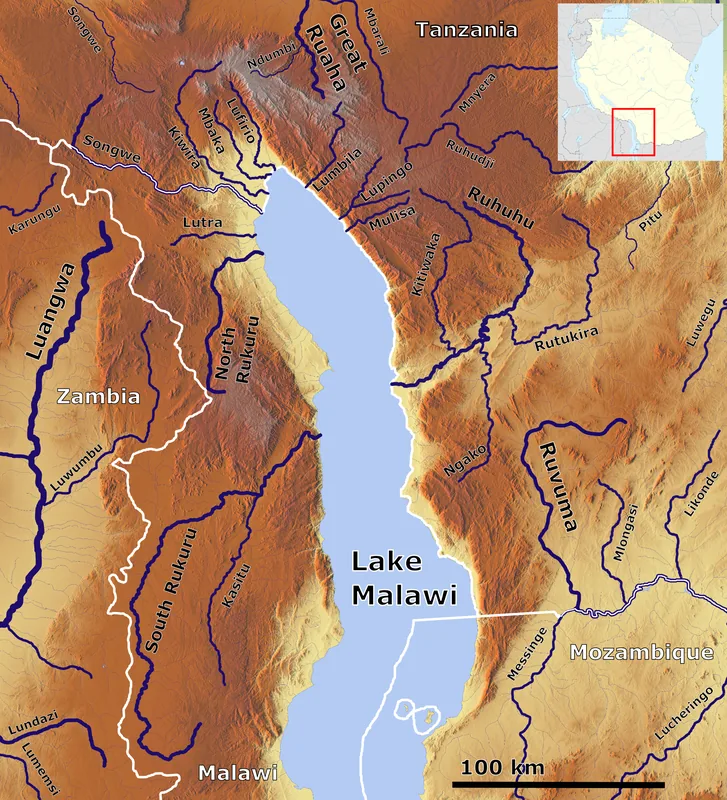
Njombe is situated in the Southern Highlands of Tanzania at an average elevation of approximately 2,000 meters above sea level. The town serves as the administrative headquarters of the Njombe Region, which was formally established in 2012 following the subdivision of the Iringa Region. Due to its high altitude, the area experiences a temperate climate with cool temperatures and reliable rainfall, making it a premier location for forestry and timber production. Large-scale plantations of pine and eucalyptus dominate the landscape, while the processing of wattle extract from acacia bark remains a significant historical industry. Agriculture is highly productive, focusing on tea, potatoes, and maize, which are vital for both local consumption and export to other Tanzanian regions. The town is linked to the national transport network via the T6 trunk road, acting as a strategic trade hub for the southwestern part of the country. Njombe is also the cultural heartland of the Bena people, blending traditional heritage with rapid modern urban development.
- Location: Tanzania
- Top sights: Diocese of Njombe · Njombe Urban District · Njombe Mjini
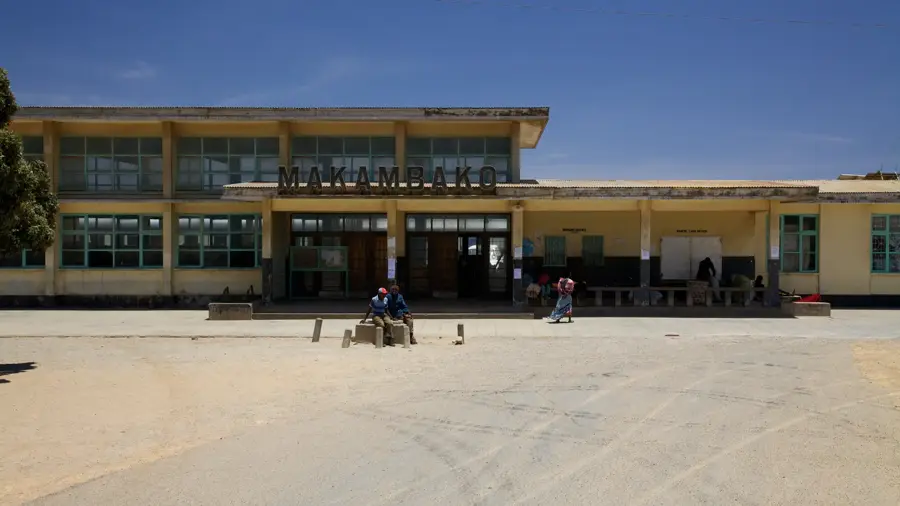
- Nearby: Makambako (45 km)
- Population: ~92.537 (2026)
Best time to visit & climate
The most pleasant time to visit is Sep–Nov.
| Jan | Feb | Mar | Apr | May | Jun | Jul | Aug | Sep | Oct | Nov | Dec | |
|---|---|---|---|---|---|---|---|---|---|---|---|---|
| Avg °C | 19 | 19 | 19 | 18 | 16 | 14 | 14 | 16 | 18 | 20 | 21 | 20 |
| Rain mm | 372 | 301 | 324 | 195 | 60 | 16 | 27 | 17 | 5 | 30 | 94 | 295 |
Geography
Facts
- Njombe is located at an altitude of approximately 2,000 meters above sea level.
- The Njombe Region was officially inaugurated on March 1, 2012.
- The town is a leading hub for forestry and timber processing in Tanzania.
- As of the 2022 census, Njombe Town Council had a population of 130,223.
- Njombe is famous for the production of wattle extract from acacia bark.
- The T6 trunk road connects Njombe to the towns of Makambako and Songea.
Explore nearby
Notable places around

Route planner — Car & Motorhome
Where do you start? We build the route here, with stops and country notes along the way.
© OpenStreetMap contributors · OpenRouteService
Sights in the town Njombe (3)
Frequently asked questions
How long should I stay in Njombe?
When is the best time to travel?
How can I get to Njombe?
Are there local specialties?
Is it a place for families?
Njombe: where is it located?
Njombe: what is there to see?
Njombe: when is the best time to visit?
Njombe: why is it worth visiting?

Nearby cities
More places