Plizio Visual Lab

Resafa
Plizio editorial teamData Sources
ruin
—°2
Resafa (Syria)

Weather…

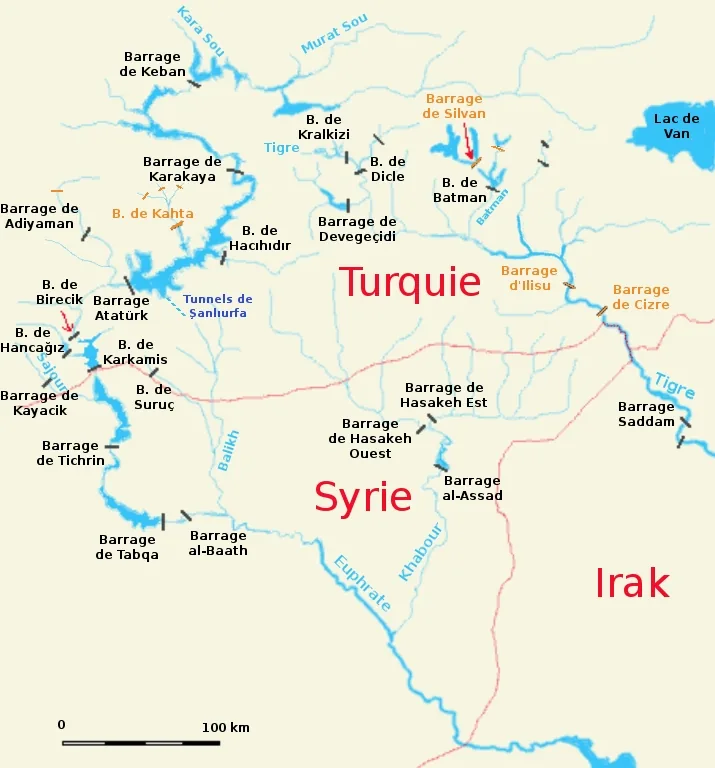
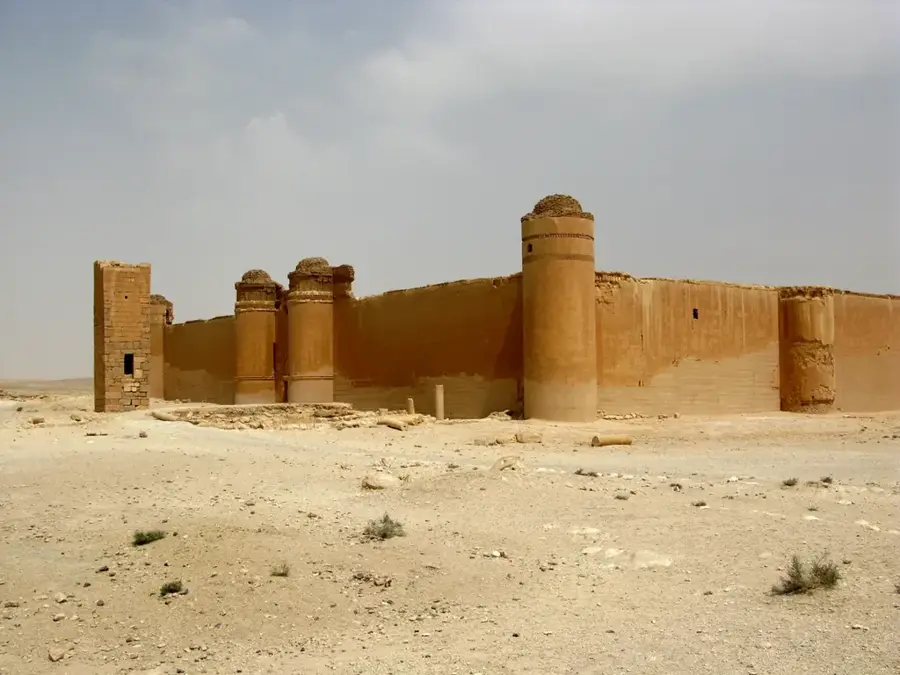
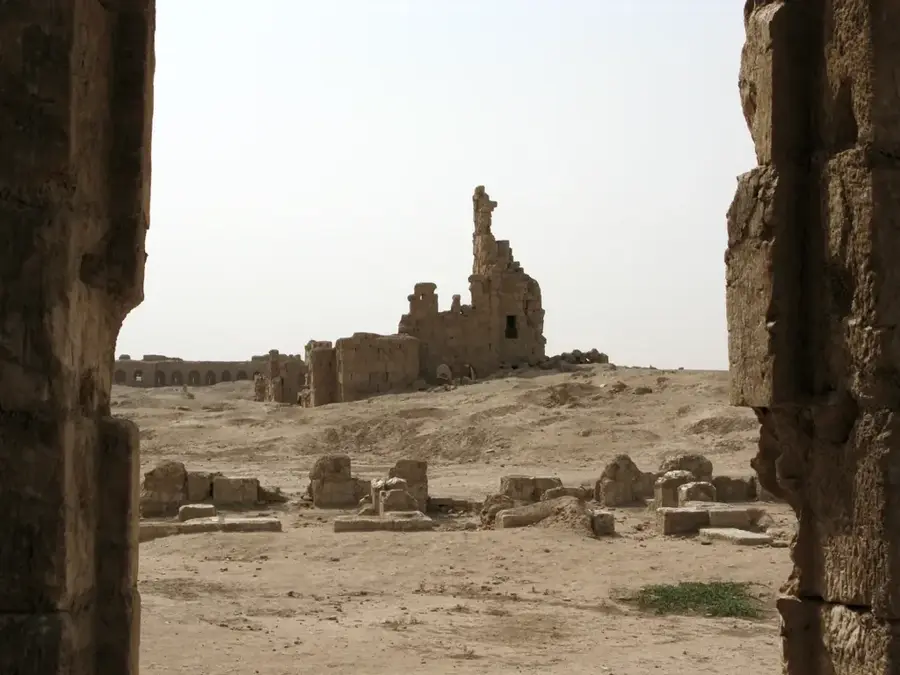
Resafa, known in late antiquity as Sergiopolis, is a hauntingly beautiful ruined city located in the Syrian desert, south of the Euphrates. It rose to prominence in the 4th century as a major pilgrimage site centered around the cult of Saint Sergius, a Roman soldier martyred there. During the 6th century, the Byzantine Emperor Justinian I fortified the city with massive walls made of shimmering gypsum stone to serve as a vital defensive outpost against Sassanid Persian incursions. A remarkable feature of Resafa is its system of enormous subterranean cisterns, which provided the water necessary to sustain a large population in the arid desert landscape. After the Islamic conquest, the Umayyad Caliph Hisham ibn Abd al-Malik chose Resafa as his preferred residence, constructing several palaces and further enhancing the city's prestige. Despite its isolated location, it remained an animated cultural and religious center until it was destroyed during the Mongol invasions of the 13th century. The remnants of its grand basilicas and intricate gateways stand as a testament to the intersection of Byzantine and early Islamic civilizations.

📋 Practical info

🚪
Visiting
You can walk through the massive remaining arches and gates of the impressive Byzantine city walls, exploring the ruins entirely on foot. The site features the remains of huge basilicas and deep underground gypsum stone cisterns.
🕒
Typical hours
Access to this remote archaeological area is generally informal and restricted to daylight hours, ideally from early morning to late afternoon. The regional security situation often dictates travel windows and must be confirmed.
📷
Photography
The contrast between the striking, sparkling fine gypsum stone walls and the surrounding bleak desert makes for incredibly dramatic photography. Capturing the sheer size of the ancient cisterns and the detailed basilica carvings is great.
⏱️
Time needed
Exploring the extensive walled perimeter, the grand churches, and the fascinating historical water management systems usually takes around two hours. The site is quite spread out, so allocate ample time simply to walk between points.
Combine with
This ancient pilgrimage destination is most commonly visited in conjunction with other spectacular desert ruins, provided conditions permit travel. It forms a compelling historical narrative when combined with nearby Umayyad castles.
🧭
Getting there
Reaching this isolated ruin requires dedicated private transport, generally starting from major regional centers and traveling into the desert. Employing a trusted local guide and a driver familiar with the remote roads is essential.
💡
Insider tip
The dazzling gypsum stone reflects the strong desert sun intensely, making sunglasses and proper hydration absolutely crucial for a comfortable visit. Stay strictly to the clearly visible paths and do not wander off into uncharted areas.

Geography

Coordinates
35.62690, 38.75610

Facts

  • Renamed Sergiopolis in honor of St. Sergius, martyred in 303 AD.
  • The city walls are constructed from gypsum, which reflects sunlight.
  • Its massive cisterns could hold up to 15 million liters of rainwater.
  • Umayyad Caliph Hisham made it his primary residence in 724 AD.
  • Fortified by Emperor Justinian I as part of the Limes Arabicus.
  • The city was finally abandoned after the Mongol sack in 1259.

Explore nearby

Notable places around
Route planner — Car & Motorhome

Where do you start? We build the route here, with stops and country notes along the way.

Vehicle
Only stops with (optional):

© OpenStreetMap contributors · OpenRouteService

Sights in the town Resafa (2)

Ar Rusafah🏺 historical

Remains of the ancient desert city, once known as a major pilgrimage center.

Rujm al Bis🌿 nature

A desert hill serving as a landmark in the arid plains near Resafa.

Sights nearby

Frequently asked questions

What is special about Resafa?
Resafa was an important desert city and pilgrimage site, known for its magnificent city walls.
Is there an entry fee?
Usually, a small fee is charged for visiting archaeological sites.
Do you need a guide?
A guide is helpful to better understand the complex history of the ruins.
What is the weather like there?
It has a desert climate, so it is extremely hot and dry in summer.
What should one bring on a visit?
Water, sun protection, and sturdy footwear are essential due to the environment.
Resafa: where is it located?
Resafa is located in Syria.
Resafa: what is there to see?
Highlights include Ar Rusafah, Rujm al Bis.
Resafa: why is it worth visiting?
Resafa, known in late antiquity as Sergiopolis, is a hauntingly beautiful ruined city located in the Syrian desert, south of the Euphrates.
View on map → The Top 50 Attractions → OpenStreetMap →
Asia
Explore with Plizio Discover more places in Asia
More places in Syria →

Nearby cities

History & landmarks

Nature

More places