Plizio Visual Lab

Lule River
Plizio editorial teamData Sources
River
—°1
Lule River (Sweden)

Weather…

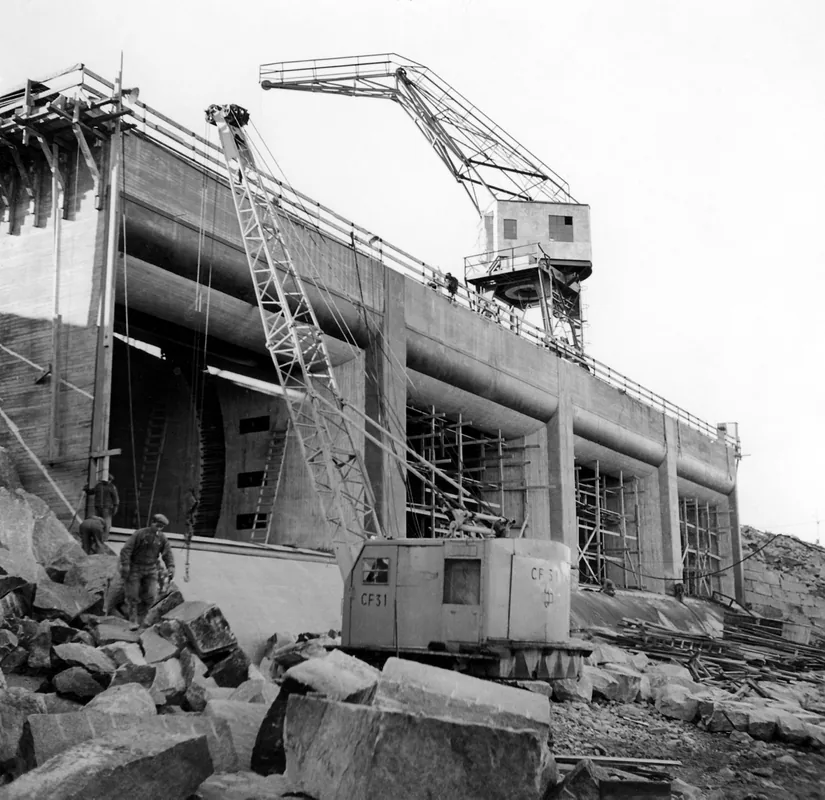
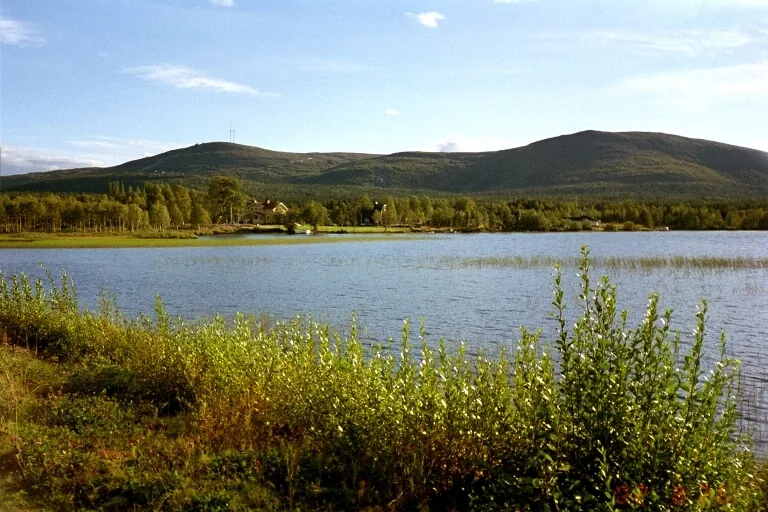
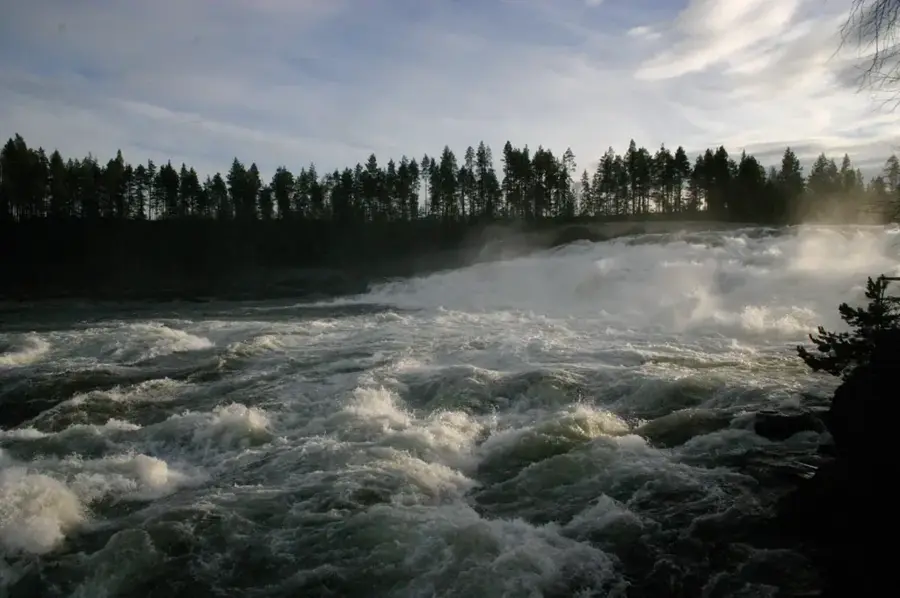
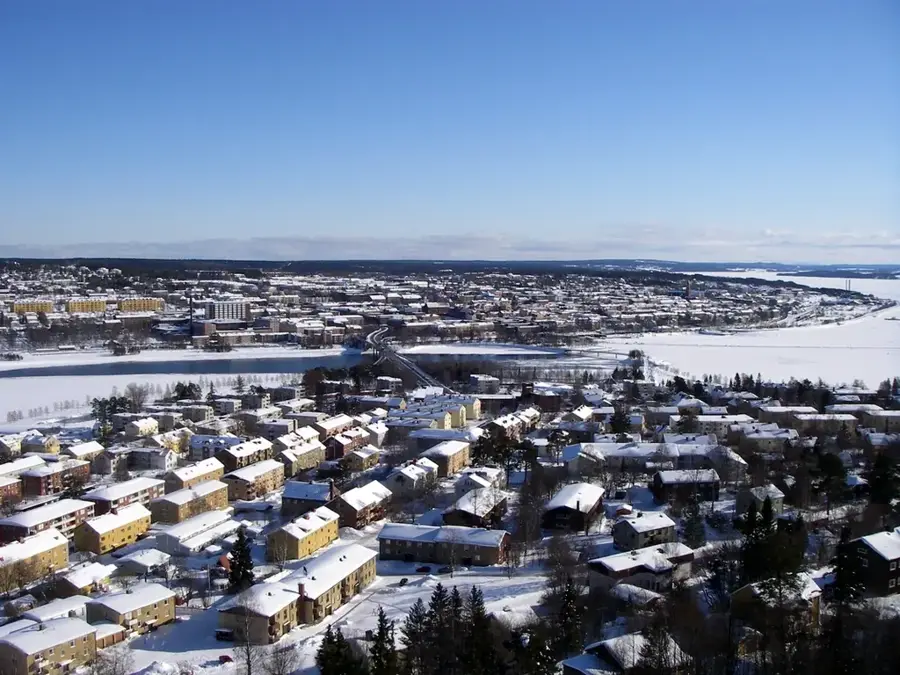
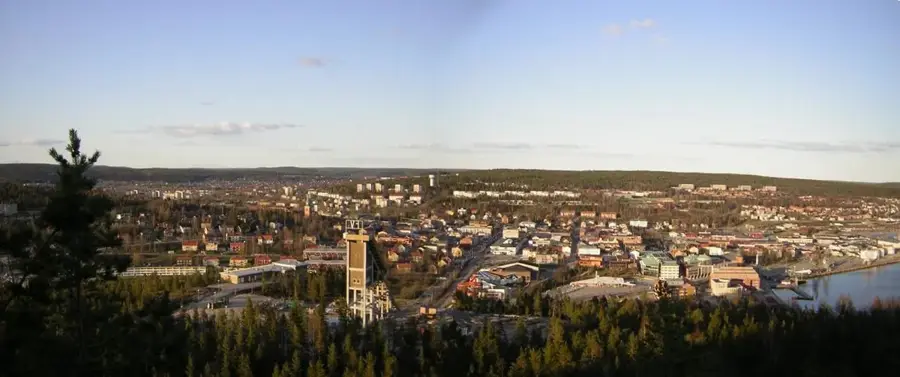
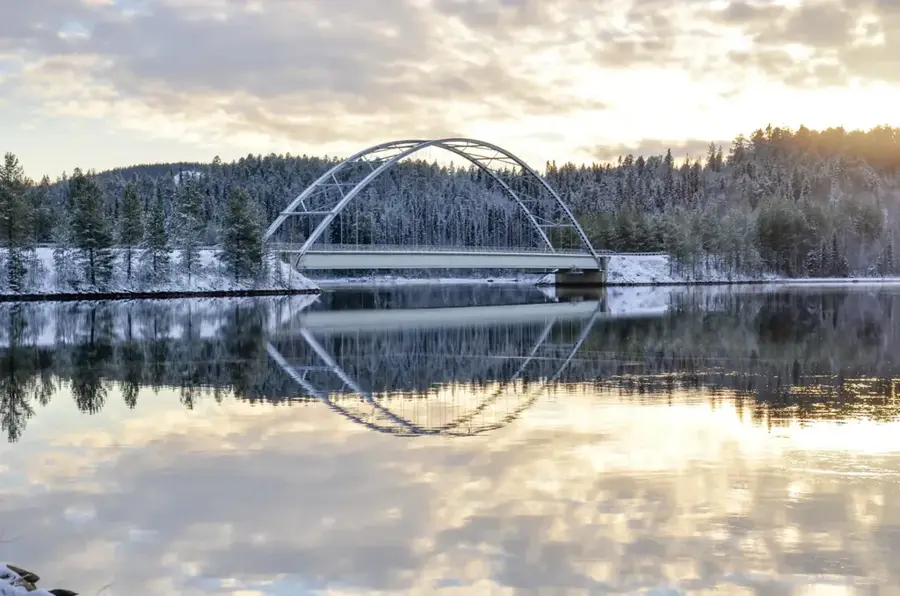
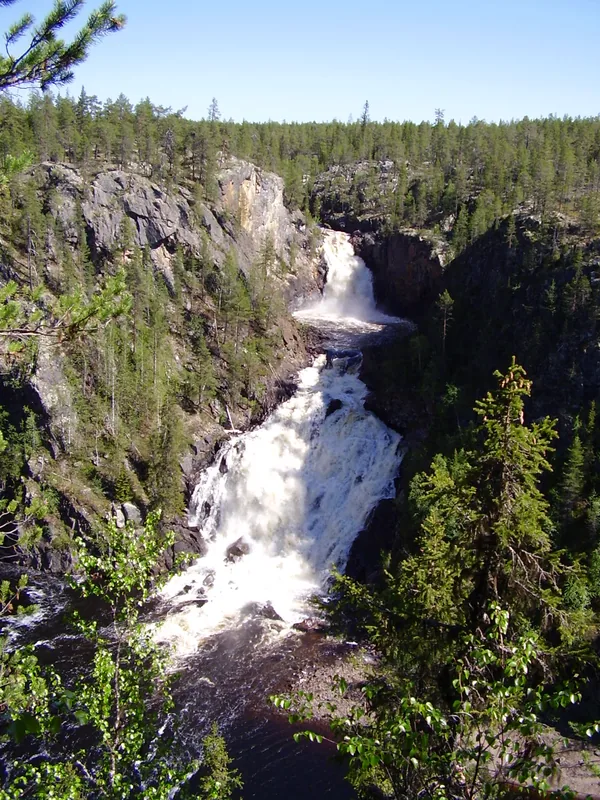
The Lule River is one of Northern Sweden's most powerful and energy-rich waterways, originating in the Lapland mountains near the Norwegian border. Covering a distance of about 450 kilometers, it flows through dramatic terrain, including parts of the Laponia World Heritage site, before reaching the Gulf of Bothnia at the city of Luleå. The river is globally recognized for its immense hydroelectric capacity; facilities such as Harsprånget and Porjus are among the most productive in Sweden and played a pivotal role in the nation's industrial development. Despite the extensive damming for power, the upper reaches still contain pristine wilderness and spectacular features like the Stora Sjöfallet waterfall. Historically, the river was a crucial lifeline for the indigenous Sami people, providing fish and serving as a seasonal migration route for reindeer herds. Today, the Lule River stands as both an economic engine and a prime location for eco-tourism and research into sustainable energy production in the Arctic.

Best time to visit & climate

The most pleasant time to visit is Jun–Aug.

JanFebMarAprMayJunJulAugSepOctNovDec
Avg °C-12-12-7-2611151270-7-10
Rain mm5040394467901109780615957

📋 Practical info

🧭
Getting there
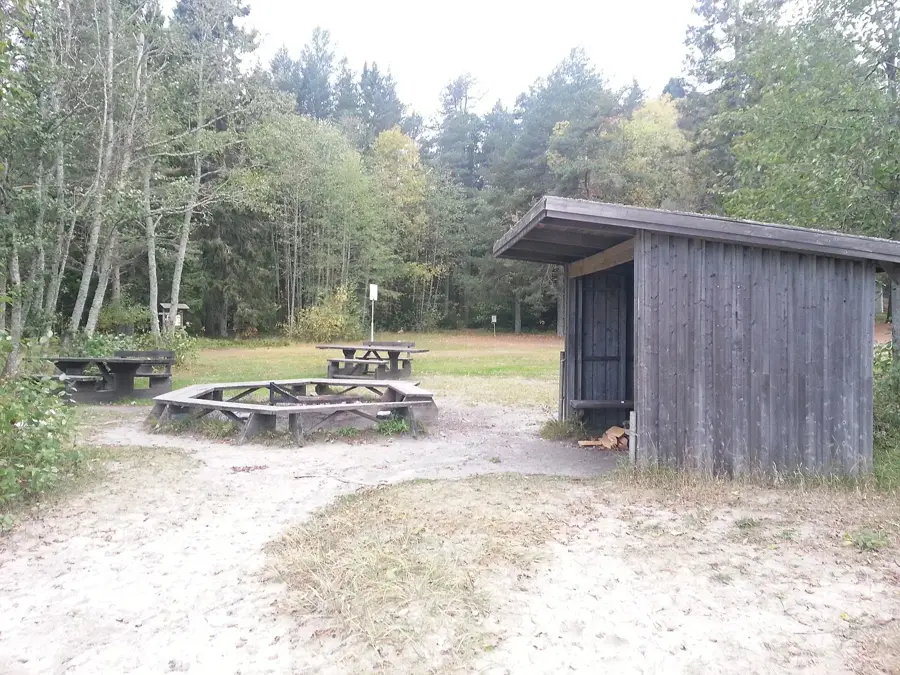
The major river traverses northern Sweden and is highly accessible via numerous roads crossing its path, notably near Luleå on the coast. Visitors often access the scenic stretches from nearby rest areas, small towns, or hydropower dams.
📅
Best season
Summer gives the most comfortable temperatures and extended daylight for fishing, boating, or hiking along the riverbanks. Deep winter transforms the water into thick ice, creating opportunities for snowmobiling but in extreme cold.
⛰️
Terrain & paths
The riverbanks range from dense boreal forests and rocky outcrops in the inland areas to flat, sandy deltas near the coast. Paths along the river are generally well-maintained near settlements but can be wild and marshy elsewhere.
🎒
What to bring
Depending on your activity, bring robust outdoor clothing, waterproof boots, and insect repellent for the summer mosquitoes. Anglers and boaters should ensure they carry appropriate safety equipment, including well-fitting life jackets.
🅿️
Parking
Excellent parking facilities are readily available at designated viewpoints, large hydropower stations, and public boat launches. Stopping randomly along the main highways is dangerous, so always use official lay-bys and rest stops.
⚠️
Safety
Due to active hydropower generation, water levels and currents can change extremely rapidly and without warning. Never camp directly on exposed riverbeds, observe all warning signs near dams, and keep clear of spillway areas.
⏱️
Time needed
Stopping to take photographs at a scenic viewpoint or dam takes just thirty minutes during a longer road trip. A dedicated fishing day, boat tour, or long walk along the expansive riverbanks can easily occupy an entire day.

Geography

Coordinates
66.50000, 20.50000

Facts

  • Total length of about 450 kilometers.
  • Drainage basin covers 25,240 km².
  • Harsprånget is the largest power station on the river.
  • Flows through the Laponia World Heritage site.
  • Ends at the coastal city of Luleå.
  • Primary energy producer for Swedish industry.

Explore nearby

Notable places around
Route planner — Car & Motorhome

Where do you start? We build the route here, with stops and country notes along the way.

Vehicle
Only stops with (optional):

© OpenStreetMap contributors · OpenRouteService

Sights in the town Lule River (1)

Fällberget🌿 nature

A nature reserve along the Lule River protecting the local forest ecosystem.

Sights nearby

Frequently asked questions

Where does the Lule River flow?
It flows through Norrbotten in northern Sweden and empties into the Bothnian Gulf at Luleå.
Why is the river economically important?
It is one of the most important rivers for Swedish hydroelectric power, with numerous large power plants.
Can you visit the power plants?
The Porjus power plant has guided tours and exhibitions on technical history during the summer.
Are there untouched sections?
The upper reaches in the UNESCO World Heritage site Laponia are largely wild and undeveloped.
What activities are offered?
Fishing, boat tours, and in winter, ice fishing and Northern Lights viewing.
Lule River: where is it located?
Lule River is located in Sweden.
Lule River: when is the best time to visit?
The most pleasant time to visit is Jun, Aug.
Lule River: why is it worth visiting?
The Lule River is one of Northern Sweden's most powerful and energy-rich waterways, originating in the Lapland mountains near the Norwegian border.
View on map → The Top 50 Attractions → Most beautiful beaches → OpenStreetMap →
Europe
Explore with Plizio Discover more places in Europe
More places in Sweden →

Nearby cities

History & landmarks

More places