Plizio Visual Lab
Kiruna Iron Ore Mine
Weather…
Water temperature…
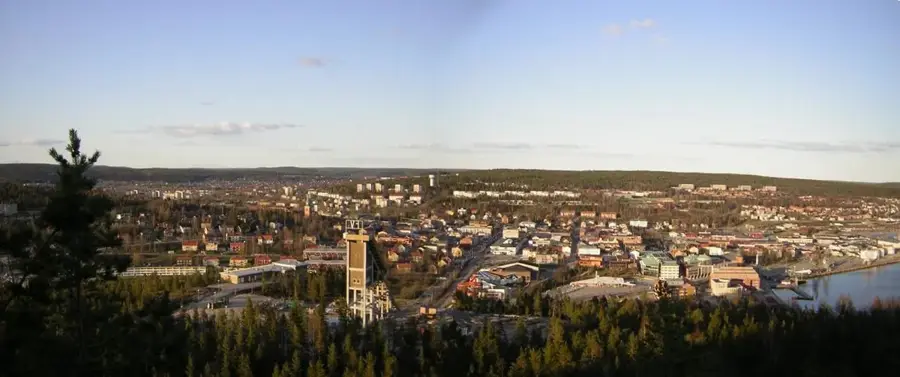
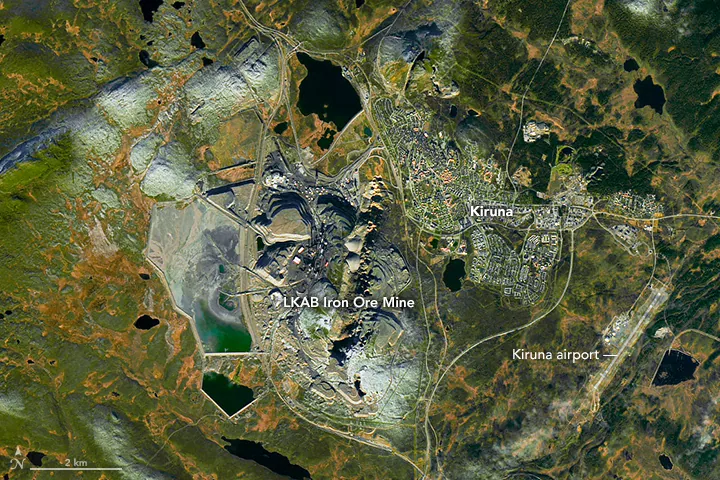
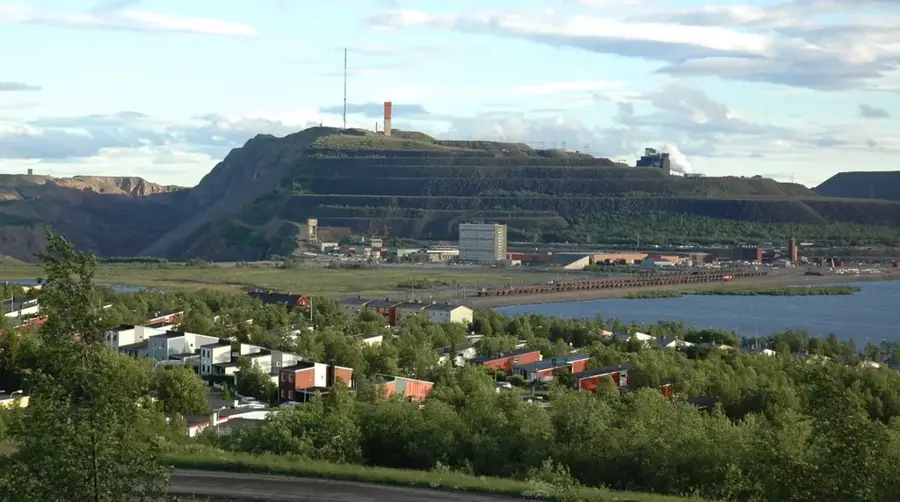
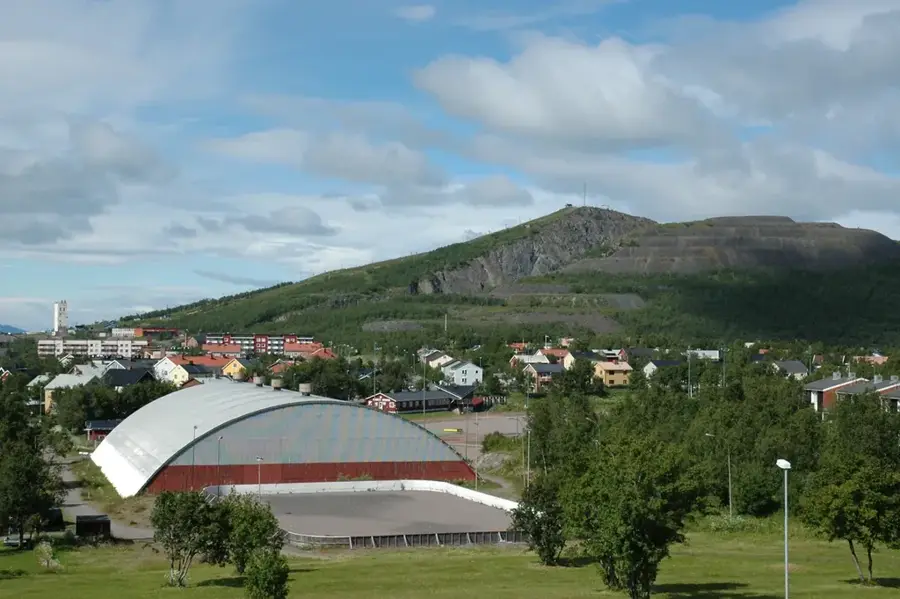
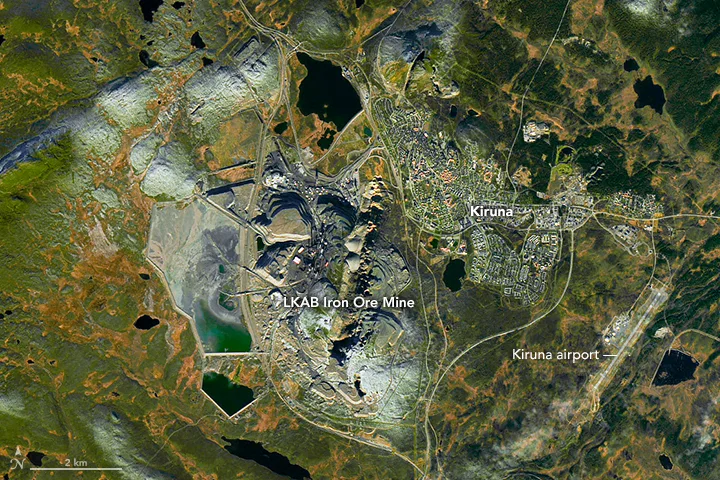
The Kiruna Iron Ore Mine is the largest and most technologically advanced underground iron ore mine in the world, serving as a cornerstone of the Swedish national economy. Since operations began in 1900 under the state-owned company LKAB, the mine has extracted over one billion tons of high-grade magnetite ore. Today, mining activities have reached depths exceeding 1,300 meters, utilizing sophisticated automated systems and electric machinery. A globally unique consequence of the mine's expansion is the ongoing physical relocation of Kiruna's entire city center, as ground subsidence caused by underground extraction threatens the stability of existing structures. The extracted ore is transported via the specialized Iron Ore Line (Malmbanan) to the key ports of Luleå and Narvik. The mine accounts for approximately 80% of the European Union's total iron ore production, making it a critical strategic asset for the European steel industry. Beyond extraction, LKAB is using the Kiruna site to lead the global development of fossil-free iron production through hydrogen technology, positioning the mine at the forefront of the green industrial transition.
- Location: Sweden
- Top sights: Kiruna krematorium · simhallsbadet · Giron Sámi Theáter
Best time to visit & climate
The most pleasant time to visit is Jun–Aug.
| Jan | Feb | Mar | Apr | May | Jun | Jul | Aug | Sep | Oct | Nov | Dec | |
|---|---|---|---|---|---|---|---|---|---|---|---|---|
| Avg °C | -13 | -13 | -9 | -4 | 3 | 9 | 13 | 10 | 5 | -2 | -8 | -11 |
| Rain mm | 35 | 30 | 26 | 35 | 70 | 93 | 128 | 92 | 71 | 48 | 40 | 40 |
📋 Practical info
Geography
Facts
- The mine is operated by LKAB, a company entirely owned by the Swedish state.
- The current main haulage level is situated at 1,365 meters below the surface.
- Approximately 26 million tons of iron ore are extracted annually at the Kiruna site.
- The official urban relocation of Kiruna's city center commenced in 2004.
- The magnetite ore found in Kiruna has an exceptionally high iron content of over 60%.
- Up to 12 fully loaded ore trains depart from the mine daily towards the port of Narvik.
Explore nearby
Notable places around
Route planner — Car & Motorhome
Where do you start? We build the route here, with stops and country notes along the way.
© OpenStreetMap contributors · OpenRouteService
Sights in the town Kiruna Iron Ore Mine (5)
simhallsbadet
Indoor swimming pool in Kiruna, heated pools, slides and sauna for visitors.
Iron ore cart
Historic ore cart, displayed as a monument to Kiruna's mining history.
Kiirunavaara
Mountain in Kiruna, Sweden, site of the world's largest iron ore mine.
Sights nearby
Frequently asked questions
Can the Kiruna mine be visited?
Why is the city of Kiruna being moved?
How cold is it underground?
Do I need to book the tour in advance?
How long does a mine tour last?
Kiruna Iron Ore Mine: where is it located?
Kiruna Iron Ore Mine: what is there to see?
Kiruna Iron Ore Mine: when is the best time to visit?
Kiruna Iron Ore Mine: why is it worth visiting?

Nearby cities