Katrineholmsveckan (Katrineholm Week)
Annual festival week in early August with a market, concerts, activities and events across the town, the social highlight of the Katrineholm summer.
PlizioGo
Look for traditional Swedish restaurants in the center serving dishes made from local forests' venison or berries.
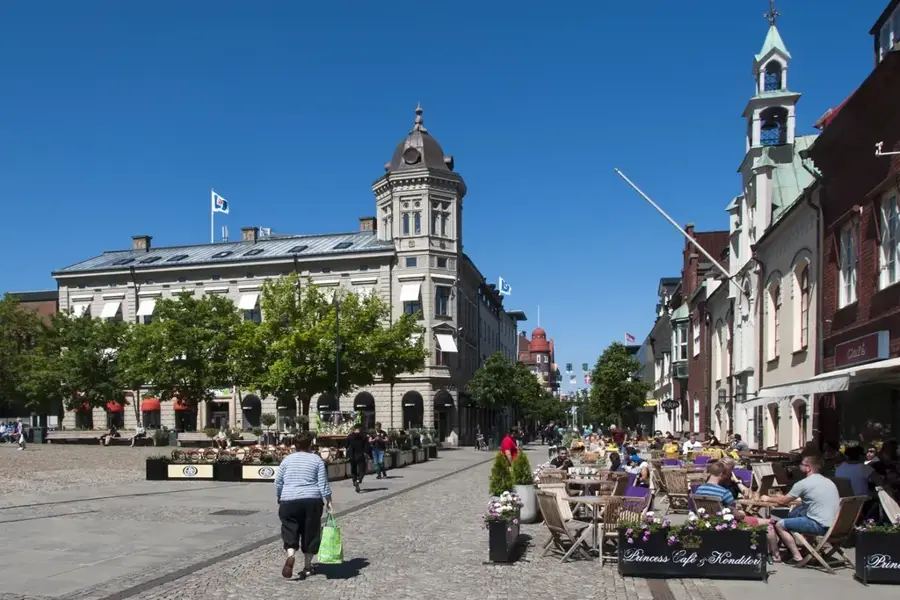
Find a cozy bakery on the main square to enjoy freshly baked cinnamon buns with strong coffee.
This savory Swedish sandwich cake can be pre-ordered or found in slices at traditional local confectioneries.
Rent a car or bike to visit 'gårdsbutiker' (farm shops) just outside the city for local cheese, honey, and crafts.
Take a short drive to the neighboring town of Vingåker for one of Sweden's largest outlets for branded clothing.
Stroll along Köpmangatan for a mix of standard Swedish retail chains and a few independent boutiques.
A beautiful lakeside area with a historic manor, great for a peaceful walk and a coffee by the water.
The city park is a calm, green oasis right in the center, handy for a picnic or a quiet moment on a bench.
Walk a segment of this vast trail network starting near the city to fully immerse yourself in the silent Swedish forests.
Water temperature…
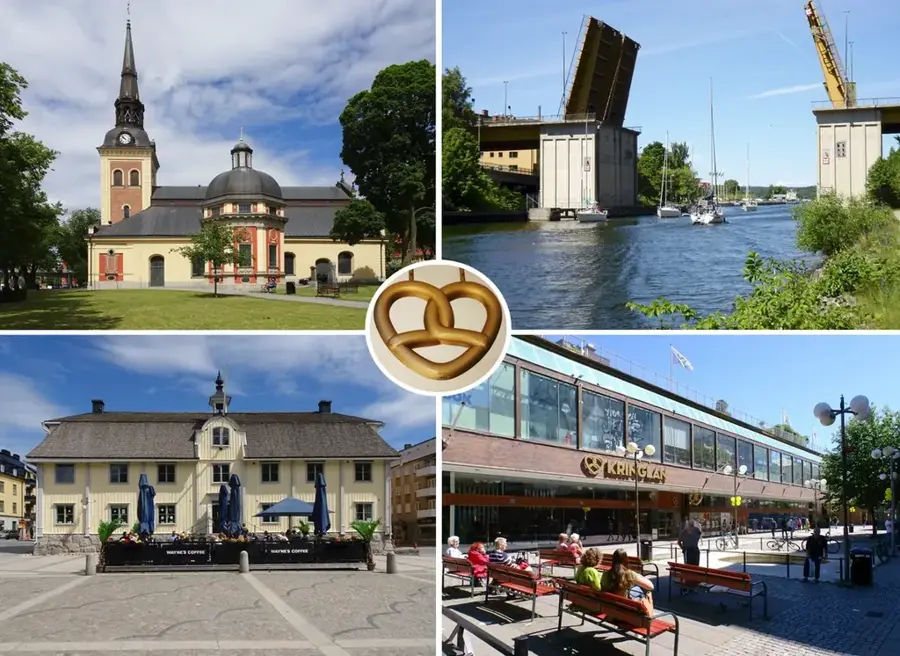
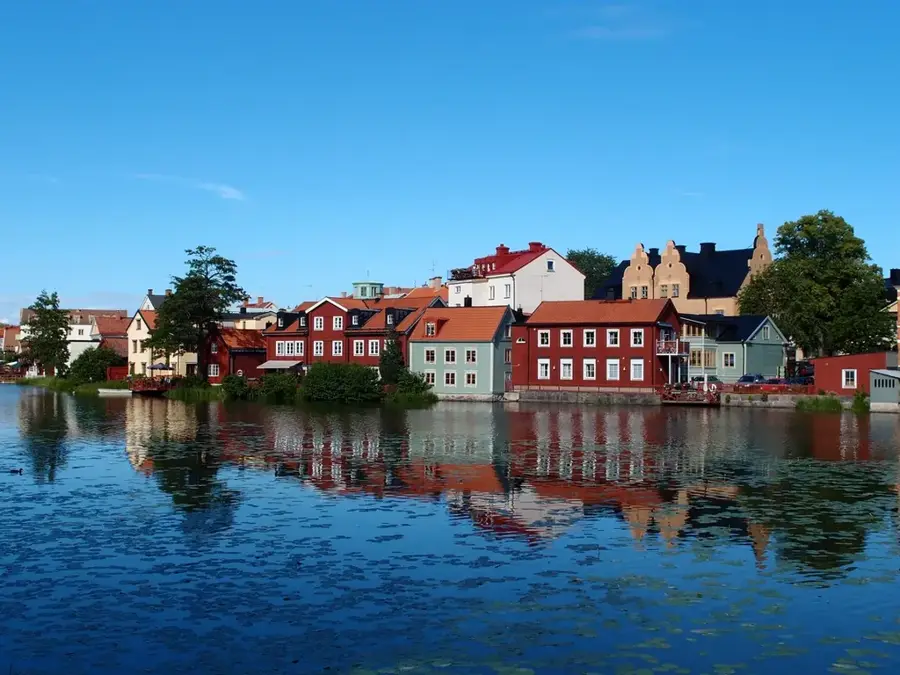
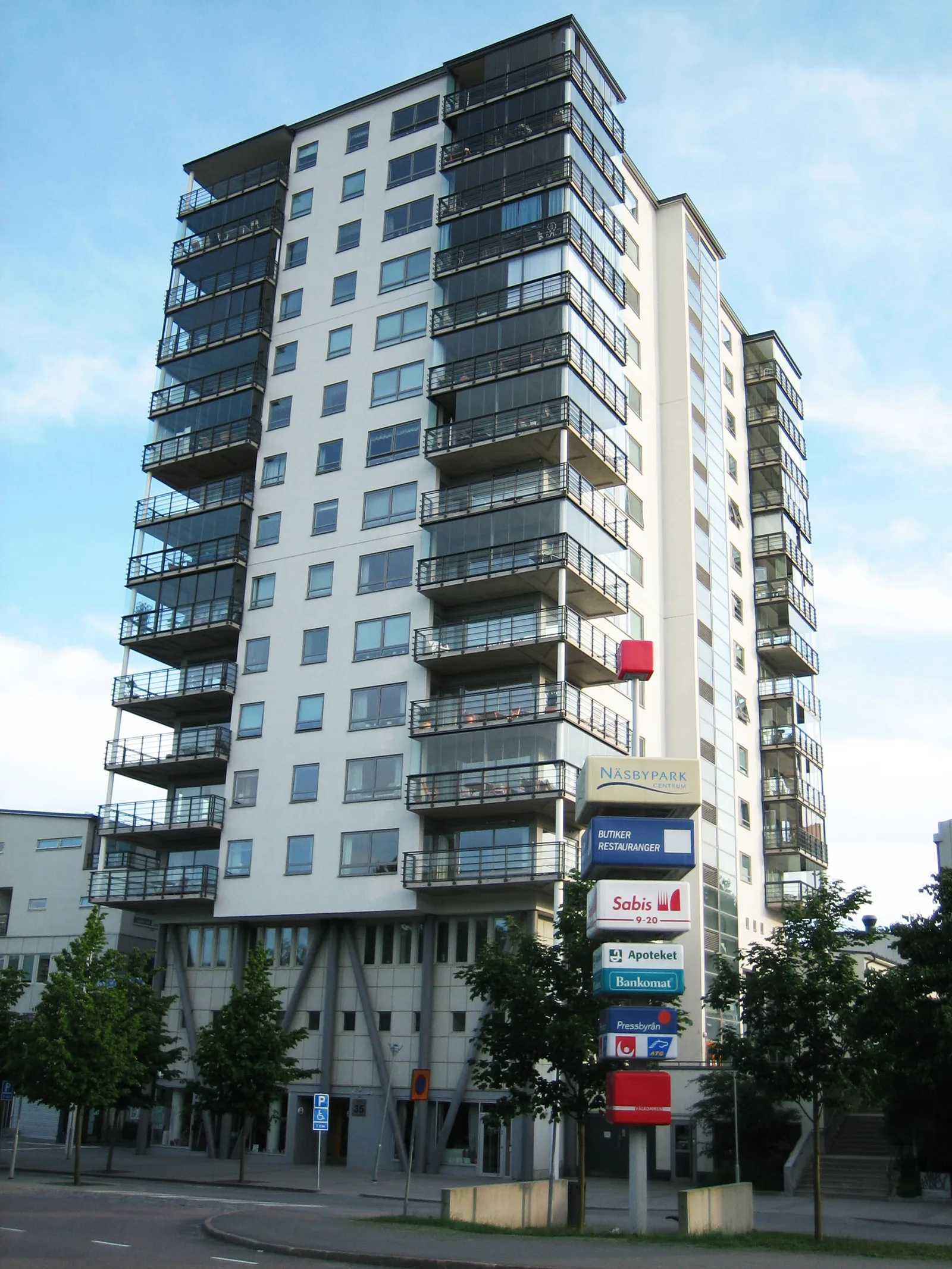
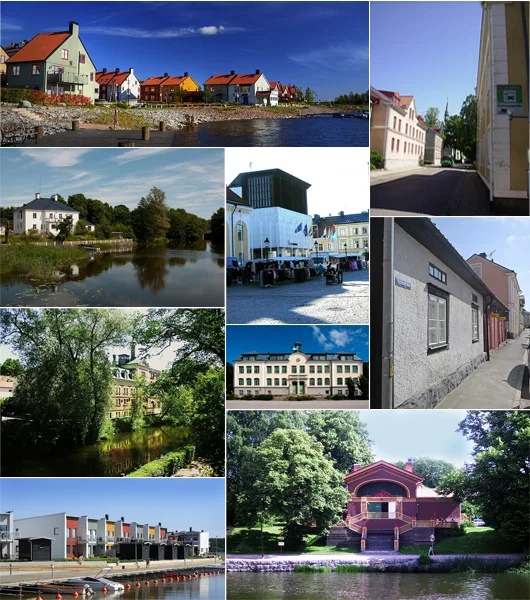
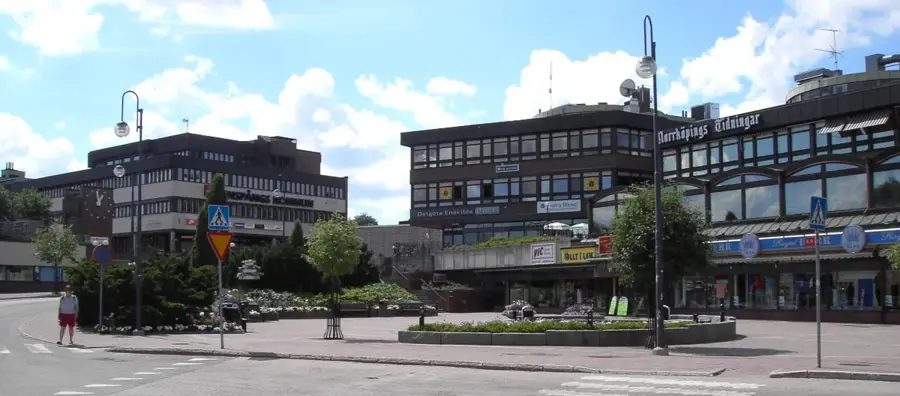
Katrineholm is situated in the heart of Södermanland County and underwent rapid expansion in the late 19th century as a vital railway junction connecting lines to Stockholm, Gothenburg, and Malmö. The town was named after the Cathrineholm estate and officially received its city charter in 1917. Katrineholm is often referred to as a 'garden city' due to its abundance of spacious green areas and public parks. Historically, the local industry was dominated by major firms such as Ericsson and Scania, which were instrumental in the town's economic rise. Today, Katrineholm is a modern service hub with a strong cultural scene and a commitment to sustainable urban planning. The surrounding landscape features the lakes Duveholmssjön and Djulösjön, providing extensive recreational opportunities for residents and visitors. The town is also well-known for its successful bandy team, reflecting a deep sporting tradition. With a population of roughly 35,000, it remains an important regional center with excellent transport links across southern Sweden.
The most pleasant time to visit is Jun–Aug.
| Jan | Feb | Mar | Apr | May | Jun | Jul | Aug | Sep | Oct | Nov | Dec | |
|---|---|---|---|---|---|---|---|---|---|---|---|---|
| Avg °C | -4 | -3 | 0 | 6 | 11 | 16 | 18 | 17 | 13 | 7 | 2 | -2 |
| Rain mm | 50 | 43 | 40 | 41 | 65 | 85 | 93 | 82 | 57 | 72 | 64 | 56 |
Notable places around
Where do you start? We build the route here, with stops and country notes along the way.
© OpenStreetMap contributors · OpenRouteService
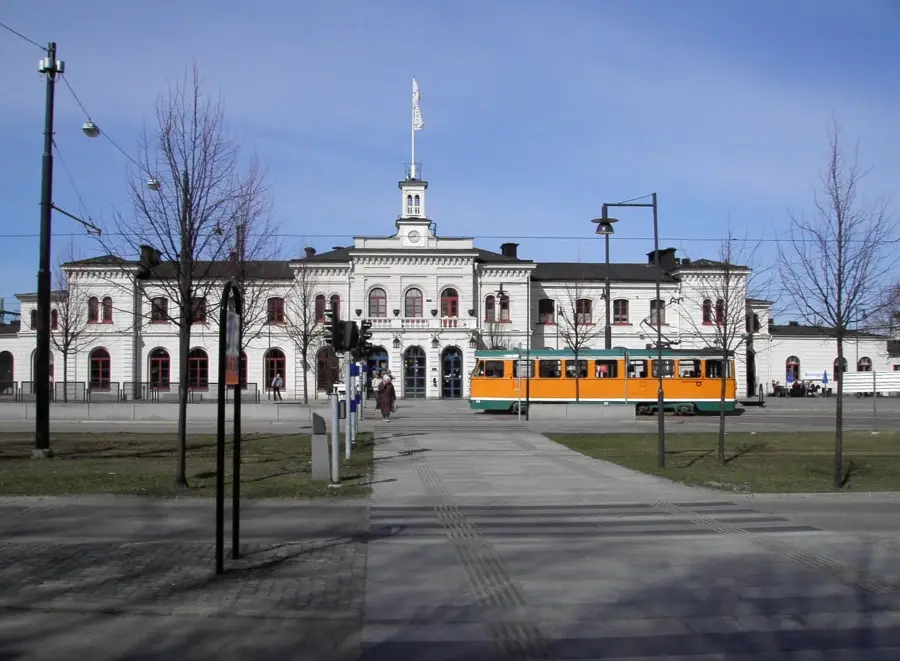
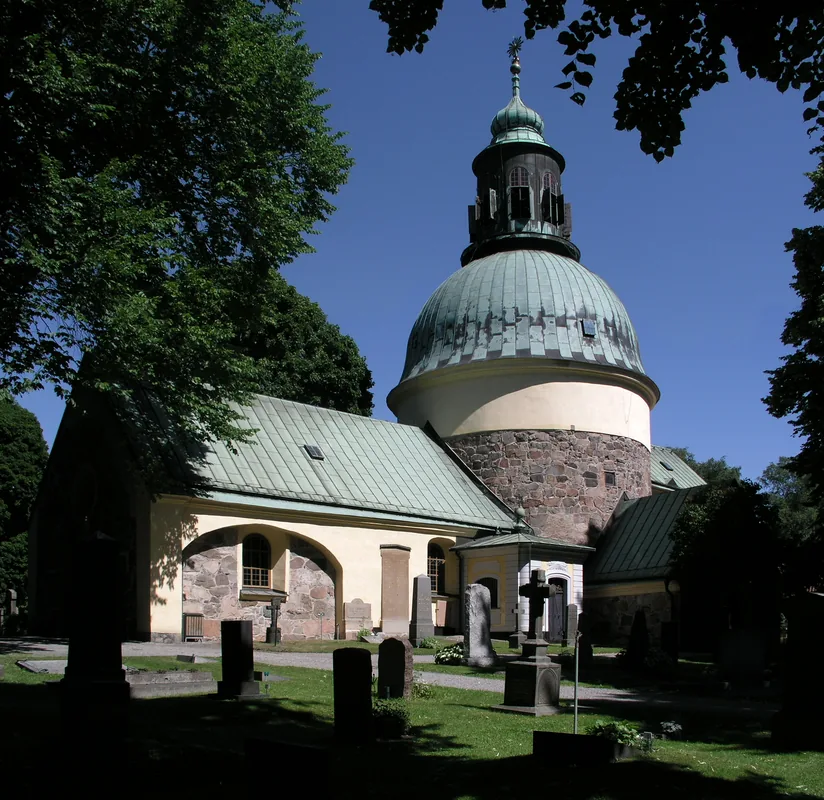
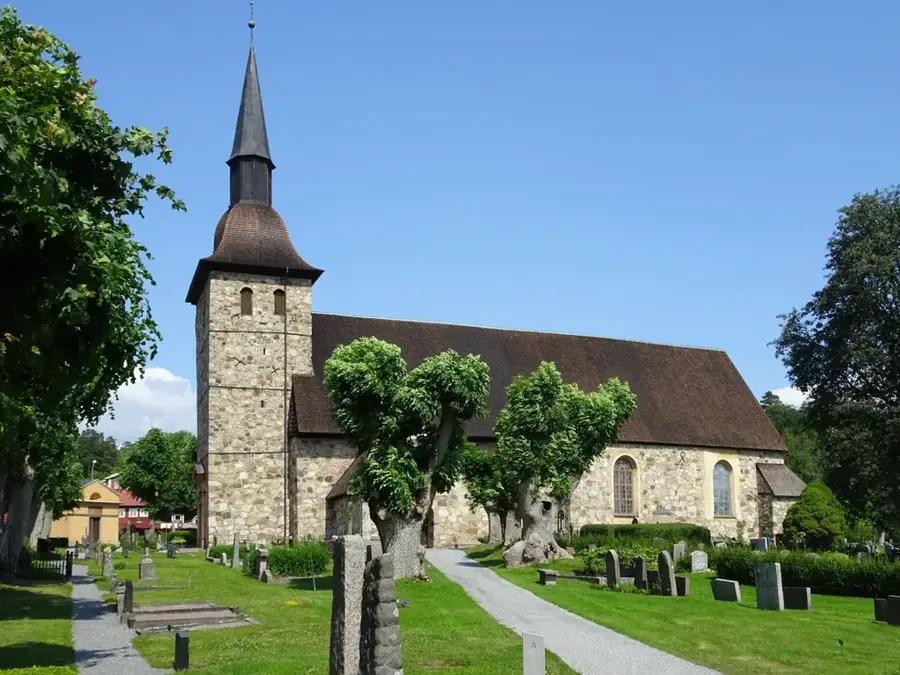
Start your day at the historic railway station, a symbol of the city's industrial roots. In the morning, explore the cultural hubs of Lokstallarna and Safiren. After lunch, immerse yourself in the quiet of St. Eskil's Church before spending a relaxing afternoon in the expansive Stadsparken. The day concludes with a visit to the art gallery, offering a glimpse into the modern Swedish art scene.
The day starts at the sheltered Katrineholm Station, where the historical architecture can be admired under the platform roofs. A short walk through the rain leads to the old engine sheds, whose brickwork looks particularly industrial under gray skies. At noon, the Safiren Culture House provides the perfect sanctuary. You can linger in the library or cafe while rain beats against the expansive glass fronts. In the afternoon, Saint Eskil's Church offers a quiet, dry atmosphere for reflection. A brisk walk through the City Park leads to pavilions that offer shelter from the showers. The day ends at the Katrineholm Art Gallery. The well-lit exhibition rooms make you forget the gloomy weather outside, providing a warm and inspiring conclusion.
The frosty morning air at Katrineholm Station is invigorating. Steam from the trains mixes with the winter mist as you head towards the snow-covered engine sheds, which look like they belong to another era. At noon, the Safiren Culture House offers welcoming warmth. From behind the windows, you can watch the winter activity of the center with a hot drink in hand. In the afternoon, Saint Eskil's Church, with its soft lighting, creates a reverent atmosphere. The City Park transforms into a white fairy-tale world, with the frozen pond reflecting the low winter sun. Before the early sunset around 15:30, the Art Gallery provides a cozy retreat. The exhibitions form a colorful contrast to the monochrome winter landscape outside.
Begin your bike tour in Stadsparken and cycle to the art gallery. In the late morning, pedal through the scenic landscape to Stora Djulö Manor. Spend midday at Djulö Badplats, enjoying nature and perhaps a refreshing swim. In the afternoon, head back to the city center to visit St. Eskil's Church before ending your day in the lively railway station area.
Cycling in Katrineholm in the rain requires good gear but offers empty bike paths. The ride starts in City Park, where the wet asphalt glistens. The Art Gallery provides the first dry cultural break. At noon, the route leads to Stora Djulö Manor. Riding through the rain-soaked avenues is atmospheric, and the manor offers a warm ambiance for an extended lunch. In the afternoon, the Djulö bathing spot is a solitary place. The gray of the sky merges with the lake, creating a melancholic beauty. Back in the center, Saint Eskil's Church provides shelter. The day ends at the station area, where you can park the bike and explore industrial history under the cover of the platforms.
Winter cycling in Katrineholm is an adventure thanks to well-cleared paths. The tour starts in City Park, where tires crunch on fresh snow. The Art Gallery offers the first warming break. At noon, head towards Stora Djulö Manor. The snowy landscape around the manor looks like a 19th-century painting. The restaurant inside is the epitome of Swedish 'mysig' (cosiness). In the afternoon, reach the Djulö bathing spot. The lake is often frozen, creating a vast white plain. The crisp air makes the ride refreshing despite the cold. Back in town, Saint Eskil's Church provides a peaceful stop. The tour ends at the station, where the illuminated tracks mark the start of the early evening.
Start in the city center, parking your car to explore the industrial heritage and art scene on foot. In the morning, visit Lokstallarna and the art gallery. At midday, drive to the beautiful Djulö area. Spend the rest of the day exploring Stora Djulö Manor and relaxing by the lakeside, where you'll also enjoy a leisurely lunch.
By car, Katrineholm can be explored in a relaxed manner even in the rain. The day starts in the center, parking directly near the station. Short walks to the engine sheds minimize contact with the weather. At noon, the drive to the Djulö recreation area offers a dry passage through the Södermanland countryside. Parking right by the manor allows for easy access to the restaurant. In the afternoon, the Djulö bathing spot is a beautiful sight from the warm car. You can enjoy the lake scenery without getting wet. The day ends back in the center. A parking spot near the Art Gallery ensures you reach the exhibitions dry, rounding off the day with culture.
By car, the cold in Katrineholm is no obstacle. The tour begins in the city center, where heated seats make the frosty morning bearable. The old engine sheds in their winter coat are just a short walk from the parking lot. At noon, the drive leads through the snowy Södermanland plains to Djulö Manor. Parking near the entrance allows you to quickly swap the winter chill for the cozy warmth of the restaurant. In the afternoon, the Djulö bathing spot offers a spectacular view of the frozen lake. The winter silence is best enjoyed from the sheltered vehicle. The day ends at the Art Gallery. Thanks to good parking options in the center, you can reach the exhibitions before the early darkness sets in.
Innovative solar park in Katrineholm focusing on renewable energy and sustainable solutions.