Plizio Visual Lab
Falun Mine
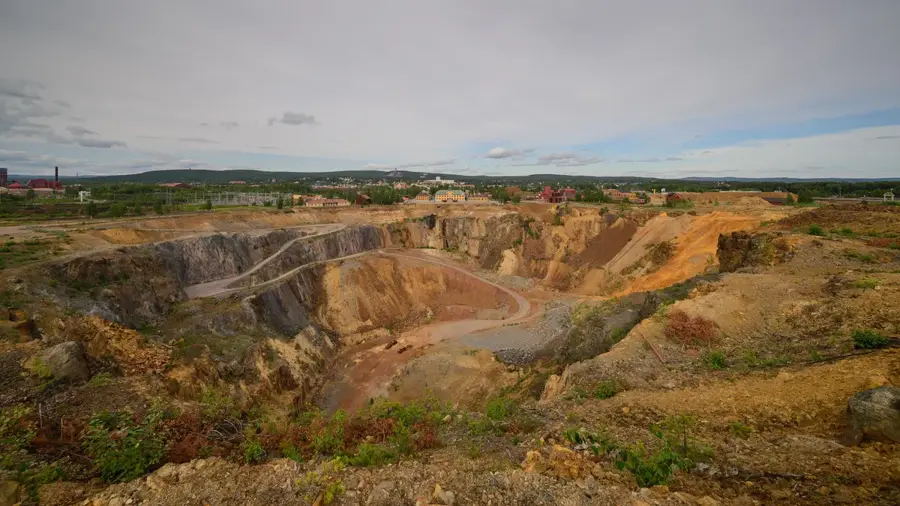
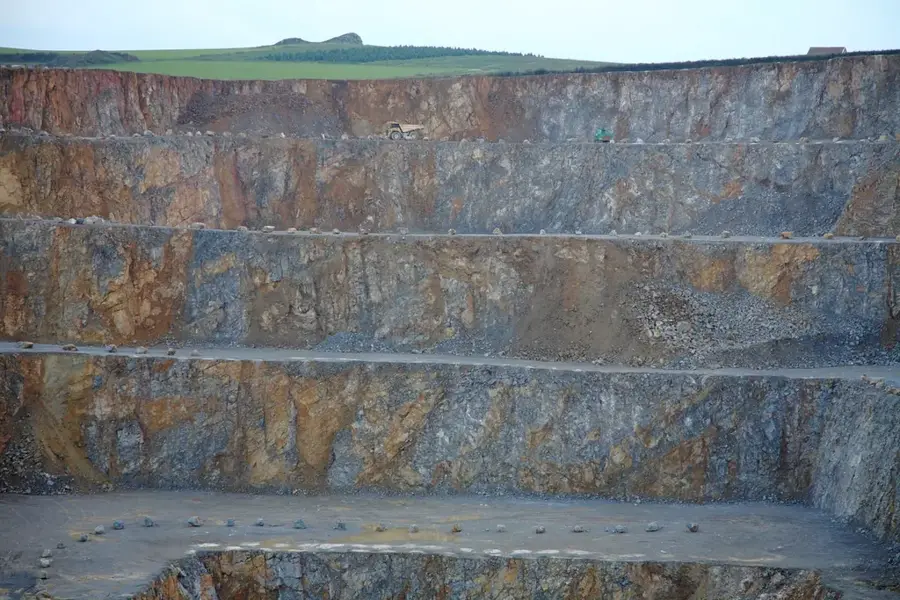
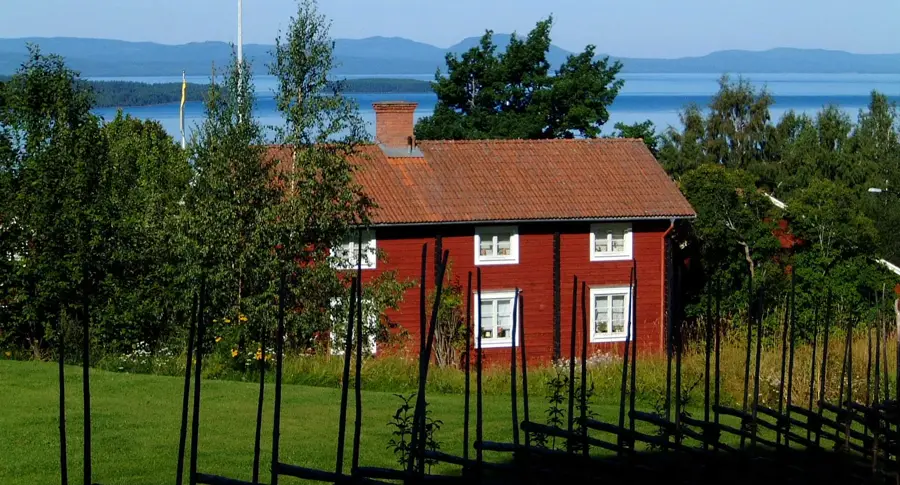
The Falun Mine, known as 'Stora Kopparberget' (the Great Copper Mountain), was Sweden's most significant industrial site for over a millennium, fundamentally shaping the nation's economic history. Mining activities likely began in the 9th century and peaked during the 17th century, when the mine supplied two-thirds of the world's copper. The vast wealth generated here financed Sweden's rise as a European superpower. A pivotal moment occurred in 1687 when a massive cave-in created the enormous open pit known as 'Stora Stöten,' though miraculously no lives were lost as it happened on a midsummer holiday. The byproduct of the copper extraction process gave birth to 'Falun Red,' the iconic paint that adorns traditional Swedish timber houses to this day. The mine ceased operations in 1992 and was designated a UNESCO World Heritage site in 2001. Today, it serves as a museum where visitors can descend 67 meters underground to explore the historic shafts and learn about the miners' grueling labor.
- Location: Sweden
- Top sights: Great Pit · Östra Utkiken · Mine museum
- Nearby: Borlänge (16 km)
Best time to visit & climate
The most pleasant time to visit is Jun–Aug.
| Jan | Feb | Mar | Apr | May | Jun | Jul | Aug | Sep | Oct | Nov | Dec | |
|---|---|---|---|---|---|---|---|---|---|---|---|---|
| Avg °C | -6 | -5 | -2 | 4 | 10 | 14 | 17 | 15 | 11 | 5 | 0 | -4 |
| Rain mm | 49 | 40 | 41 | 44 | 79 | 98 | 105 | 100 | 62 | 73 | 62 | 52 |
📋 Practical info
Geography
Facts
- Falun supplied two-thirds of Europe's copper during the 17th century.
- The massive cave-in of 1687 happened on Midsummer's Day.
- The mine was added to the UNESCO World Heritage list in 2001.
- It is operated by the world's oldest public limited company, founded in 1288.
- The iconic Falun Red paint was first produced as a byproduct in the 16th century.
- Mining operations officially ended in 1992 after 1,000 years of activity.
Explore nearby
Notable places around
Route planner — Car & Motorhome
Where do you start? We build the route here, with stops and country notes along the way.
© OpenStreetMap contributors · OpenRouteService
Sights in the town Falun Mine (10)
Exhibition on mining ropes🏛 museum
The exhibition on mining ropes shows historical ropes and techniques from the Falun Mine.
Carl XVI Gustafs viewing point
Carl XVI Gustafs viewing point has a view over the Falun Mine.
Ernst Rolf-gården
Ernst Rolf-gården is a museum in Elsborg, Falun, dedicated to artist Ernst Rolf.
Dalarnas Museum🏛 museum
Dalarnas Museum in Falun exhibits art and cultural history of the Dalarna region.
Dalateatern
Dalateatern is a theatre in Falun, Sweden.
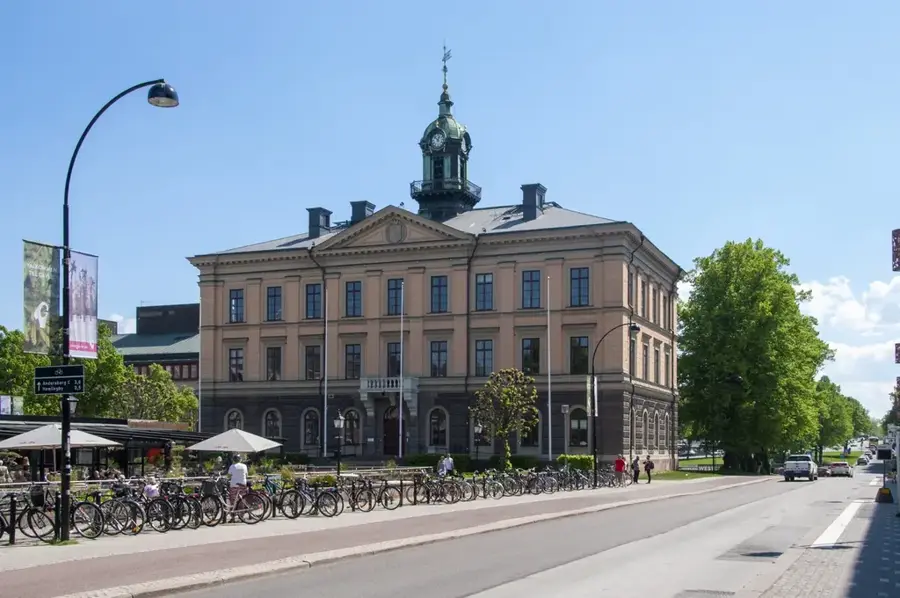
Falu stads rådhus
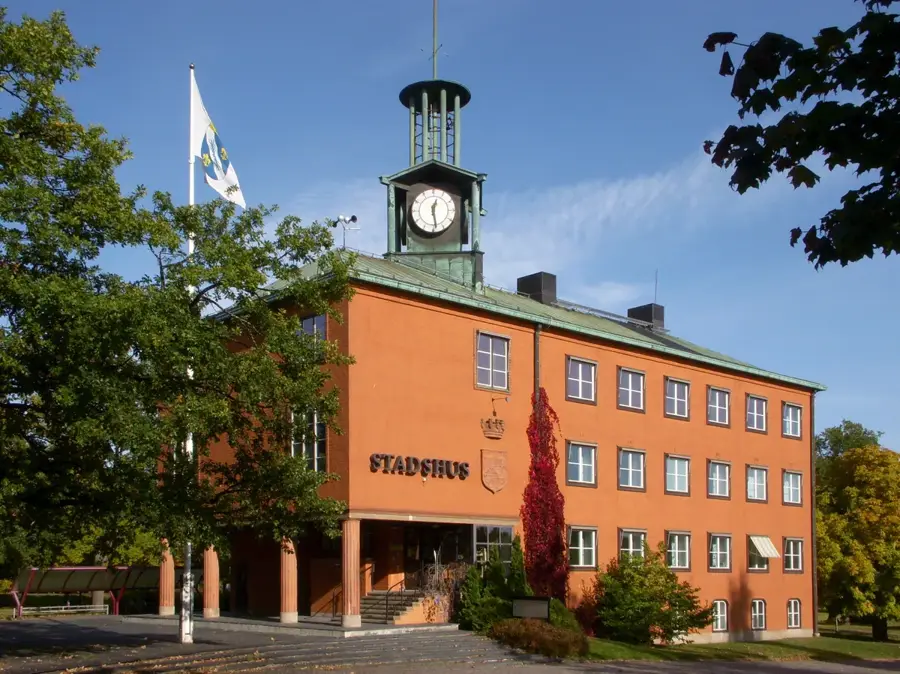
Falu stads rådhus is the town hall of Falun.
Sights nearby
Frequently asked questions
Is the Falun copper mine a UNESCO World Heritage site?
Can you go underground?
What is the 'Great Pit' (Stora Stöten)?
What does the mine have to do with 'Falu Rödfärg' paint?
How long was the mine in operation?
Falun Mine: where is it located?
Falun Mine: what is there to see?
Falun Mine: when is the best time to visit?
Falun Mine: why is it worth visiting?

Nearby cities