Plizio Visual Lab

Djurö National Park
Plizio editorial teamData Sources
park
—°
Djurö National Park (Sweden)

Weather…

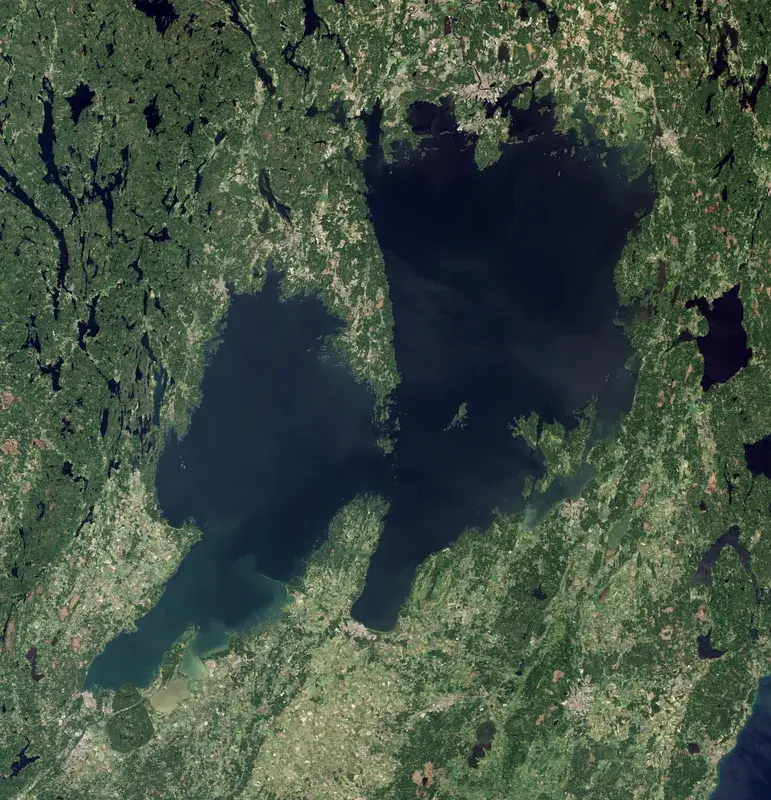
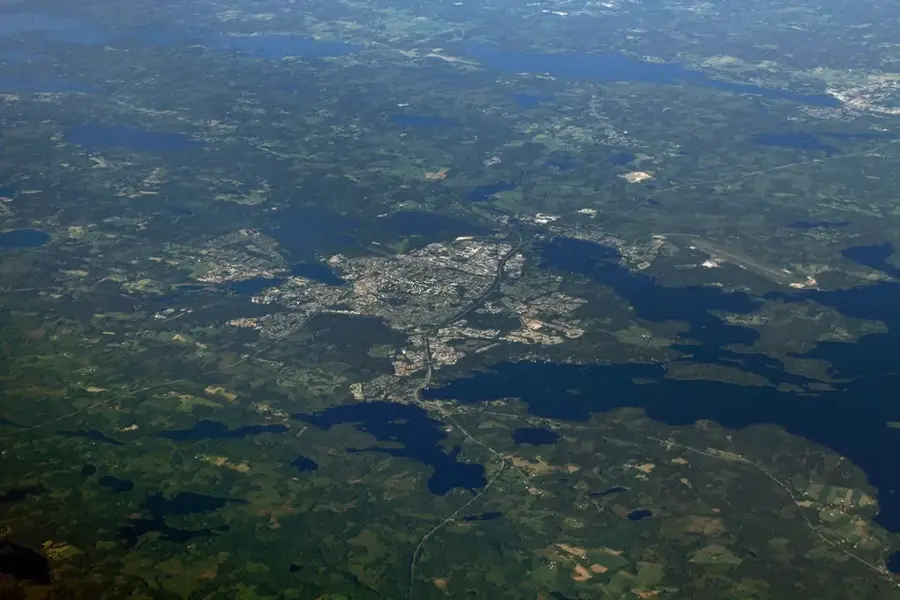
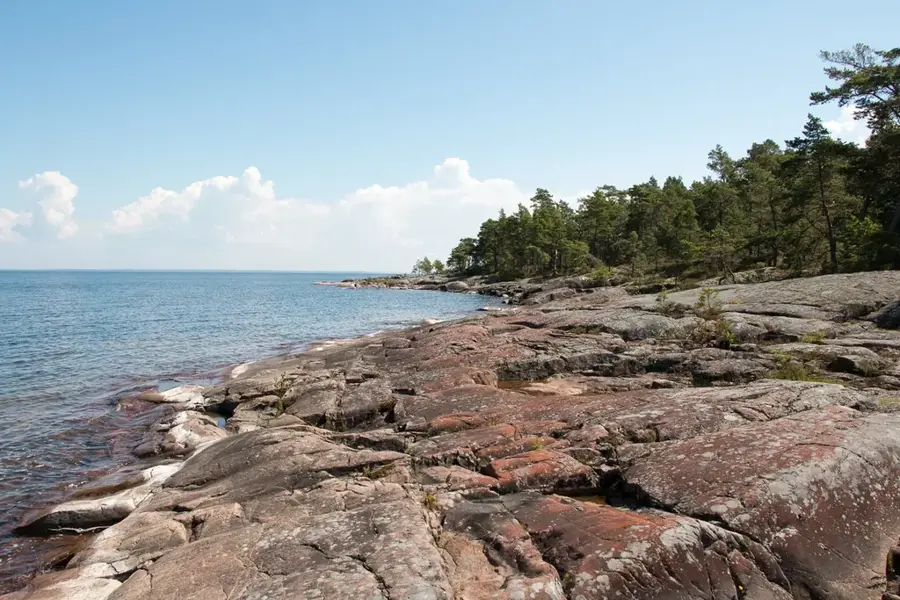
Djurö National Park is located in the center of Lake Vänern, Sweden's largest lake, and consists of an isolated archipelago of around 30 islands and skerries. Established in 1991, the park aims to protect the unique inland sea archipelago landscape and its undisturbed natural environment. The geology is defined by barren bedrock and thin soil layers, supporting sparse pine forests and extensive lichen carpets. Historically, the islands were used for sheep grazing and were once home to a lighthouse keeper, whose presence is still marked by small buildings and remnants of cultural landscapes. Currently, the park is only accessible by boat, offering visitors a profound sense of solitude and tranquility. The fauna is notable for its large population of fallow deer and diverse birdlife, including ospreys and hobbies. Despite being in a freshwater lake, the maritime climate and vegetation closely resemble the coastal environments of the Baltic Sea.

Best time to visit & climate

The most pleasant time to visit is Jun–Aug.

JanFebMarAprMayJunJulAugSepOctNovDec
Avg °C-4-317121619181372-3
Rain mm604742498610411511373827160

📋 Practical info

🧭
Getting there
Accessing this incredibly thoroughly isolated archipelago carefully situated in the absolute dead middle of Lake Vänern heavily requires a private boat or chartered tour. There are generally absolutely no regular scheduled public ferries routinely traveling to these highly remote island destinations.
📅
Best season
Mid-summer is genuinely generally the absolute truly safest and most highly highly recommended time to actively visit this comprehensively isolated maritime national park. The potentially somewhat unpredictable weather on Lake Vänern is typically vastly calmest and remarkably stable during this time.
⛰️
Terrain & paths
The approximately 30 distinctly remote islands heavily feature a completely rugged mix of highly smooth bare bedrock, highly sparse pine forests, and rocky maritime shorelines. The basic walking conditions are completely entirely natural and fully undeveloped, often demanding extremely careful navigation.
🎒
What to bring
Visitors must highly completely independently officially bring absolutely practically everything they might ever strictly need, strongly including abundant drinking water, food, and safety supplies. Sturdy specialized boat shoes and highly impressively weather-resistant maritime clothing are thoroughly recommended.
🅿️
Parking
Personal civilian vehicles must perfectly securely be firmly left thoroughly behind safely on the mainland at marinas or officially designated public harbors completely around Lake Vänern. Long-term specific parking options are generally practically usually extremely readily easily available at major coastal departure points.
⚠️
Safety
Completely safely formally navigating the highly genuinely expansive and fiercely deeply open fully exposed waters of massive Lake Vänern specifically requires highly significant prior true boating experience. Visitors genuinely must highly constantly formally specifically strictly pay absolutely incredibly close attention to extremely sudden weather changes.
⏱️
Time needed
A genuinely proper formal actual complete visit basically fundamentally technically completely strongly typically highly officially explicitly accurately practically usually practically basically absolutely officially requires firmly at least genuinely one full complete long entire thoroughly day specifically exactly explicitly fundamentally entirely primarily largely basically mainly actually due to completely thoroughly formally the extraordinarily lengthy and long boat journey.

Geography

Coordinates
58.85000, 13.13000

Facts

  • Established in 1991 to protect the central Lake Vänern archipelago.
  • Covers a total area of approximately 2400 hectares.
  • Comprises about 30 individual islands and numerous rocky skerries.
  • Features an unusual population of fallow deer introduced in the 1800s.
  • Accessible only by boat, roughly 8 kilometers from the mainland.
  • Key breeding ground for ospreys and hobbies.

Explore nearby

Notable places around
Route planner — Car & Motorhome

Where do you start? We build the route here, with stops and country notes along the way.

Vehicle
Only stops with (optional):

© OpenStreetMap contributors · OpenRouteService

Sights nearby

Frequently asked questions

In which lake is Djurö located?
Djurö is located in the middle of Lake Vänern, Sweden's largest lake.
How do you get to the national park?
Only by private boat or a booked boat taxi.
Is there a lighthouse there?
Yes, there is an old automated lighthouse on the main island.
Can you see deer there?
Yes, there is an isolated population of fallow deer on the islands.
Are there hiking trails?
Yes, there are marked paths that lead through the forest and along the coast.
Djurö National Park: where is it located?
Djurö National Park is located in Sweden.
Djurö National Park: when is the best time to visit?
The most pleasant time to visit is Jun, Aug.
Djurö National Park: why is it worth visiting?

Djurö National Park is located in the center of Lake Vänern, Sweden's largest lake, and consists of an isolated archipelago of around 30 islands and skerries.
View on map → The Top 50 Attractions → Most beautiful beaches → OpenStreetMap →
Europe
Explore with Plizio Discover more places in Europe
More places in Sweden →

Nearby cities

More places