Plizio Visual Lab
Jebel Moya
Weather…
Water temperature…
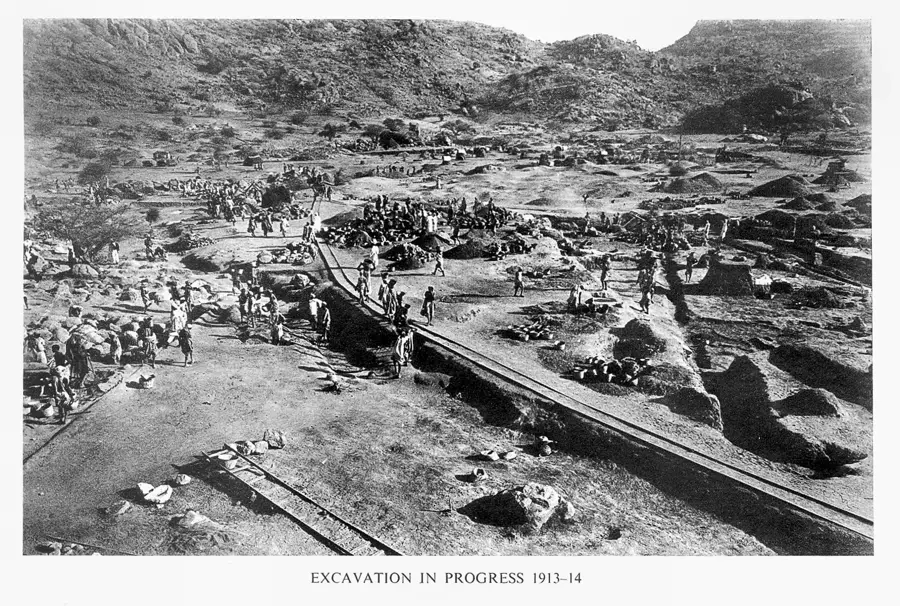
Jebel Moya is a massive archaeological site located between the Blue and White Nile rivers in the Gezira plain of central Sudan. It represents one of the largest pastoralist settlements in sub-Saharan Africa, with occupation dating primarily from the 5th century BC to the 1st century AD. The site became internationally famous through the massive excavations led by the British philanthropist Sir Henry Wellcome between 1910 and 1914, which were among the first large-scale scientific digs in the region. These excavations uncovered thousands of burials and a vast array of artifacts, including pottery, stone tools, and personal ornaments, suggesting a complex and wealthy society. Unlike the Nile-based civilizations to the north, Jebel Moya was a highland retreat for seasonal pastoralists who maintained a distinct cultural identity while engaging in regional trade. Recent re-analysis of the Wellcome collection has provided new data on the diet, health, and social organization of these ancient populations. The site remains a pivotal location for understanding the pre-Islamic history of central Sudan and the savannah belt.
- Location: Sudan
- Nearby: Maiurno (35 km)
Best time to visit & climate
The most pleasant time to visit is Jan, Feb, Dec.
| Jan | Feb | Mar | Apr | May | Jun | Jul | Aug | Sep | Oct | Nov | Dec | |
|---|---|---|---|---|---|---|---|---|---|---|---|---|
| Avg °C | 25 | 28 | 30 | 33 | 33 | 31 | 28 | 27 | 28 | 30 | 29 | 26 |
| Rain mm | 0 | 0 | 0 | 2 | 27 | 50 | 136 | 149 | 69 | 29 | 1 | 0 |
📋 Practical info
Geography
Facts
- Occupied primarily from 500 BC to 100 AD.
- Excavated by Henry Wellcome from 1910 to 1914.
- Site of over 3,000 ancient human burials.
- Located in the Gezira plain of central Sudan.
- Largest pastoralist settlement in its region.
- Wealthy society despite lack of Nile-style cities.
Explore nearby
Notable places around


Route planner — Car & Motorhome
Where do you start? We build the route here, with stops and country notes along the way.
© OpenStreetMap contributors · OpenRouteService
Sights nearby
Frequently asked questions
Is Jebel Moya easily accessible?
What gear do I need for hiking?
Is the climb difficult?
Are there archaeological remains there?
What is the best time of day to climb?
Jebel Moya: where is it located?
Jebel Moya: when is the best time to visit?
Jebel Moya: why is it worth visiting?

Nearby cities

History & landmarks
Nature
More places