Plizio Visual Lab
Singa
ℹ️Practical info — Singa
▾
🌤 Weather — 5 days
📍 Nearby
Sights nearby
💡 Tips
- Visit the local market to feel the pulse of this important agricultural hub.
- Be prepared for basic accommodation and infrastructure; this is not a typical tourist destination.
- Enjoy the warm hospitality of the locals, who are often curious and welcoming to visitors.
- Drink only bottled water and be mindful of food hygiene in local eateries.
- Take advantage of the cooler evening hours for walks along the Blue Nile.
🍽 Food
A traditional dough-like grain dish, often served with bamia (okra stew).
Spicy grilled meat, a popular street food often sold in the evenings.
The region is known for high-quality dates; buy them fresh at the local market.
🛍 Shopping · 🧘 Quiet spots
The best place to see local crops, grains, and fresh regional vegetables.
Look for colorful textiles used for traditional Sudanese attire.
A peaceful spot to watch the river flow and see local fishing boats.
Walks on the outskirts of town lead through quiet fruit and vegetable gardens.
Water temperature…
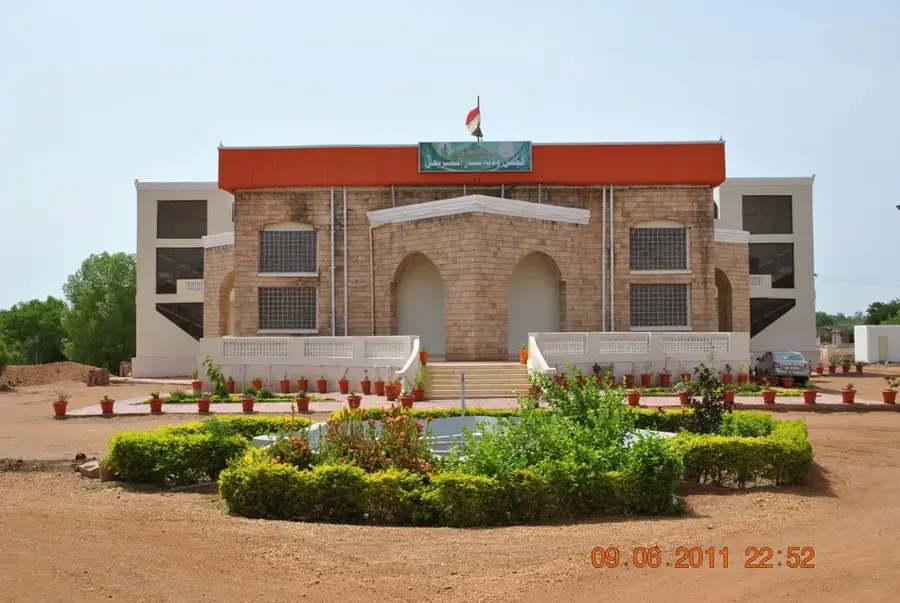
Singa, also spelled Sinjah, is the capital of Sennar State and is situated on the western bank of the Blue Nile in eastern Sudan. The city is globally significant in the scientific community due to the 1924 discovery of the 'Singa Man,' a fossilized skull dated to approximately 160,000 years ago, representing a key find in human evolution. Geographically, Singa thrives on the fertile plains of the Blue Nile, establishing itself as a premier agricultural center for sorghum, sesame, and various fruits. The city's layout reflects its status as an administrative capital, featuring governmental offices and educational institutions that anchor the region. Historically, the area was part of the influential Funj Sultanate, and its cultural legacy continues to shape local customs today. At present, Singa serves as a major clearinghouse for agricultural commodities and a strategic node on the highway connecting Khartoum to Sudan's southeastern border regions.
- Location: Sudan
- Nearby: Ad-Dindar (20 km)
- Population: ~250.000 (2026)
Best time to visit & climate
The most pleasant time to visit is Jan, Feb, Dec.
| Jan | Feb | Mar | Apr | May | Jun | Jul | Aug | Sep | Oct | Nov | Dec | |
|---|---|---|---|---|---|---|---|---|---|---|---|---|
| Avg °C | 26 | 28 | 30 | 32 | 32 | 30 | 28 | 27 | 28 | 30 | 29 | 26 |
| Rain mm | 0 | 0 | 0 | 3 | 28 | 48 | 124 | 148 | 75 | 32 | 1 | 0 |
Geography
Facts
- Singa serves as the administrative capital of Sennar State in eastern Sudan.
- The 'Singa Man' fossil was discovered in a Nile sandbank in 1924.
- The city is located near the junction where the Dinder River meets the Blue Nile.
- Singa is a primary hub for Sudan’s large-scale mechanized sorghum farming.
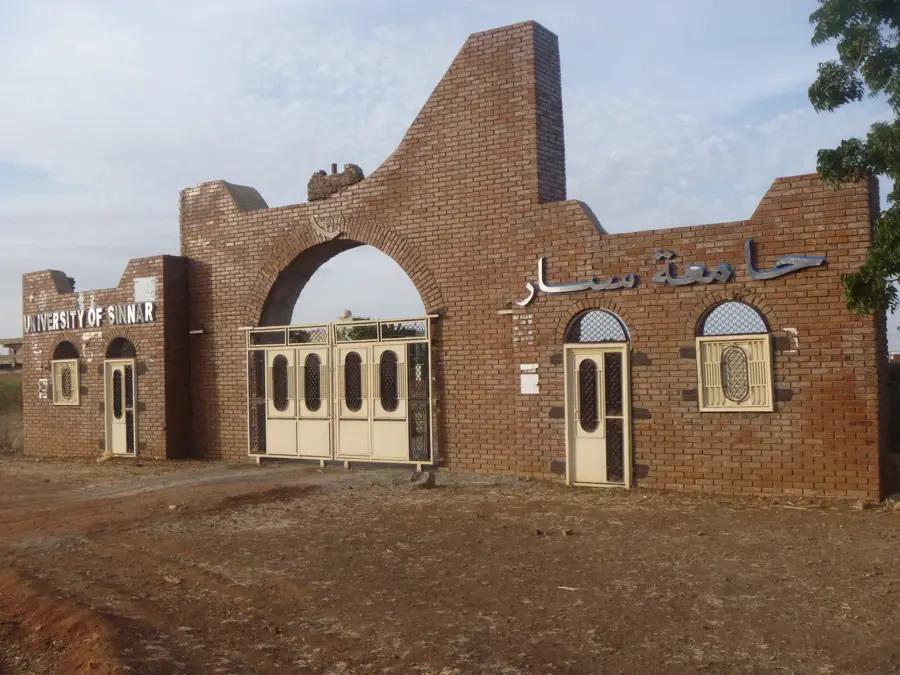
- The University of Sennar was established here in 1994 as a regional academic center.
- The region historically formed the heartland of the 16th-century Funj Sultanate.
Explore nearby
Notable places around



Route planner — Car & Motorhome
Where do you start? We build the route here, with stops and country notes along the way.
© OpenStreetMap contributors · OpenRouteService
Frequently asked questions
What is Sindscha?
What is in the vicinity?
Is the city touristy?
What is the climate like?
What is the highlight?
Singa: where is it located?
Singa: when is the best time to visit?
Singa: why is it worth visiting?

Nearby cities
History & landmarks
Nature
More places