Plizio Visual Lab
Mulkirigala Raja Maha Vihara
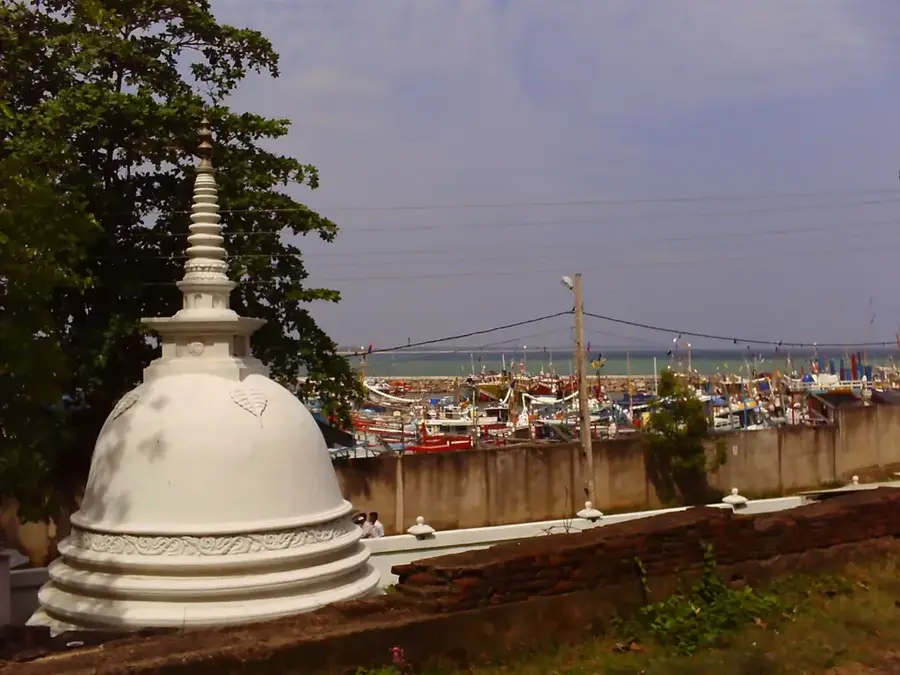
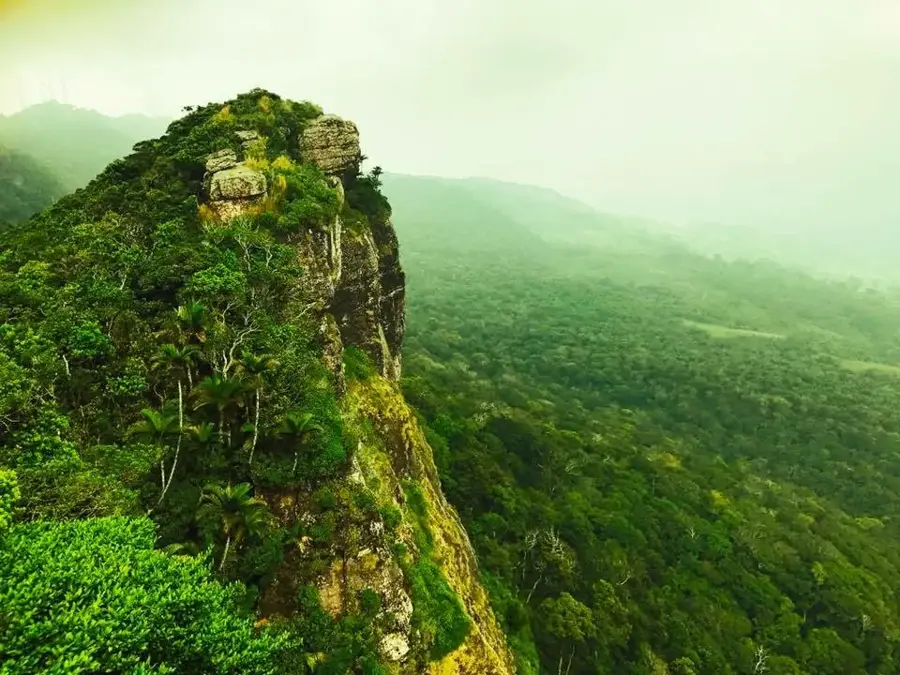
Mulkirigala Raja Maha Vihara is a memorable ancient rock temple in southern Sri Lanka, often referred to as the 'Little Dambulla' due to its similar cave architecture. The temple complex is built into a massive natural rock outcrop rising about 200 meters from the surrounding plain, featuring seven cave temples situated across five tiered terraces. The site's history stretches back to the 2nd century BC and is associated with King Kanittha Tissa. The caves are famous for their exquisite murals and numerous Buddha statues, which showcase the evolution of Sinhalese art, particularly the bustling Kandyan style of the 18th century. Mulkirigala holds immense historical importance because it was here in the 19th century that George Turnour discovered palm-leaf manuscripts that provided the key to translating the 'Mahavamsa,' the great chronicle of Sri Lankan history. Climbing to the summit provides both a spiritual journey through the various temple levels and a panoramic panoramic view of the vast coconut plantations of the Hambantota district.
- Location: Sri Lanka
- Top sights: Weeraketiya Market · Arambegoda Purana Rajamaha Viharaya · Temple
- Nearby: Dikwella (6 km)
Best time to visit & climate
The most pleasant time to visit is Jan, Feb, Jul.
| Jan | Feb | Mar | Apr | May | Jun | Jul | Aug | Sep | Oct | Nov | Dec | |
|---|---|---|---|---|---|---|---|---|---|---|---|---|
| Avg °C | 26 | 27 | 28 | 28 | 28 | 27 | 27 | 27 | 27 | 27 | 27 | 26 |
| Rain mm | 95 | 79 | 107 | 182 | 194 | 106 | 89 | 115 | 161 | 231 | 285 | 193 |
📋 Practical info
Geography
Facts
- Consists of seven cave temples spread over five terraces.
- The rock rises approximately 200 meters above the plain.
- Key palm-leaf manuscripts of the Mahavamsa were discovered here.
- Murals predominantly showcase the Kandyan era of religious art.
- The site served as a monastery since the 2nd century BC.
- Offers a 360-degree view of the Hambantota district from the top.
Explore nearby
Notable places around


Route planner — Car & Motorhome
Where do you start? We build the route here, with stops and country notes along the way.
© OpenStreetMap contributors · OpenRouteService
Sights in the town Mulkirigala Raja Maha Vihara (4)
Sights nearby
Frequently asked questions
What is the Mulkirigala Rock Temple?
How many terraces are there?
Is it similar to Sigiriya?
Are there parking spaces?
Do you have to take off your shoes?
Mulkirigala Raja Maha Vihara: where is it located?
Mulkirigala Raja Maha Vihara: what is there to see?
Mulkirigala Raja Maha Vihara: when is the best time to visit?
Mulkirigala Raja Maha Vihara: why is it worth visiting?

Nearby cities
History & landmarks

Nature
More places