Fiestas de la Virgen de Gracia
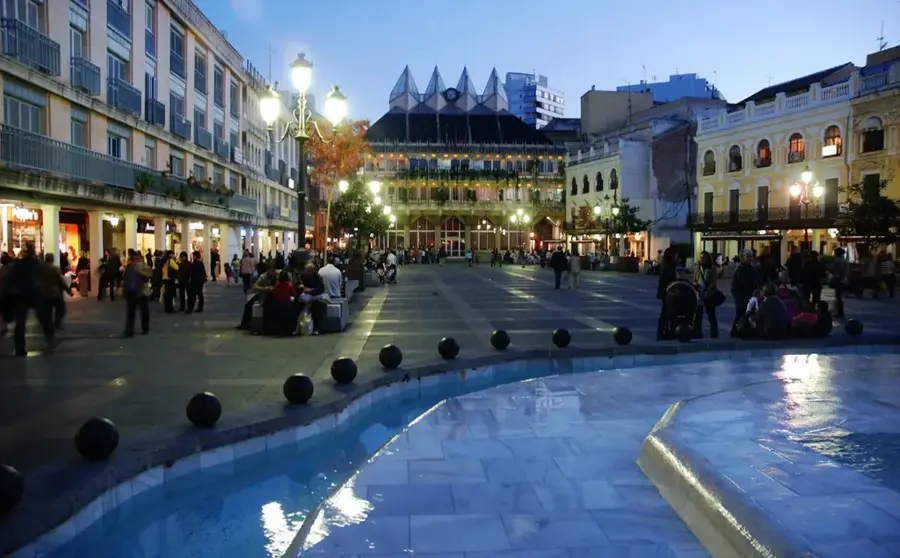
Each year on 8 September, Puertollano celebrates its patron saint, the Virgen de Gracia. The Virgin is carried in procession, a flower carpet is laid in Calle Aduana and fireworks are set off.
PlizioGo
A regional vegetable stew similar to ratatouille, usually served with a fried egg on top.
The world-famous sheep's milk cheese from this region; buy it in local shops or try it as a tapa.
Also known as Gazpacho Manchego, this is a hearty stew made with small pieces of flatbread and game meat.
The main pedestrian shopping street where you can find local boutiques and Spanish brands.
Look for shops selling La Mancha saffron, honey, and olive oil, which are high-quality local products.
A peaceful park featuring a lake with many bird species, located on the edge of the city.
A large green space surrounding the old mining structures, offering a mix of history and nature.
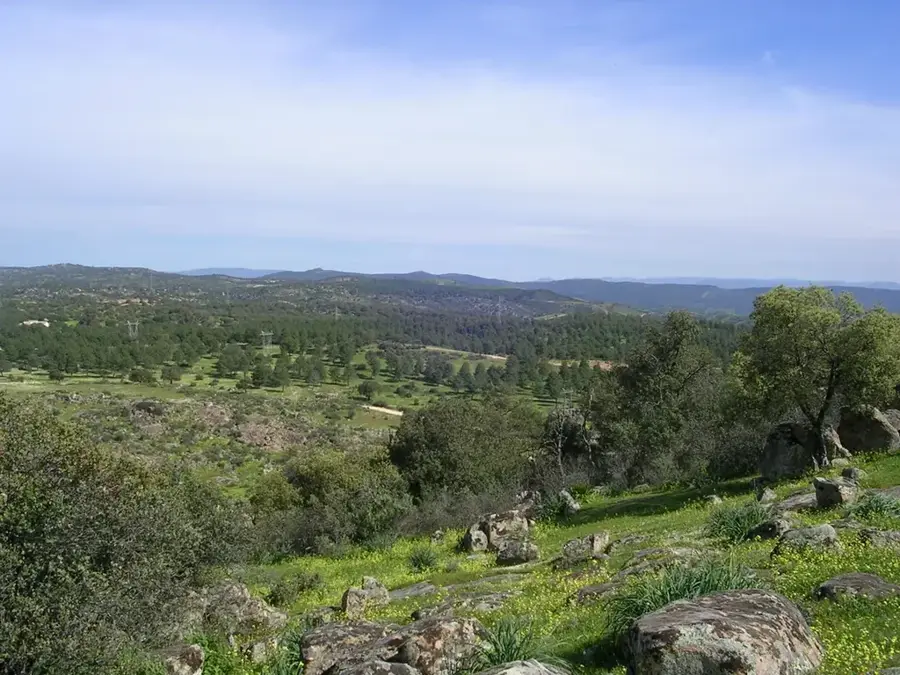
A nearby natural forest area with picnic spots and trails, great for a break from the urban environment.
Water temperature…
Each year on 8 September, Puertollano celebrates its patron saint, the Virgen de Gracia. The Virgin is carried in procession, a flower carpet is laid in Calle Aduana and fireworks are set off.
Since 1895, Puertollano celebrates its main fair in early May with marquees, funfair rides and bullfights. Night-time celebrations feature orchestras, peña tents and folklore groups.
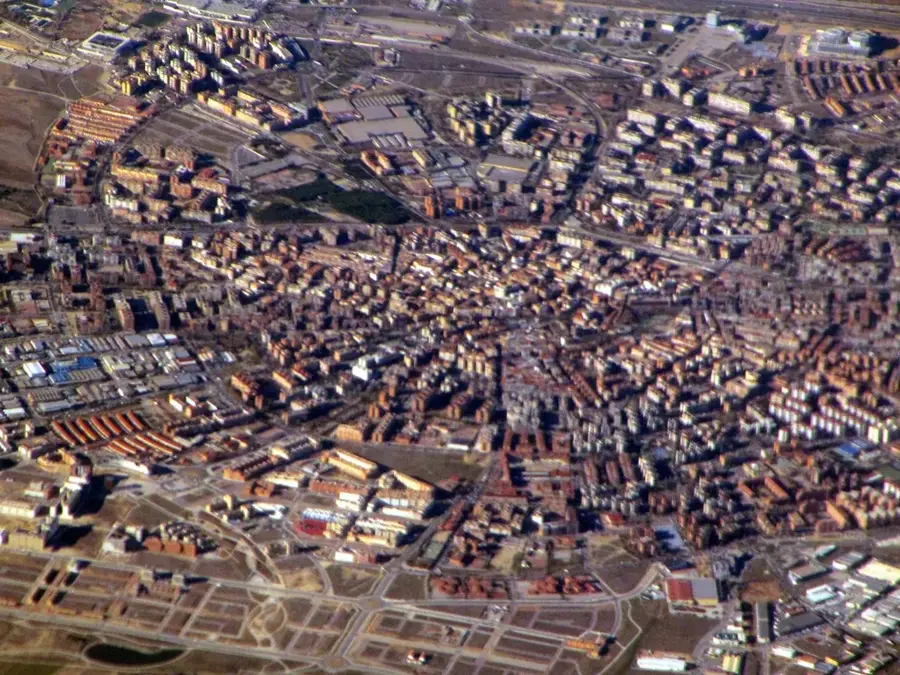
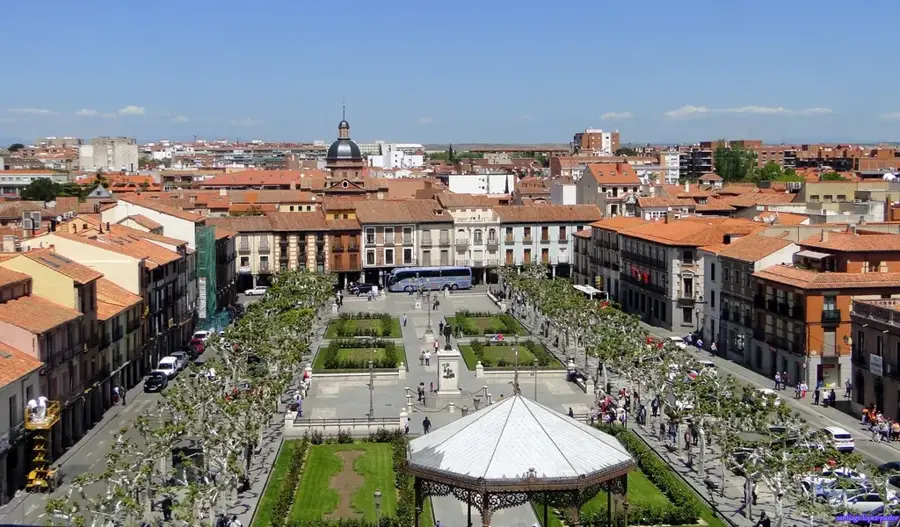
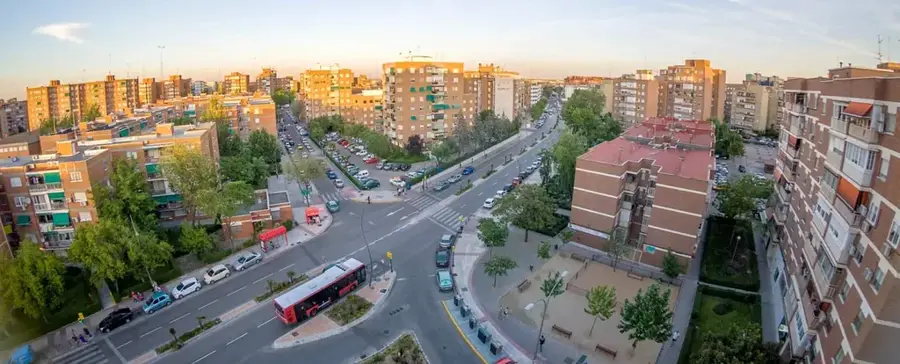
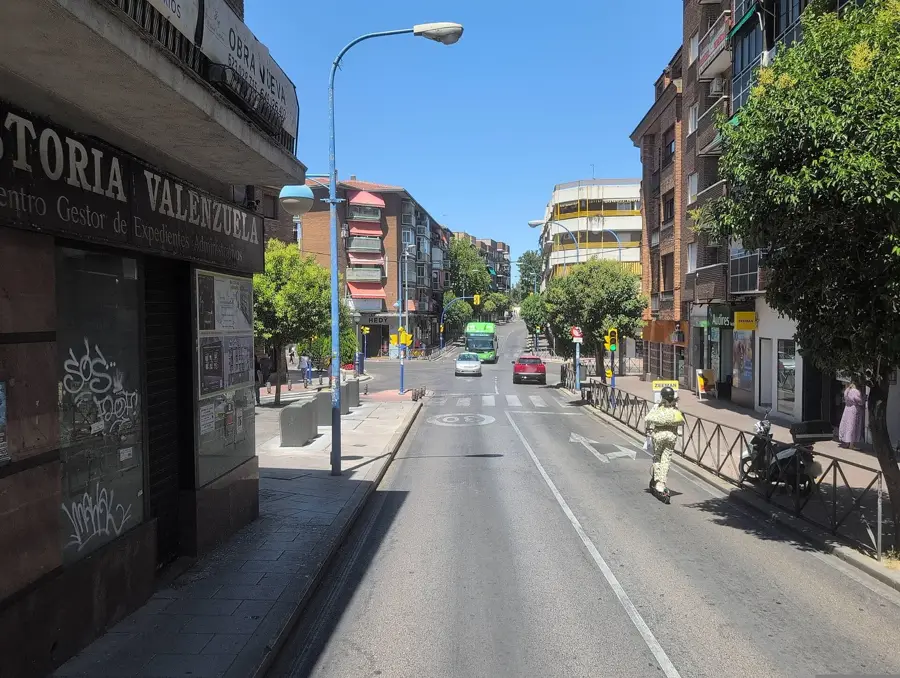
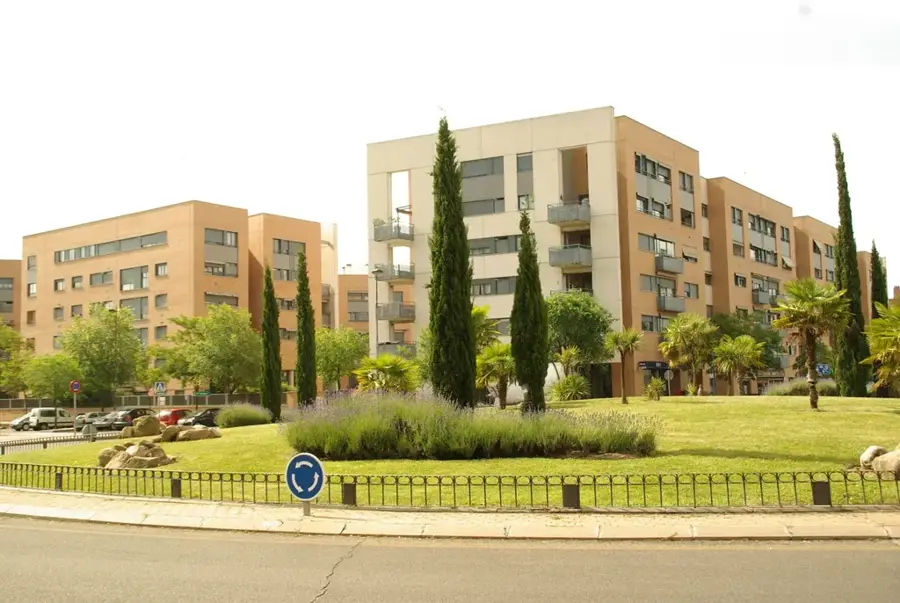
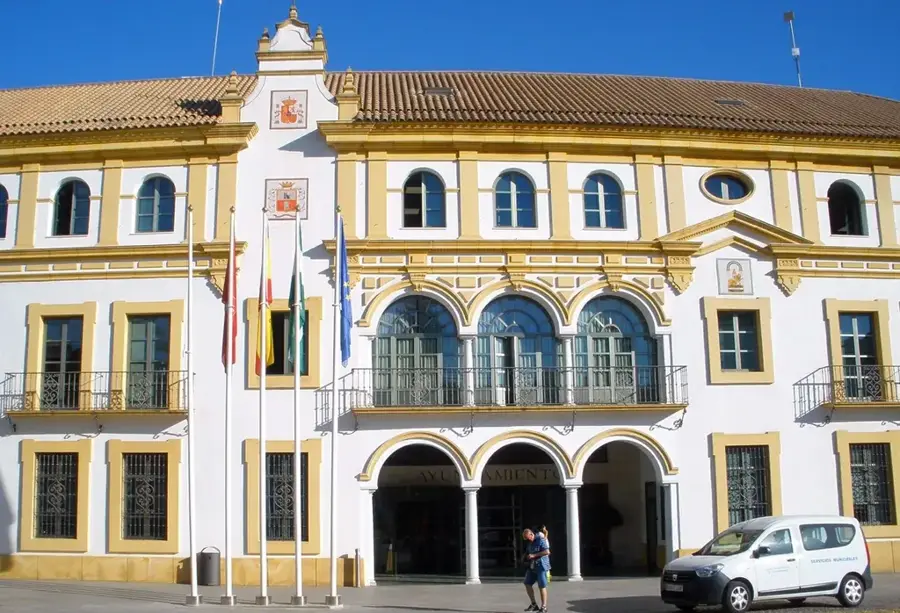
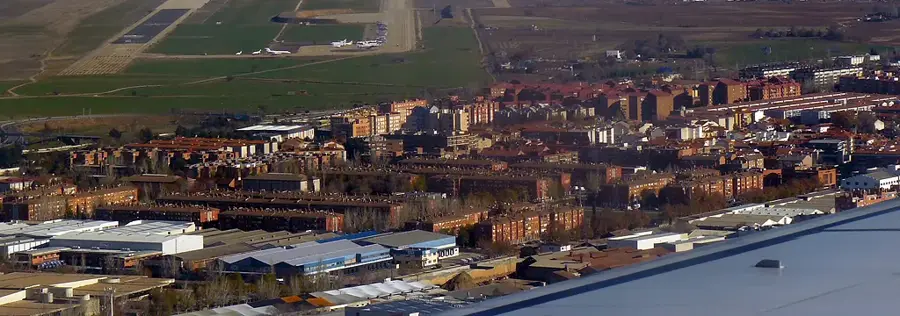
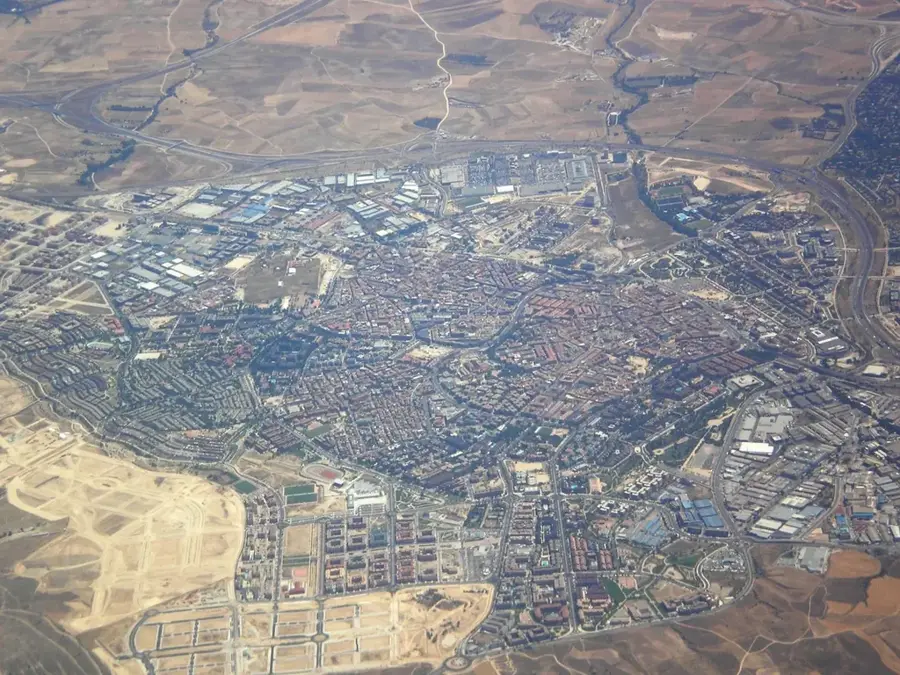
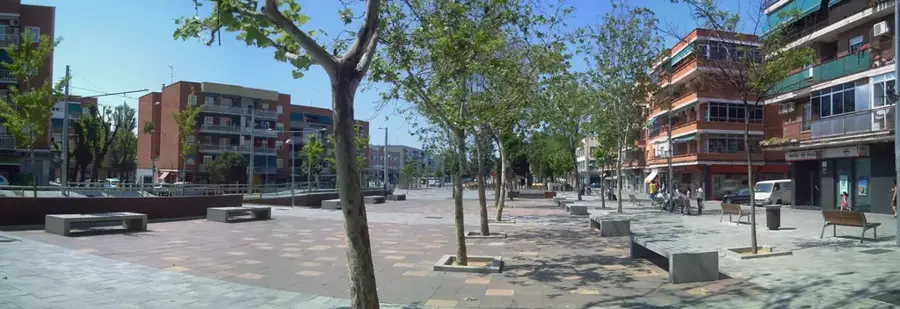
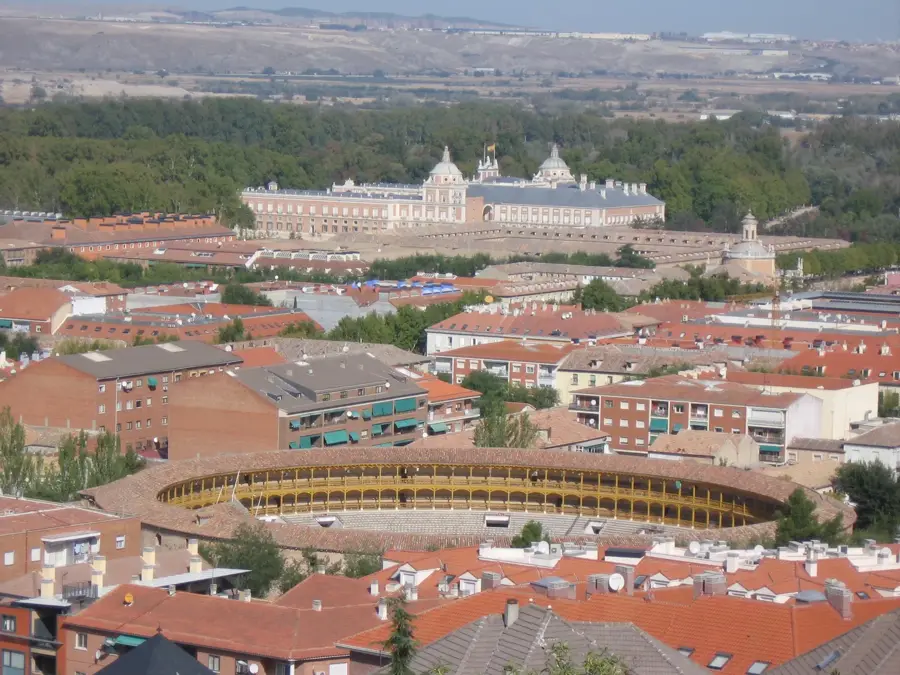
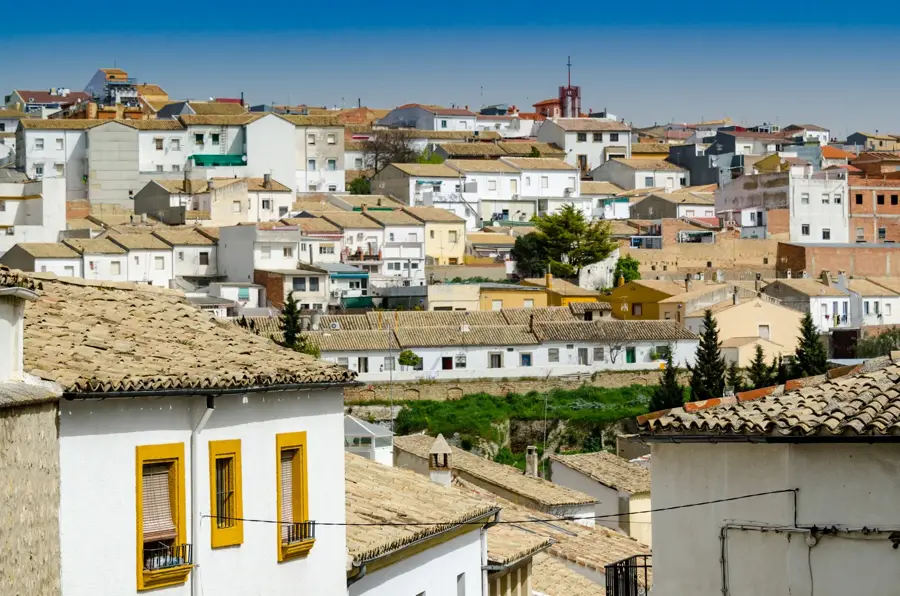
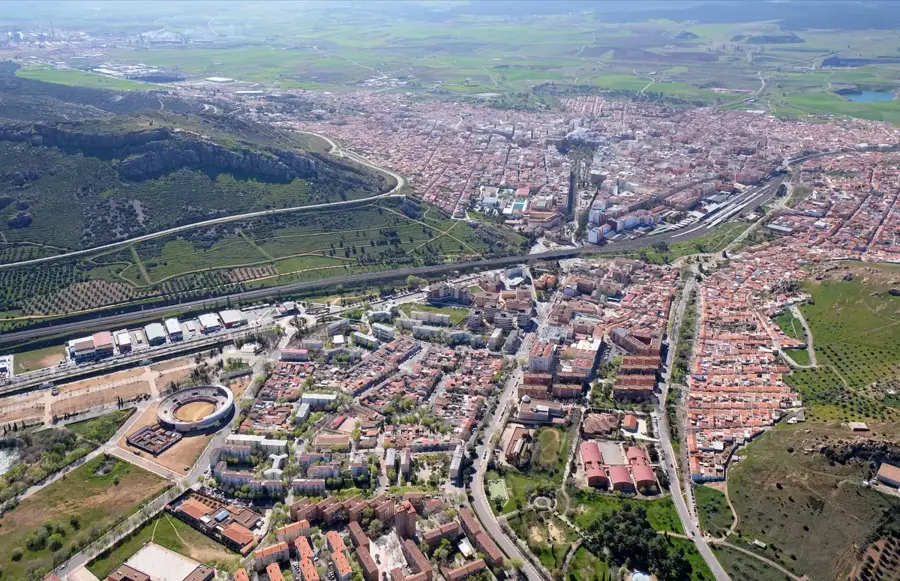
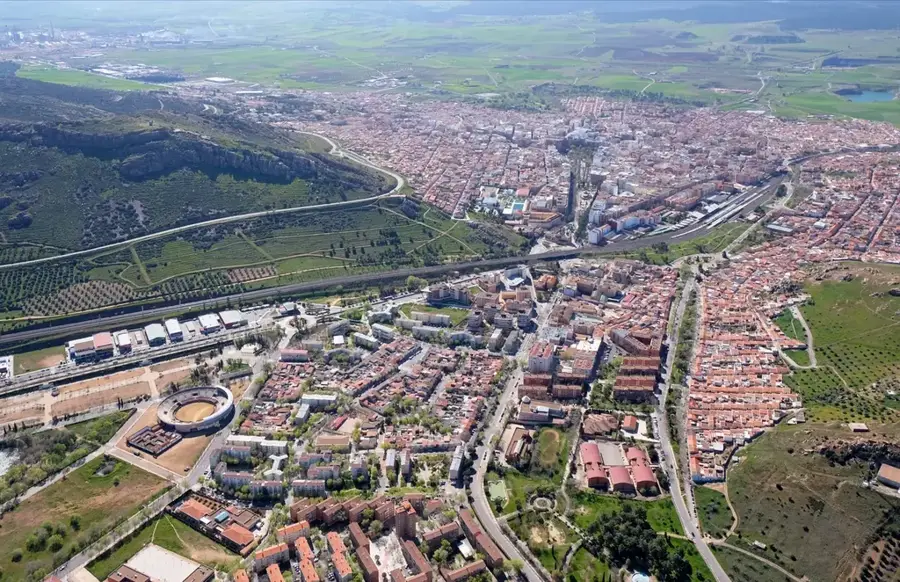
Puertollano is a prominent industrial city located in the province of Ciudad Real within the Castile-La Mancha region. Situated in a strategic valley between the hills of San Sebastian and Santa Ana, it is historically nicknamed the 'City of the Two Bridges'. Its modern identity was forged following the discovery of coal deposits in 1873, which transformed the settlement into one of Spain's most vital mining basins. Throughout the 20th century, the local economy shifted from coal extraction to the petrochemical industry, highlighted by the establishment of a massive oil refinery complex in the 1960s. More recently, Puertollano has positioned itself as a leader in renewable energy research and production, particularly in solar power and green hydrogen technologies. Notable landmarks include the Fuente Agria, a natural sour-water spring famous for its carbonated mineral water, and the expansive Paseo de San Gregorio. Despite its industrial heritage, the city maintains significant green spaces and cultural institutions like the Mining Museum, which preserves the memory of its subterranean past.
The most pleasant time to visit is May, Jun, Sep.
| Jan | Feb | Mar | Apr | May | Jun | Jul | Aug | Sep | Oct | Nov | Dec | |
|---|---|---|---|---|---|---|---|---|---|---|---|---|
| Avg °C | 5 | 6 | 10 | 13 | 18 | 24 | 27 | 27 | 22 | 16 | 9 | 6 |
| Rain mm | 37 | 41 | 56 | 52 | 33 | 10 | 3 | 7 | 28 | 53 | 52 | 46 |
Notable places around
Where do you start? We build the route here, with stops and country notes along the way.
© OpenStreetMap contributors · OpenRouteService
Start your day in the green heart of Puertollano, the Paseo de San Gregorio. Discover the city's mining soul at the Monumento al Minero and Fuente Agria. At midday, delve deep into local history at the Mining Museum. End your day with a cultural highlight at the Auditorium dedicated to the region's most famous son.
A rainy morning starts at Paseo de San Gregorio, where the pavilions and trees offer some cover. By noon, the decorative roof of Fuente Agria keeps you dry while tasting the famous sour water. The afternoon is best spent inside the Mining Museum, an ideal indoor retreat to learn about the city's coal heritage. Your day ends comfortably at the modern Auditorium, safe from the damp weather.
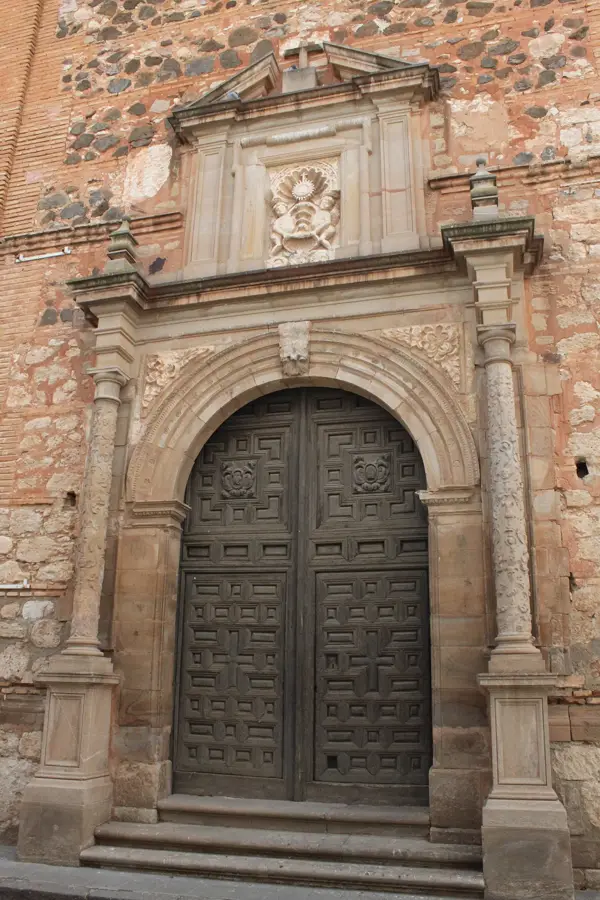
The winter morning at Paseo is crisp, but the Mancha sun often warms the air quickly. A sip from Fuente Agria is bracing, and the nearby church offers a quiet sanctuary. In the afternoon, the warmth of the Mining Museum is welcome before photographing the Castillete in soft winter light. Enjoy the evening in the comfort of the modern Auditorium before temperatures drop.
Hop on your bike and start your tour at the cultural landmark, the Auditorium. Cycle through the central promenade and discover the historic treasures in the heart of the city. After lunch, delve into mining history before a longer ride to the tranquil Ermita de la Virgen de Gracia for a peaceful end to your exploration.
A wet bike ride starts at the Auditorium, where you can prep under the overhang. The Paseo offers some tree cover, but watch out for slippery leaves. Fuente Agria is an ideal stop to hydrate while staying dry. In the afternoon, park the bike at the museum for a long indoor break before carefully continuing to the Castillete and Ermita.
A clear, cold winter day is ideal for cycling in Puertollano. Start at noon by the Auditorium when the sun is highest. The Paseo is lively and sheltered from the wind. A stop at Fuente Agria warms you from within. Spend the cooler afternoon in the museum and end the tour at the Ermita during the golden winter sunset.
Use the flexibility of the car to explore Puertollano in clusters. Start in the north at the testimonies of mining history. Then drive to the center for a walk through the historic heart, including a relaxing lunch break in the park. The afternoon is dedicated to culture in the south, with a visit to the modern Auditorium and the peaceful Ermita.
By car, Puertollano is relaxed to explore in the rain. Start at the Mining Museum, where there are nearby parking spots. Drive to the Castillete for a quick look, then visit the church in the center. At noon, park near the Paseo for a visit to Fuente Agria. Spend the afternoon at the Auditorium and conclude the day at the Ermita.
A winter day by car offers warmth and flexibility. Start at the Mining Museum while the air is still cold. Visit the Castillete and the church in the mild midday light. Park at the Paseo for a sunny walk to Fuente Agria. Spend the late afternoon at the Auditorium and finish at the Ermita for a panoramic sunset.