Plizio Visual Lab

Picos de Europa
Plizio editorial teamData Sources
park
—°3
Picos de Europa (Spain)

Weather…

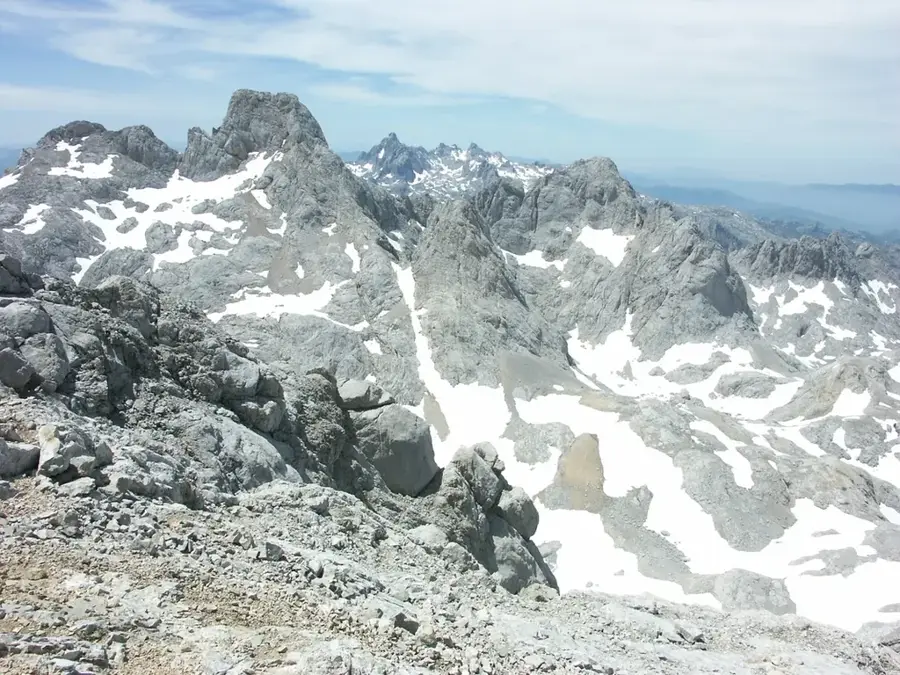
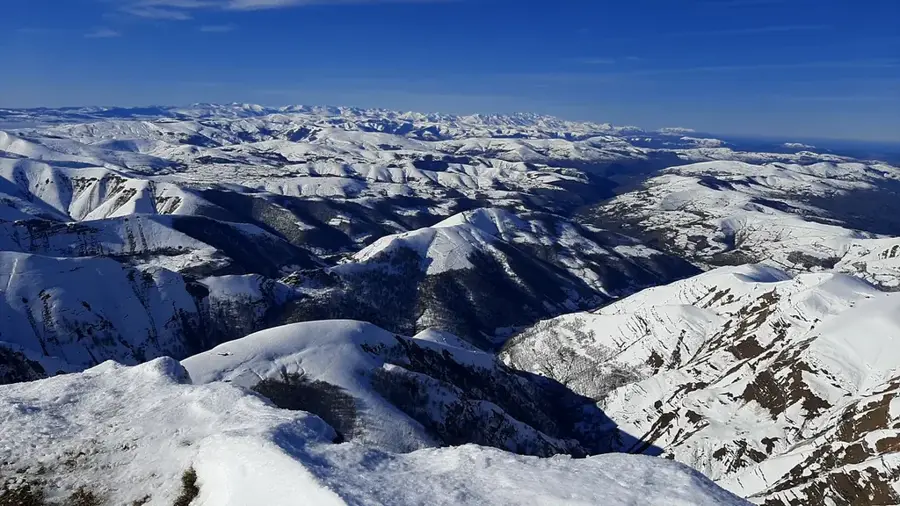
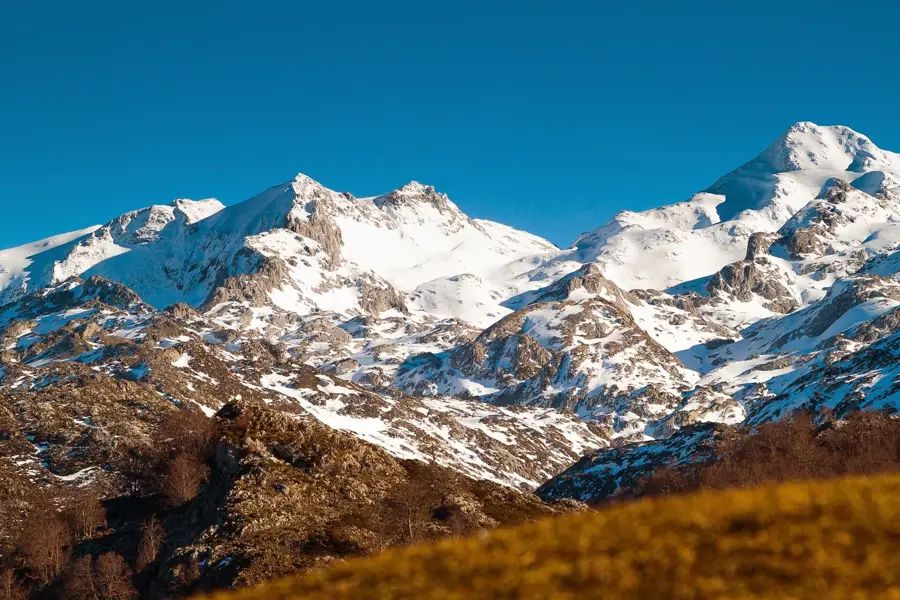
The Picos de Europa massif in northern Spain spans the regions of Asturias, Cantabria, and Castile and León, and is renowned for its deeply jagged, dramatic limestone peaks. It is the site of Spain's first national park, established in 1918, which is now recognized as a UNESCO Biosphere Reserve. The mountain range is characterized by intense topographical relief, featuring plunging gorges like the famous Cares Gorge that slice through the karst landscape. Proximity to the Bay of Biscay ensures a high level of precipitation, fostering dense broadleaf forests in the lower valleys while leaving the higher elevations exposed and rocky. The Picos de Europa serve as a crucial stronghold for some of Europe's most endangered wildlife, offering a secure habitat for the Cantabrian brown bear, the Iberian wolf, and the bearded vulture in its remote alpine environments.

Best time to visit & climate

The most pleasant time to visit is Jun–Aug.

JanFebMarAprMayJunJulAugSepOctNovDec
Avg °C1146914151613942
Rain mm816968665945293343849985

📋 Practical info

🧭
Getting there
The dramatic limestone peaks of the Cantabrian Mountains are typically accessible via small, steeply ascending mountain roads from coastal or inland villages.
📅
Best season
To optimally experience Spain's oldest national park, the summer months are best to avoid the frequent rain and heavy snow commonly found at higher altitudes.
⛰️
Terrain & paths
The area is heavily characterized by very steep, karstic terrain; hikers will frequently encounter deep crevices, narrow paths, and immense elevation changes.
🎒
What to bring
Due to the exceptionally rough rock structures, solid mountain boots are absolutely essential; hikers must also be prepared for rapid weather changes with proper layers.
🅿️
Parking
Organized large parking lots are available in the lower valleys, from where shuttle buses transport visitors to the most popular starting points during peak season.
⚠️
Safety
Unpredictable mountain weather and sudden dense fog can severely complicate orientation in the karst region; excellent map reading skills are highly beneficial.
⏱️
Time needed
A typical visit varies significantly from a leisurely half-day walk around the mountain lakes to highly demanding, multi-day climbing and trekking expeditions.

Geography

Coordinates
43.19000, -4.85000

Explore nearby

Notable places around
Route planner — Car & Motorhome

Where do you start? We build the route here, with stops and country notes along the way.

Vehicle
Only stops with (optional):

© OpenStreetMap contributors · OpenRouteService

Sights in the town Picos de Europa (3)

Pico Tesorero📍 landmark

Peak in the Picos de Europa where the borders of Cantabria, Asturias, and León meet.

Pico Madejuno📍 landmark

Rugged mountain peak in the central massif of the Picos de Europa.

Torre Peñalba📍 landmark

Rock formation in the limestone massif of the Picos de Europa.

Sights nearby

Frequently asked questions

What are the three massifs of the Picos?
The Western Massif (Cornión), Central Massif (Urrieles), and Eastern Massif (Ándara).
What is Naranjo de Bulnes?
Also known as Picu Urriellu, it is an iconic limestone peak and a symbol of Spanish mountaineering.
Where are the Covadonga Lakes located?
They are in the Western Massif in Asturias, reachable via a winding road from Cangas de Onís.
What is the Ruta del Cares?
A spectacular hiking trail through a deep gorge between Asturias and León, known as the 'Divine Gorge'.
Are there bears and wolves there?
Yes, they are part of the park's wildlife but are very shy and rarely seen by hikers.
Picos de Europa: where is it located?
Picos de Europa is located in Galicia, Spain.
Picos de Europa: what is there to see?
Highlights include Pico Tesorero, Pico Madejuno, Torre Peñalba.
Picos de Europa: when is the best time to visit?
The most pleasant time to visit is Jun, Aug.
Picos de Europa: why is it worth visiting?

The Picos de Europa massif in northern Spain spans the regions of Asturias, Cantabria, and Castile and León, and is renowned for its deeply jagged, dramatic limestone peaks.
View on map → The Top 50 Attractions → Most beautiful beaches → OpenStreetMap →
Europe
Explore with Plizio Discover more places in Europe
More places in Spain →

Nearby cities