Plizio Visual Lab

Cantabrian Mountains
Plizio editorial teamData Sources
Mountain
—°5
Cantabrian Mountains (Spain)

Weather…

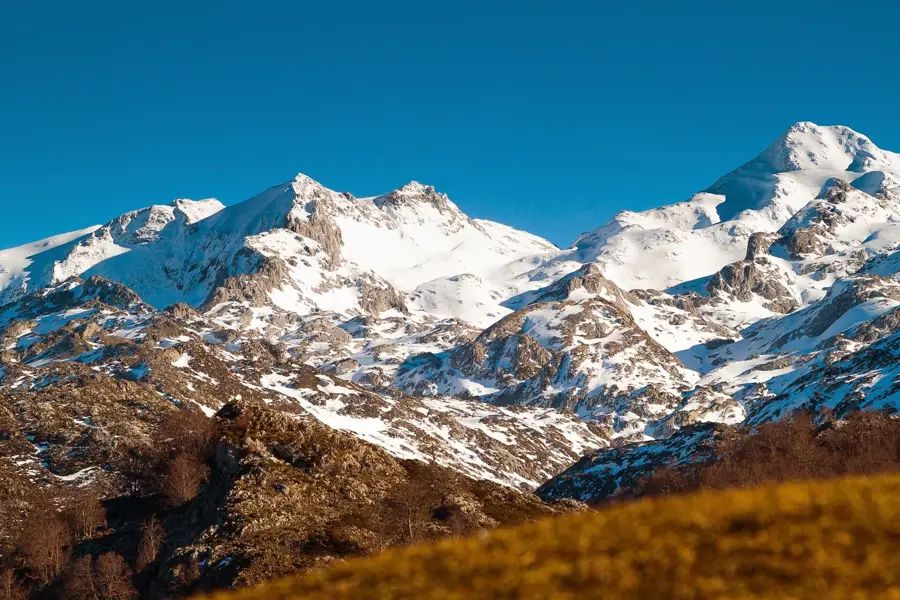
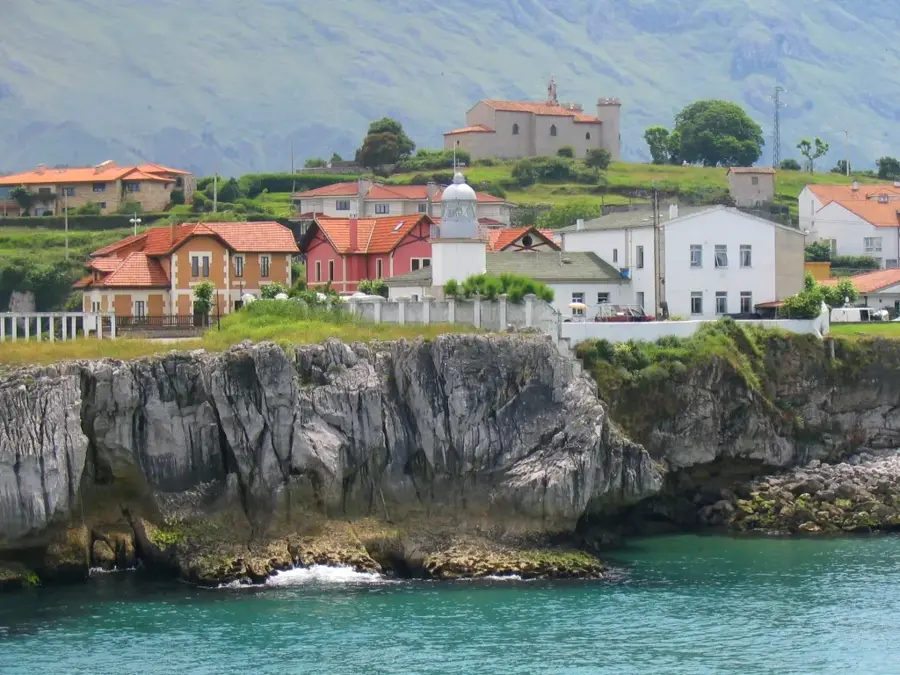
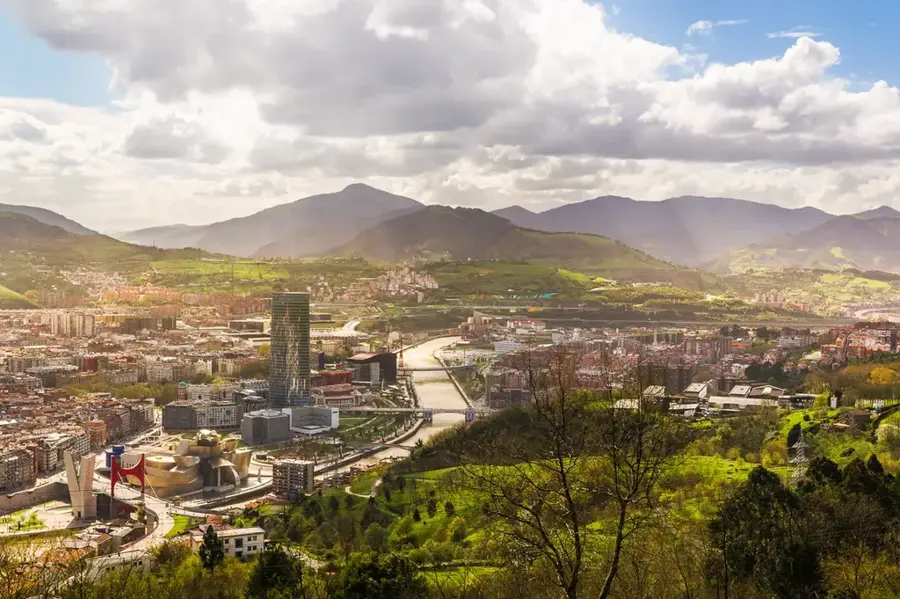
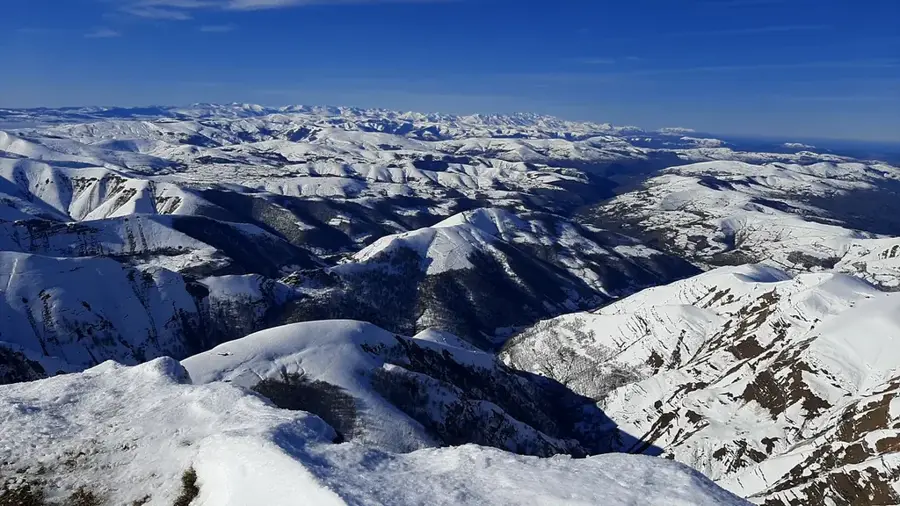
The Cantabrian Mountains run in an east-west direction parallel to the northern Spanish coast along the Bay of Biscay, acting as a spectacular weather divide for the climate of the entire region. Stretching for over 300 kilometers, the range extends from the westernmost foothills of the Pyrenees deep into the region of Galicia. The high mountain ridges force the humid Atlantic air masses to rise, causing abundant precipitation to discharge on the northern slopes. This creates the lush, green landscape known as "Green Spain", while the southern interior remains significantly drier. The heart and most prominent massif of the mountains are the Picos de Europa, which attract mountaineers from all over the world with their steeply towering, heavily karstified limestone peaks. At 2648 meters, Torre de Cerredo is the highest elevation in the entire mountain chain. Furthermore, the inaccessible and densely forested valleys provide one of the last secure refuges for endangered wildlife, such as the rare Cantabrian brown bear and the Iberian wolf.

Best time to visit & climate

The most pleasant time to visit is Jun–Aug.

JanFebMarAprMayJunJulAugSepOctNovDec
Avg °C1146914151613942
Rain mm816968665945293343849985

📋 Practical info

🧭
Getting there
The range is typically accessible from various northern Spanish cities like Oviedo and León. Numerous scenic mountain roads lead directly into the higher elevations.
📅
Best season
Late spring to early autumn is usually the best period for outdoor activities. Winters typically bring heavy snow, often making several mountain passes completely impassable.
⛰️
Terrain & paths
The landscape features steep limestone peaks, deep gorges, and high mountain pastures. Routes range from well-marked walking paths to challenging, steep alpine ascents.
🎒
What to bring
Layered clothing is strictly essential due to highly variable mountain weather. Reliable hiking footwear, windproof jackets, and proper navigation tools are recommended.
🅿️
Parking
Parking is generally found in mountain villages and designated trailheads. Space can frequently be limited in the most popular valleys during the summer months.
⚠️
Safety
Weather can change rapidly, with dense fog or sudden storms being relatively common. Caution is advised on steep terrain, and winter visits require alpine experience.
⏱️
Time needed
Visitors typically spend anywhere from a half-day scenic drive to a week or more trekking extensively through the various distinct mountain passes and deep valleys.

Geography

Coordinates
43.00000, -5.00000

Explore nearby

Notable places around
Route planner — Car & Motorhome

Where do you start? We build the route here, with stops and country notes along the way.

Vehicle
Only stops with (optional):

© OpenStreetMap contributors · OpenRouteService

Sights in the town Cantabrian Mountains (5)

Chozo de los Pastores🏛 museum

This museum in the Cantabrian Mountains showcases traditional shepherds' huts.

🕒 24/7🆓

El Silencio de las Campanas🏺 historical

A monument in the Cantabrian Mountains commemorating the cultural importance of bells.

Mirador de Valcayo🌿 nature

A viewpoint in the Cantabrian Mountains offering expansive views over the valleys.

Riaño📍 landmark

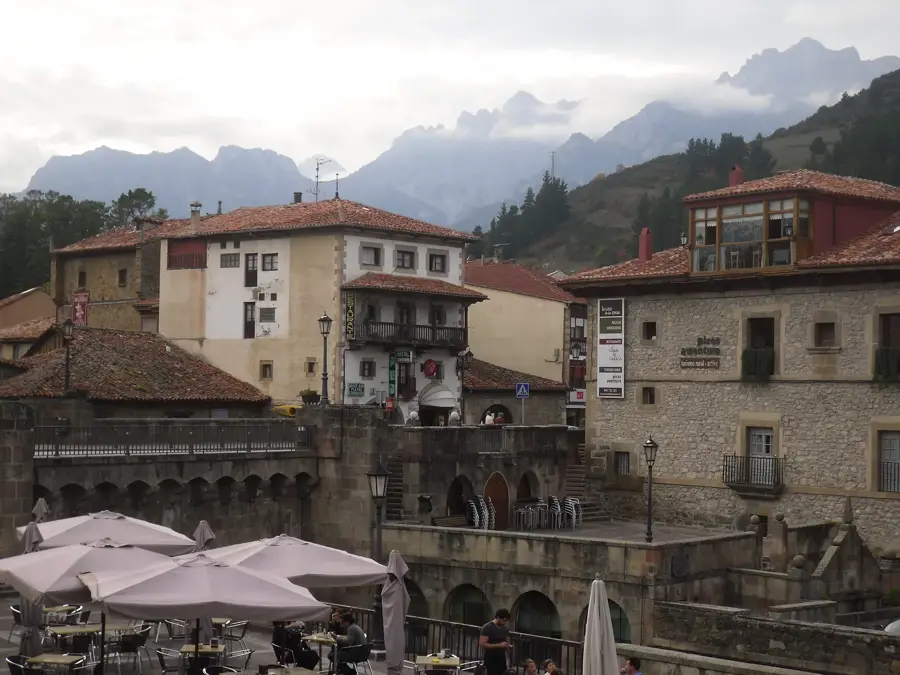
The village of Riaño is known for its location by the reservoir against the backdrop of the Cantabrian Mountains.

Mirador de Las Hazas🌿 nature

A popular viewpoint in Riaño offering spectacular views of the reservoir and the mountains.

Sights nearby

Frequently asked questions

Where are the Cantabrian Mountains located?
They stretch across northern Spain, parallel to the Cantabrian coast.
Which animals can be observed here?
It is one of the last refuges for the Cantabrian brown bear.
What is the chain's most famous national park?
The Picos de Europa National Park is the most famous part of the range.
Is the region very rainy?
Yes, it is part of 'Green Spain' with frequent rainfall.
Are there caves to visit?
Yes, the region is world-famous for caves like Altamira (nearby).
Cantabrian Mountains: where is it located?
Cantabrian Mountains is located in Galicia, Spain.
Cantabrian Mountains: what is there to see?
Highlights include Chozo de los Pastores, El Silencio de las Campanas, Mirador de Valcayo.
Cantabrian Mountains: when is the best time to visit?
The most pleasant time to visit is Jun, Aug.
Cantabrian Mountains: why is it worth visiting?

The Cantabrian Mountains run in an east-west direction parallel to the northern Spanish coast along the Bay of Biscay, acting as a spectacular weather divide for the climate of the entire region.
View on map → The Top 50 Attractions → Most beautiful beaches → OpenStreetMap →
Europe
Explore with Plizio Discover more places in Europe
More places in Spain →

Nearby cities