Plizio Visual Lab

Picos de Europa National Park
Plizio editorial teamData Sources
park
—°2
Picos de Europa National Park (Spain)

Weather…

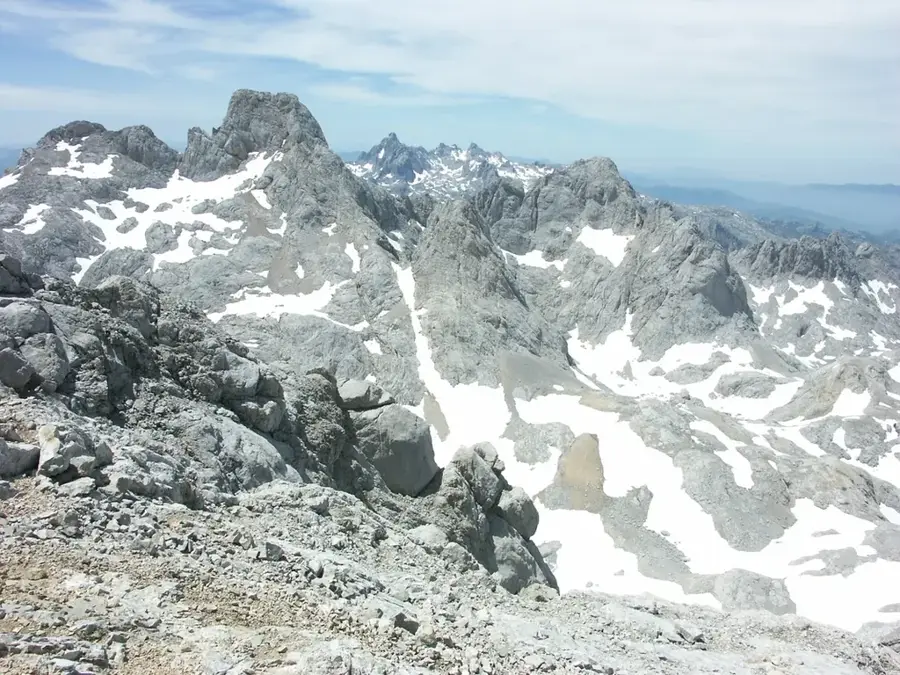
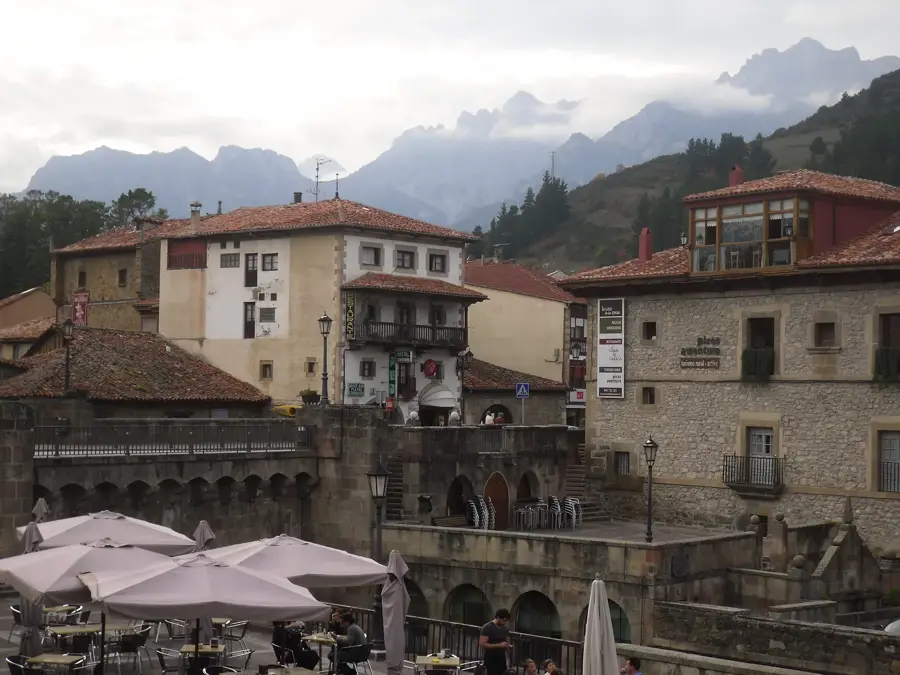
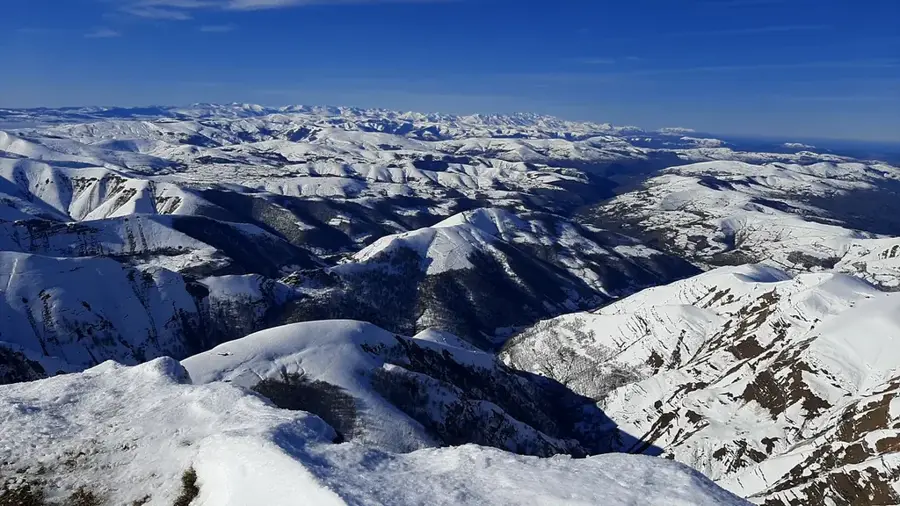
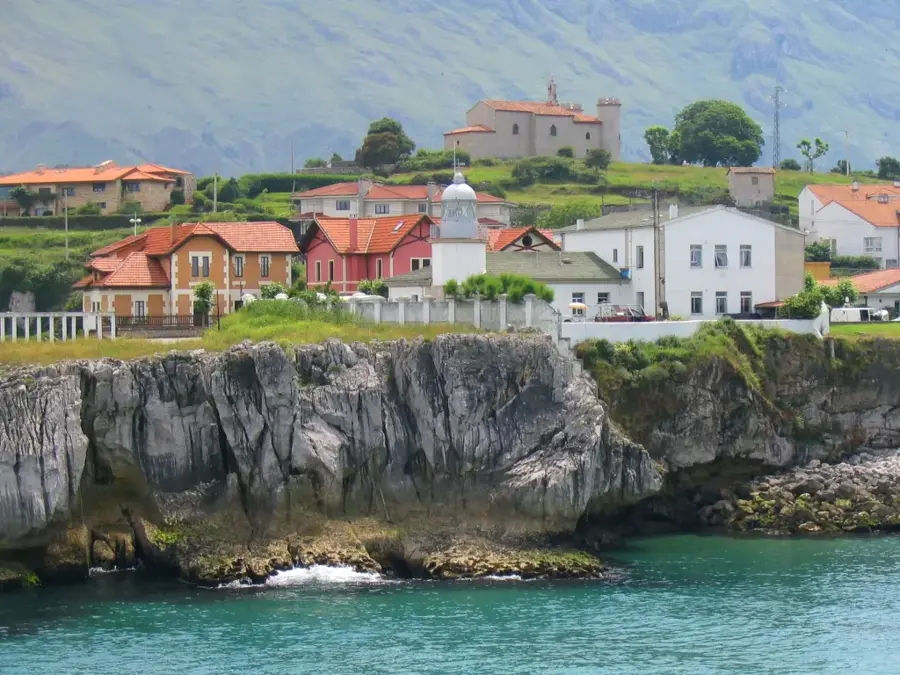
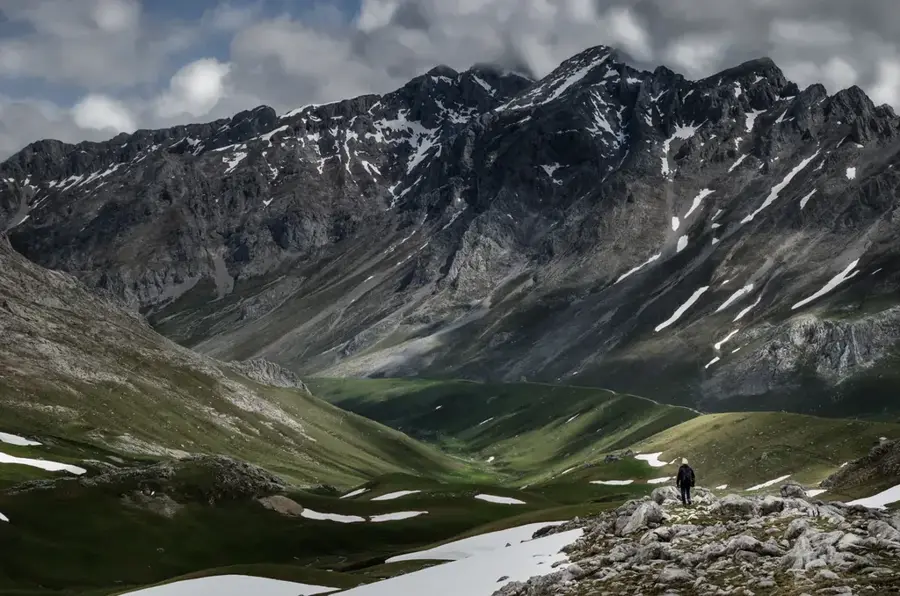
The Picos de Europa National Park, Spain's oldest national park, stretches majestically across the regions of Asturias, Cantabria, and Castile and León. This wide-open limestone massif is characterized by its extremely rugged topography, featuring dramatic gorges, deep cave systems, and jagged peaks that thrust abruptly into the sky. The impressive Cares Gorge, a deep fissure carved through the solid rock, ranks among the most spectacular natural wonders of the Iberian Peninsula. The region is not only a paradise for climbers and hikers but also a vital sanctuary for wildlife, harboring rare species such as the Cantabrian brown bear, the Iberian wolf, and the chamois. Pristine mountain villages still maintain centuries-old traditions here, such as maturing the famous local blue cheeses inside natural limestone caves.

Best time to visit & climate

The most pleasant time to visit is Jun–Aug.

JanFebMarAprMayJunJulAugSepOctNovDec
Avg °C1146914151613942
Rain mm816968665945293343849985

📋 Practical info

🧭
Getting there
The national park is accessible from three provinces, with narrow winding roads leading through deep green valleys to the central regional trailheads.
📅
Best season
The summer months are generally the best time to visit, as the damp Atlantic climate often brings heavy fog and significant precipitation during the rest of the year.
⛰️
Terrain & paths
The area is famous for its deep gorges and extremely rugged limestone peaks, offering both relatively easy valley paths and highly challenging steep ascents.
🎒
What to bring
Rain gear is highly indispensable due to the notoriously changeable weather, as are non-slip hiking boots for navigating the often damp, karstic rock trails.
🅿️
Parking
Visitors generally park in designated peripheral communities, as parking capacities deep within the gorge structures and higher mountain areas are strictly limited.
⚠️
Safety
Thick fog can be extremely dangerous in the limestone massifs and makes orientation difficult; leaving the established and marked trails is strongly discouraged.
⏱️
Time needed
A visit can range from a scenic multi-hour drive and short walk through the lower gorges to multi-day hiking expeditions moving between remote mountain refuges.

Geography

Coordinates
43.19510, -4.83610

Explore nearby

Notable places around
Route planner — Car & Motorhome

Where do you start? We build the route here, with stops and country notes along the way.

Vehicle
Only stops with (optional):

© OpenStreetMap contributors · OpenRouteService

Sights in the town Picos de Europa National Park (2)

Picu Urriellu📍 landmark

A famous limestone peak and a symbol of mountaineering in Spain.

Peña Vieja📍 landmark

One of the highest peaks of the Picos de Europa, located in the Central Massif.

Sights nearby

Frequently asked questions

In which regions is the national park located?
It spans across the regions of Asturias, Cantabria, and Castile and León.
What is the Naranjo de Bulnes?
An iconic limestone peak and a symbol of mountaineering in Spain.
Are there cable cars there?
Yes, the Fuente Dé cable car takes visitors to over 1,800 meters in just a few minutes.
What are the Lakes of Covadonga?
Two beautiful glacial lakes (Enol and Ercina), a major highlight of the park.
Can you see bears or wolves there?
Yes, they live there but are very shy and extremely difficult for tourists to spot.
Picos de Europa National Park: where is it located?
Picos de Europa National Park is located in Galicia, Spain.
Picos de Europa National Park: what is there to see?
Highlights include Picu Urriellu, Peña Vieja.
Picos de Europa National Park: when is the best time to visit?
The most pleasant time to visit is Jun, Aug.
Picos de Europa National Park: why is it worth visiting?

The Picos de Europa National Park, Spain's oldest national park, stretches majestically across the regions of Asturias, Cantabria, and Castile and León.
View on map → The Top 50 Attractions → Most beautiful beaches → OpenStreetMap →
Europe
Explore with Plizio Discover more places in Europe
More places in Spain →

Nearby cities