Plizio Visual Lab
Italica
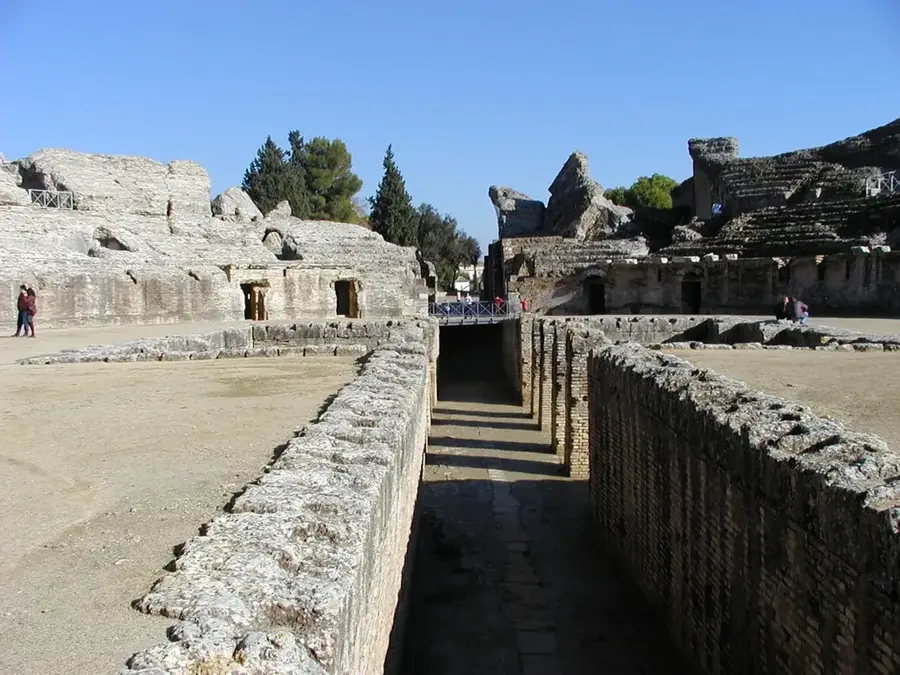
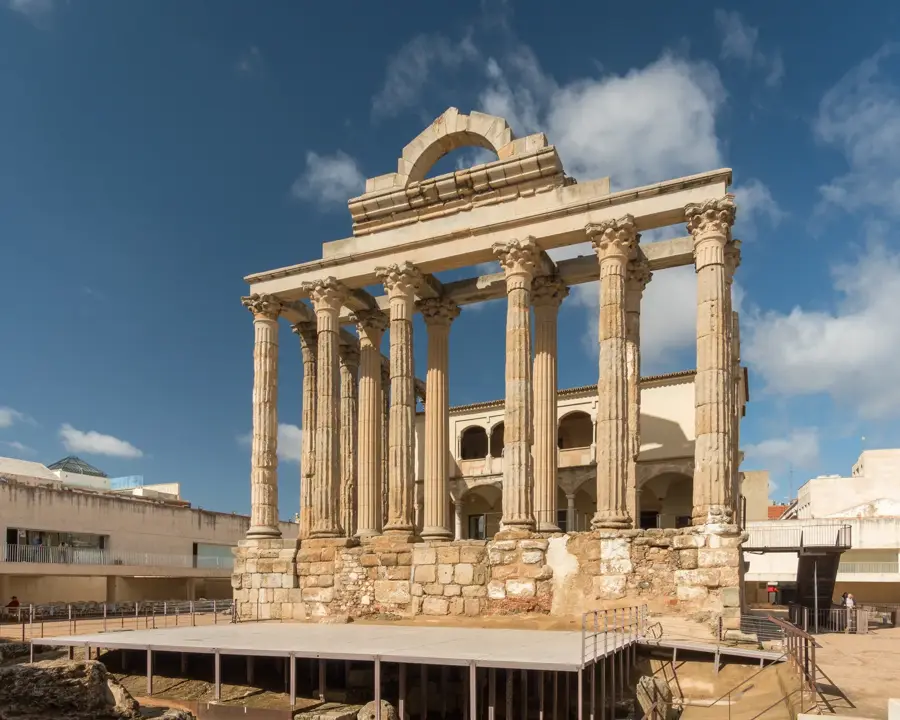
Italica, situated just a few kilometers outside modern Seville, was founded in 206 BC by Publius Cornelius Scipio following the Battle of Ilipa, making it the very first Roman settlement on the Iberian Peninsula. The city reached its absolute zenith during the second century AD as the birthplace of two highly influential Roman emperors, Trajan and Hadrian. Emperor Hadrian in particular funded a massive civic expansion known as the Nova Urbs, which featured wide paved grid streets, an advanced aqueduct system, and a gigantic amphitheater. This massive oval arena, ranking as the third largest in the entire Roman Empire, could accommodate an impressive 25,000 spectators and vividly illustrates the city's monumental status. Among the extensive ruins of the aristocratic villas, such as the House of the Birds or the House of the Planetarium, highly detailed and colorful mosaic floors have survived to this day, standing as enduring testaments to the immense wealth of the local olive oil and grain merchants.
- Location: Galicia, Spain
- Top sights: Edificio de la Exedra · Anfiteatro de Italica · Edificio del mosaico Neptuno
- Nearby: Gines (7 km)
Best time to visit & climate
The most pleasant time to visit is May, Jun, Sep.
| Jan | Feb | Mar | Apr | May | Jun | Jul | Aug | Sep | Oct | Nov | Dec | |
|---|---|---|---|---|---|---|---|---|---|---|---|---|
| Avg °C | 9 | 10 | 13 | 16 | 20 | 25 | 29 | 29 | 24 | 19 | 13 | 10 |
| Rain mm | 48 | 49 | 58 | 53 | 28 | 5 | 1 | 3 | 24 | 71 | 71 | 57 |
📋 Practical info
Geography
Explore nearby
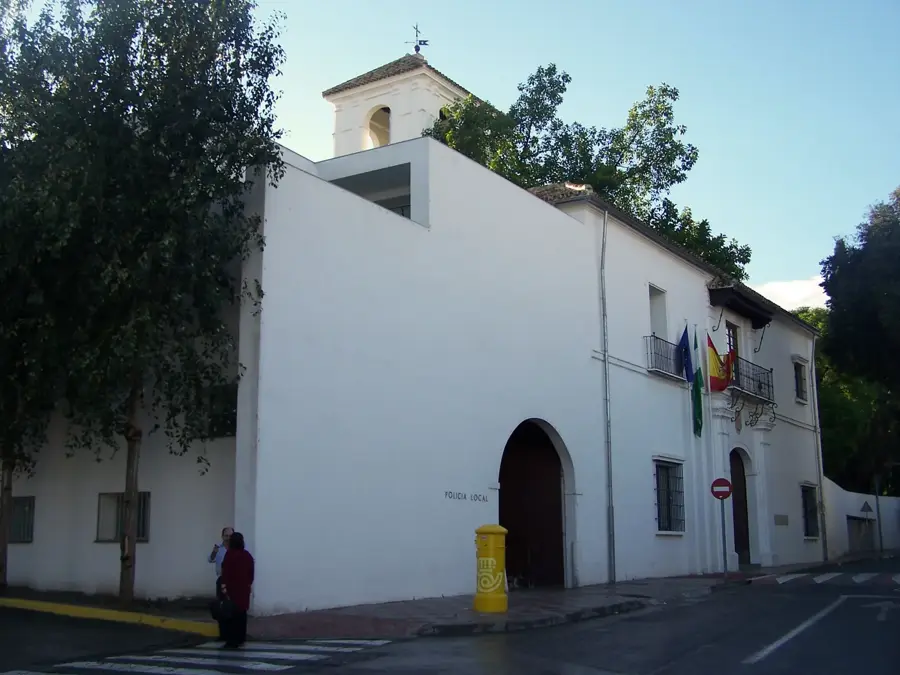
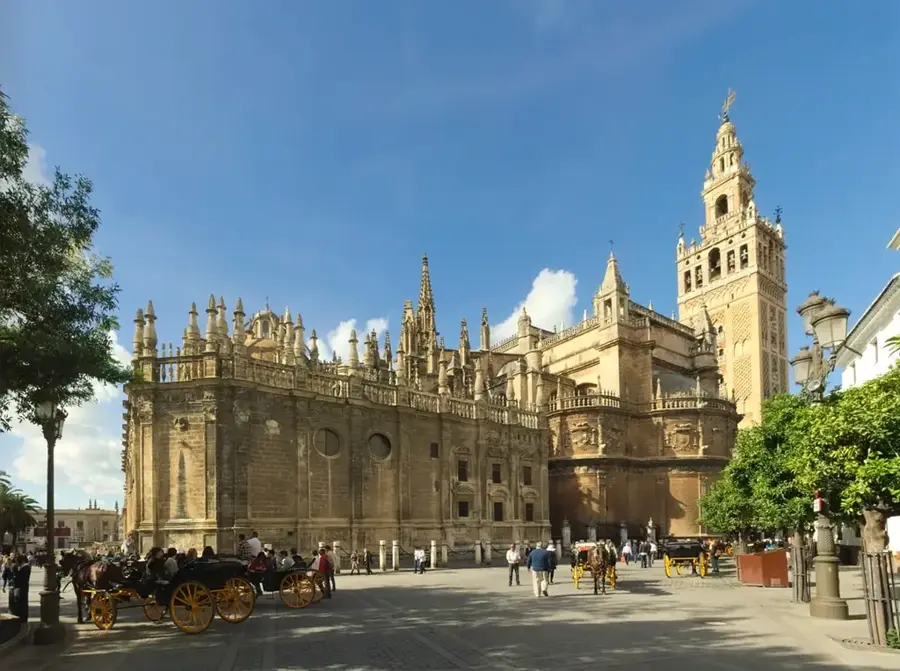
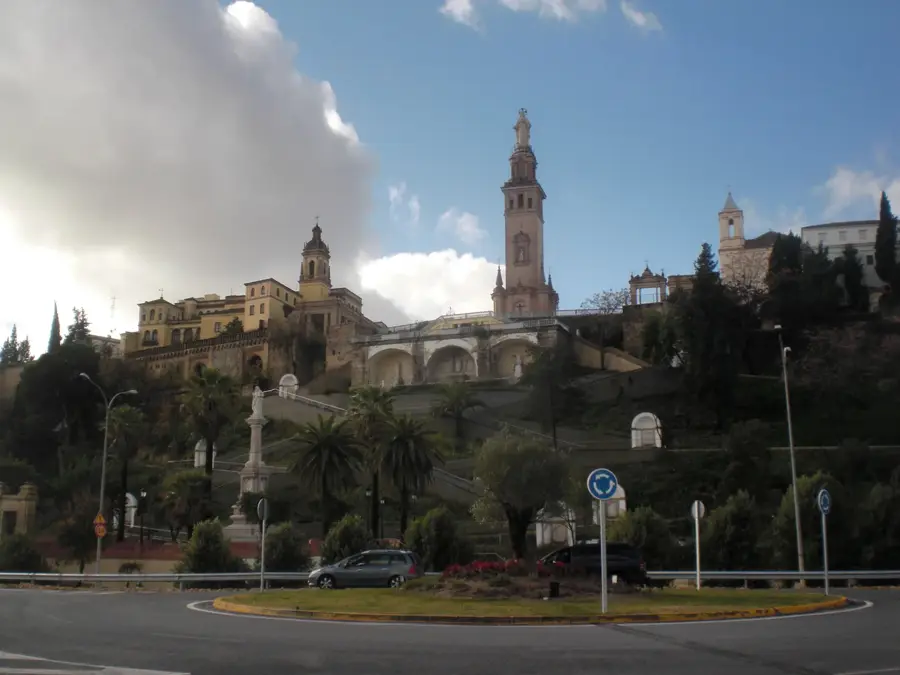
Notable places around
Route planner — Car & Motorhome
Where do you start? We build the route here, with stops and country notes along the way.
© OpenStreetMap contributors · OpenRouteService
Sights in the town Italica (10)
Casa de Patio Rodio
Remains of a Roman house with an inner courtyard, typical of the architecture of Colonia Aelia Augusta Italica.
Casa de la Cañada Honda
Archaeological site with remains of a Roman house, part of the excavated residential quarters of Italica.
Templo de Trajano
Temple dedicated to Trajan, located in the centre of a large porticoed square decorated with statues.
Museo Municipal Fernando Marmolejo🏛 museum
Municipal museum in Santiponce displaying finds from the Roman city of Italica.
Mirador del Teatro Romano
Viewpoint overlooking the ruins of the Roman theatre of Italica and the surrounding landscape.
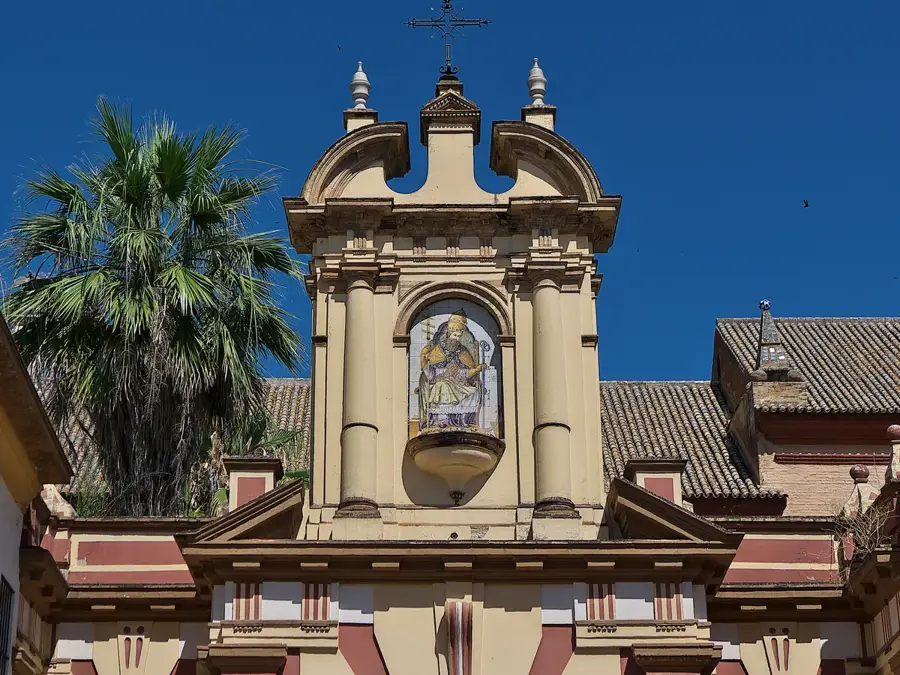
Monasterio de San Isidoro del Campo
Former monastery in Santiponce, Spain, founded in the 14th century, featuring Gothic and Mudéjar architecture.
Sights nearby
Frequently asked questions
Which Roman emperors were born in Italica?
Was Game of Thrones filmed here?
How far is Italica from Seville?
Are there well-preserved mosaics?
Is there parking on site?
Italica: where is it located?
Italica: what is there to see?
Italica: when is the best time to visit?
Italica: why is it worth visiting?

Nearby cities
History & landmarks