Plizio Visual Lab

Guadalquivir Basin

Plizio editorial teamData Sources
valley
—°210
Guadalquivir Basin (Spain)

Weather…

Highlights of 2026

2

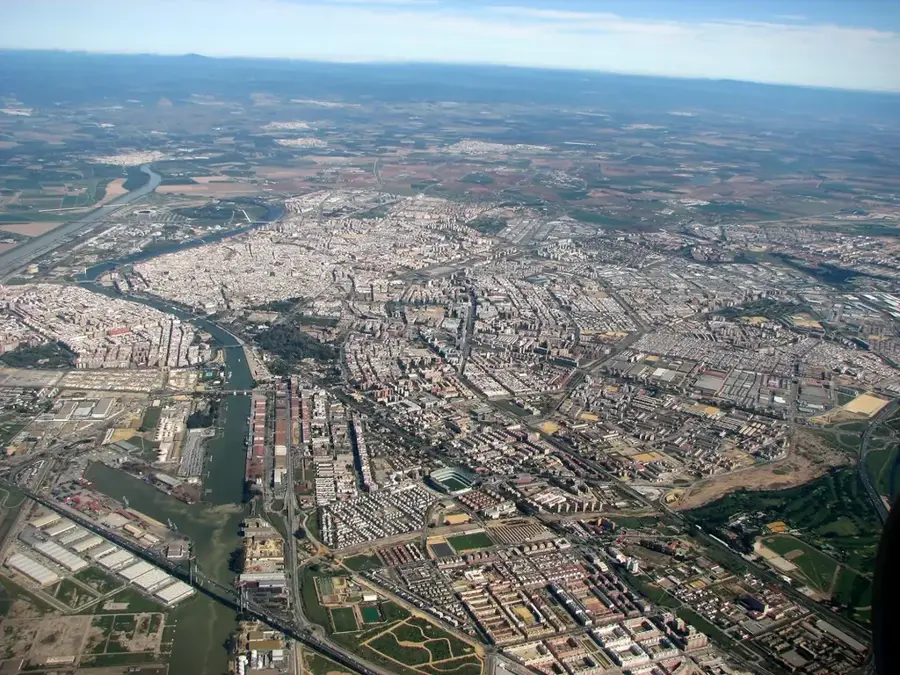
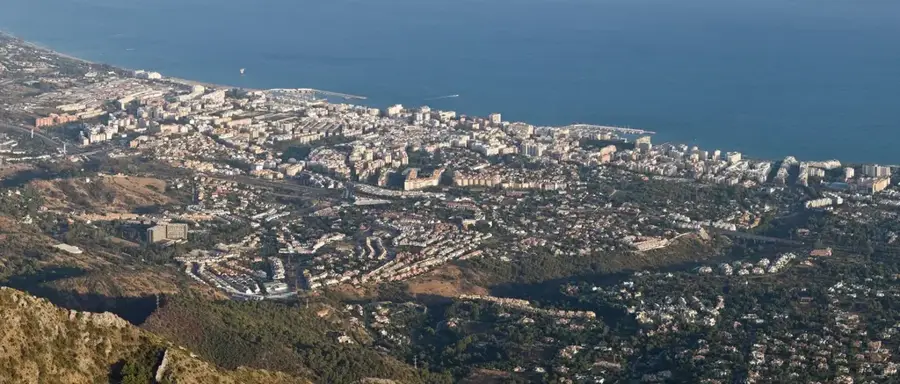
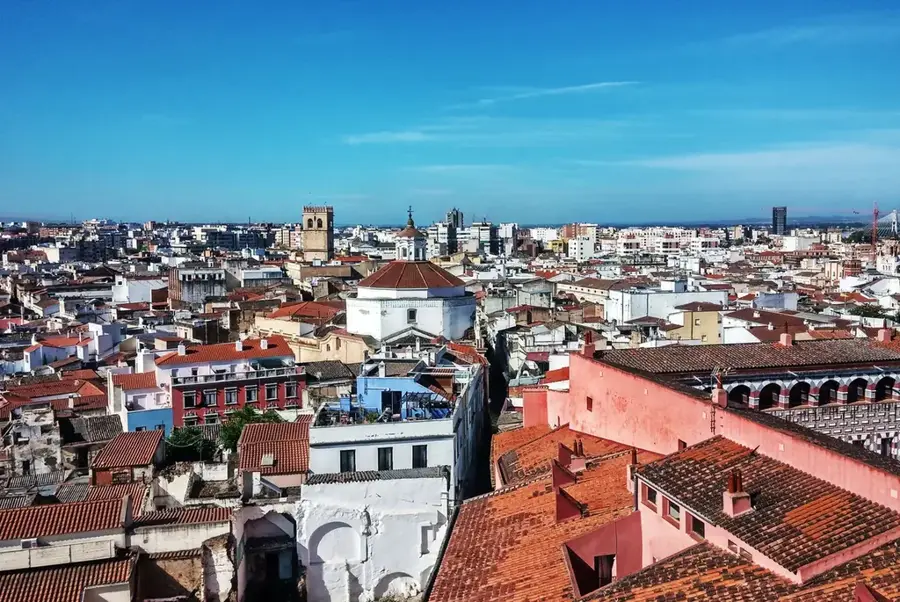
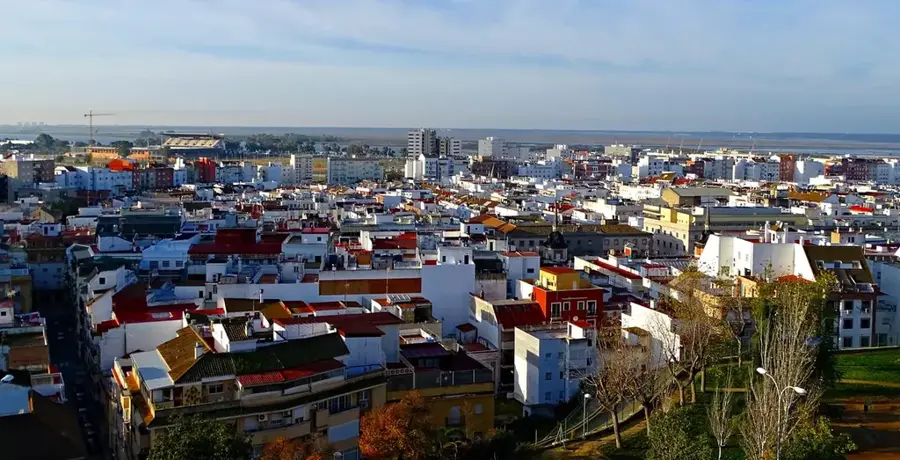
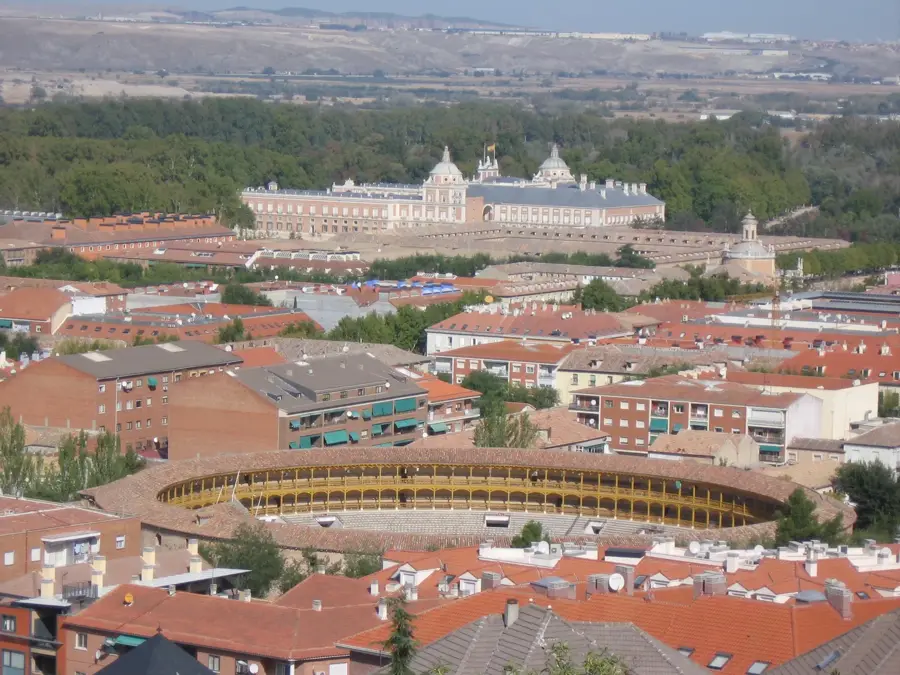
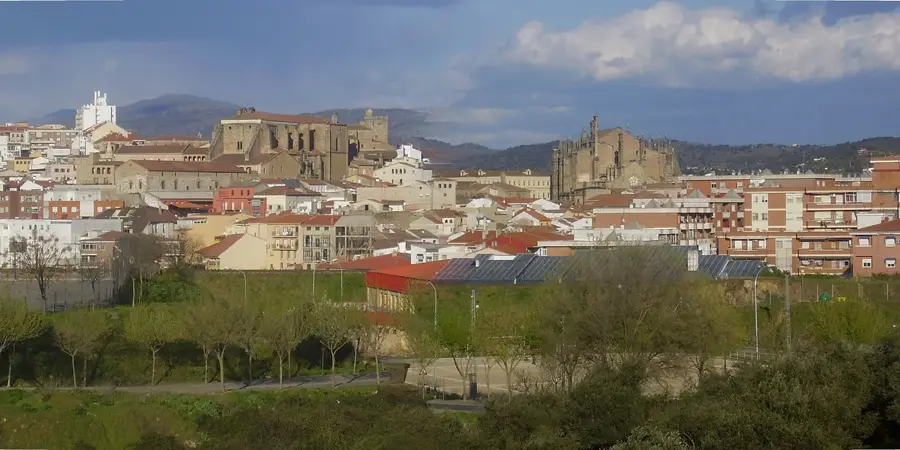
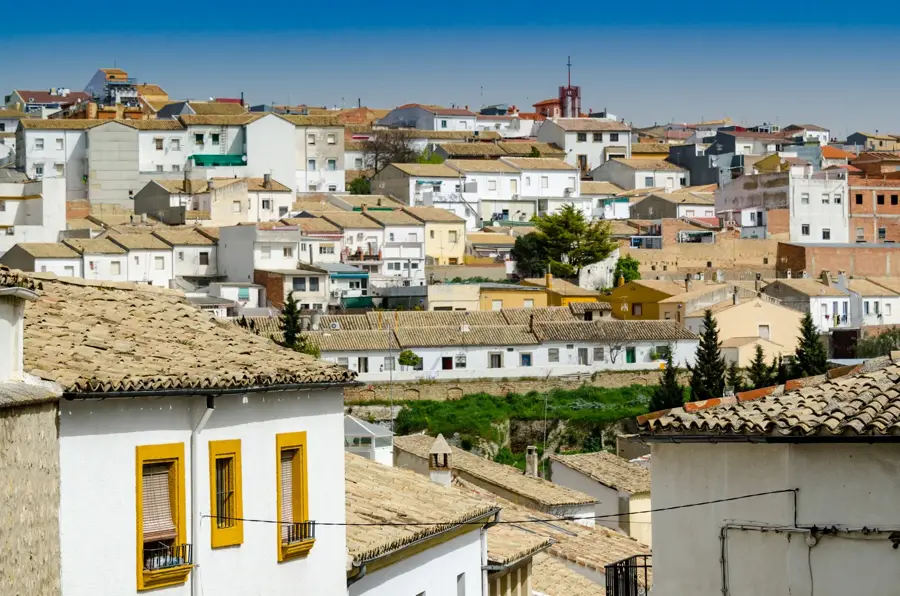
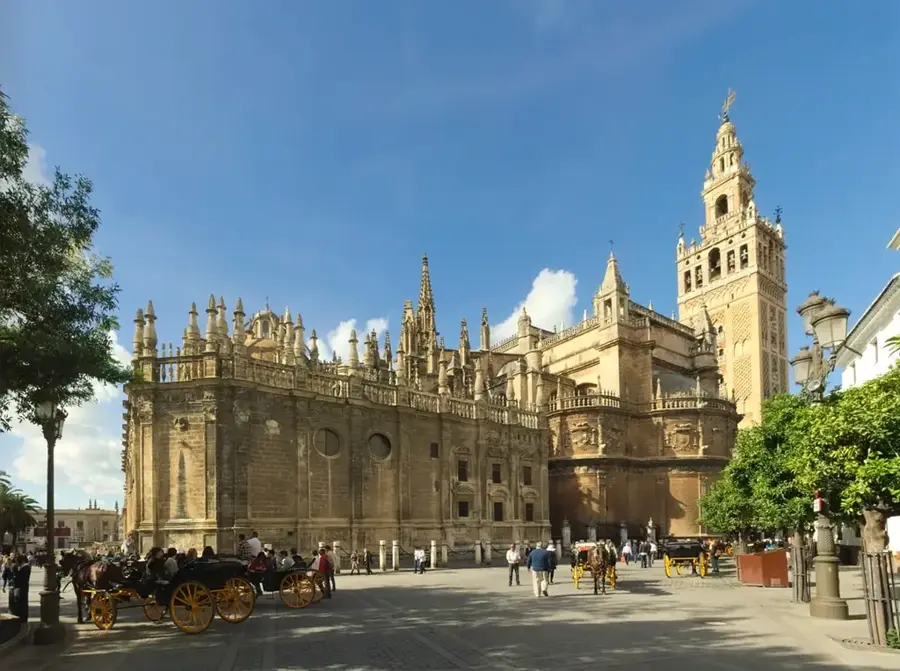
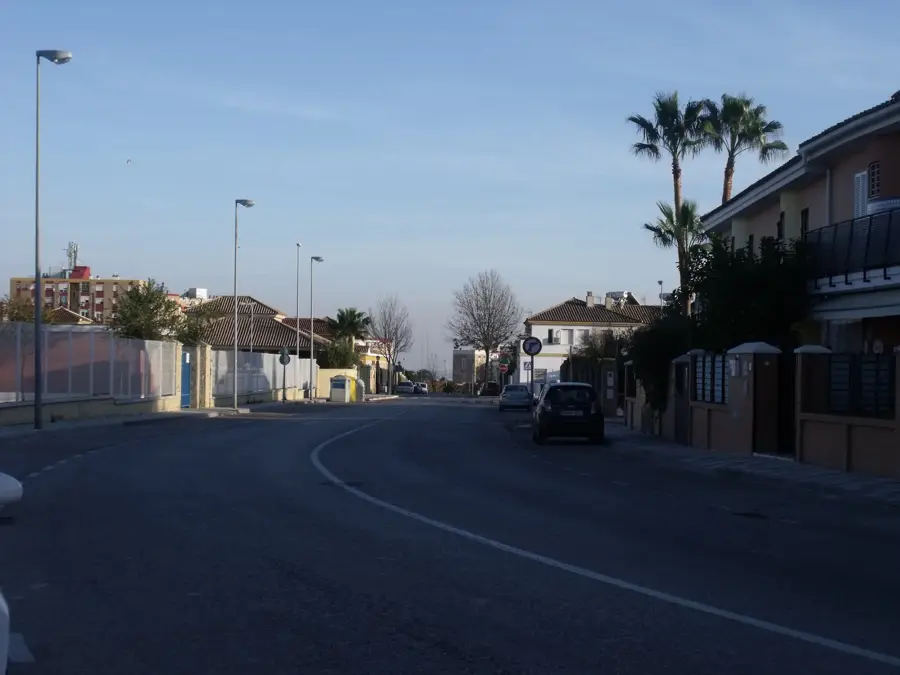
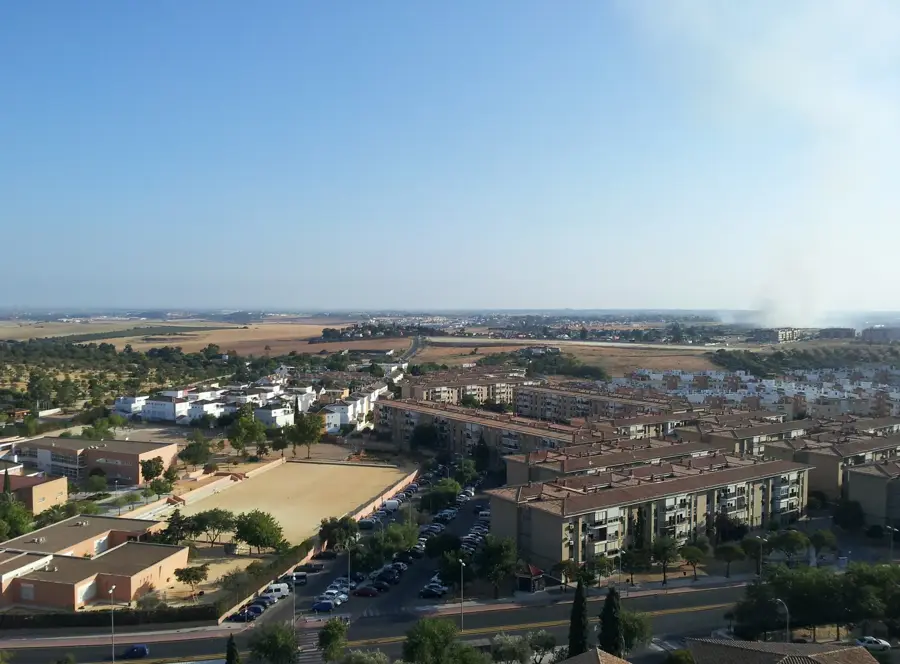
The Guadalquivir Basin is a vast, extremely fertile lowland plain in the southwest of the Iberian Peninsula, geologically representing one of Spain's youngest major landscapes. Bounded by the ancient Sierra Morena to the north and the Alpine-folded Baetic System to the south and east, the valley opens widely like a funnel towards the Atlantic Ocean. During the late Tertiary period, this depression was actually a broad arm of the sea, which only gradually transformed into a flat alluvial plain due to land uplift and the massive deposition of river sediments. The Guadalquivir River, which gives the basin its name, flows through the entire length of the region and forms the hydrological lifeline for agriculture, supporting crops like olives, cotton, and cereals. At the river's estuary on the Atlantic coast lies the Doñana National Park, a vast system of marshes and sand dunes that serves as a critical resting stop for millions of European migratory birds.

Best time to visit & climate

The most pleasant time to visit is May, Jun, Sep.

JanFebMarAprMayJunJulAugSepOctNovDec
Avg °C91013162025292924191310
Rain mm484958532851324717157

📋 Practical info

🧭
Getting there
The area is generally accessible via a well-developed road network connecting major Andalusian cities like Seville. The overarching terrain is largely flat and easy to traverse.
📅
Best season
Spring is widely considered the best time to visit before the extreme heat arrives. Autumn is also very pleasant, while summers are famously scorching throughout the valley.
⛰️
Terrain & paths
The landscape features expansive plains, fertile agricultural lands, and long riverbanks. The paths are generally very easy, highly suitable for casual walking and cycling.
🎒
What to bring
Lightweight, breathable clothing and strong sun protection are essential for most of the year. Always carry plenty of water when venturing anywhere outside the urban areas.
🅿️
Parking
Parking is typically available in towns and near major points of interest along the river. Rural parking is usually quite informal but generally accessible without major issues.
⚠️
Safety
Extreme summer temperatures pose the most significant risk; actively avoid strenuous activity during midday hours. Stay strictly on established paths in agricultural zones.
⏱️
Time needed
Visitors often spend a half-day at specific natural or historical sites, though a comprehensive tour of the wider valley region easily spans multiple days of exploration.

Geography

Coordinates
37.40000, -6.00000

Explore nearby

Notable places around

Route planner — Car & Motorhome

Where do you start? We build the route here, with stops and country notes along the way.

Vehicle
Only stops with (optional):

© OpenStreetMap contributors · OpenRouteService

Sights in the town Guadalquivir Basin (10)

Plaza San Antonio de Padua🌳 park

Square with green areas, named after Saint Anthony of Padua.

Palacio de santa coloma

Historic palace, an attraction for its architecture and history.

Auditorio Rocio Jurado

Open-air arena in Seville, Spain, used for concerts and events.

"Siin título"

Abstract monument with no known inscription or dedication.

Jardines del Guadalquivir🌳 park

Garden along the Guadalquivir river, with walking paths.

Convento de Santa Ana

Former convent, now partly open for cultural use.

Torre de Don Fadrique

Medieval tower in Seville, Spain, protected as a cultural property.

Sala Exposición Santa Clara🏛 museum

Exhibition hall in a former convent, hosting temporary art shows.

Basílica del Gran Poder

Minor basilica in Seville, Spain, known for its statue of Jesus.

Real Monasterio de San Clemente

Royal monastery in Seville, Spain, a cultural heritage site.

Sights nearby

Frequently asked questions

In which region is the Guadalquivir Basin located?
It is located in southwestern Spain, mainly in Andalusia.
What are the most important cities in the basin?
Seville and Córdoba are the most significant urban centers.
Is the region agriculturally significant?
Very, it is famous for olive groves, cereals, and cotton.
What is the terrain like?
It is a wide, flat lowland, open toward the Atlantic Ocean.
Are there wetlands there?
Yes, the Doñana National Park at the mouth is a major wetland.
Guadalquivir Basin: where is it located?
Guadalquivir Basin is located in Galicia, Spain.
Guadalquivir Basin: what is there to see?
Highlights include Plaza San Antonio de Padua, Palacio de santa coloma, Auditorio Rocio Jurado.
Guadalquivir Basin: when is the best time to visit?
The most pleasant time to visit is May, Jun, Sep.
Guadalquivir Basin: why is it worth visiting?
The Guadalquivir Basin is a vast, extremely fertile lowland plain in the southwest of the Iberian Peninsula, geologically representing one of Spain's youngest major landscapes.
View on map → The Top 50 Attractions → Most beautiful beaches → OpenStreetMap →
Europe
Explore with Plizio Discover more places in Europe
More places in Spain →

Nearby cities

History & landmarks