Fiestas de San Roque
In mid-August Calatayud celebrates its main festival San Roque, of regional tourist interest and run by the peñas, with white-clad revellers, concerts and the night-time pilgrimage to the hermitage.
PlizioGo
Traditional Aragonese roast lamb, best enjoyed in a classic 'asador' in the historic center.
A historical conger eel dish unique to this inland town, available in local taverns.
Rich red wines made from old-vine Garnacha grapes.
Candied fruits covered in chocolate, a first-rate sweet souvenir available in local confectioneries.
Visit wine shops in the center to buy excellent local Garnacha wines.
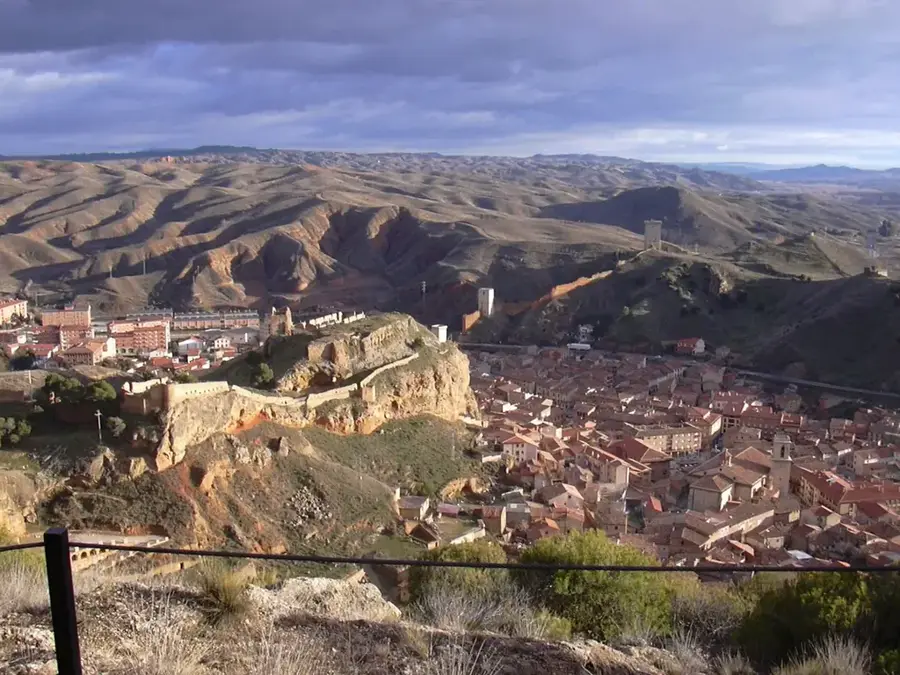
The ruins of this ancient fortress provide a peaceful spot with sweeping views over the city.
A relaxed green space near the center, convenient for a short rest.
Water temperature…
In mid-August Calatayud celebrates its main festival San Roque, of regional tourist interest and run by the peñas, with white-clad revellers, concerts and the night-time pilgrimage to the hermitage.
In June Calatayud re-enacts the 1120 reconquest of the town by King Alfonso I through Las Alfonsadas, with a large medieval market, knightly tournaments and performances in the old town.
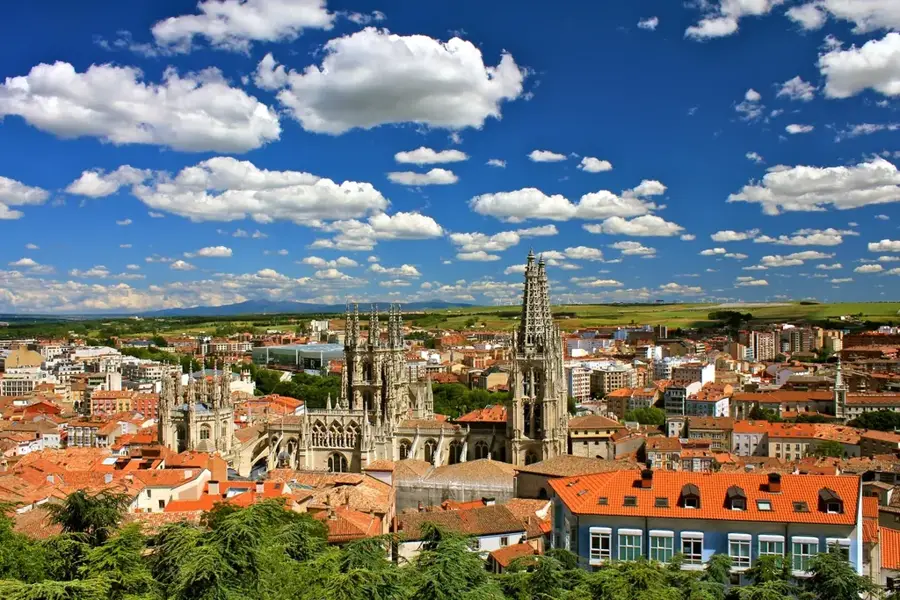
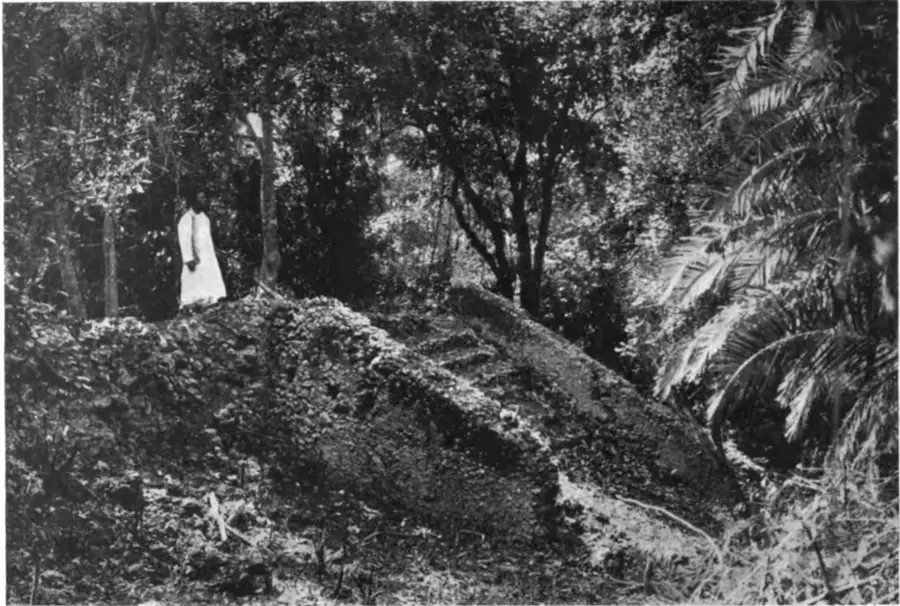
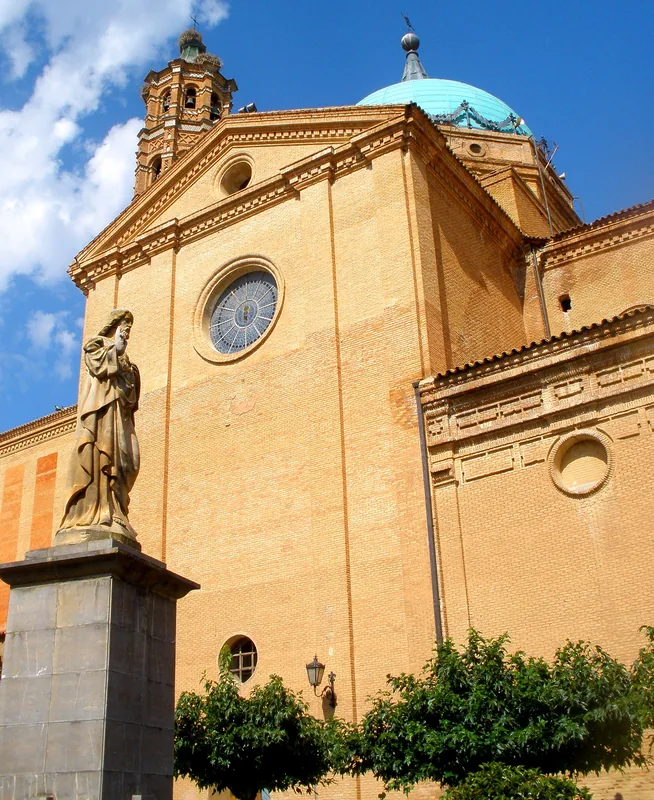
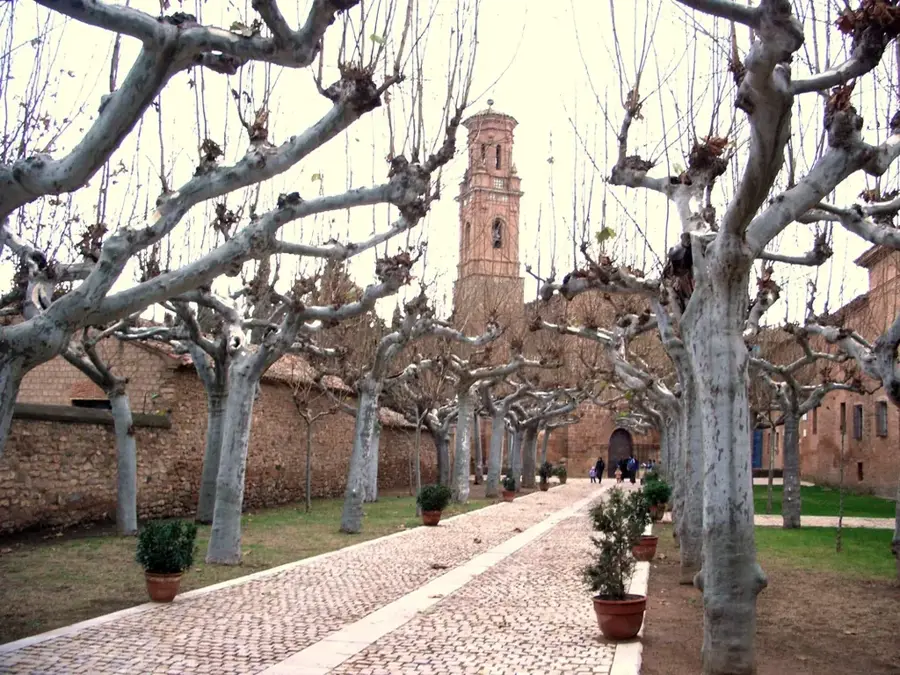
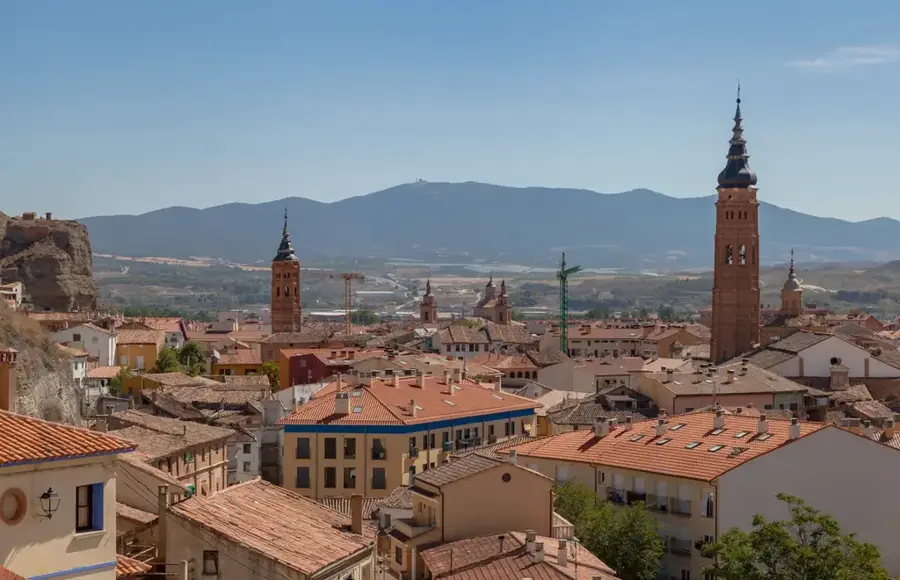
Calatayud is a historic city in the province of Zaragoza, Aragon, situated in the fertile valley of the Jalón River. The city was founded in the 8th century by the Moors near the ruins of the ancient Roman city of Bilbilis, deriving its name 'Bilaat Ayyub' from its founder, Ayyub ibn Habib al-Lakhmi. Calatayud is world-renowned for its Mudejar architecture, which is part of a UNESCO World Heritage site, best exemplified by the Colegiata de Santa María la Mayor and its striking octagonal brick tower. Overlooking the town is an extensive defensive complex consisting of five interconnected castles, with the Castillo de Ayud being the most significant. The medieval Jewish quarter and the labyrinthine streets of the old town reflect centuries of multicultural coexistence. The area surrounding Calatayud is home to several historic thermal spas that date back to Roman times. The city is also a vital center for wine production (DO Calatayud), particularly famous for high-quality wines made from Garnacha grapes. Today, Calatayud is a key transport node on the AVE high-speed rail line, making it a major cultural tourism destination in Aragon.
The most pleasant time to visit is Jun, Aug, Sep.
| Jan | Feb | Mar | Apr | May | Jun | Jul | Aug | Sep | Oct | Nov | Dec | |
|---|---|---|---|---|---|---|---|---|---|---|---|---|
| Avg °C | 5 | 6 | 9 | 12 | 16 | 21 | 24 | 24 | 19 | 15 | 9 | 6 |
| Rain mm | 25 | 22 | 34 | 44 | 43 | 35 | 18 | 17 | 27 | 38 | 37 | 19 |
Notable places around
Where do you start? We build the route here, with stops and country notes along the way.
© OpenStreetMap contributors · OpenRouteService
Your day begins in the bustling Plaza de España, the heart of Calatayud. The morning is dedicated to exploring the city's rich Mudéjar heritage, visiting the magnificent collegiate churches. At noon, you'll ascend to the Puerta de Terrer before tackling the formidable Castle of Ayub for panoramic views. The afternoon is a journey back in time to the Roman ruins of Bilbilis, ending with a quiet stroll through ancient history.
Start the day under the arches of Plaza de España, which provide excellent shelter from the rain. Spend the morning exploring the interiors of Santa María and the Holy Sepulchre, where the Mudéjar brickwork glows in the soft light. At midday, navigate the narrow streets of the old Jewish quarter towards San Pedro Church. The rain deepens the red hues of the historic buildings, creating a quiet and reflective atmosphere in the city center. In the afternoon, head up to the Castle of Ayub. While the fortifications offer little cover, the view of the misty Jalón Valley is unique. Sturdy boots are essential for the damp and potentially slippery paths. End the day at the ruins of Bilbilis. As the site is completely exposed, keep the visit brief and focus on the Roman forum area before the mud and fading light make walking difficult.
Winter mornings in Calatayud are often frosty. Start with a hot coffee at Plaza de España before visiting Santa María, where the Mudéjar-Gothic brickwork glows warmly in the low winter sun. At midday, explore the historic center. The air is crisp and clear, and the massive church walls offer a wind-sheltered space for contemplation. Try local specialties like Ternasco (lamb) to warm up for the afternoon. In the early afternoon, hike up to the Castle of Ayub. The trails are usually dry in winter, but the wind on the ridge can be biting. On clear days, the views of the distant snow-capped peaks are unforgettable. Wrap up the tour at the ruins of Bilbilis before sunset. As the sun dips behind the hills around 5:30 PM, enjoy the archaeological site in the golden hour light before the nighttime chill sets in.
Start your cycling tour from Plaza de España, then pedal to the city's key historic sites. The morning is a mix of cycling and exploring the Mudéjar churches. After a challenging but rewarding climb to the Castle of Ayub, the afternoon holds a longer ride out to the Roman ruins of Bilbilis. Your tour concludes with a visit to the beautiful Church of San Andrés, offering a final glimpse into Calatayud's rich heritage.
Cycling in the rain in Calatayud requires focus on the slippery cobblestones of the old town. Start at Plaza de España and use the short distances between Mudéjar churches to quickly find cover during showers. At midday, the route passes through Puerta de Terrer. Surface spray makes the climb to the Castle of Ayub more strenuous. The inclines require good tire traction and careful braking on the wet ground. The most challenging part is the ride to the ruins of Bilbilis. The path outside the city can be muddy, turning the 4 km stretch into a real physical test. The view of the grey, misty valley is a rewarding sight. Back in the city, end the tour at San Andrés Church. Mudguards and reliable brakes are essential today to ensure a safe return to the city center after visiting the archaeological site.
Cycling in winter in Calatayud is defined by dry but cuttingly cold air. Start at Plaza de España and keep moving to maintain your body heat against the morning frost. At midday, ride past Puerta de Terrer towards the major churches. The clear winter air makes the Mudéjar brick towers stand out sharply against the blue sky. A thermos of hot tea is a great companion for the ride. The climb to the Castle of Ayub will warm you up, but the wind at the top will cool you down instantly. Windproof gear is essential. The views over the Jalón Valley are often clearer in winter than in summer. Finish with the 4 km ride to the ruins of Bilbilis. Since the sun sets early, start your return trip by 5:00 PM to avoid the freezing dusk. San Andrés Church marks the end of a refreshing winter cycling tour.
Use your car to reach the more distant sights first. The day begins with a journey to the Roman past at Bilbilis. Afterwards, you'll drive to the highest point of the city, the Castle of Ayub, for stunning views. In the afternoon, park in the center and immerse yourself in the heart of Calatayud, strolling the streets and admiring the Mudéjar heritage with a visit to the Collegiate Church of Santa María, followed by a leisurely lunch.
A rainy day in Calatayud is best handled by car. Start directly at the Bilbilis parking lot. While it rains outside, you can enjoy the drive to the ruins and step out only for short explorations of the forum area. At midday, drive back to the city to the Castle Parking Area. From there, it is just a quick, wet dash to the fortress walls. The car provides a warm and dry sanctuary between site visits. In the afternoon, park in the central parking garage. This allows you to reach Santa María Church with minimal exposure to the rain. Inside, you can study the Mudéjar details at leisure while the rain drums against the old windows. End the day comfortably in the city center. Your car remains safe in the garage while you enjoy dinner at one of the restaurants near Plaza de España.
Winter days in Calatayud can be frosty, making your car the perfect mobile heater. Start early at the Bilbilis parking lot. The crisp winter air offers fantastic visibility over the ruins, and you can warm up in the car between photo stops. At midday, drive to the Castle Parking Area. The low winter sun bathes the Castle of Ayub in golden light. The short walks from the car to the viewpoints make the winter visit enjoyable even when the wind is biting. In the afternoon, the central parking garage provides protection from the cold. From there, you can reach Santa María Church in just a few minutes. The magnificent Mudéjar architecture is best enjoyed in the calm interior. The tour ends as the sun dips behind the hills early. Thanks to the car, you remain flexible and can head back as soon as the temperature drops rapidly after sunset.