Plizio Visual Lab

Ebro River
Plizio editorial teamData Sources
River
—°7
Ebro River (Spain)

Weather…

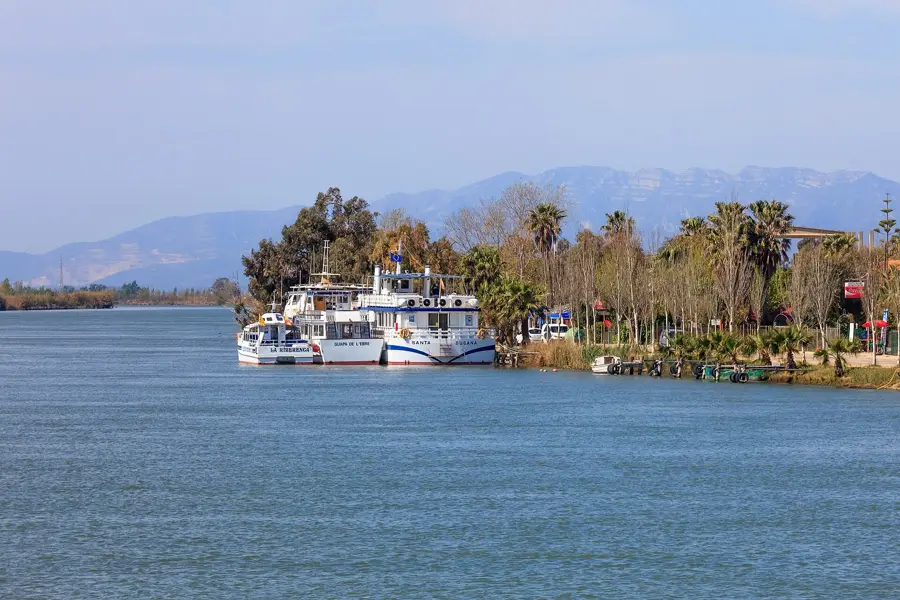
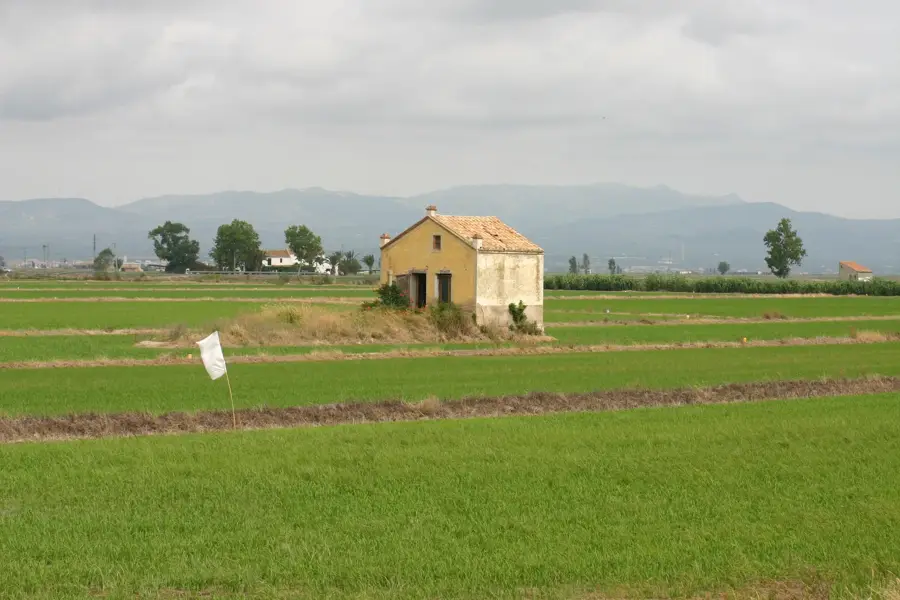
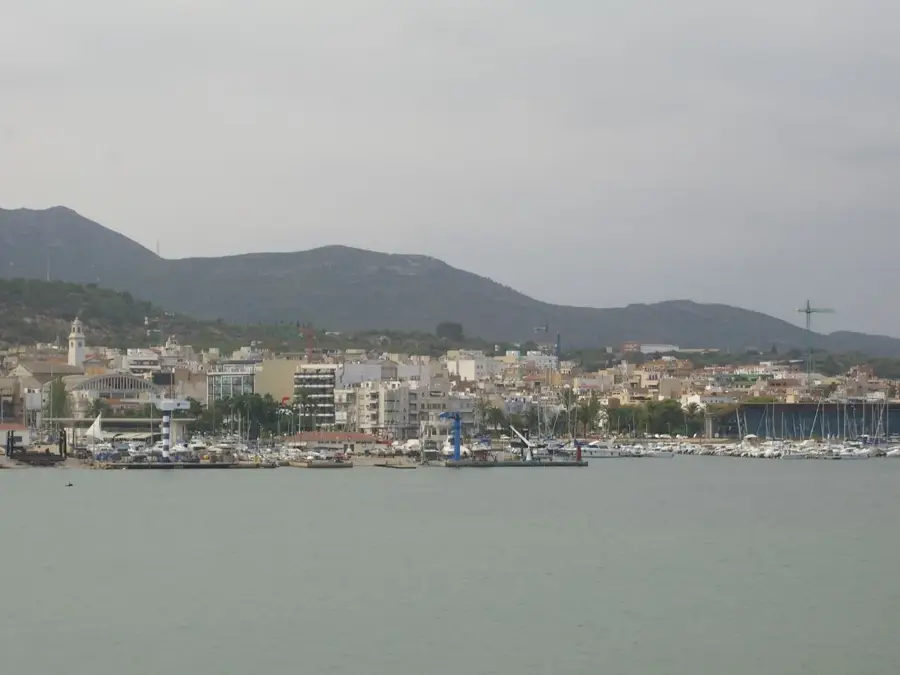
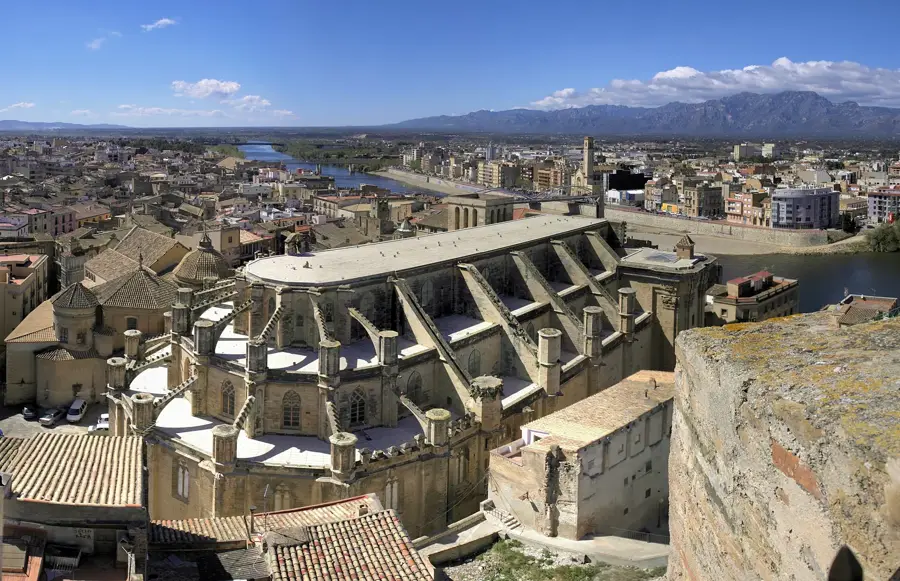
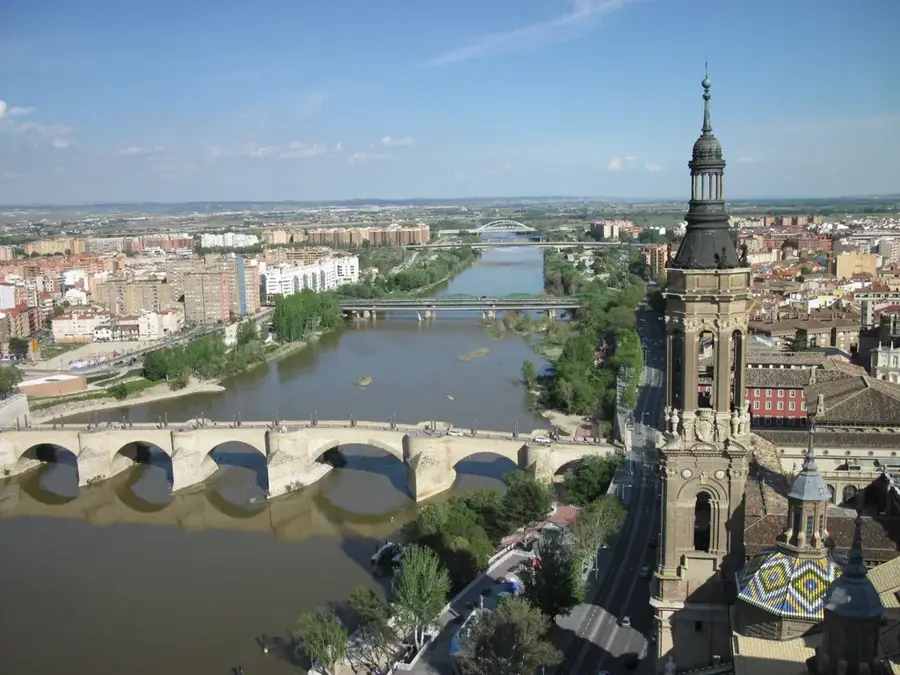
Stretching approximately 910 kilometers, the Ebro is the longest river entirely within Spain and carries the greatest volume of water of any river on the Iberian Peninsula. Rising in the Cantabrian Mountains, it flows in a southeasterly direction across the expansive Ebro Basin, passing through Navarre, La Rioja, Aragon, and Catalonia. Throughout its course, the river has carved deep gorges and nourished wide valleys that are vital to Spanish agriculture, most notably sustaining the famous vineyards of the Rioja region. Upon reaching the Mediterranean Sea in the province of Tarragona, the Ebro forms a massive delta that ranks among the most significant wetlands in Western Europe. Covering 320 square kilometers, the Ebro Delta is not only Spain's premier rice-growing region but also a critical sanctuary for hundreds of thousands of migratory birds, including large resident flocks of Greater Flamingos.

Best time to visit & climate

The most pleasant time to visit is Jun, Jul, Oct.

JanFebMarAprMayJunJulAugSepOctNovDec
Avg °C131213151822252524211714
Rain mm332839515219163061635429

📋 Practical info

🧭
Getting there
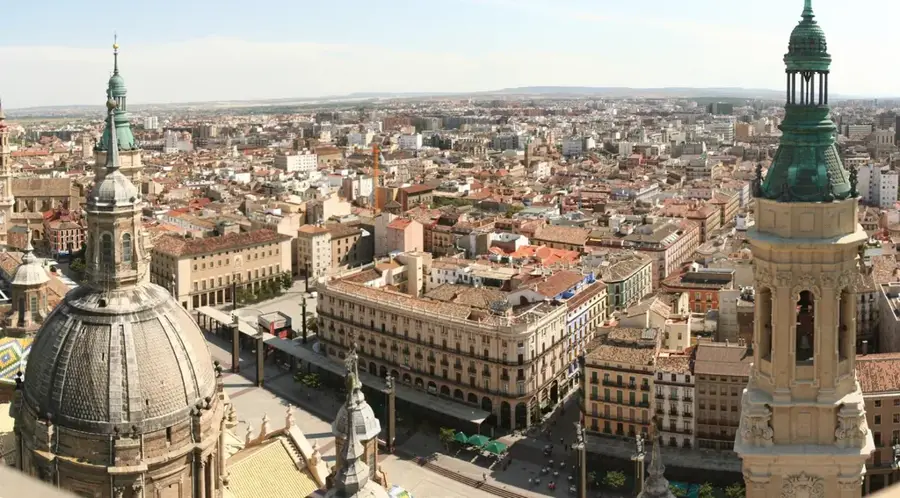
The river can be accessed from numerous towns and cities along its entire course, such as Zaragoza. Riverside walking paths and small boat launches are usually quite common.
📅
Best season
Spring and early summer are good for water-based activities due to generally higher water levels. Autumn features highly pleasant weather for walking or cycling along the banks.
⛰️
Terrain & paths
The immediate riverbanks vary from urban promenades to natural riparian forests and dramatic gorges. Most riverside trails are relatively flat and comfortably accessible.
🎒
What to bring
Comfortable walking or cycling gear is usually entirely sufficient. If engaging in water sports like kayaking, appropriate safety equipment and sun protection are essential.
🅿️
Parking
Parking is typically straightforward in settlements distributed along the river. In more secluded natural sections, properly designated parking spots might be quite limited.
⚠️
Safety
When participating in water activities, always be aware of the strong current and wear a life jacket. River levels can continually fluctuate depending on dam water releases.
⏱️
Time needed
A typical visit can range from a short riverside stroll to multi-day kayaking or cycling trips ambitiously tracing significant extended sections of the river's winding path.

Geography

Coordinates
40.72000, 0.81000

Explore nearby

Notable places around
Route planner — Car & Motorhome

Where do you start? We build the route here, with stops and country notes along the way.

Vehicle
Only stops with (optional):

© OpenStreetMap contributors · OpenRouteService

Sights in the town Ebro River (7)

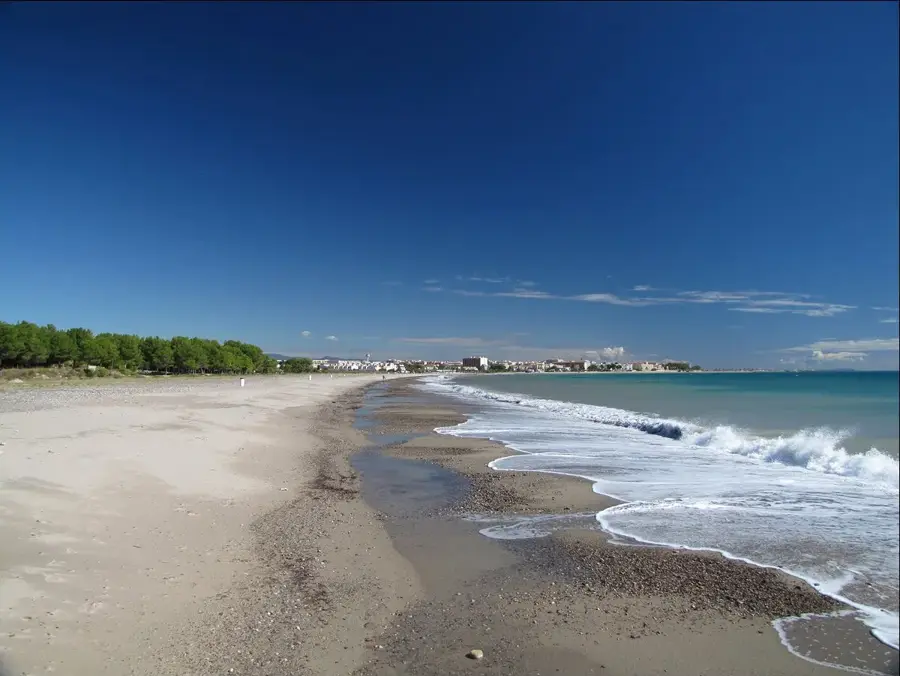
Platja de Riumar🎡 recreation

A sandy beach at the mouth of the Ebro River, convenient for relaxation.

Platja de la Bassa d'Arena🎡 recreation

A quiet stretch of beach known for its natural environment.

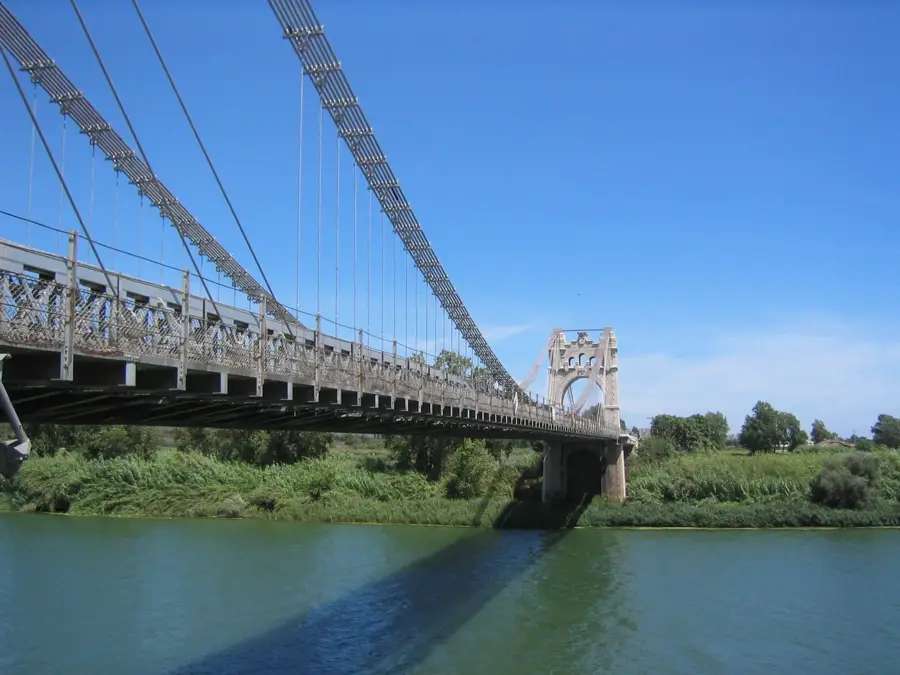
Pont dels Moros🏺 historical

A historic structure that bears witness to the region's past.

Mirador del Canal Vell🌿 nature

Viewpoint overlooking the old canal of the Ebro River delta.

Mirador de les Marededéus🌿 nature

A spot offering panoramic views of the surrounding river landscape.

Mirador de Riumar🌿 nature

Viewpoint with panoramic views of the Ebro delta's beaches and dunes.

Las Golondrinas Creuers Delta de l'Ebre📍 landmark

A provider of boat cruises through the scenic Ebro Delta.

Sights nearby

Frequently asked questions

Where does the Ebro rise?
In Fontibre, near Reinosa in Cantabria.
Which sea does it flow into?
Into the Mediterranean Sea, where it forms a large delta in the province of Tarragona.
How long is the Ebro?
It is about 930 kilometers long and the most voluminous river in Spain.
Which major cities are located on the Ebro?
Logroño, Zaragoza, and Tortosa are some of the most significant cities along its course.
Can you go fishing on the Ebro?
Yes, it is especially famous for fishing giant catfish, particularly in the Mequinenza reservoir.
Ebro River: where is it located?
Ebro River is located in Galicia, Spain.
Ebro River: what is there to see?
Highlights include Platja de Riumar, Platja de la Bassa d'Arena, Pont dels Moros.
Ebro River: when is the best time to visit?
The most pleasant time to visit is Jun, Jul, Oct.
Ebro River: why is it worth visiting?
Stretching approximately 910 kilometers, the Ebro is the longest river entirely within Spain and carries the greatest volume of water of any river on the Iberian Peninsula.
View on map → The Top 50 Attractions → Most beautiful beaches → OpenStreetMap →
Europe
Explore with Plizio Discover more places in Europe
More places in Spain →

Nearby cities

History & landmarks