Plizio Visual Lab

Cave of Altamira
Plizio editorial teamData Sources
ruins
—°7
Cave of Altamira (Spain)

Weather…

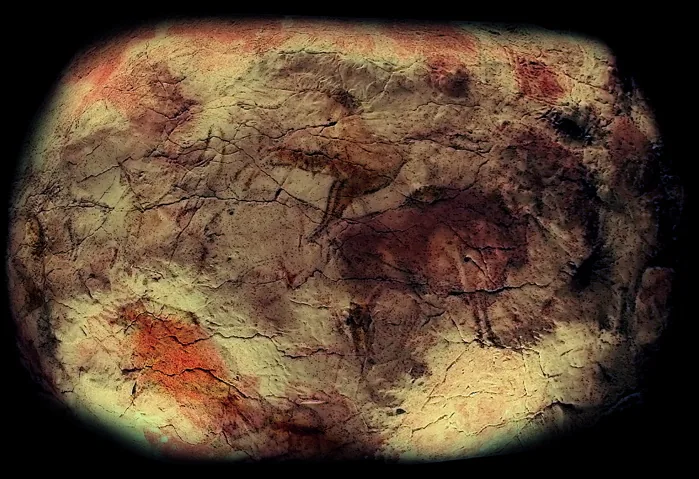
The Cave of Altamira, located near Santillana del Mar in Cantabria, contains some of the most famous Upper Paleolithic cave paintings in the world. The artwork dates from 36,000 to 13,000 years ago, primarily created during the Solutrean and Magdalenian periods. The most renowned section is the ceiling of the Great Hall, featuring polychrome depictions of bison, horses, and deer. These artists skillfully utilized the natural contours of the cave walls to give their subjects a three-dimensional appearance. Although discovered in 1868, the artistic significance was not recognized until 1879 by Marcelino Sanz de Sautuola. The scientific community initially doubted its authenticity, believing prehistoric humans lacked the capacity for such sophisticated art, until similar finds in France confirmed the age. Due to preservation concerns, public access to the original cave is restricted, but an exact replica known as the Neocueva is open at the Altamira Museum. It was designated a UNESCO World Heritage Site in 1985.

Best time to visit & climate

The most pleasant time to visit is Jul–Sep.

JanFebMarAprMayJunJulAugSepOctNovDec
Avg °C10911121518202119171310
Rain mm12510095786254343451100141121

📋 Practical info

🚪
Visiting
The original Altamira cave is closed for conservation, but a highly detailed replica (Neocueva) is open to the public. Visiting the museum and replica gives a fascinating insight into prehistoric art.
🕒
Typical hours
The museum and Neocueva typically open Tuesday to Sunday, often at 9:30 AM, and close in the late afternoon. Hours may vary by season, so checking the website beforehand is advisable.
📷
Photography
Photography without flash is generally allowed in the museum and Neocueva, but tripods and selfie sticks are often prohibited. Some exhibition areas may have specific no-photography rules.
⏱️
Time needed
Allow about 1.5 to 2 hours for visiting the museum and Neocueva. If you want to study the exhibits and history in more depth, you could easily spend 3 hours.
Combine with
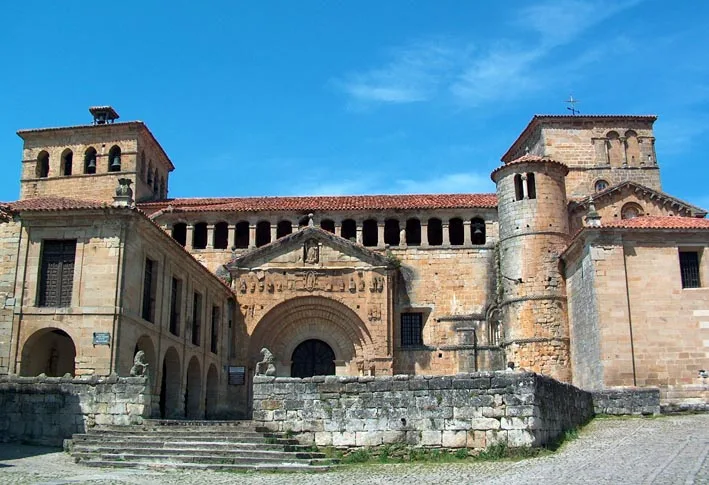
The cave is near the photogenic village of Santillana del Mar, which is worth a visit in its own right. The nearby Museo de Altamira provides additional background and artifacts.
🧭
Getting there
The site is best reached by car via the A-67 highway and the CA-131 local road. There is a parking lot nearby; buses from Santander also stop in the area.
💡
Insider tip
Be sure to book tickets well in advance, as the daily visitor numbers are strictly limited. Combine your visit with a walk through Santillana del Mar to round off the day.

Geography

Coordinates
43.37600, -4.12000

Facts

  • The cave was first discovered in 1868 by a hunter named Modesto Cubillas.
  • Scientific study of the paintings began in 1879 by Marcelino Sanz de Sautuola.
  • Dating shows that the earliest red symbols were made 36,000 years ago.
  • The Great Hall ceiling features over 20 detailed polychrome bison figures.
  • UNESCO inscribed Altamira as a World Heritage Site in 1985.
  • The Neocueva, a high-precision replica of the cave, opened in 2001.

Explore nearby

Notable places around
Route planner — Car & Motorhome

Where do you start? We build the route here, with stops and country notes along the way.

Vehicle
Only stops with (optional):

© OpenStreetMap contributors · OpenRouteService

Sights in the town Cave of Altamira (7)

Cave of Altamira🏺 historical

World-famous archaeological site in northern Spain, known for its prehistoric cave paintings.

Castro de El Cincho🏺 historical

An archaeological site near Altamira, displaying the remains of an ancient fortified settlement.

Museo de la tortura🏛 museum

This museum in Santillana del Mar displays a collection of historical torture instruments from various eras.

🕒 Mo-Su 10:00-21:00

Museo Nacional y Centro de Investigación de Altamira🏛 museum

This museum houses a faithful replica of the Altamira cave and explores life during the Stone Age.

🕒 Tu-Sa 09:30-20:00; Su 09:30-15:00💶

Zoológico de Santillana del Mar🎡 recreation

A zoological and botanical garden in Santillana del Mar, dedicated to the protection of endangered species.

Cueva de la Raposa🏺 historical

A prehistoric site near Altamira that gives insights into early human settlement.

Museo del Barquillero🏛 museum

A museum in Santillana del Mar dedicated to the tradition of wafer making and historical toys.

Sights nearby

Frequently asked questions

Can you visit the actual Altamira cave?
Only a few people per week via lottery; most visit the exact replica (Neocueva).
Where is the museum located?
In Santillana del Mar, in the Cantabria region, Northern Spain.
Is photography allowed in the Neocueva?
Yes, photography without flash is allowed in the replica and the museum.
How much does the ticket cost?
The regular price is about 3 euros; entry is often free on Saturdays after 2 PM.
Is it suitable for children?
Yes, there are interactive exhibits and Stone Age workshops, handy for families.
Cave of Altamira: where is it located?
Cave of Altamira is located in Galicia, Spain.
Cave of Altamira: what is there to see?
Highlights include Cave of Altamira, Castro de El Cincho, Museo de la tortura.
Cave of Altamira: when is the best time to visit?
The most pleasant time to visit is Jul, Sep.
Cave of Altamira: why is it worth visiting?

The Cave of Altamira, located near Santillana del Mar in Cantabria, contains some of the most famous Upper Paleolithic cave paintings in the world.
View on map → The Top 50 Attractions → Most beautiful beaches → OpenStreetMap →
Europe
Explore with Plizio Discover more places in Europe
More places in Spain →

Nearby cities