Festival of Virgen del Rosario
Autumn religious and cultural events honoring the patron saint, including a traditional mass and music.
PlizioGo
Try this traditional rice dish cooked in fish broth at a seafood restaurant along the promenade.
Order the famous local prawns at a traditional restaurant specializing in fresh seafood.
Look for dishes using this local dried pepper, which gives regional rice recipes their distinctive flavor.
A great place to buy fresh fruits, local honey, and olive oil.
Look for local sweet pastries like 'toñas' in the small bakeries found in the town center.
Take a walk through this expansive, shaded pine forest, originally planted to stop the shifting sand dunes.
A peaceful spot for a stroll and birdwatching, away from the busy main beaches.
Water temperature…
Autumn religious and cultural events honoring the patron saint, including a traditional mass and music.
The festivities honoring Saint James feature parades and the reenactment of the legend of L'Encantà.
Local restaurants offer special menus based on the traditional dried pepper and prawns sourced from the region.
A theatrical performance by the Segura river during the Night of San Juan recounting an ancient local legend.
Solemn processions depicting religious scenes move through the central streets accompanied by music.
The February celebrations include creative costume contests, street dancing, and a grand closing parade.
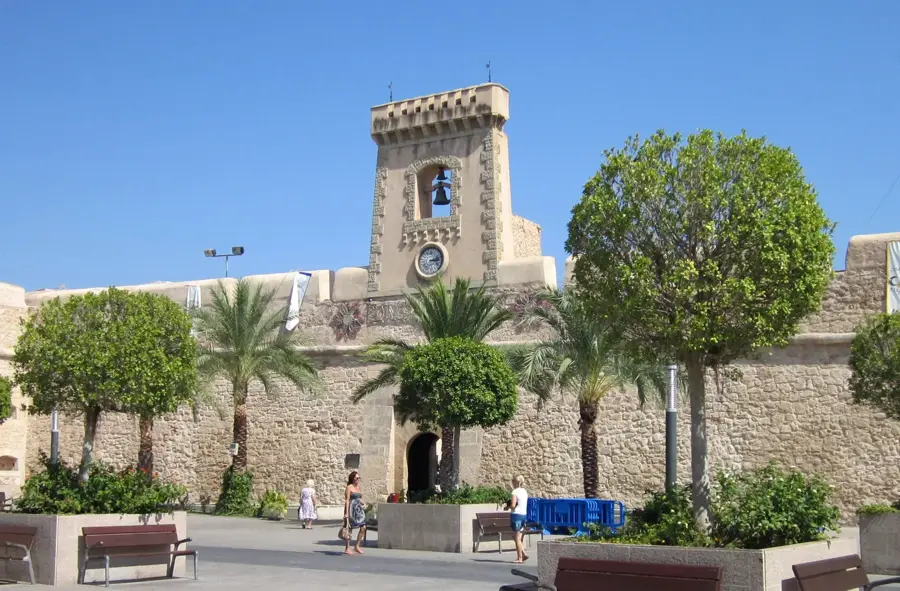
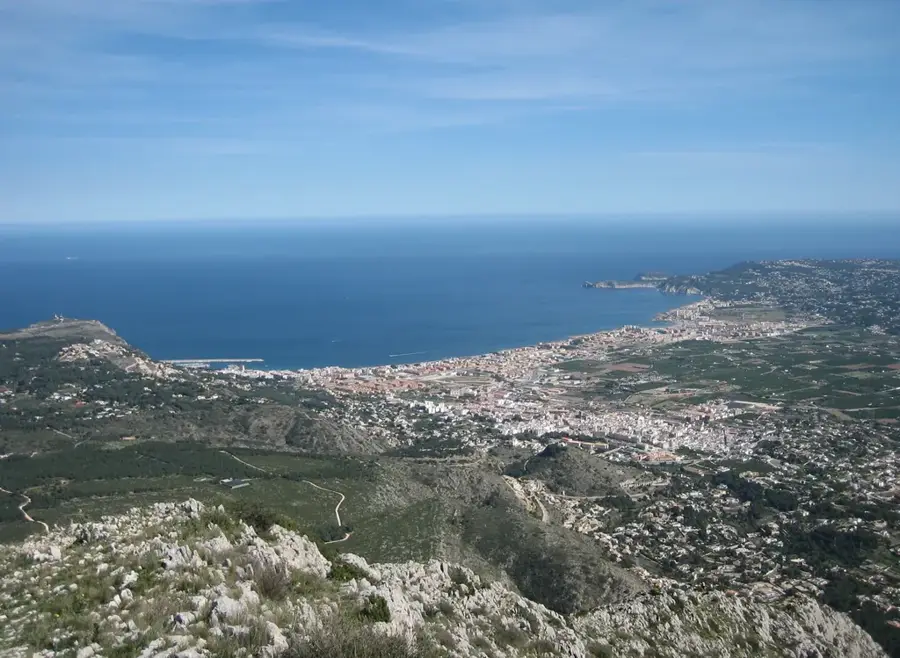
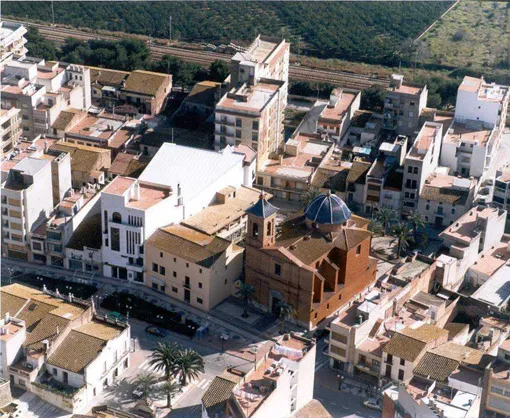
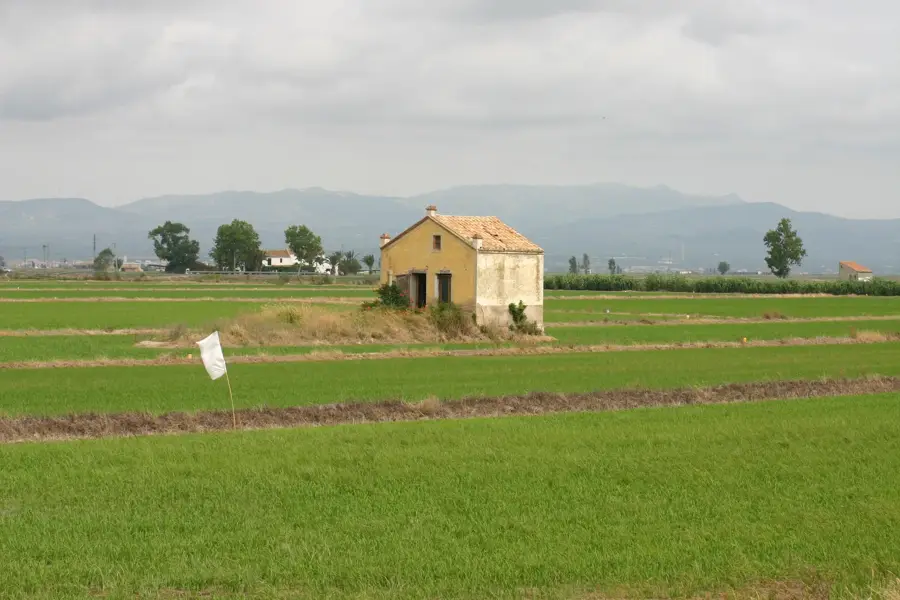
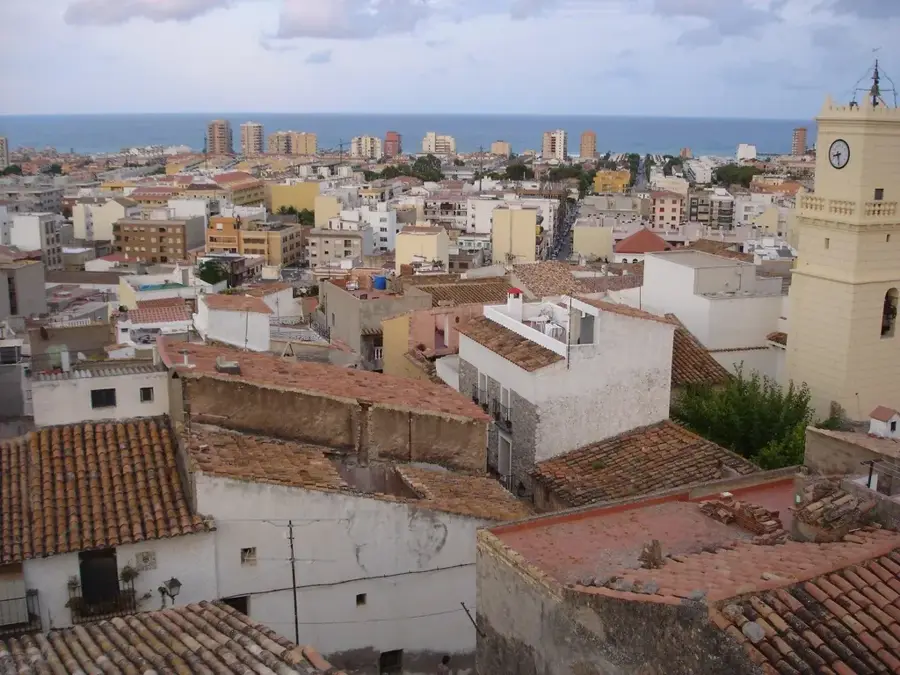
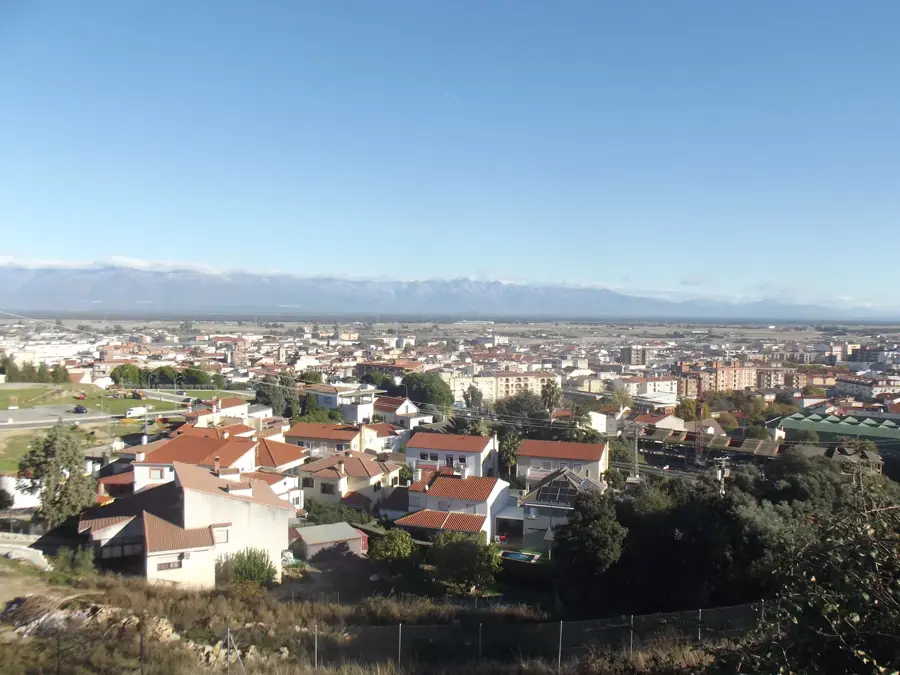
Guardamar del Segura is defined by its 800-hectare coastal pine forest, the Pinada de Guardamar. This forest was deliberately planted in 1900 to stop the advancing sand dunes from burying the town, and today it forms an extensive network of walking and cycling paths just behind an eleven-kilometer stretch of sandy beach. In the northern part of the municipality, the Segura river empties into the Mediterranean Sea. Hidden within the dunes are significant archaeological sites, including the Rábita Califal, a 10th-century Islamic monastery complex, and the Phoenician port settlement of Cabezo Pequeño del Estaño, illustrating the historical importance of the river mouth. On a hill in the town center sit the remains of the Castillo de Guardamar. Although the castle was heavily damaged in the great earthquake of 1829, the hilltop still provides a sweeping view over the flat, irrigated agricultural plains (huerta), the dense pine forest, and the open sea.
The most pleasant time to visit is May, Jun, Oct.
| Jan | Feb | Mar | Apr | May | Jun | Jul | Aug | Sep | Oct | Nov | Dec | |
|---|---|---|---|---|---|---|---|---|---|---|---|---|
| Avg °C | 12 | 12 | 14 | 16 | 19 | 23 | 26 | 26 | 24 | 21 | 16 | 13 |
| Rain mm | 33 | 20 | 37 | 38 | 23 | 10 | 4 | 15 | 41 | 38 | 45 | 38 |
Notable places around
Where do you start? We build the route here, with stops and country notes along the way.
© OpenStreetMap contributors · OpenRouteService
Explore Guardamar on foot, starting with the rich history at the archaeological museum and on the castle hill. Wander through the lush Reina Sofía Park, a green oasis in the city center. Spend your afternoon at the expansive La Roqueta Beach, where the fine golden sand and clear Mediterranean waters are perfect for relaxing.
The morning starts at the Archaeological Museum, a perfect refuge from the rain. At noon, we climb to the castle ruins, where the wet stones create a mystical atmosphere. In the afternoon, we stroll through Reina Sofía Park, with its dense trees providing some shelter. We end the day at Roqueta Beach, watching the dramatic waves of the Mediterranean under the rainy sky.
The winter morning is mild and clear, perfect for visiting the Archaeological Museum. At noon, we enjoy the warm winter sun among the ruins of Guardamar Castle. In the afternoon, we stroll through the quiet Reina Sofía Park, where the ponds exude a still chill. Before sunset, we reach Roqueta Beach for a refreshing walk in the cool sea air.
This bike tour takes you through Guardamar's impressive natural landscapes. Start at the marina and cycle through the vast pine forest, planted in the 19th century to stabilize the dunes. Enjoy the ride on the sand paths reaching the dune areas, and finally cool off with a refreshing swim at Roqueta Beach.
We start at Marina de las Dunas Port, where the rain drums on the boat masts. Then we cycle through the pine forest, where the needles protect the ground from excessive mud. The dunes of Guardamar look unrealistically vast in the gray rain. We finish at Roqueta Beach, where the wet sand provides a firm, bikeable surface.
A fresh winter morning at Marina de las Dunas Port begins with clear views of the sea. We cycle through the fragrant pine forest, where the cool air makes the effort easier. In the dunes, the light sand reflects the soft winter light. The tour ends at Roqueta Beach, where the wind blows cool, but the wide view to the horizon is breathtaking.
By car, you can easily reach Guardamar's most important archaeological sites. Start at the medieval castle and then dive into the world of the Phoenicians and the Caliphate at La Fonteta and the Rabita ruins. The afternoon is dedicated to the dunes and the pine forest, where you can admire the impressive natural feat that saved the city from the shifting sands.
We start the drive at Guardamar Castle, watching the rain over the city. Next, we visit the Caliphal Rabita and La Fonteta, where the ancient stones shine in the rain. A short detour to the dunes shows us the raw side of nature. The drive ends in the pine forest, which smells especially intense of resin in the rain.
On a sunny winter morning, we drive to Guardamar Castle and enjoy the vast views. Next, we explore the Caliphal Rabita and La Fonteta without the oppressive summer heat. The dunes of Guardamar lie peacefully in the golden afternoon light. To conclude, we drive through the pine forest, where the low sun casts long shadows.
May, June and September are ideal, with 14 km of dune beach absorbing everyone comfortably. July-August brings Spanish family crowds and the chiringuito beach bars overflow. Easter tends to be damp and windy, limiting pine-forest picnicking.
Guardamar is very quiet, with strong south-wind rip currents at the dune beach being the main hazard. The pine forest has wild boar that raid trash bags around dusk. The N-332 toward Torrevieja sees frequent serious accidents, so drive carefully.
Guardamar is far less touristy than its neighbours, so basic Spanish actually helps here. In pine-forest restaurants a smile and pointing finger usually do the trick. You'll often hear 'La nuestra es la mejor paella' so nod and try it, rarely a letdown.
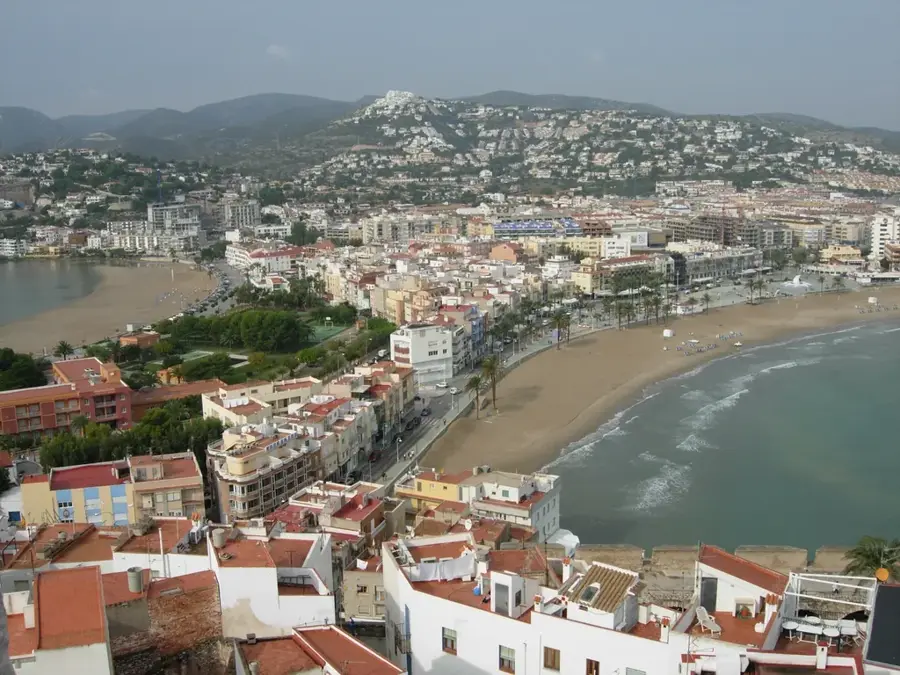
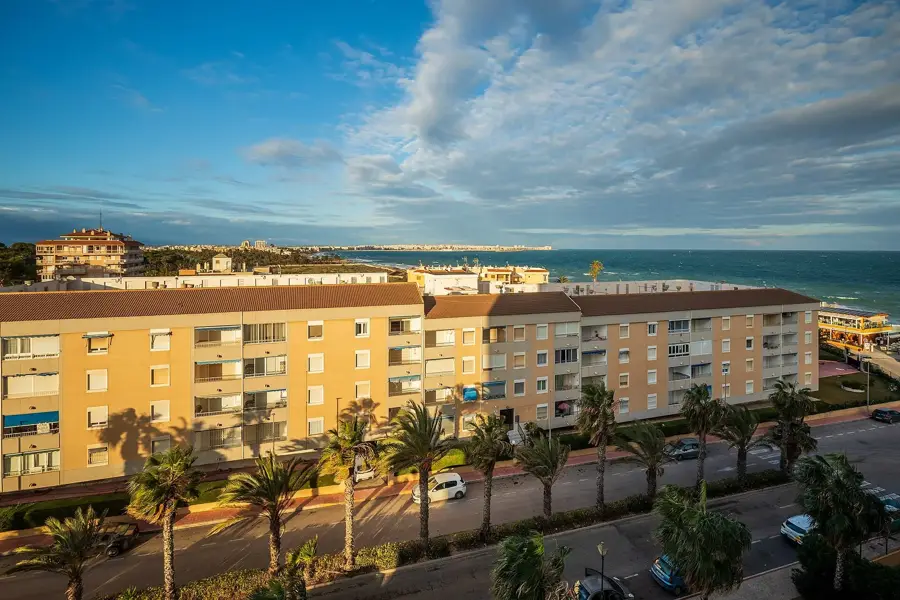
Playa de la Roqueta opens up as a splendid coastal window right in Guardamar del Segura on the Mediterranean Sea. With its fine sand, extraordinary cleanliness, and excellent water quality, the location radiates a fresh, lively energy. Visitors can rely on first-class swimming conditions, sunbathing on the soft sand, and relaxed coastal walks. Especially during the summer, this beach is a fabulous destination for the entire family.