Plizio Visual Lab
Calahorra (municipal capital)
ℹ️Practical info — Calahorra (municipal capital)
▾
🌤 Weather — 5 days
📍 Nearby
Sights nearby
💡 Tips
- Time your visit for April to enjoy the 'Jornadas de la Verdura' (Vegetable Days), a major local culinary festival.
- Take advantage of the free and convenient parking areas located near the Cidacos river.
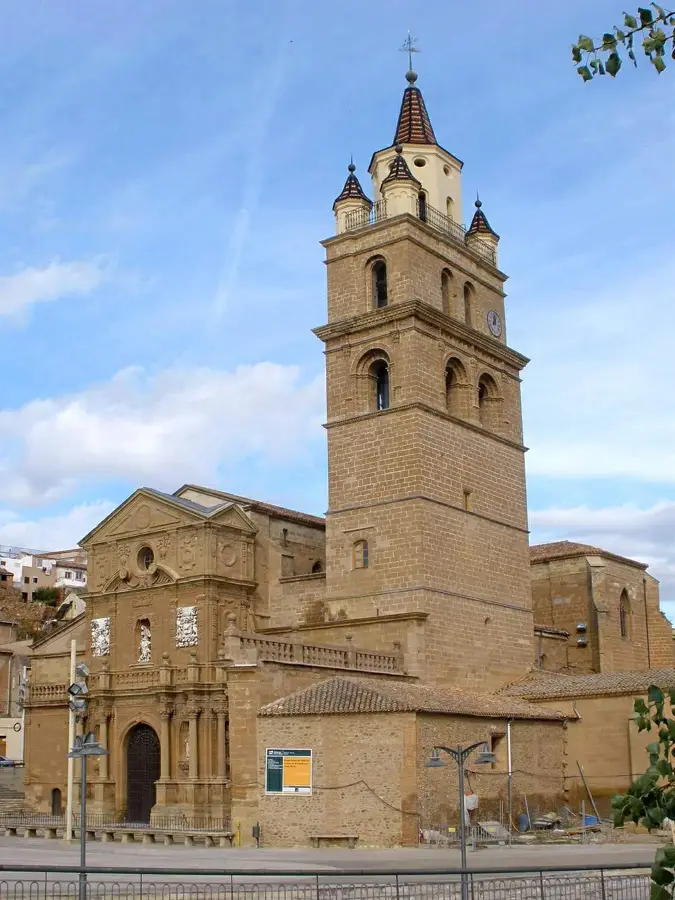
- Note that the impressive cathedral is located in the lower part of town by the river, slightly removed from the historic old town on the hill.
- Set aside time to explore the fascinating Roman ruins of La Clínica.
- Try the local wines from the Rioja Oriental subregion, which offer fantastic quality and value.
🍽 Food
The city's signature vegetable stew, a must-try at any traditional local restaurant.
Stuffed sweet red peppers, a delicate and highly prized local specialty.
Enjoy small bites and local wine while bar-hopping along Calle Grande.
🛍 Shopping · 🧘 Quiet spots
The indoor market where you can find the famous, freshly harvested local vegetables.
Pick up excellent bottles of wine specific to the Rioja Oriental subregion.
The city is famous for its high-quality jarred and canned vegetables-great souvenirs.
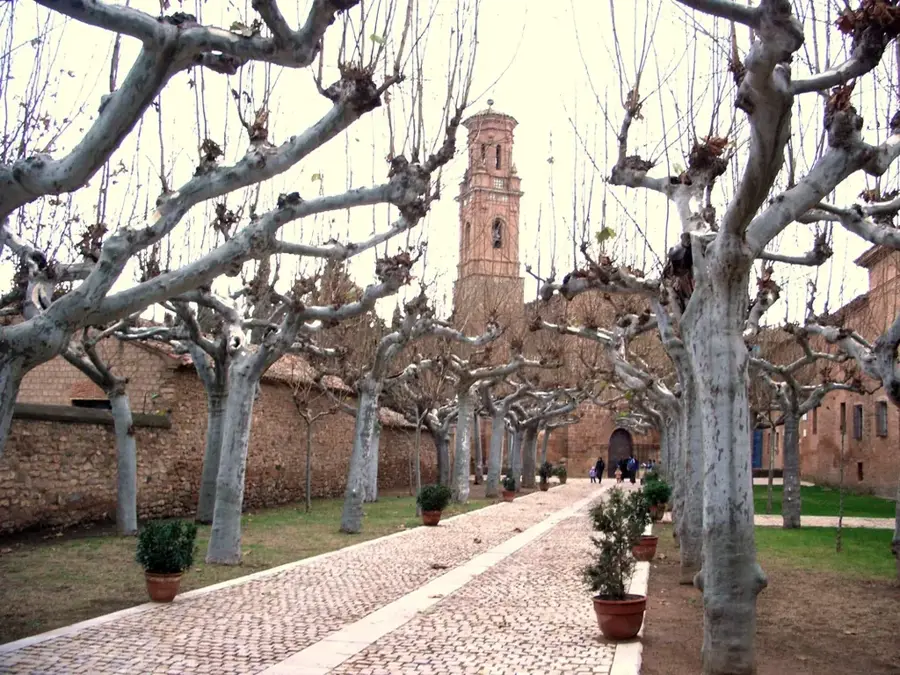
A lovely tree-lined pedestrian promenade in the center of town.
A former railway line converted into a peaceful walking and cycling path.
A sprawling natural park area right by the river, excellent for unwinding.
Water temperature…
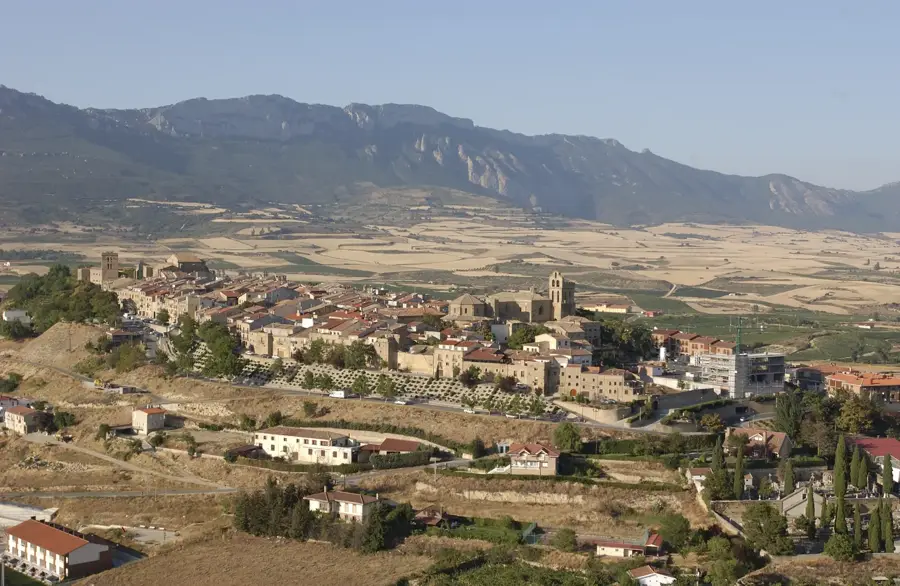
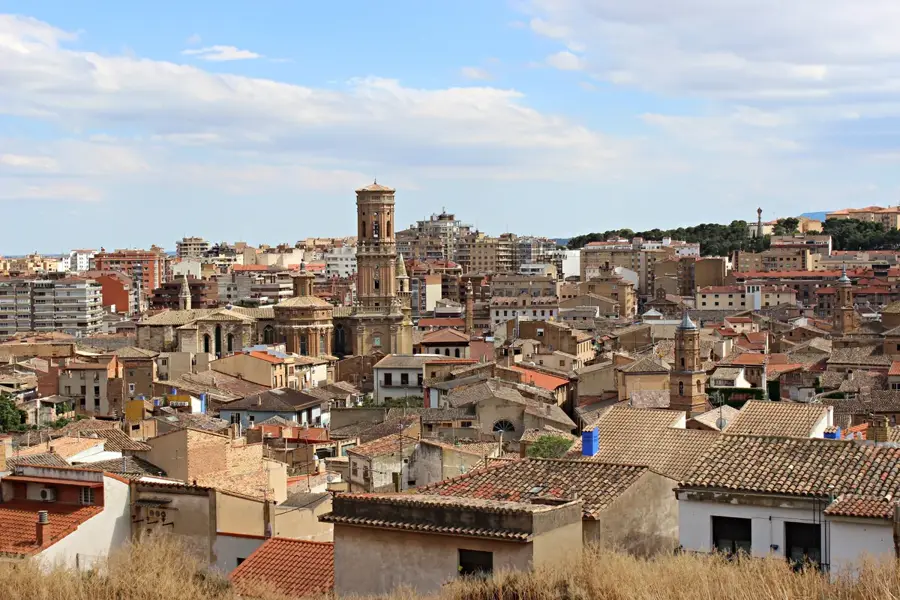
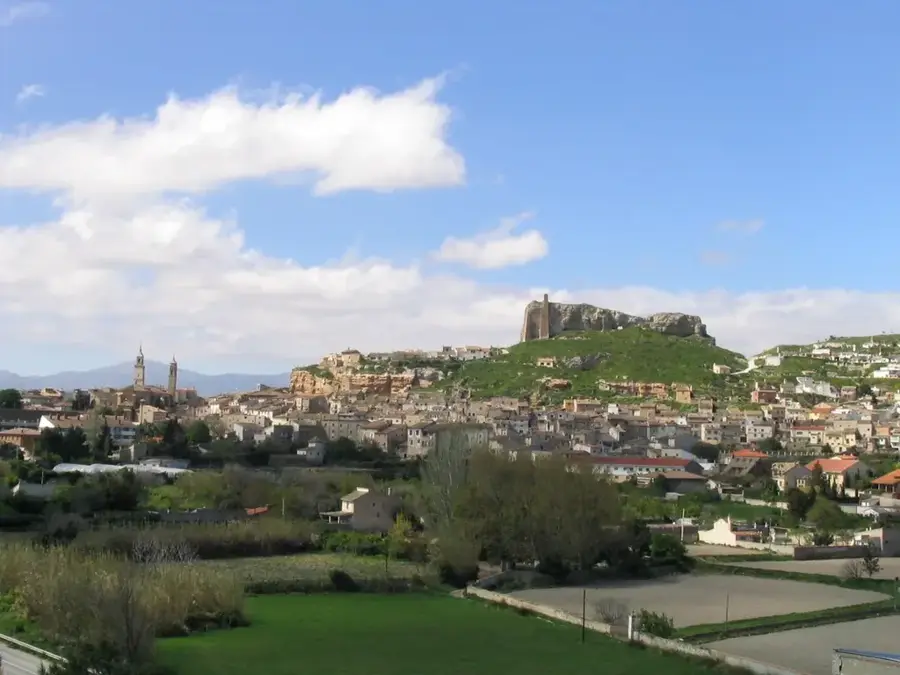
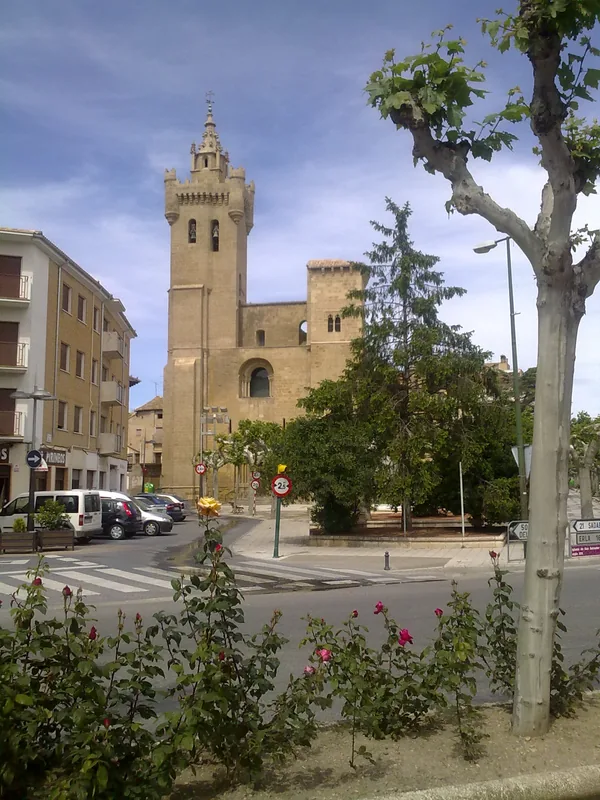
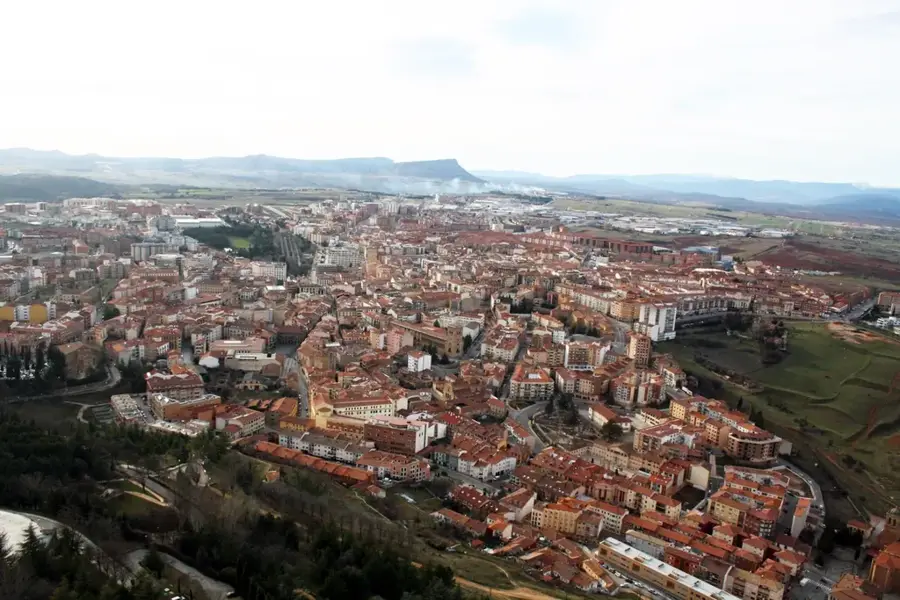
Calahorra, one of the most important cities in La Rioja, is situated in the Ebro Valley, an area renowned for its fertile lands. This has earned the city the nickname 'City of Vegetables,' making it a hub for Spain's food industry. Every April, the city celebrates the 'Jornadas Gastronómicas de la Verdura' (Gastronomic Days of the Vegetable), a festival honoring local produce with markets, cooking demonstrations, and special menus in the city's restaurants. Calahorra's history is deeply rooted in Roman times, when it was a significant town named 'Calagurris Nassica Iulia'. Visitors can still explore remnants of this era, including parts of the Roman sewer system and circus. The magnificent Cathedral of Santa María, built in the 15th century on the site where the patron saints Emeterius and Celedonius are said to have been martyred, is another key landmark. The Diocesan Museum within the cathedral houses important religious artworks. The old town, with its narrow streets, is well-suited for a stroll, leading to the Parador de Turismo, a hotel in a historic building overlooking the river. Calahorra is located on the AP-68 motorway, making it easily accessible from cities like Logroño, Zaragoza, and Bilbao. It's for history buffs and food lovers wanting to experience the authentic culture of La Rioja. Spring is a convenient time to visit to experience the vegetable festival, while autumn is the first-rate season to explore the La Rioja wine region during the harvest.
- Location: Spain
- Top sights: Tierra Rapaz · Cafeteria La Planilla · Exposición permanente pasos Semana Santa
- Nearby: Arnedo (14 km)
- Population: ~24.787
Geography
Facts
- Known as the 'City of Vegetables'
- Important city in the La Rioja region
- Rich Roman heritage (Calagurris)
- Home to the 15th-century Cathedral of Santa María
- Hosts an annual vegetable gastronomic festival in April
- Home to the Diocesan Museum
- Located in the fertile Ebro Valley
- Easily accessible via the AP-68 motorway
Explore nearby
Notable places around
Route planner — Car & Motorhome
Where do you start? We build the route here, with stops and country notes along the way.
© OpenStreetMap contributors · OpenRouteService
Sights in the town Calahorra (municipal capital) (7)
Frequently asked questions
What is Calahorra famous for?
What is the most important sight?
When is the vegetable festival held?
Is the city suitable for children?
How to reach Calahorra?
Calahorra (municipal capital): where is it located?
Calahorra (municipal capital): what is there to see?
Calahorra (municipal capital): why is it worth visiting?

Nearby cities
History & landmarks
Nature
More places