Pollença Autumn Fair
A traditional fair celebrating local crafts, agricultural products, and Mallorcan culture.
PlizioGo
A traditional pan-fried dish of meat, potatoes, and peppers. Look for rustic taverns away from the main square.
The famous Mallorcan spiral pastry. Well-suited for breakfast at a local bakery in the side streets.
Enjoy small local dishes in the evening at the bars around the Plaça Major.
Held every Sunday morning at the Plaça Major, offering fresh olives, cheeses, and artisanal ceramics.
The streets around the center are full of boutiques selling traditional local woven textiles (Robes de Llengües).
An old stone bridge over the Sant Jordi stream on the outskirts of town. A quiet spot for a short walk.
An hour's hike takes you to this hilltop monastery, offering a peaceful atmosphere and great views over the bay.
Water temperature…
A traditional fair celebrating local crafts, agricultural products, and Mallorcan culture.
A spectacular historical reenactment of the epic battle between the Moors and the local inhabitants.
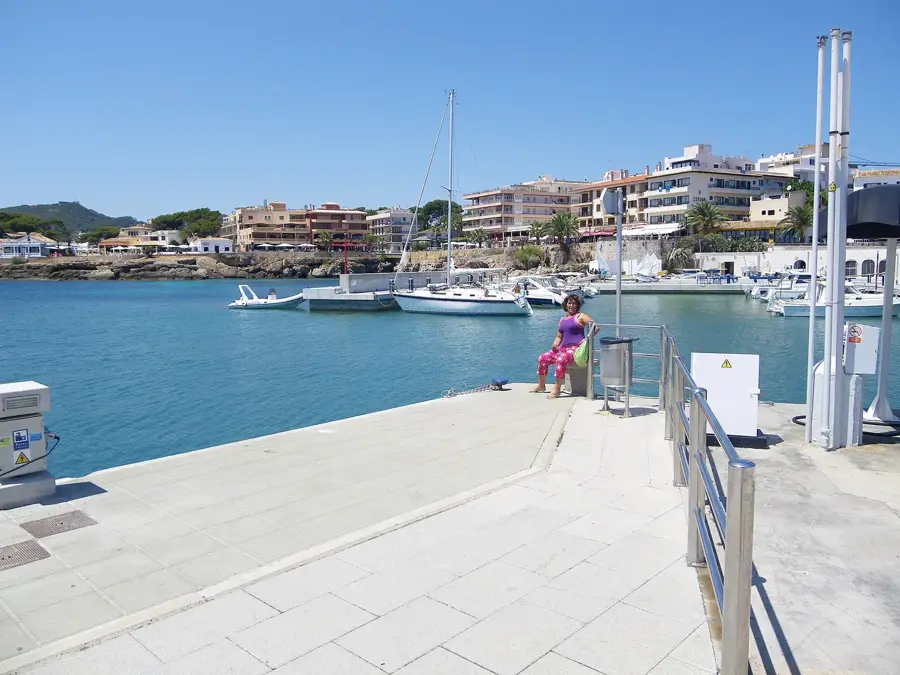
A maritime festival in Port de Pollença featuring illuminated boats in honor of the patron saint of fishermen.
Religious processions accompanied by the traditional dance of the eagles, a unique local event.
An annual fair in the Santo Domingo cloister featuring tastings of local Mallorcan wines.
A traditional festival in Pollença where participants climb a giant pine tree in the main square.
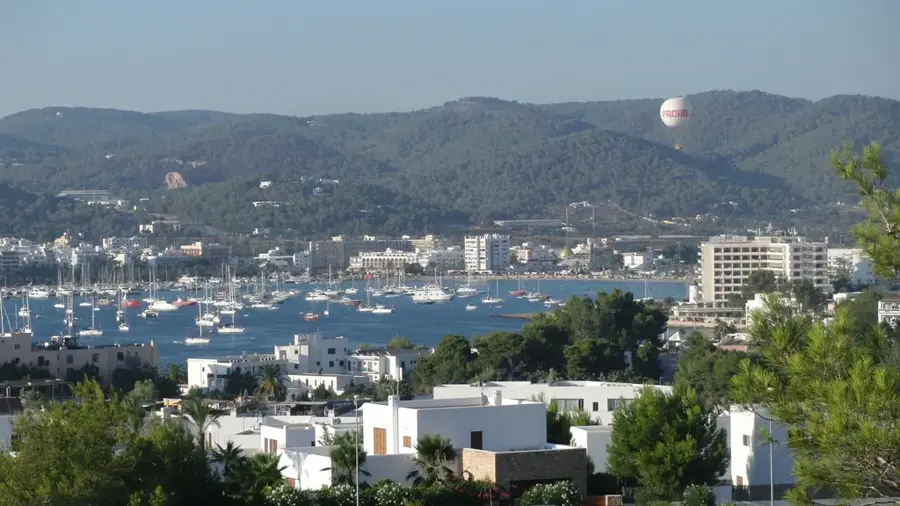
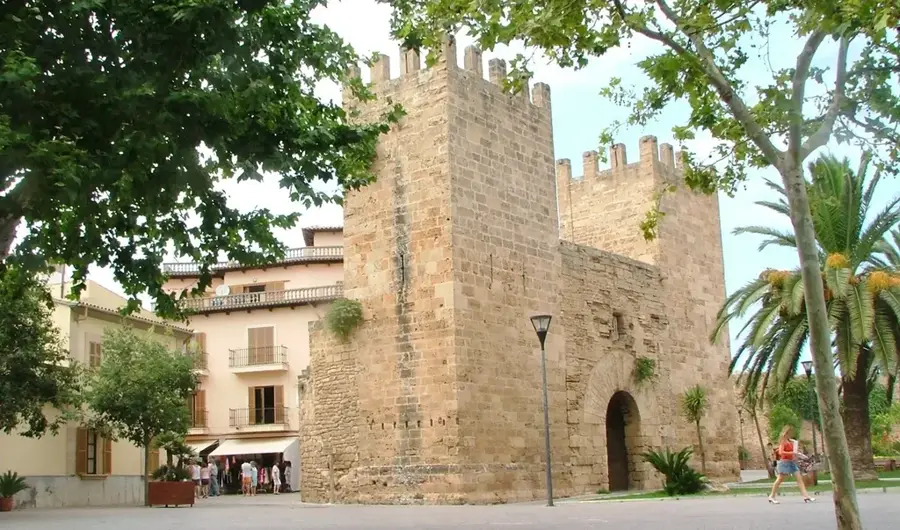
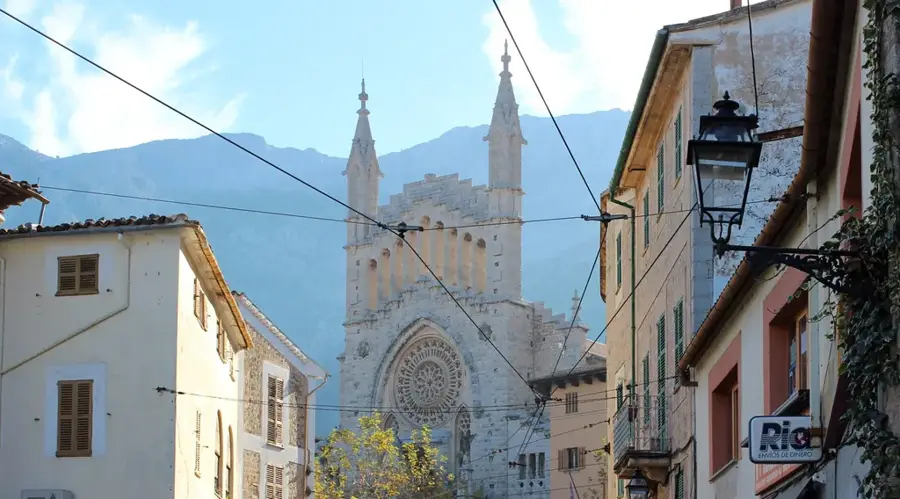
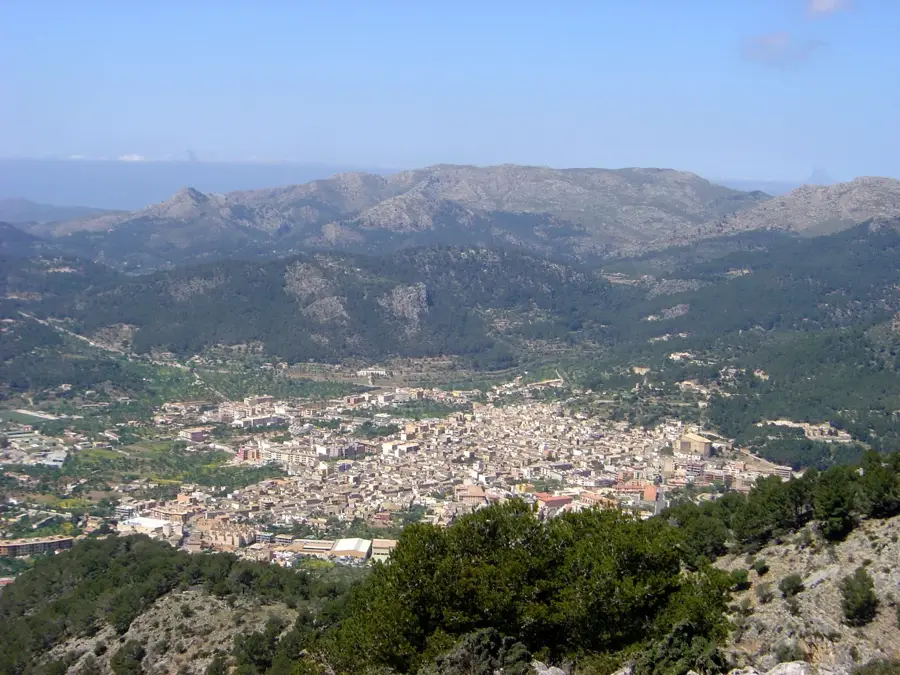
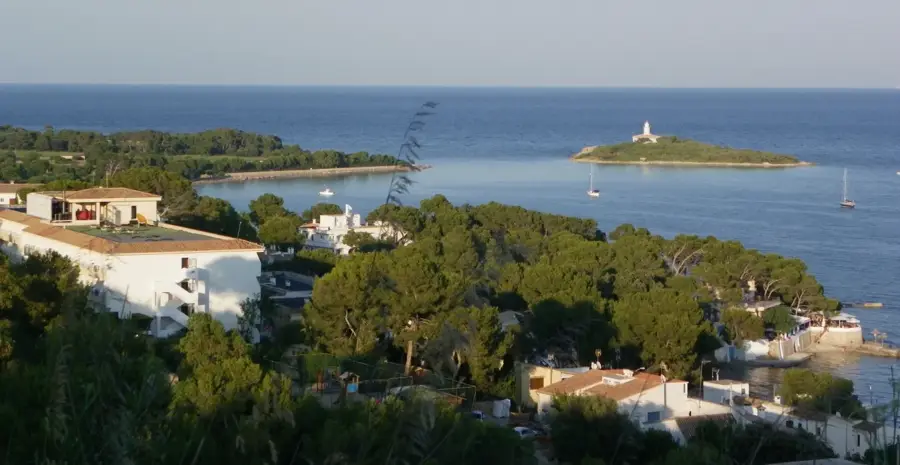
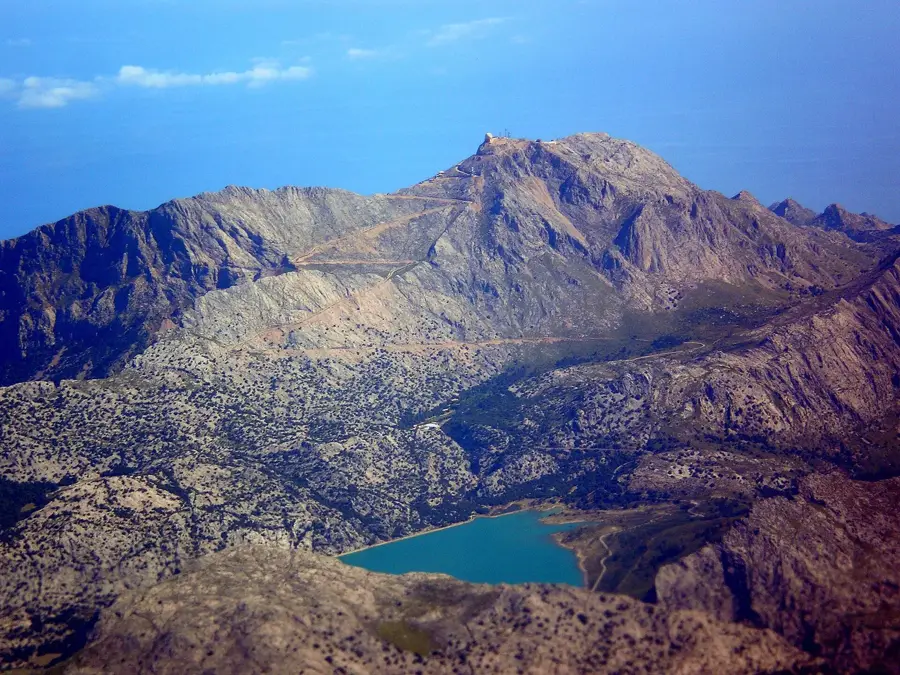
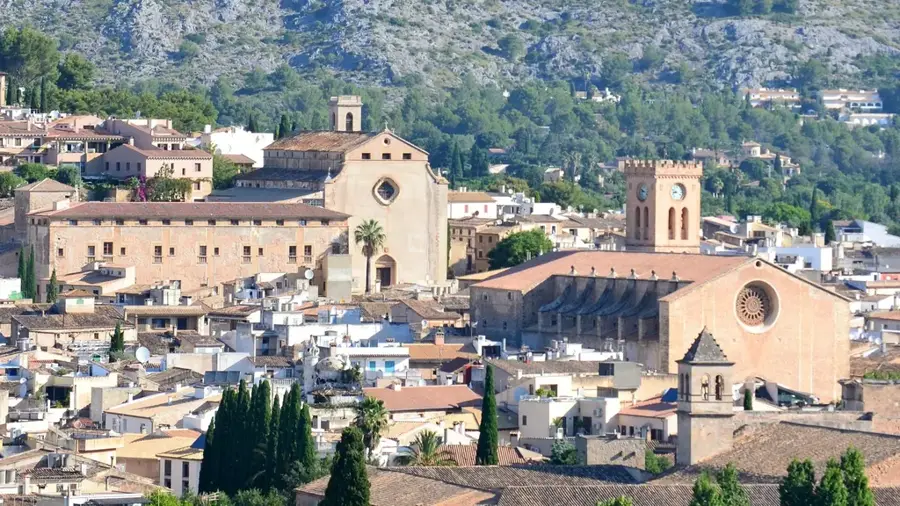
Pollença is a town that harmoniously blends history and tradition. Located in northern Mallorca, away from the coastal mass tourism, the town has retained its original, authentic character. The heart of the town is the Plaça Major, featuring the imposing parish church of Nostra Senyora dels Àngels, surrounded by cafes where life moves at a leisurely pace. Pollença's landmark is the Calvary hill, accessed by 365 steps, one for each day of the year. Reaching the top rewards visitors with a panoramic view over the town and the surrounding landscape as far as the Bay of Pollença. The town is also renowned for its rich art scene and houses the Museum of Pollença in a former Dominican cloister. Every summer, it hosts a prestigious international music festival. The architecture is defined by ochre-colored natural stone, forming a labyrinth of alleys that invite discovery. Its proximity to the mountains makes Pollença a well-suited base for hiking and cycling tours. Pollensa joined the Mallorca-wide anti-tourism protests in 2024, focusing on the summer overload of Port de Pollença harbour. New parking restrictions were introduced in the old centre.
The most pleasant time to visit is May, Jun, Oct.
| Jan | Feb | Mar | Apr | May | Jun | Jul | Aug | Sep | Oct | Nov | Dec | |
|---|---|---|---|---|---|---|---|---|---|---|---|---|
| Avg °C | 12 | 12 | 13 | 15 | 18 | 23 | 26 | 26 | 24 | 21 | 17 | 14 |
| Rain mm | 46 | 40 | 44 | 52 | 49 | 23 | 21 | 43 | 78 | 77 | 71 | 46 |
See what it looks like near Pollença right now.
Port de Pollenca › East: Rozamar Mallorca Charters · 6.7 km · Open webcam on Windy · Webcams provided by Windy.com
Notable places around
Where do you start? We build the route here, with stops and country notes along the way.
© OpenStreetMap contributors · OpenRouteService
The morning starts at the lively Plaça Major, followed by sacred art at the Oratori. At midday, dive into history at the Museum and enjoy the peace of the cloister. In the afternoon, climb the famous Calvari steps for a panorama before ending the day at the ancient Roman Bridge.
In the morning, we seek shelter under the arcades of Plaça Major with a hot coffee. At midday, the thick walls of Sant Jordi church and the museum provide a dry sanctuary from the rain showers. In the afternoon, we carefully climb the 365 steps of El Calvari, which can be slippery when wet. In the evening, we end at Pont Romà, enjoying the fresh scent of the mountains after the storm.
The morning starts crisp in Plaça Major, where locals enjoy the mild winter sun. At midday, the light in the churches and museum is particularly clear and peaceful, free from the summer tourist crowds. In the afternoon, the climb to Calvari is much more pleasant in the cool air than in the August heat. As the sun sets around 17:30, we reach Pont Romà in the soft twilight of the Mallorcan winter.
Start in the center and challenge yourself at Puig de Maria. After the descent, cycle via the Roman Bridge towards the coast. Enjoy the afternoon at Cala Sant Vicenç bay and cycle to the Albercutx Tower for an incomparable view over the sea.
We start cautiously from Plaça Major on wet tires. The climb to Puig de Maria in the rain is a challenge as the path can be slippery and muddy. On the descent towards Pont Romà, careful braking is required. The ride to Cala Sant Vicenç and Albercutx tower is windswept but offers dramatic views of the churning sea.
Ideal cycling weather! We start fresh from Plaça Major. The climb to Puig de Maria is a joy in winter, without the summer heat on our backs. After Pont Romà, we enjoy the empty roads towards Cala Sant Vicenç. The final ascent to Albercutx tower offers a long-distance clarity often blurred by haze in summer.
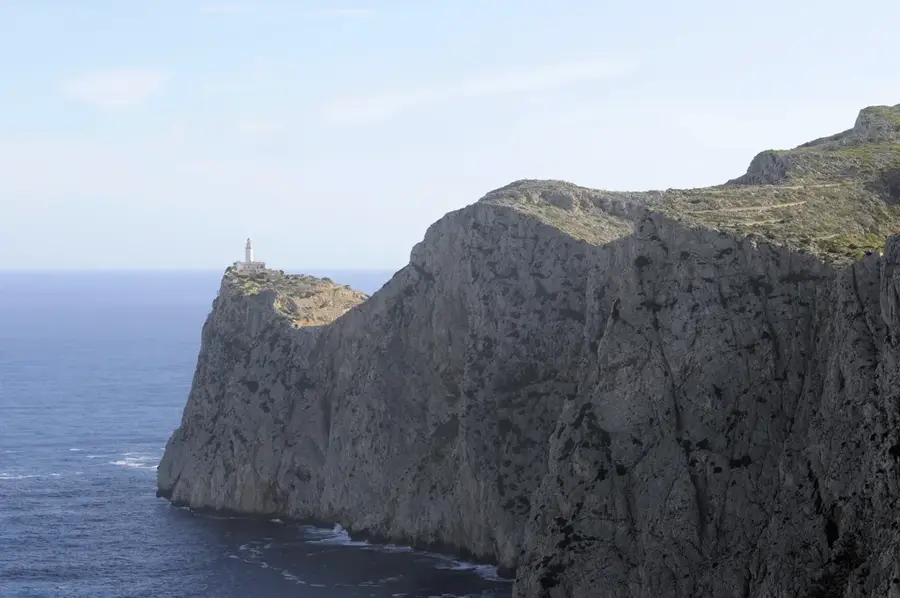
Start in the historic core of Pollença. The journey then takes you to the spectacular Cap de Formentor, the northernmost point of Mallorca. After the windy cape, enjoy the panorama from the Albercutx Tower and end the trip with relaxing hours at the beach of Cala Sant Vicenç.
Starting comfortably dry from Plaça Major. The Calvari stop is kept brief as the steps demand extra attention in the rain. The drive to Formentor lighthouse is dramatic in wet weather but requires full concentration on the winding road. We spend the afternoon sheltered in the car at the Albercutx viewpoint and end the day in Sant Vicenç bay.
A relaxed day without parking worries! We start at Plaça Major and enjoy the Calvari climb in the mild winter air. The drive to Cap de Formentor is a highlight in winter as summer access restrictions do not apply. We finish the tour at Albercutx tower and Cala Sant Vicenç in the clear, low-hanging afternoon sunlight.
May, June and September bring 23-28°C, warm sea and the Pollença Music Festival in the cloister. July-August are crowded, especially with British families. Winter (12-16°C) leaves Pollença livelier than other villages, ideal for Cap de Formentor hikes.
Pollença is very safe, with the usual tourist risk: pickpockets at Plaça Major on Sunday market days. The 365 steps to Calvari are steep and railing-free, not for everyone in summer heat. In Port de Pollença, weekend drunkenness is the only minor nuisance.
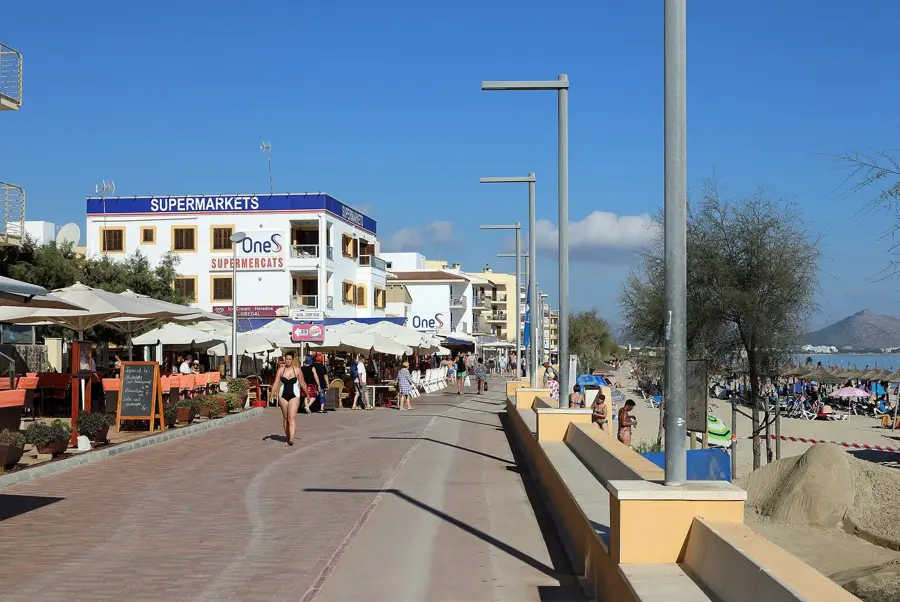
Pollença is Catalan-speaking (Mallorquí), with 'bon dia' and 'adéu' as daily greetings. English is standard around the port (Port de Pollença) where many Brits live. German works in most hotels and restaurants along the promenade.