Maó Christmas Market
Festive atmosphere in December with local craft stalls and culinary specialties.
PlizioGo
A local cow's milk cheese; try it at the Mercat des Claustre or specialized cheese shops.
An expensive but traditional dish, best enjoyed at the seafood restaurants right along the harbor promenade.
The typical local drink made with Menorcan Xoriguer gin, well-suited for a warm evening at a port-side bar.
These comfortable leather sandals are a local staple; find them in numerous shoe shops on Calle Hannover and surrounding streets.
A lively fresh food market where locals buy fish and vegetables, great for assembling a picnic.
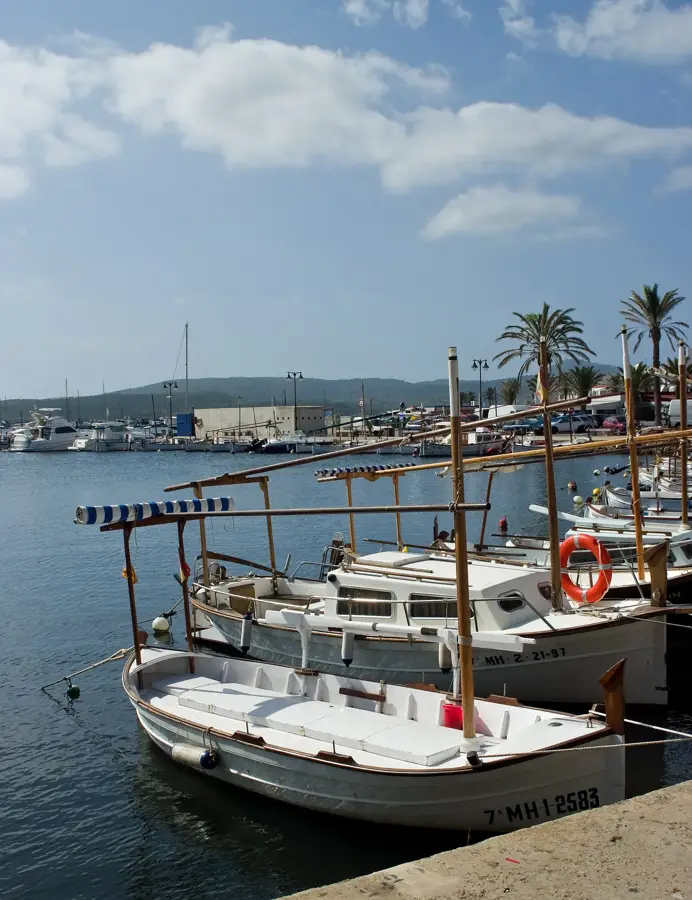
A small, shaded park right next to the port where you can sit on a bench and watch the boats go by.
Walk a stretch of this historic coastal path starting just outside the city for unspoiled nature and sea breezes.
Water temperature…
Festive atmosphere in December with local craft stalls and culinary specialties.
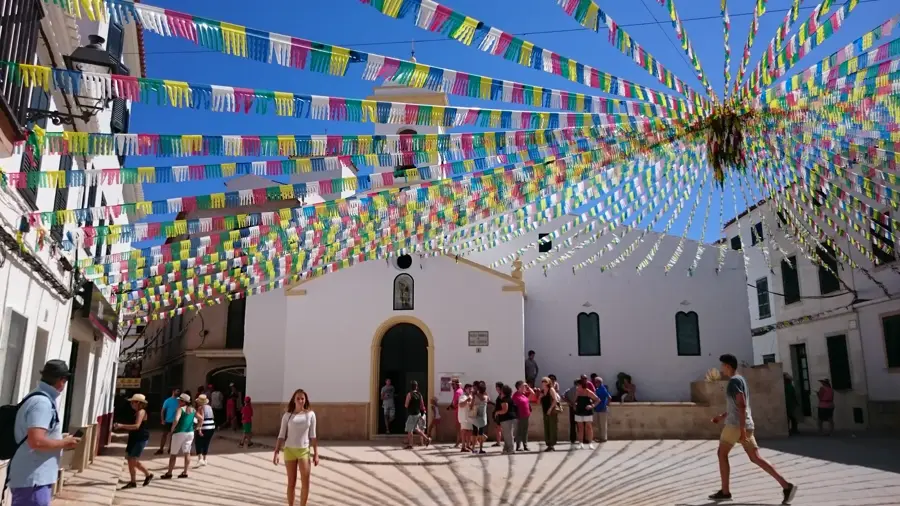
The biggest festival in Maó, featuring famous dancing horses and massive street parties in September.
A renowned jazz festival that brings international artists to the city stages once again in 2026.
Holy Week in 2026 features solemn processions and historic religious traditions in Maó.
The annual carnival brings colorful parades and music to the streets of Maó in February.
Menorca Day celebrations featuring traditional equestrian games and concerts in 2026.
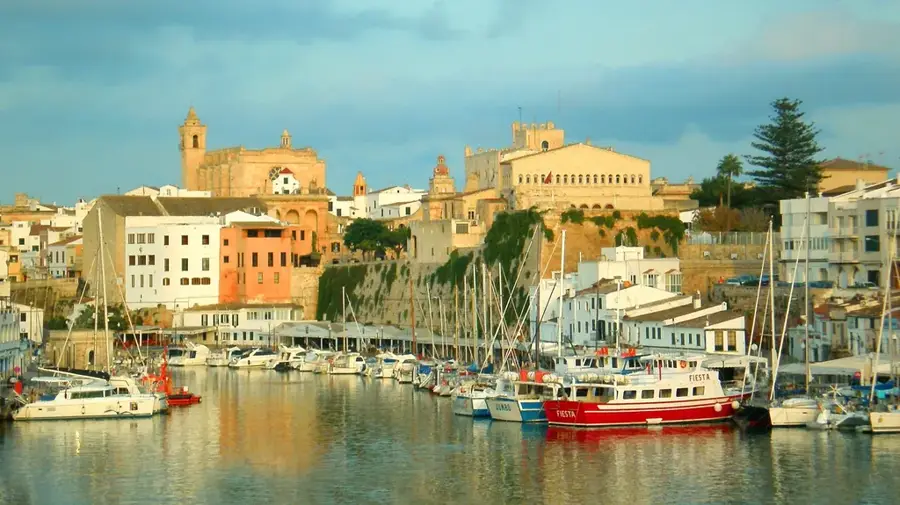
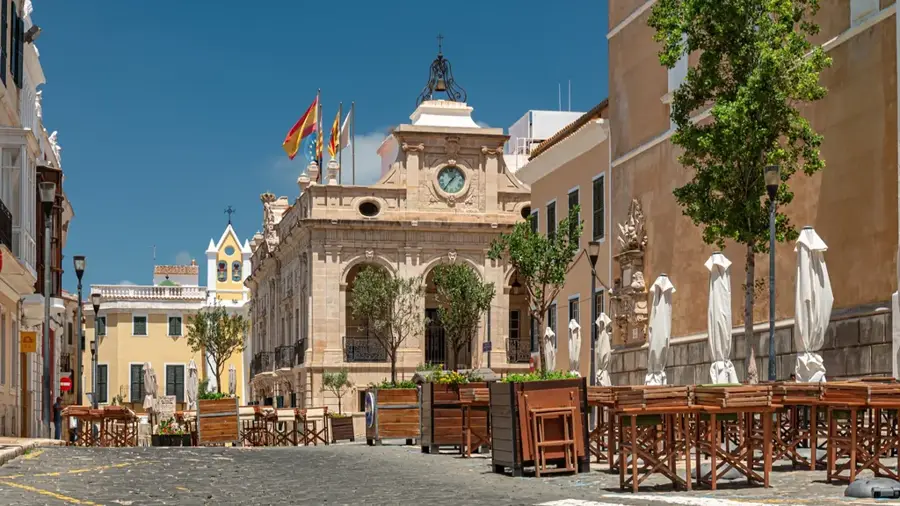
Maó, often known as Mahón, is the elegant capital of Menorca, uniquely positioned at the head of one of the world's deepest natural harbors. The city's identity is defined by its strategic history, particularly the British naval occupation during the 18th century, which left a lasting mark on its urban landscape. The historic center features distinct Georgian-style houses with sliding sash windows, a rarity in Spain. At the heart of the city lies the Plaza de la Constitución, home to the Town Hall and the Church of Santa Maria, which houses a world-renowned 19th-century organ with over 3,000 pipes. Maó claims a famous culinary legacy as the birthplace of mayonnaise, supposedly created for a French victory feast in 1756. Today, the bustling waterfront is lined with boutiques and restaurants, and is also home to the historic Xoriguer gin distillery, where traditional methods are still used to produce the island's signature spirit.
The most pleasant time to visit is Jun, Jul, Oct.
| Jan | Feb | Mar | Apr | May | Jun | Jul | Aug | Sep | Oct | Nov | Dec | |
|---|---|---|---|---|---|---|---|---|---|---|---|---|
| Avg °C | 13 | 12 | 13 | 15 | 18 | 22 | 25 | 26 | 24 | 21 | 17 | 14 |
| Rain mm | 51 | 51 | 53 | 49 | 43 | 21 | 17 | 29 | 68 | 82 | 85 | 55 |
See what it looks like near Maó right now.
Mao: Club Marítimo de Mahón - Carrer Costa de Cala Figuer - Port of Maó-Mahón · 0.9 km · Open webcam on Windy · Webcams provided by Windy.com
Notable places around
Where do you start? We build the route here, with stops and country notes along the way.
© OpenStreetMap contributors · OpenRouteService
A walk through the historic old town starts at the lively fish market. Via the Town Hall square and Santa Maria church, you reach the Museum of Menorca. After a cultural break at Teatre Principal, the day ends in style at the harbor at the famous Xoriguer gin distillery, where you can taste the local specialty.
Start your day at the Mercat del Peix, where you can enjoy local specialties sheltered under its historic roof. Santa Maria Church then provides a dry and resonant sanctuary with its impressive organ. Walking through the old town's arcades, you reach the Town Hall before spending the afternoon in the extensive Museum of Menorca, perfectly protected from the elements.
Enjoy the crisp, clear winter air on a walk to the fish market, a lively local hub even in the low season. The low winter sun casts a unique light on the golden facade of Santa Maria Church. After the museum visit, the Xoriguer distillery beckons, where traditional gin helps chase away the winter chill.
Start at the historic Portal de Sant Roc and ride down to the harbor to the gin distillery. A longer tour leads you around the harbor basin to the imposing La Mola fortress. After the visit, cycle back to the center to the Museum of Menorca to dive deep into the island's history.
Despite the rain, the ride to Portal de Sant Roc offers a quick entry into the city's history. The route to the gin distillery follows the harbor, where the asphalt is grippier than in the old town. La Mola fortress requires waterproof gear, but the dramatic view of the churning sea is worth the effort.
The winter tour starts at Portal de Sant Roc, where a cool breeze blows through the old city gate. The ride to La Mola is particularly attractive in winter, as the barren landscape exudes an almost mystical calm. The day concludes with a visit to the Museum of Menorca, where you can warm up after the windy ride across the headland.
By car, first visit the impressive La Mola fortress at the harbor entrance. Then head to the center to Portal de Sant Roc and for culinary delights at the fish market. After a visit to the gin distillery, crown the day with a short boat trip to the historic Illa del Rei.
By car, you can reach La Mola fortress comfortably and dry, even when the wind lashes the cape. Back in the city, park near Portal de Sant Roc and take a short stroll to the fish market for a cozy lunch. Illa del Rei can still be visited in the rain, as the ferries are covered and the old hospital provides shelter.
A winter drive takes you first to the lonely La Mola fortress, where the view of the sea seems endless. Once in Maó, the city can be explored in a relaxed way without the summer heat. The afternoon trip to Illa del Rei is particularly atmospheric as the low sun enchants the old buildings.
May-June and September are ideal: 22-28°C, empty beaches, open harbour restaurants. July-August is hot and packed; winter is mild but many places shut.
Maó is very safe, even at night by the harbour. Pickpockets only in peak season at busy plazas. Never leave valuables visible in a rental car.
Locals speak Menorquí (Catalan) and Spanish; English works in the port and tourist spots. A friendly 'bon dia' goes a long way with locals. Don't expect German or French outside hotels.