Vielha Livestock and Artisan Fair
In early October, a traditional fair dedicated to livestock, especially the Aranese horse. It also includes a market for local products, crafts, and agricultural machinery.
PlizioGo
A rich mountain stew with beans and meat; try it in any traditional restaurant in the town center.
Coarse local pâté, best bought at specialty food shops along Avenida Castiero.
Sweet crepes often filled with local jams, popular in the cozy cafes near the river.
Look for 'Miel de la Val d'Aran', often sold directly by local mountain beekeepers.
Find artisanal goat and sheep cheeses in the small boutiques of the old quarter.
Vielha features high-quality specialized shops for hiking and skiing equipment.
A peaceful walking trail along the river that leads you to the nearby village of Betren.
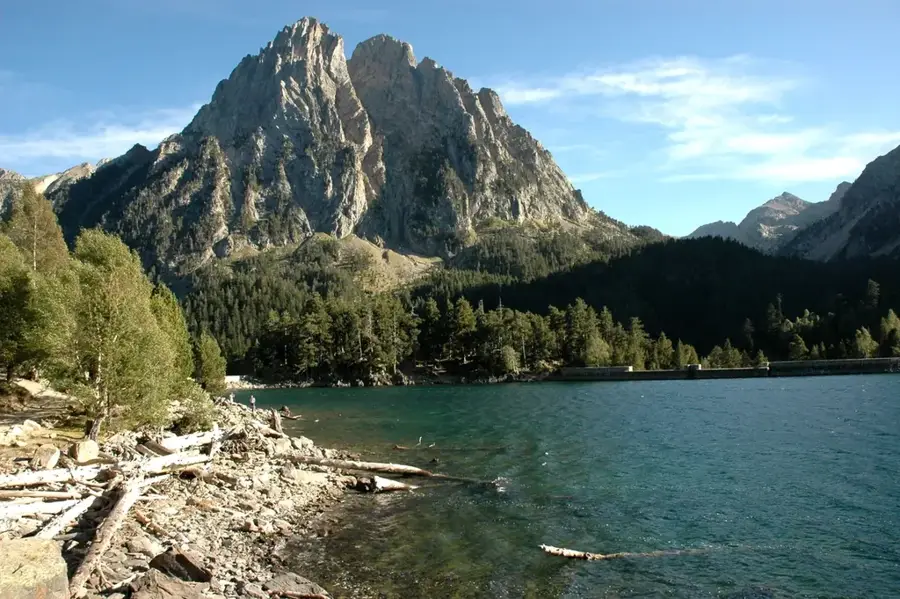
A scenic mountain lake above Vielha, well-suited for a quiet walk in the forest.
A remarkable double waterfall in a quiet valley, great for nature photography.
Water temperature…
In early October, a traditional fair dedicated to livestock, especially the Aranese horse. It also includes a market for local products, crafts, and agricultural machinery.
A gastronomic festival throughout the Val d'Aran dedicated to the local bean. Restaurants offer special menus, and there are markets, cooking demonstrations, and tastings.
In early September, Vielha celebrates its main festival in honor of the Virgen de Mijaran. The festivities include concerts, traditional Aranese dances, street parades, and fireworks.
A UNESCO Intangible Cultural Heritage festival. On June 23rd, a tall fir tree ('haro') is lit in the square to celebrate the summer solstice, accompanied by traditional dances and music.
Before Lent, Vielha celebrates Carnival with costume parades, music, and the symbolic 'burning of Carnestoltes' to mark the end of the festivities.
On the evening of January 5th, the Three Kings arrive in Vielha, parading through the streets on festive floats and handing out candy to children.
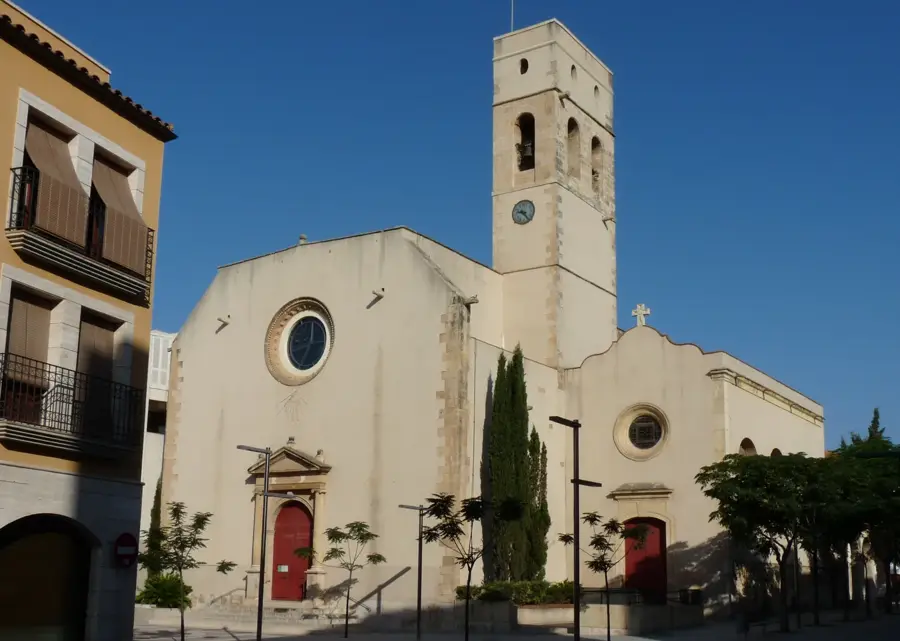
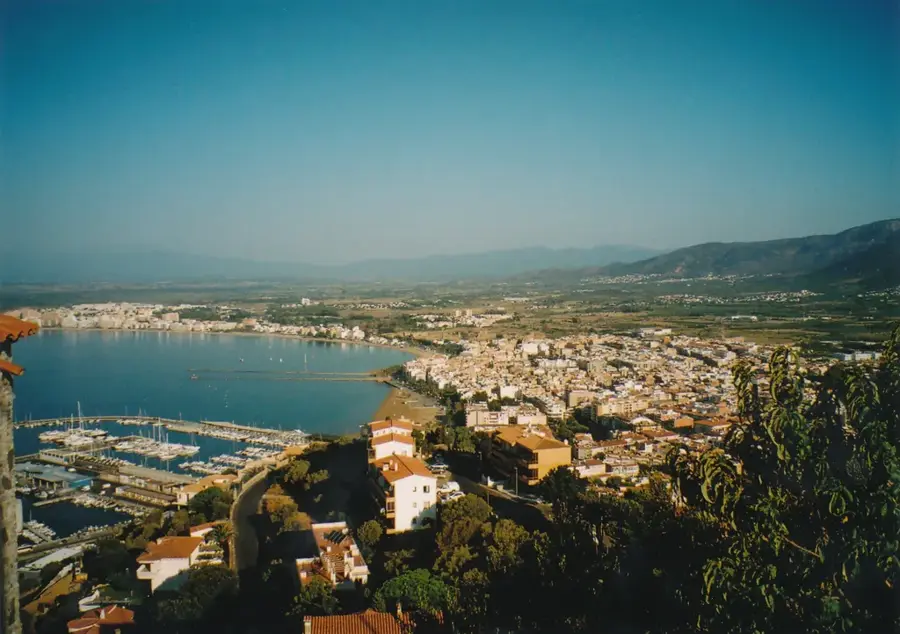
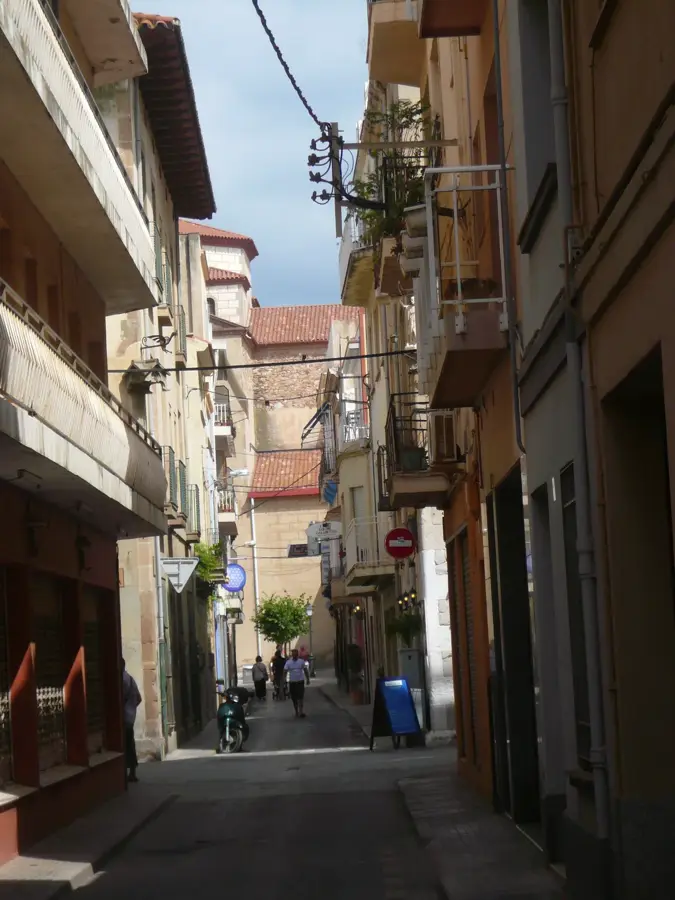
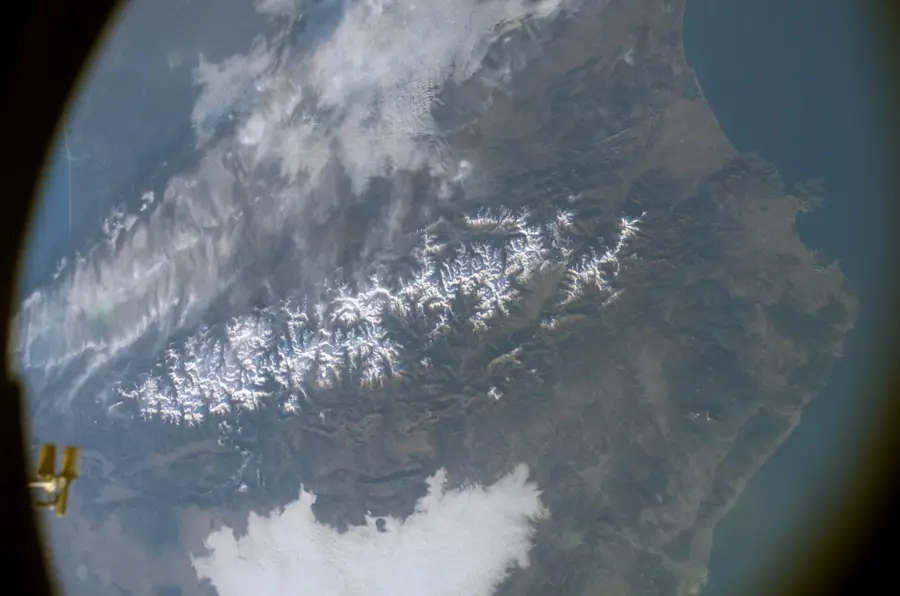
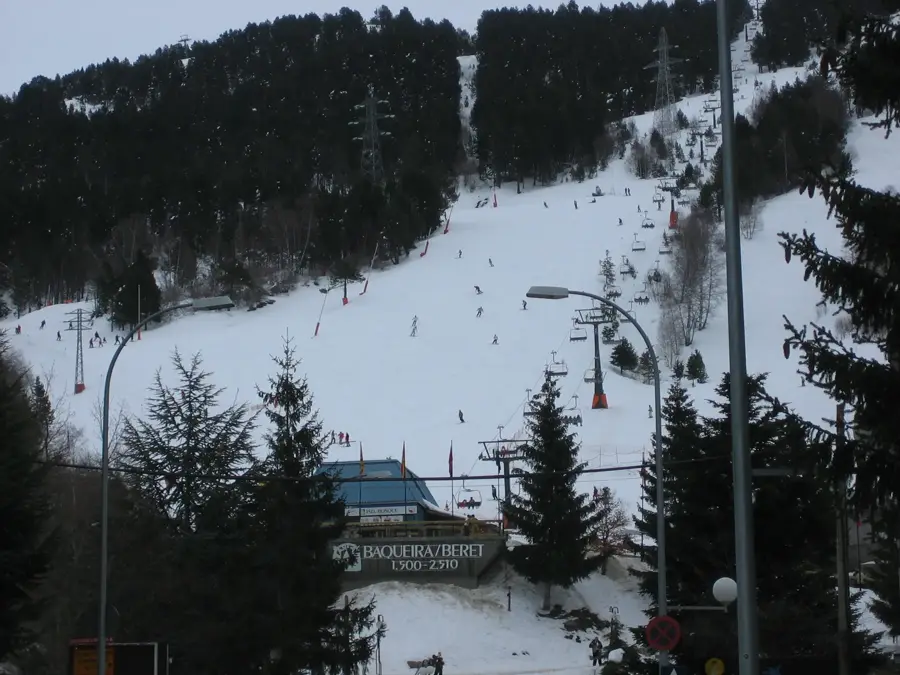
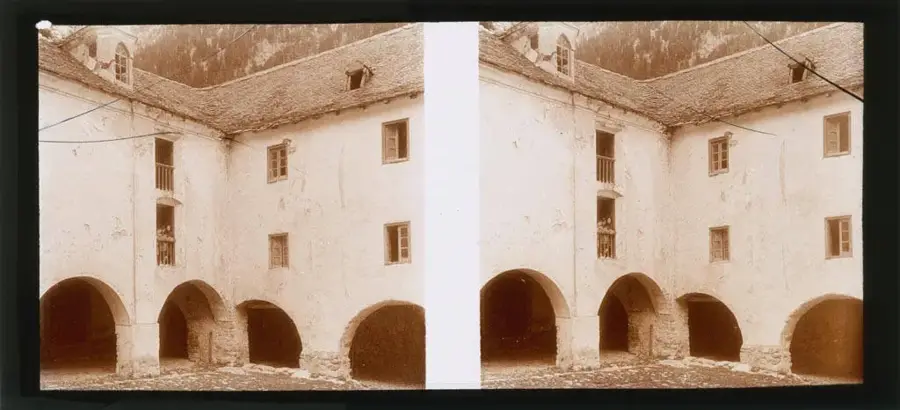
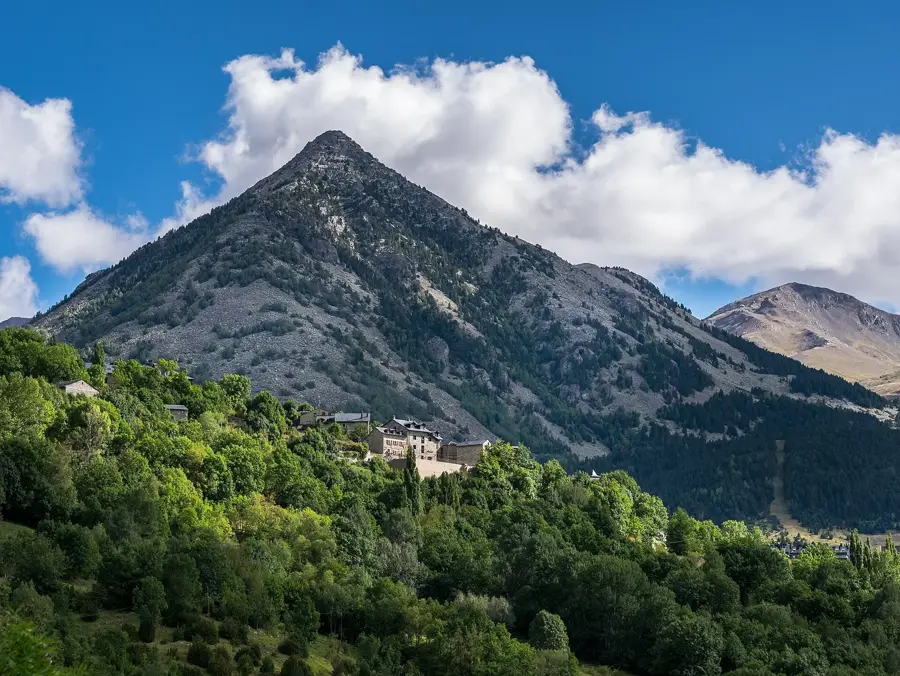
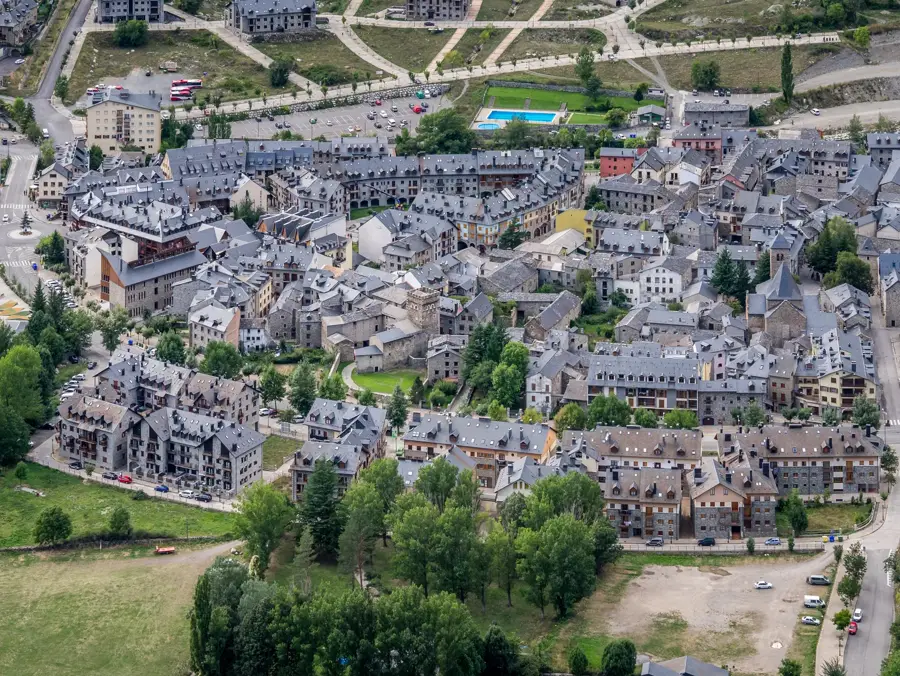
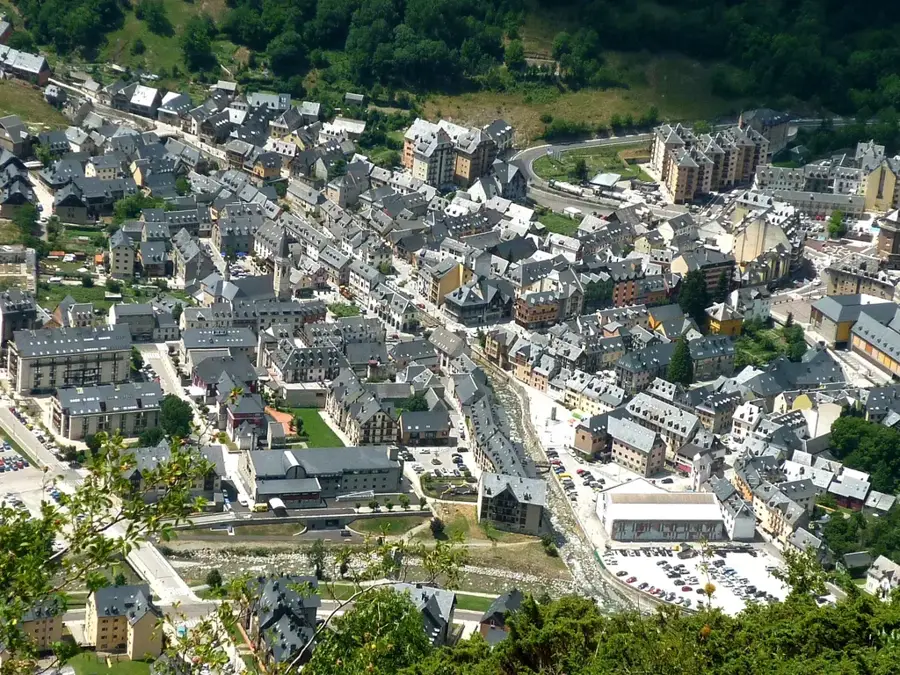
Vielha e Mijaran is the capital of the Val d'Aran, a unique Pyrenean valley where Aranese (a variant of Occitan) is spoken. Sitting at an altitude of 974 meters, the town is split by the Nere River as it flows into the Garonne. The architecture is characterized by robust stone walls and steep slate roofs, designed to withstand heavy snowfall. The 12th-century Church of Sant Miquèu is the town's architectural highlight, home to the 'Christ of Mijaran,' an exceptional example of Romanesque woodcarving. Vielha acts as the commercial and cultural hub for the valley, offering a wide range of services for tourists who flock here year-round. In winter, it is the primary base for visitors to the nearby Baqueira Beret ski resort, while in summer, it provides access to countless hiking trails in the surrounding 3,000-meter peaks.
See what it looks like near Vielha right now.
Vielha e Mijaran · 0.2 km · Open webcam on Windy · Webcams provided by Windy.com
Notable places around
Where do you start? We build the route here, with stops and country notes along the way.
© OpenStreetMap contributors · OpenRouteService
Start your day at San Miguel Church with its famous Romanesque crucifix. Then, stroll through the picturesque streets of the old town to the Aran Valley Museum. After a lunch of local specialties, walk along the Paseo de la Libertad by the rushing mountain river. In the afternoon, discover the industrial history at the wool factory and end the day with a cultural insight at Era Audiovisuau.
Start your morning inside the sturdy walls of San Miguel Church. At noon, the Aran Valley Museum provides a perfect indoor escape from the Pyrenean rain. Spend the afternoon exploring the wool factory's heritage undercover, and end the day with a dry seat at the cultural centre. The old town's stone alleys offer a moody, atmospheric walk even under an umbrella.
A frosty morning starts in the heated San Miguel Church. The snow-covered old town looks like a fairytale, but watch your step on icy patches. Warm up at noon in the museum before visiting the historic wool factory. As the sun dips early behind the peaks, the cultural centre provides cozy refuge in the late afternoon chill.
This bike tour takes you out of town up to the idyllic Bassa d'Oles. Enjoy the sporting challenge and the tranquility of the mountain lake. After returning to Vielha, recover at the Paseo de la Libertad. Spend the afternoon in the old town and visit the historic wool factory before ending the tour at the Garonne bridge.
A wet ride to Bassa d'Oles lake requires stamina and proper gear. The mist over the water is mystical, but the descent to Vielha can be slippery. In the afternoon, explore the town in a rain poncho, finding shelter in the wool factory. The paths along the Garonne river should be navigated with caution due to mud.
Winter biking around Vielha is an adventure for the brave. The road to Bassa d'Oles might be snow-covered, requiring fatbikes or high-traction tires. The wind chill during descents is biting, so thermal gear is mandatory. In the afternoon, town sightseeing is more relaxed before the early darkness ends the ride.
By car, you can reach the spectacular Artiga de Lin plateau in the morning, with its underground rivers and waterfalls. At noon, return to Vielha to visit the museum and the significant San Miguel church. In the afternoon, there's time for the wool factory and a relaxed stroll on the Paseo de la Libertad. The day concludes with a short walk through the illuminated old town.
The drive to Artiga de Lin is dramatic in the rain, as the waterfalls are especially powerful. Spend the rest of the day flexibly in Vielha, visiting the museum and wool factory while staying dry. The car is your perfect mobile base between stops while low clouds cling to the mountain slopes.
The drive to Artiga de Lin might be closed or require snow chains in winter. The snow-capped peaks offer a magnificent panorama. In Vielha, use your car to comfortably hop between heated stops like the museum and wool factory while the frost bites outside.
December to April for Baqueira-Beret skiing, July to September for hiking and alpine lakes. May and November are shoulder seasons with many closures. Book well ahead for August, when Vielha's hotels sell out fast.
Vielha itself is very safe; the real risks are alpine: rapid weather changes, avalanche danger off-piste, and Vielha tunnel queues whenever chain rules kick in. In summer, watch for slippery granite slabs around waterfalls.
Val d'Aran's official language is Aranese (an Occitan variety), alongside Catalan, Spanish and, in ski areas, plenty of French and English. A polite 'plan plan' means 'thank you' in Aranese. 'Tuca' is peak and 'estanh' is mountain lake.